First Affiliated Hospital of Guangxi Medical University Oncology: A Guide for International Patients
Cancer care is expensive. In the United States, a single year of chemotherapy for advanced lung cancer can exceed $200,000. Even with insurance, out-of-pocket costs routinely bankrupt families. The oncology treatment cost Guangxi Medical University offers sits at a fraction of that figure — often 70–85% lower than comparable Western protocols. But cost is only one part of the equation. You need to know whether the clinical quality, the process for foreign patients, and the practical logistics actually work.
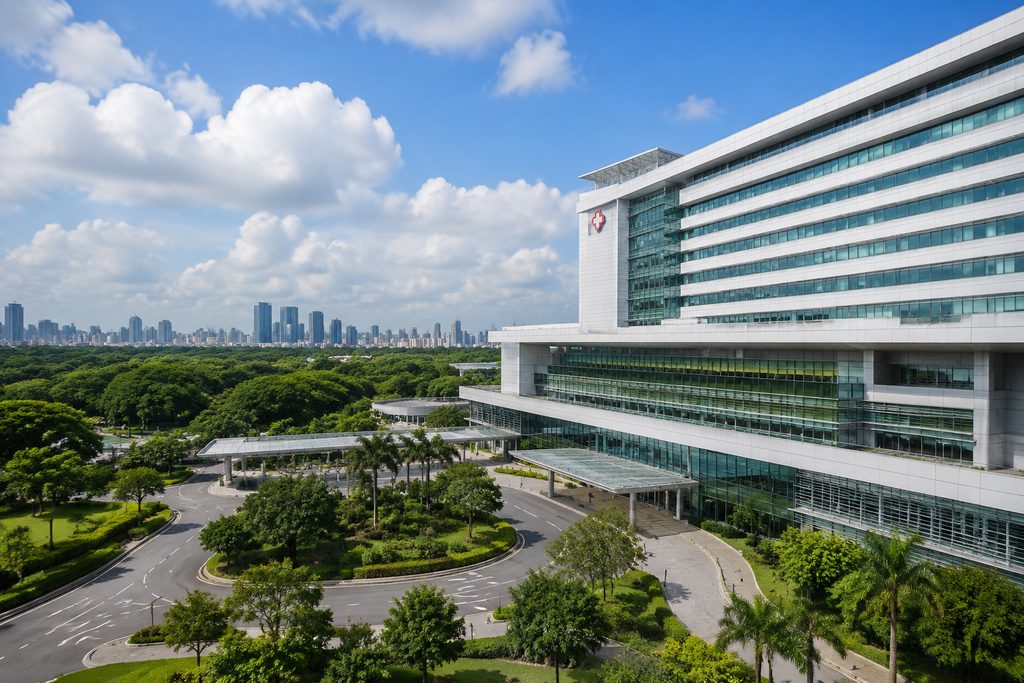
The First Affiliated Hospital of Guangxi Medical University, located in Nanning, is one of southern China’s largest academic medical centers. It is a Grade 3A hospital — the highest classification in China’s public hospital system — and operates a dedicated international medical department. For international patients weighing cancer treatment options, this hospital represents a specific proposition: high-volume oncology expertise at a cost structure that makes treatment financially survivable.
Key Takeaways
- The First Affiliated Hospital of Guangxi Medical University treats over 4 million outpatient visits annually, with oncology among its strongest clinical departments.
- Cancer treatment costs in Nanning typically run 70–85% below US private-pay rates, even when using the hospital’s international VIP channel.
- You cannot pre-book surgery or chemotherapy from overseas through the standard public registration system — international patients must use the hospital’s international department or a coordination service.
- Language is the single biggest barrier. The hospital has some English-speaking staff in its international wing, but most clinical interactions require a bilingual companion or interpreter.
The Problem: Cancer Care Costs Are Breaking Patients in the West
Cancer does not wait for savings accounts to grow. The American Cancer Society reported in 2024 that nearly half of US cancer patients deplete their entire life savings within two years of diagnosis. In the UK, while the NHS covers treatment, wait times for oncology referrals have stretched past the 62-day target for over 40% of patients in some regions. Canada tells a similar story — median wait time from specialist referral to radiation therapy reached 27.2 weeks in 2023, according to the Fraser Institute.
Patients in Southeast Asia, the Middle East, and Eastern Europe face a different problem: their local hospitals may lack the advanced radiotherapy equipment, molecular diagnostics, or surgical volume needed for complex cancers. They are forced to choose between traveling to Singapore, South Korea, or the US — where costs are staggering — or staying home with suboptimal care.
That is the gap this hospital fills. Not perfectly. Not for every cancer type. But for a meaningful subset of international patients, the First Affiliated Hospital Guangxi cancer treatment for foreigners represents a rational, evidence-based option that most Western patients never learn about.
Why Guangxi Medical University’s Oncology Program Delivers Results
Clinical Volume That Western Hospitals Cannot Match
The First Affiliated Hospital of Guangxi Medical University operates 2,750 beds and handles over 90,000 inpatient admissions per year. Its oncology department alone manages thousands of chemotherapy cycles, radiotherapy sessions, and surgical resections annually. Volume matters in oncology. Studies published in The Lancet Oncology and the Journal of Clinical Oncology consistently show that hospitals performing higher numbers of complex cancer surgeries report lower complication rates and better long-term survival.
Compare that to a mid-sized Western hospital. A typical US community hospital might treat 200–400 new cancer cases per year. The oncology teams at Guangxi Medical University see that volume in a matter of weeks. The pattern recognition, the multidisciplinary tumor boards, the familiarity with rare presentations — these are the byproducts of scale that no amount of technology can replace.
Technology and Infrastructure at Academic Medical Center Level
This is not a small provincial clinic. The hospital houses linear accelerators for intensity-modulated radiation therapy (IMRT), PET-CT imaging, and a full molecular pathology laboratory. It participates in national cancer research programs and maintains active collaborations with oncology centers in the US, Japan, and Europe. The hospital’s status as a Grade 3A academic center means it trains oncologists, runs clinical trials, and adheres to protocols aligned with NCCN guidelines.
Is cancer care good in Guangxi China? The honest answer: for common solid tumors — lung, liver, gastric, colorectal, breast, nasopharyngeal — the clinical outcomes at this hospital are comparable to mid-tier Western academic centers. Guangxi has one of the highest incidences of nasopharyngeal carcinoma in China, which means the oncology teams here have treated more NPC cases than almost any hospital in Europe or North America. That specific expertise is not a marketing claim; it is a demographic reality.
Cost Advantage Without Quality Compromise
The oncology treatment cost Guangxi Medical University charges reflects structural economics, not inferior care. Chinese physician salaries are lower. Hospital construction costs are lower. The supply chain for generic chemotherapy drugs is domestic. The result: a course of standard first-line chemotherapy that costs $60,000–$120,000 in the US runs $8,000–$20,000 in Nanning. A radical gastrectomy for gastric cancer that bills at $80,000–$150,000 in the US costs $12,000–$25,000 here.
These figures are not secret. They are the published rates of the hospital’s international department and comparable Chinese academic centers. The lower cost does not buy you a lower standard of care. It buys you the same NCCN-aligned protocols, the same drug classes, the same surgical techniques — delivered in a system where the underlying economics are different.
Lower cost never means no cost. International patients pay out of pocket in China. Public insurance from your home country will not cover treatment here. Private international insurance may reimburse after the fact, but you must confirm coverage before committing.
Oncology Treatment Cost Guangxi Medical University: A Real Price Breakdown
Numbers matter. Here is what international patients actually pay at the First Affiliated Hospital of Guangxi Medical University, based on the hospital’s international department rate schedule and comparable Chinese academic center pricing. All figures are in US dollars and vary by case complexity, drug regimen, and hospital channel.
| Treatment Item | Guangxi Medical University (International Channel) | Typical US Private-Pay Price | Approximate Savings |
|---|---|---|---|
| PET-CT Scan | $600 – $900 | $3,000 – $6,000 | 75–85% |
| Standard Chemotherapy Cycle (First-Line, Generic Drugs) | $1,500 – $4,000 | $8,000 – $25,000 | 75–85% |
| Radical Gastrectomy (Gastric Cancer) | $12,000 – $25,000 | $80,000 – $150,000 | 70–85% |
| Lobectomy (Lung Cancer Surgery) | $10,000 – $20,000 | $60,000 – $120,000 | 75–85% |
| IMRT Radiation Therapy (Full Course, 30–35 Fractions) | $8,000 – $15,000 | $40,000 – $90,000 | 70–85% |
| Written Second Opinion (Top Specialist Review) | $300 – $500 | $1,500 – $5,000 (US Academic Center) | 75–90% |
These are reference ranges, not quotes. Your actual oncology treatment cost Guangxi Medical University will depend on your specific diagnosis, the drug regimen prescribed, whether you use the standard public channel or the international VIP channel, and how long your treatment course runs. The international channel typically costs 1.5–2 times the standard public rate but includes English-speaking coordination and shorter wait times.
How to Book Cancer Treatment at Guangxi Medical University: The Actual Process
Here is the part most websites gloss over. You cannot simply email the hospital and book a surgery date. The Chinese public hospital system does not work that way. To book cancer treatment at Guangxi Medical University as a foreigner, you must follow a specific sequence.
Step one: gather every medical record you have. Pathology reports, imaging studies on CD or USB, surgical notes, chemotherapy records, genetic testing results. Everything. If your records are not in English or Chinese, you will need certified translations.
Step two: get a written second opinion first. This is the smartest move any international patient can make. Send your records to the hospital’s international department or through a coordination service. A senior oncologist reviews your case and tells you — in writing — whether they can treat you, what protocol they recommend, and what the estimated cost would be. This costs $300–$500 and takes 5–10 business days. It prevents you from flying to China only to discover the hospital cannot help you.
Step three: if the second opinion confirms treatment is viable, arrange a video consultation with the oncology team. This costs $100–$300 for a standard international department consultation or $500–$800 for a top-specialist consultation. You discuss your case directly, ask questions, and confirm the treatment plan.
Step four: travel to Nanning. You will need an S2 visa, which is the correct category for short-term medical treatment and private affairs in China. The hospital’s international department provides an invitation letter and treatment confirmation document to support your visa application. Family members accompanying you also apply for S2 visas. Processing typically takes 1–4 weeks depending on your home country’s Chinese embassy or consulate.
Step five: in-person consultation and hospital admission. You meet the oncology team, complete any additional testing, and the hospital schedules your treatment. With the international channel, admission and treatment scheduling typically happens within 1–2 weeks of arrival. The standard public channel may take longer.
Any consultation fee you pay — written second opinion or video consultation — should be creditable toward on-the-ground coordination services if you proceed with treatment in China. Reputable coordination services apply this credit within 90 days. It is a one-time credit against coordination fees only, never against hospital treatment charges.
Who Should NOT Choose Guangxi for Cancer Treatment
A standard first-line chemotherapy cycle using generic drugs typically costs $1,500–$4,000 at a top Chinese academic hospital’s international department. The same cycle often bills at $8,000–$25,000 in the United States. The exact cost depends on the specific drugs, your body surface area, and whether you need supportive medications like growth factors or antiemetics.
You cannot book surgery or chemotherapy dates from overseas through the standard public registration system. But you can complete a written second opinion and video consultation remotely, which confirms that the hospital can treat your case and provides a preliminary treatment plan. Actual admission and treatment scheduling happens after you arrive and complete an in-person consultation.
This is why the written second opinion matters. It is a screening step. A senior oncologist reviews your records before you travel and tells you honestly whether the hospital can help. If the answer is no, you have lost $300–$500 and a week of time — far better than losing thousands of dollars on flights and accommodation. No reputable service or hospital will guarantee treatment success before seeing you in person.
China does not issue a dedicated “medical visa.” International patients use the S2 visa for short-term medical treatment and private affairs, or the S1 visa for stays exceeding 180 days. The hospital provides supporting documents, but visa approval is handled by the Chinese embassy or consulate in your home country. Family members accompanying you apply for the same visa category.
Your Next Step
Cancer forces hard decisions under pressure. The oncology treatment cost Guangxi Medical University offers is a real alternative for patients who cannot afford Western private-pay rates or cannot wait for public system queues at home. But the right first move is not booking a flight. It is getting a written second opinion from a Chinese oncology specialist who can look at your records and tell you — honestly — whether this path makes sense for your specific case.
Our team at China Medical Services helps international patients navigate this process. We are not a hospital and we do not provide diagnoses or treatment. What we do is handle the logistics: medical record translation, coordination with the hospital’s international department, bilingual companionship during treatment, and visa guidance. If you are weighing your options, start with a conversation. Get your records reviewed before you commit to anything.
Cancer treatment in China is not for everyone. But for the patients it fits, it can mean the difference between receiving care and going without. That is worth understanding before you decide.
Frequently Asked Questions
Yes. The hospitals used for international patients are JCI-accredited and follow the same international safety standards as top hospitals in the US and Europe. Surgical teams perform high volumes of procedures — often more than their Western counterparts — which studies show leads to better outcomes.
Costs vary by procedure and hospital, but international patients typically save 40-80% compared to US prices — even when factoring in travel and accommodation. A consultation with our team will give you an exact, all-inclusive quote with no hidden fees.
Send us your existing medical reports to get started. We handle everything from hospital selection and appointment scheduling to visa assistance and post-operative recovery planning. Your medical records are reviewed by the specialist before you even book a flight.
For more medical information and treatment options in China, visit chinamedservices.com (China Medical Services).
