First Affiliated Hospital of Guangzhou Medical University Oncology for International Patients: What to Know Before You Book
Oncology at First Affiliated Hospital of Guangzhou Medical University: The Short Answer
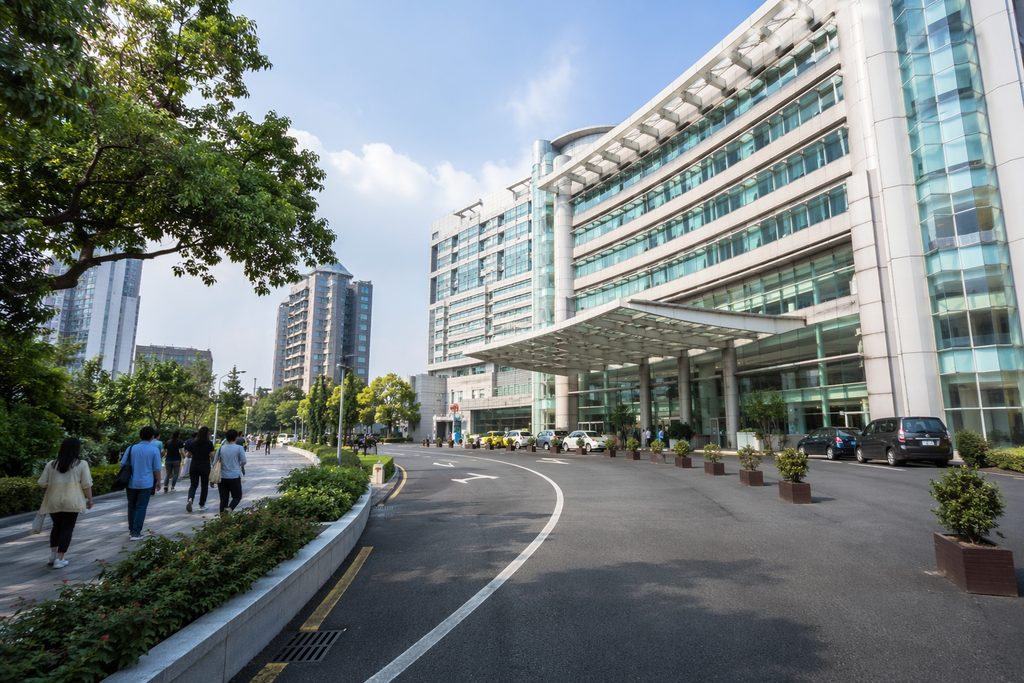
You’re searching for a specific hospital, which tells us something important: you already know that Chinese oncology centers handle enormous patient volumes and often deliver outcomes that rival Western institutions at a fraction of the price. The First Affiliated Hospital of Guangzhou Medical University is a legitimate, high-volume tertiary hospital in southern China with a recognized respiratory oncology program. But here’s what most foreign patients don’t realize until they’re already in Guangzhou: this is a massive public hospital where daily outpatient volume exceeds 10,000 visits. The oncology treatment cost China patients typically ask about depends almost entirely on whether you access care through the standard public channel or the hospital’s international/VIP department — and those two paths are completely different experiences.
The short version: yes, this hospital treats international patients. No, you cannot simply email them and book a surgery slot. The pathway is indirect, and that’s exactly what this article unpacks.
Who This Is Right For — and Who It Isn’t
Before you invest time and money in pursuing treatment at this specific institution, let’s be honest about fit. Not every cancer patient should travel to Guangzhou.
Typically a good candidate:
- You have a confirmed cancer diagnosis with existing imaging, pathology reports, and treatment history in English or Chinese
- Your cancer type falls within this hospital’s strongest departments — particularly lung cancer, esophageal cancer, and other thoracic malignancies
- You want a written second opinion or a video consultation before committing to travel
- You have a family member or hired companion who speaks Mandarin, or you’re willing to pay for bilingual support
- You’re seeking treatment costs that run roughly one-fifth to one-tenth of US prices for comparable procedures
Who should think twice:
- You need immediate emergency intervention — international medical travel takes weeks to arrange properly
- Your cancer requires an extremely rare subspecialty protocol that only a handful of global centers offer
- You cannot handle long flights or extended stays away from your support network
- You expect a Western-style private room and English-speaking nurses at public hospital prices — that combination doesn’t exist
- You’re not willing to gather and translate your medical records before any consultation can happen
Being realistic here saves everyone time. The hospital’s public wards are crowded and fast-paced. The international department exists precisely because foreign patients need a different level of coordination.
The Options, Compared
When an international patient asks “is Guangzhou Medical University hospital good for cancer,” the honest answer requires comparing it against the realistic alternatives. Southern China has several oncology-capable institutions, and your choice should reflect your cancer type, budget, and tolerance for logistical friction.
| Factor | First Affiliated Hospital of GMU | Sun Yat-sen University Cancer Center (Guangzhou) | Private International Hospitals (e.g., United Family Guangzhou) |
|---|---|---|---|
| Fudan ranking (oncology) | Strong in respiratory/thoracic; not in national oncology top 10 | Ranked among China’s top 10 for oncology | Not ranked; JCI-accredited |
| English-speaking staff | Limited in public wards; better in international department | Some international services; still limited | Fully English-speaking environment |
| Cost for chemotherapy cycle (typical) | $3,000–$8,000 depending on regimen | $4,000–$10,000 | $8,000–$20,000 |
| Wait time for new patient consult | Days to weeks via international department | Weeks; very high demand | Days |
| Direct insurance billing | Rarely; usually pay upfront then claim | Rarely | Common |
| Best suited for | Lung/thoracic cancers, cost-sensitive patients | Complex or rare cancers needing top-tier oncology ranking | Patients who prioritize comfort and language over cost |
If your cancer is lung-related, this hospital’s respiratory focus makes it genuinely competitive. If you have a rare hematological malignancy, Sun Yat-sen’s dedicated cancer center may serve you better. The private route costs more but removes almost all logistical friction.
What Actually Happens When You Try to Book Cancer Treatment at This Guangzhou Hospital as a Foreigner
Here’s the process nobody publishes on the hospital’s website. The First Affiliated Hospital Guangzhou Medical University cancer treatment price you’ll eventually pay depends on which of these paths you take.
Path 1: The public channel. You fly to Guangzhou, walk into the outpatient building, and try to register. You’ll need a Chinese phone number, a hospital medical card, and enough Mandarin to navigate registration windows, payment counters, and department queues. You cannot pre-book from overseas. You’ll see whichever attending physician is on duty that day. Surgery can only be scheduled after an in-person consultation. This path is cheap but nearly impossible without fluent Chinese.
Path 2: The international/VIP department. Most top-tier Chinese public hospitals maintain a separate international wing. Here you can pre-arrange consultations, access senior specialists, and receive English-language coordination. Expect to pay 1.5 to 2 times the public rate. A consultation that costs ¥300 publicly might run ¥600–800 in the international department. This is still dramatically cheaper than Western private care.
Path 3: A coordination service. This is where companies like China Medical Services enter the picture. We handle registration, medical card creation, appointment coordination, and bilingual accompaniment. You still pay the hospital directly for treatment. We charge separately for coordination labor — and we don’t pretend otherwise.
What Oncology Treatment Cost China Really Looks Like at This Hospital
Let’s talk numbers, because that’s what actually drives decisions. These are ranges based on typical public hospital international department pricing in Guangzhou. Final quotes always vary by hospital and case complexity.
| Service | Typical Cost at First Affiliated Hospital of GMU (International Dept.) | Comparable US Cost |
|---|---|---|
| Initial specialist consultation | $100–$250 | $400–$800 |
| CT scan (chest) | $150–$300 | $1,000–$3,000 |
| PET-CT scan | $700–$1,200 | $4,000–$7,000 |
| Chemotherapy cycle (standard regimen) | $3,000–$8,000 | $15,000–$40,000 |
| Lung lobectomy (surgery) | $8,000–$15,000 | $60,000–$120,000 |
| Radiation therapy course (30 sessions) | $6,000–$12,000 | $50,000–$100,000 |
These figures exclude travel, accommodation, translation, and post-treatment follow-up in your home country. They also assume you’re paying out of pocket and claiming insurance reimbursement later. Chinese public hospitals generally require prepayment — a deposit is taken at admission, and treatment proceeds against that balance.
Practical Considerations: Records, Visas, Payment, and Follow-Up
You cannot skip these logistics. They’ll determine whether your trip succeeds or collapses.
Medical records. Gather everything: pathology slides, imaging discs (DICOM format preferred), surgical notes, chemotherapy regimens, radiation summaries. Translate key documents into Chinese — or at minimum provide English originals, which most senior specialists at this hospital can read. Incomplete records mean wasted consultations.
Visa. Foreign nationals traveling to China for medical treatment apply for an S2 visa, annotated for medical purposes. Your accompanying family member also applies for an S2. You’ll need a hospital invitation letter or treatment confirmation document to support the application. Requirements shift periodically — check with the nearest Chinese embassy or consulate before booking flights. No visa category guarantees approval.
Payment. Bring a credit card with a high limit, or arrange international wire transfer. Chinese hospitals accept UnionPay universally; Visa and Mastercard work at international department payment counters but not always at public windows. Cash in RMB is still common. Some patients open a local bank account — impractical for short stays.
Language. Even in the international department, nursing staff may speak limited English. You’ll need a bilingual companion for anything beyond the consultation itself: pharmacy queues, imaging departments, billing disputes, dietary requests. This is not a luxury. It’s basic function.
Follow-up. After you return home, your local oncologist needs full treatment summaries in English. Request these before discharge — getting them later from overseas is slow and frustrating. Video follow-up consultations with the Guangzhou team are possible and typically cost $100–$300 per session.
Frequently Asked Questions
The hospital has genuine strengths in respiratory oncology and thoracic surgery, reflecting its historical focus on respiratory medicine. For lung cancer, esophageal cancer, and related thoracic malignancies, it’s a reasonable choice. For other cancer types, Guangzhou’s dedicated cancer center at Sun Yat-sen University may be stronger. No hospital is “good for cancer” across the board — the question is always “good for your specific cancer.”
You cannot book surgery or hospital admission from overseas through the public channel. The realistic routes are: contact the hospital’s international department directly (Chinese-language capability helps), or use a coordination service that handles registration, translation, and appointment scheduling on your behalf. Expect the process to take 2–4 weeks from first contact to first in-person consultation. Surgery scheduling happens only after the specialist sees you and reviews your records.
International department pricing typically runs 1.5 to 2 times the public rate. A chemotherapy cycle might cost $3,000–$8,000. A lung lobectomy might run $8,000–$15,000. These are ranges, not quotes. Your final cost depends on your specific regimen, length of stay, complications, and whether you need additional imaging or supportive care. Always request a written cost estimate before committing.
Chinese hospitals follow standard medical protocols, and the international department at this hospital has experience managing foreign patients. But complications happen everywhere. If a serious adverse event occurs, you’ll be treated at the same hospital — there’s no realistic transfer to a Western facility mid-treatment. Your travel insurance should include medical evacuation coverage. Also, understand that Chinese medical liability laws differ from Western jurisdictions. Pursuing malpractice claims as a foreigner is difficult and rarely productive. Choose your hospital carefully before treatment begins.
Some private international hospitals in China offer bundled packages that include consultation, imaging, treatment, accommodation, and translation. Public hospitals like First Affiliated Hospital of GMU generally do not — you pay per service. Coordination companies can assemble a package-like experience by combining hospital services with external logistics (visa support, airport transfer, bilingual companion, accommodation), but the hospital bill remains separate and service-based.
Your Next Step
Choosing a hospital in a foreign country for cancer treatment is not a decision to make from a Google search alone. The right path starts with a written second opinion or a video consultation — low-cost, low-commitment steps that tell you whether this hospital’s specialists actually have something to offer your specific case. Our team at China Medical Services coordinates exactly this: we’re not a hospital, we don’t diagnose, and we don’t promise outcomes. We translate your records, arrange remote consultations with relevant specialists, and if you decide to travel, we handle the on-the-ground logistics. If you’re weighing oncology treatment cost China against options at home, start with a conversation. Request a free consultation and we’ll help you figure out whether Guangzhou is the right destination — before you spend a dollar on a flight.
The core message: this hospital is a legitimate, cost-effective option for certain cancers, especially thoracic ones. But the gap between “good hospital” and “good hospital for you” is filled with logistics, language, and honest expectation-setting. Get the information first. Then decide.
For more medical information and treatment options in China, visit chinamedservices.com (China Medical Services).
