First Affiliated Hospital of Guangzhou Medical University Urology for International Patients: What to Know
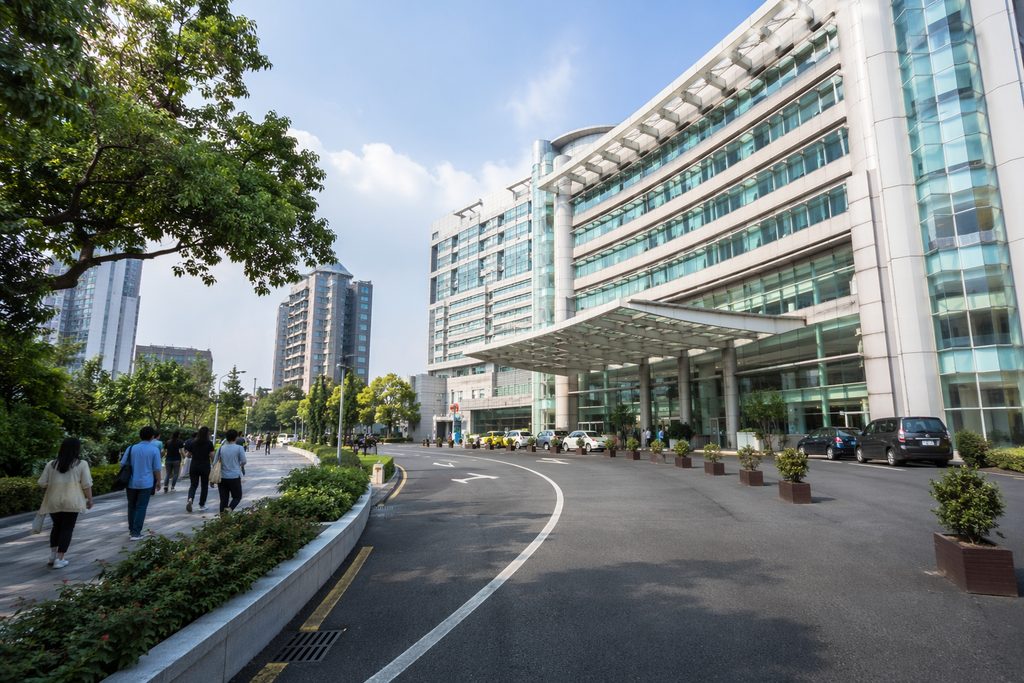
According to data compiled by China’s National Health Commission, over 300,000 international patients sought medical treatment in Chinese hospitals in 2023. A growing share of those patients traveled specifically for urological procedures — prostate surgery, kidney stone removal, and complex oncological care. The First Affiliated Hospital of Guangzhou Medical University sits in the middle of this trend. Patients from the Middle East, Southeast Asia, Europe, and North America increasingly ask us the same question: what does urology treatment cost Guangzhou Medical University actually involve, and is it the right choice for a foreigner?
This article answers that directly. We cover the hospital’s urology department, realistic costs, safety data, and the step-by-step process for booking treatment as an international patient. No vague promises. Just the facts you need to make a decision.
Key Takeaways
- The First Affiliated Hospital of Guangzhou Medical University is a top-tier public hospital in Guangzhou, one of 10 cities in China hosting hospitals on the Fudan University national ranking list.
- Urology treatment costs in Guangzhou typically run 60–85% lower than comparable procedures in the United States or Western Europe, with prostate surgery often ranging from $8,000–15,000 depending on technique and complexity.
- Public hospitals in China require in-person outpatient consultation before surgery can be scheduled — international patients cannot book a surgical date remotely without going through the hospital’s international department or VIP channel.
- Language barriers, payment logistics, and post-operative follow-up are the three biggest practical challenges for foreign patients; planning for them in advance is not optional.
The Problem: Urology Care in Western Systems Is Expensive and Slow
A 2023 report from the American Hospital Association found that the average cost of a radical prostatectomy in the United States exceeds $40,000 before insurance adjustments. In the United Kingdom, NHS waiting times for urology consultations reached a median of 14 weeks in 2024, with surgical waitlists stretching beyond 18 weeks for non-urgent cases in some regions. Canadian patients face similar pressure: the Fraser Institute reported a median wait of 27.8 weeks between specialist referral and urological treatment in 2023.
For patients without comprehensive insurance — or those facing high deductibles — these numbers are not abstract. They mean delayed treatment, prolonged pain, and in some cases, disease progression while waiting. A patient with recurrent kidney stones in Toronto might wait four months for lithotripsy. The same procedure can often be scheduled within two weeks in Guangzhou.
And the cost gap is structural, not promotional. Chinese public hospitals operate at enormous scale. Labor costs are lower. Equipment is purchased at national procurement prices. None of that erases the need for careful vetting — but it does explain why so many international patients now look to China for urological care.
Why the First Affiliated Hospital of Guangzhou Medical University Delivers Results
Clinical Volume Drives Surgical Proficiency
The First Affiliated Hospital of Guangzhou Medical University — often abbreviated as the First Affiliated Hospital of GMU — is a Grade 3A public hospital, the highest classification in China’s hospital tier system. Its urology department handles a high daily volume of procedures, including transurethral resection of the prostate (TURP), holmium laser enucleation (HoLEP), percutaneous nephrolithotomy (PCNL), and laparoscopic radical prostatectomy.
Volume matters in urology. Studies published in European Urology and The Journal of Urology have repeatedly shown that surgeons performing more than 100 radical prostatectomies annually achieve significantly lower complication rates and better functional outcomes than lower-volume peers. Chinese top-tier urology departments routinely exceed this threshold. A senior urologist at a major Guangzhou hospital may perform 300–500 procedures per year — a caseload that would be exceptional in most Western centers.
Technology Without the Waitlist
The hospital’s urology department operates robotic surgical platforms — including the da Vinci Xi system — alongside advanced endoscopic and laser equipment. Robotic-assisted laparoscopic prostatectomy offers shorter hospital stays and reduced blood loss compared to open surgery. In the United States, access to robotic prostatectomy often depends on insurance network and geographic location. In Guangzhou, the technology is available at a fraction of the cost, and scheduling moves at the pace of hospital capacity rather than insurance pre-authorization.
But there is a caveat. The hospital’s main public outpatient clinics are crowded. Patients without Chinese language skills will struggle to navigate registration, payment, and test scheduling alone. This is where the international department — or a bilingual medical companion — changes the experience entirely. More on that below.
Cost Advantage Without Quality Compromise
Is prostate surgery safe in China? The honest answer: at top-ranked public hospitals, yes — with outcomes comparable to international benchmarks. A 2022 study published in BJU International examining robotic prostatectomy outcomes across multiple Chinese centers reported complication rates and oncological control in line with data from high-volume American and European institutions. The difference is cost.
Here is a realistic comparison based on our coordination experience and publicly available hospital pricing data:
| Procedure | China (Guangzhou, public hospital) | United States (average) | United Kingdom (private) |
|---|---|---|---|
| Radical prostatectomy (robotic) | $12,000 – $18,000 | $40,000 – $70,000 | $25,000 – $45,000 |
| TURP (benign prostate enlargement) | $5,000 – $8,000 | $15,000 – $30,000 | $10,000 – $18,000 |
| Kidney stone removal (PCNL) | $4,000 – $7,000 | $20,000 – $35,000 | $12,000 – $20,000 |
| Ureteroscopy with laser lithotripsy | $3,000 – $5,000 | $12,000 – $20,000 | $8,000 – $14,000 |
Prices vary by hospital and case complexity. These are reference ranges, not quotes. The structural reasons for the gap: lower physician and nursing labor costs, nationalized procurement of surgical consumables, and hospital efficiency at scale. Quality at top-ranked Chinese hospitals is not a discount product — the hospitals simply operate under different economic conditions.
How to Book Urology Surgery at First Affiliated Hospital Guangzhou
This is the section most readers search for. The process is not like booking a private clinic in Bangkok or Istanbul. Chinese public hospitals follow a specific sequence, and understanding it before you travel will save you weeks of frustration.
Step 1: Remote evaluation. You send your existing medical records — MRI, CT, PSA levels, biopsy reports, prior surgical notes — to the hospital’s international department or to a coordination service. A urologist reviews the materials and provides a written second opinion. This typically costs $300–500 and takes 5–10 business days. It confirms whether your case is suitable for treatment in Guangzhou and what procedure is recommended.
Step 2: Video consultation. After the written review, you speak directly with the urology team. This is your chance to ask about surgical approach, expected hospital stay, recovery timeline, and risks. Video consultations with top specialists at this hospital typically run $500–800.
Step 3: In-person outpatient visit. This is non-negotiable. Chinese public hospitals require an in-person consultation before any surgery can be scheduled. You will need to travel to Guangzhou, register at the hospital, and meet the surgeon. The surgeon will confirm the diagnosis and issue the surgical admission order.
Step 4: Admission and surgery. Once the admission order is issued, the hospital schedules your procedure. For non-emergency urological surgery, this usually happens within 1–3 weeks of the outpatient visit — sometimes sooner, depending on bed availability and surgeon schedule.
Step 5: Post-operative recovery. Hospital stays for robotic prostatectomy typically run 3–5 days. For TURP, 2–4 days. For PCNL, 3–6 days. After discharge, most international patients stay in Guangzhou for another 1–2 weeks before flying home.
An international patient urology package China option exists through the hospital’s VIP international department. This bundles the outpatient visit, admission coordination, English-speaking nursing support, and a private room. Expect to pay 1.5–2 times the standard public ward rate for this channel. It is the most practical route for foreigners who do not speak Mandarin.
Kidney Stone Removal Cost Abroad Guangzhou: A Closer Look
Kidney stones are one of the most common reasons international patients contact us about Guangzhou. The math is simple. In the United States, a single ureteroscopy with laser lithotripsy can cost $12,000–$20,000 without insurance. In Australia, private patients pay A$8,000–15,000. In Guangzhou, the same procedure at a top public hospital typically runs $3,000–$5,000 — including hospital stay, anesthesia, and surgeon fees.
PCNL, used for larger or more complex stones, costs $4,000–$7,000 in Guangzhou versus $20,000–$35,000 in the US. Even after adding international flights and accommodation, many patients save $10,000 or more. That is why kidney stone treatment is one of the most financially compelling categories for medical travel to China.
One caution: kidney stone surgery in China is not a walk-in service. You still need the remote evaluation and in-person outpatient visit. But the timeline is compressed. A patient who sends records in week one, books a video consultation in week two, and flies to Guangzhou in week three can often be in surgery by week four.
Practical Considerations: Documentation, Visa, Payment, and Follow-Up
These are the details that determine whether your trip goes smoothly or becomes a logistical headache.
Medical records. Bring everything. Original imaging on CD or USB, written reports, pathology slides if relevant, and a summary of prior treatments. The hospital will create a medical file for you. Incomplete records delay the surgical decision.
Visa. Foreigners traveling to China for medical treatment apply for an S2 visa, which covers short-term private affairs including medical care. Accompanying family members also apply for S2. The hospital will provide an invitation letter and treatment confirmation documents to support your application. Processing times vary by embassy, so apply at least 4–6 weeks before your planned travel. The M visa is for commercial and trade activities — it is not appropriate for medical travel.
Payment. Chinese public hospitals require prepayment. You deposit funds at admission, and the hospital deducts charges as they accrue. International credit cards are not always accepted at public hospital counters. Bring a UnionPay card, arrange a wire transfer, or use a coordination service that handles payment logistics. Insurance is typically reimbursement-based — you pay upfront and claim from your insurer after returning home.
Language. The hospital’s international department has English-speaking staff, but the main public wards and clinics operate in Mandarin. A bilingual medical companion — from $300 per day — handles registration, queue management, payment, translation, and navigation. For a 5-day hospital stay plus outpatient visits, budget $1,500–2,500 for companion services.
Follow-up after returning home. Your surgeon will provide a discharge summary in English. You will need to arrange follow-up with a urologist in your home country for catheter removal (if applicable), PSA monitoring after prostate surgery, and imaging. The Guangzhou team can provide remote follow-up consultations if questions arise.
Frequently Asked Questions
It is among the strongest urology departments in southern China, but “best” depends on your specific condition. The Fudan University hospital rankings place several Guangzhou hospitals among China’s top-tier institutions, and this hospital’s urology department is well-regarded for both minimally invasive stone surgery and oncological urology. For complex or rare conditions, we recommend comparing 2–3 hospitals before committing. Our urology department rankings page provides a broader comparison.
The quoted surgical fee typically covers the procedure, anesthesia, standard hospital room, nursing care, and basic medications. It does not include international flights, accommodation outside the hospital, visa fees, or companion services. Premium items — private rooms, robotic surgery upgrades, imported consumables — add to the total. Always request an itemized cost estimate before traveling.
At top-ranked public hospitals like the First Affiliated Hospital of GMU, safety outcomes are comparable to international benchmarks. Complication rates for robotic prostatectomy in high-volume Chinese centers align with data from American and European institutions. The key variable is hospital selection. A Grade 3A hospital with a dedicated international department is a fundamentally different experience from an unranked local hospital.
No. The remote evaluation and video consultation can be completed from your home country, but the hospital requires an in-person outpatient visit before issuing a surgical admission order. This is standard policy across Chinese public hospitals. The only way to streamline this is through the hospital’s VIP international channel, which still requires your physical presence for the pre-surgical consultation.
Chinese public hospitals carry medical liability insurance, and the hospital’s international department will coordinate any necessary revision procedures or extended care. You should also carry comprehensive travel medical insurance that covers treatment abroad and medical evacuation. In our experience, the most common complications — minor bleeding, infection, urinary retention — are managed within the hospital stay or shortly after discharge in Guangzhou.
Your Next Step
Choosing a hospital in another country for urological surgery is a serious decision. The First Affiliated Hospital of Guangzhou Medical University offers high-volume, technology-equipped urology care at a cost that makes treatment accessible for patients priced out of Western systems. But the logistics — language, payment, scheduling — are real, and they are the reason most international patients work with a coordination partner.
China Medical Services maintains a database of 340+ top-ranked hospitals across 37 Chinese cities, including Guangzhou’s leading public institutions. We are not a hospital and do not provide medical advice or diagnoses. We connect you with the right department, coordinate your records and appointments, and provide bilingual support on the ground. If you are considering urological treatment in Guangzhou, start with a free consultation to discuss your case and options.
For more medical information and treatment options in China, visit chinamedservices.com (China Medical Services).
