Harbin Medical University Cancer Hospital: Breast Surgery Options, Costs, and How to Navigate Care as an International Patient
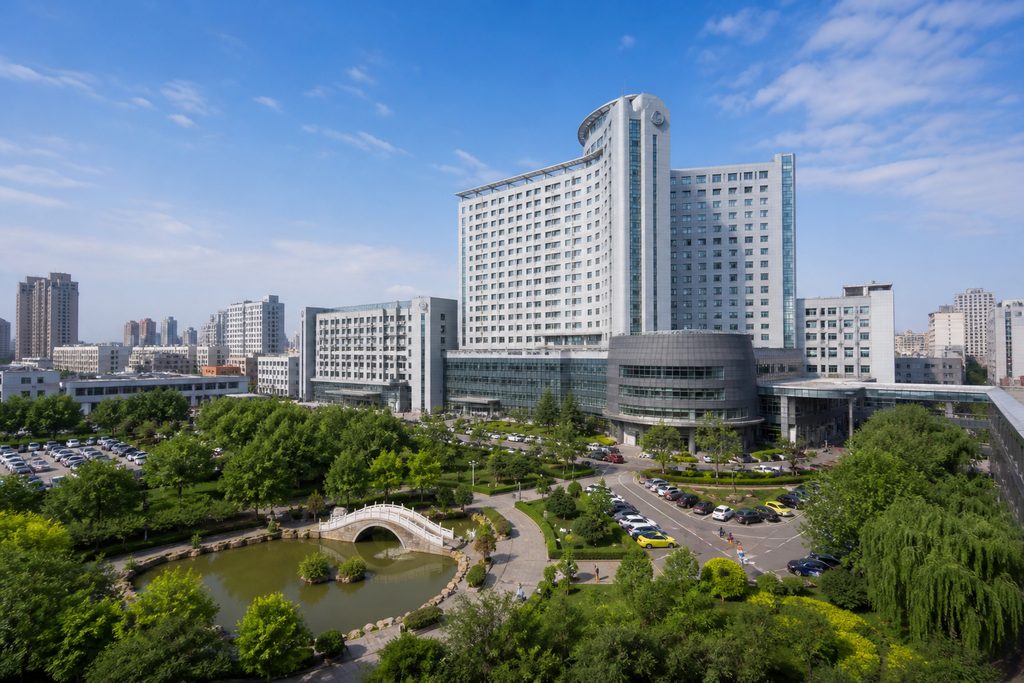
While an uninsured American woman faces a mastectomy bill that can exceed $15,000 even with basic coverage, and a British patient may wait 31 days for a first breast cancer consultation under NHS targets, Harbin Medical University Cancer Hospital performs breast oncology procedures at a fraction of that cost with substantially shorter scheduling windows. The breast cancer surgery cost Harbin Medical University Cancer Hospital typically ranges from $4,000 to $9,000 for a standard mastectomy, depending on the procedure’s complexity and the patient’s specific clinical needs. For patients navigating a frightening diagnosis, that contrast is not just compelling—it is actionable.
Key Takeaways
- Harbin Medical University Cancer Hospital is one of China’s most established oncology centers, with a dedicated breast surgery department handling high surgical volumes annually.
- Breast cancer surgery costs at this hospital are typically one-fifth to one-third of comparable procedures in the United States or Western Europe.
- International patients cannot simply book surgery online—a formal referral, translated medical records, and an in-person or remote consultation are mandatory steps.
- Language barriers and unfamiliar hospital workflows are the biggest practical hurdles; planning ahead for interpretation support is essential.
The Problem: Breast Cancer Care Costs Are Crushing Patients in the West
A 2023 study published in the Journal of Clinical Oncology found that 47% of American breast cancer patients report significant financial toxicity within one year of diagnosis. That means nearly half of all patients face serious financial strain—skipping medications, draining savings, or taking on debt—while fighting for their lives. The average out-of-pocket cost for a mastectomy in the US, even for insured patients, runs between $3,000 and $10,000 depending on the plan. Uninsured patients face bills of $15,000 to $55,000.
In Canada, the wait time from referral to first surgical consultation for breast cancer averages 3 to 5 weeks, and from diagnosis to surgery can stretch to 8 weeks or more in some provinces. In the UK, NHS targets aim for a 31-day diagnosis-to-treatment window, but a 2024 Royal College of Surgeons report showed that only 62% of breast cancer patients actually received surgery within that timeframe. When you are dealing with a disease where early intervention directly correlates with survival, those delays feel unbearable.
So patients start searching. They look for alternatives. And increasingly, they look to China.
Why Harbin Medical University Cancer Hospital Delivers Real Value for Breast Surgery
Harbin Medical University Cancer Hospital—often referred to as Harbin Tumor Hospital—is not a general hospital with an oncology wing. It is a dedicated cancer center, one of the largest in northeastern China, with a history spanning more than four decades. Its breast surgery department handles thousands of procedures annually, and its specialists routinely present at international oncology conferences. For patients asking “is Harbin Medical University Cancer Hospital good for breast surgery,” the answer rests on three pillars: volume, specialization, and cost structure.
Clinical Volume and Specialized Focus
Surgeons who perform breast procedures every day develop a level of technical fluency that part-time general surgeons cannot match. Harbin Medical University Cancer Hospital’s breast surgery team operates exclusively on breast oncology cases. A senior surgeon here may complete 300 to 500 breast cancer procedures per year. Compare that to a typical general surgeon in a Western community hospital, who might perform 30 to 50 breast cancer surgeries annually. Volume matters. Studies consistently show that higher surgical volume correlates with lower complication rates and better long-term outcomes in breast oncology.
The hospital also maintains a full multidisciplinary team—medical oncologists, radiation oncologists, pathologists, and reconstructive surgeons—all under one roof. That means a patient’s tumor board review can happen within days, not weeks.
Technology and Diagnostic Speed
Harbin Medical University Cancer Hospital operates advanced imaging infrastructure, including 3T MRI, digital mammography with tomosynthesis, and PET-CT. But the real efficiency advantage lies in workflow. A patient arriving with complete medical records can typically complete a full diagnostic workup—imaging, biopsy confirmation, and surgical planning—within 3 to 5 business days. In many Western systems, that same sequence takes 2 to 4 weeks simply due to scheduling backlogs.
Cost Advantage Without Quality Compromise
The breast cancer surgery cost Harbin Medical University Cancer Hospital offers reflects structural differences in China’s healthcare economy, not a compromise in clinical standards. A standard total mastectomy at this hospital typically costs between $4,000 and $7,000. A modified radical mastectomy with lymph node dissection runs $5,000 to $9,000. Breast-conserving surgery (lumpectomy) with sentinel node biopsy falls in the $3,500 to $6,000 range. These figures include the surgeon’s fee, operating room time, anesthesia, and standard hospital stay of 3 to 7 days.
For comparison, the same procedures in the US cost $15,000 to $55,000 for uninsured patients, and $8,000 to $20,000 in Western Europe for private payers. The price difference stems from lower labor costs, efficient hospital operations, and a healthcare system that does not carry the same administrative overhead as American insurers.
How International Patients Actually Book Breast Cancer Surgery in Harbin
This is where most online guides fall short. They describe the hospital’s excellence but skip the mechanics of getting there. Here is the real process.
First, you cannot simply email the hospital and book a surgery date. Chinese public hospitals, including Harbin Medical University Cancer Hospital, require a formal medical evaluation before any surgical scheduling. For international patients, the standard pathway includes:
Step 1: Remote consultation or written second opinion. You send your existing medical records—pathology reports, imaging, treatment history—to the hospital’s international department or through a coordination service. A breast surgeon reviews your case and provides a written assessment of whether surgery in Harbin is appropriate for your situation. This step costs between $300 and $500 for a written second opinion, or $500 to $800 for a video consultation with a senior specialist.
Step 2: Visa application. Medical treatment in China requires an S2 visa, which is issued for short-term private affairs including medical treatment. Your supporting documents must include a formal invitation letter or treatment confirmation from the hospital. The S2 visa typically allows stays of up to 180 days. Family members accompanying you apply for the same S2 category.
Step 3: In-person consultation. You travel to Harbin and meet the surgical team face-to-face. The hospital conducts its own diagnostic confirmation—usually repeat imaging and possibly a repeat biopsy if your original tissue samples are not available. This step is non-negotiable. Chinese law and hospital policy require in-person evaluation before surgery.
Step 4: Surgery and recovery. Once the surgical plan is confirmed, scheduling typically happens within 1 to 2 weeks. A standard mastectomy requires a hospital stay of 3 to 7 days. Full recovery takes 4 to 6 weeks, but most international patients can fly home 10 to 14 days after surgery if there are no complications.
What the Cost Numbers Actually Mean for a Medical Tourism Package
When patients search for “breast surgery medical tourism package China price,” they often expect an all-inclusive figure. The reality is more nuanced. The surgical fee is only one component. A realistic budget for an international patient undergoing a mastectomy at Harbin Medical University Cancer Hospital looks like this:
| Cost Component | Estimated Range (USD) |
|---|---|
| Surgical procedure (mastectomy, standard) | $4,000 – $7,000 |
| Pre-operative diagnostics (imaging, labs, biopsy confirmation) | $500 – $1,500 |
| Hospital stay (3–7 days, standard room) | $300 – $1,200 |
| Post-operative pathology and follow-up imaging | $300 – $800 |
| Visa fees and documentation | $150 – $400 |
| Round-trip airfare (varies by origin) | $800 – $2,500 |
| Local accommodation for companion (2–3 weeks) | $600 – $1,800 |
| Interpretation and coordination support | $300 – $1,200 |
Total realistic budget: $7,000 to $16,000, depending on procedure complexity, accommodation choices, and whether you use professional coordination support. That is still dramatically lower than the $20,000 to $60,000 a private-pay patient would face in the US for equivalent care.
Is Harbin Medical University Cancer Hospital the Right Choice for You?
Not every breast cancer patient should travel to Harbin. This hospital excels for patients who need standard surgical intervention—mastectomy, lumpectomy, axillary lymph node dissection—and who have already received a confirmed diagnosis with clear pathology reports. If your case is straightforward and your primary concern is cost and scheduling speed, this hospital is a strong candidate.
But there are limitations. Harbin Medical University Cancer Hospital is not the right fit for patients seeking experimental therapies, complex reconstructive microsurgery requiring multiple staged procedures, or those whose cases demand coordination with multiple international specialists. The hospital’s international patient infrastructure is also less developed than facilities in Beijing or Shanghai. You will face more language barriers in Harbin than you would at a private international hospital in a first-tier city.
That said, for patients asking “how much does a mastectomy cost in China” and willing to navigate the system with proper support, Harbin offers one of the most compelling cost-to-quality ratios in the country.
Practical Considerations: Documentation, Payment, and Follow-Up After Returning Home
International patients must bring complete, translated medical records. The hospital requires pathology slides or tissue blocks if available, all imaging on CD or film, and a detailed treatment summary from your home oncologist. All documents must be translated into Chinese by a certified translator. Without complete records, the hospital will need to repeat diagnostics, adding time and cost.
Payment is straightforward but inflexible. Chinese public hospitals require prepayment for surgical procedures. You will deposit the estimated surgical cost before admission, and the hospital settles the final bill upon discharge. Credit cards are accepted at the international service desk, but many smaller payment points within the hospital are cash-only. Bring a companion who can handle payments, or arrange professional coordination support.
Insurance reimbursement depends entirely on your home policy. Some international insurers will reimburse treatment at Chinese public hospitals if the hospital is accredited and you obtain pre-authorization. Harbin Medical University Cancer Hospital is not JCI-accredited, which may complicate reimbursement for some US-based policies. Check with your insurer before committing.
Follow-up after returning home is the most overlooked challenge. Your home oncologist will need complete surgical reports, pathology results, and treatment recommendations—all in English. The hospital can provide translated discharge summaries, but you must request them before leaving. Plan for a virtual follow-up consultation 4 to 6 weeks after surgery to review recovery progress and next steps.
Important: Never travel for surgery without a confirmed written treatment plan from the hospital. Showing up in Harbin with a diagnosis but no prior contact will not work. Chinese public hospitals do not accept walk-in international surgical patients.
Frequently Asked Questions
No single hospital is “best” for every patient. Harbin Medical University Cancer Hospital ranks among China’s leading oncology centers, but the right choice depends on your specific diagnosis, stage, and surgical needs. A written second opinion from the hospital’s breast surgery team is the most reliable way to determine whether their capabilities match your case. You can also review our oncology department rankings to compare options across China’s top cancer centers.
No. Chinese law requires in-person evaluation before surgery at public hospitals. You can complete the initial consultation remotely—through a video consultation or written second opinion—but you must travel to Harbin for the pre-operative evaluation and surgical procedure. There is no way around this requirement.
Your home oncologist assumes responsibility for post-surgical care once you leave China. The hospital provides complete surgical records and a recommended follow-up protocol, but ongoing management happens in your home country. You should establish a relationship with a local oncologist before traveling to China, so there is no gap in care after your return.
Yes. The cost difference is structural, not a reflection of quality. Chinese public hospitals operate with lower administrative overhead, lower labor costs, and higher patient volumes. A standard mastectomy that costs $4,000 to $7,000 in Harbin would cost $15,000 to $55,000 in the United States for a private-pay patient. The clinical standards are comparable; the economics are not.
You need an S2 visa, which is the short-term visa category used for private affairs including medical treatment. The M visa is for commercial and trade activities only and is not appropriate for medical travel. Your S2 visa application requires supporting documentation from the hospital, including a treatment confirmation letter. Processing typically takes 1 to 3 weeks depending on your home country’s Chinese embassy or consulate.
Your Next Step
The decision to pursue breast cancer surgery abroad is never easy. But for patients facing unmanageable costs or unacceptable wait times at home, Harbin Medical University Cancer Hospital offers a credible, high-volume alternative with transparent pricing and a dedicated oncology focus. We help international patients navigate this process—from obtaining a written second opinion to coordinating the S2 visa application and arranging bilingual support on the ground. We are not a hospital and do not provide medical advice; we are your bridge to the care you need. If you are ready to explore whether Harbin is right for your situation, request a free consultation and we will help you map out the next steps.
For more medical information and treatment options in China, visit chinamedservices.com (China Medical Services).
