Your Inpatient Companion’s Daily Duties: A Complete Hospital Care Guide
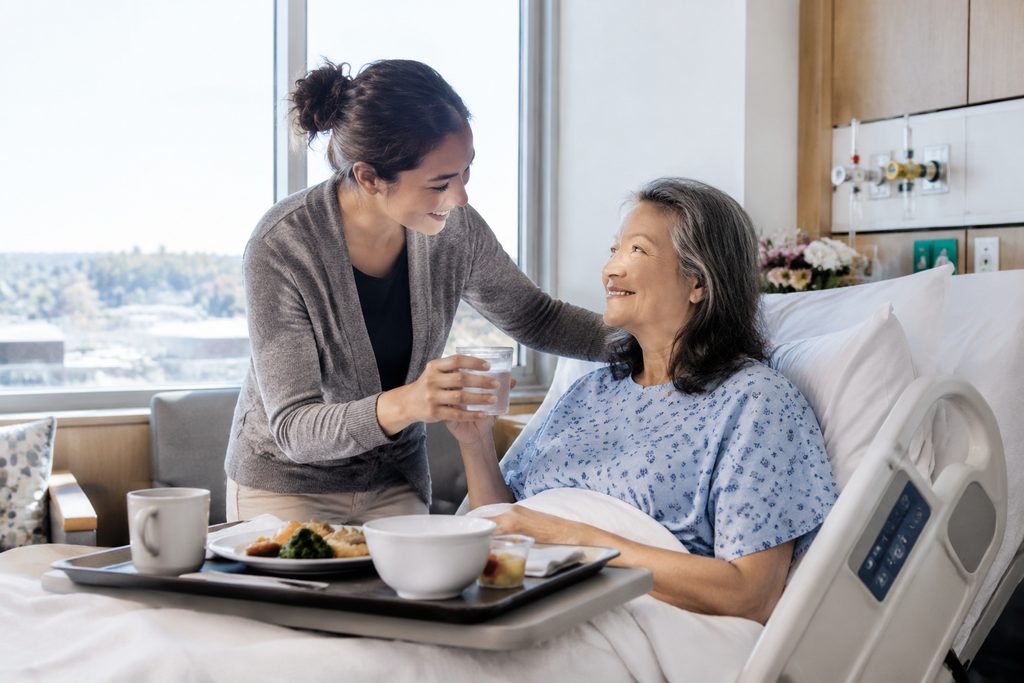
An inpatient companion is a trained professional who stays with a patient inside the hospital ward, handling non-medical care and communication. That means meals, bathroom assistance, translating with nurses, coordinating with doctors, tracking medications, and updating family members. When you search for inpatient companion service cost China, you are really asking what it costs to not be alone in a foreign hospital. The answer starts at around $300 per day for an 8-hour bilingual companion, with 24-hour care packages priced higher depending on the hospital and case complexity.
We have coordinated companions for hundreds of international patients at public and private hospitals across 37 Chinese cities. The role is not a nurse. It is not a doctor. But for a foreign patient who does not speak Mandarin, a companion is often the difference between a chaotic hospital stay and a manageable one. This guide explains exactly what a companion does from 7 a.m. to lights-out, what you should expect to pay, and how to hire someone you can actually trust.
Key Takeaways
- An inpatient companion in China costs from $300 per 8-hour day; 24-hour care typically runs $600–$900 daily depending on the city and hospital.
- A companion handles communication, meals, mobility help, and family updates — but does not replace licensed nursing staff.
- Public Chinese hospitals rarely provide bedside interpreters; even English-speaking doctors rely on nurses who may not speak English fluently.
- Vetting a companion yourself is hard from abroad. Background checks, hospital familiarity, and language ability vary widely among freelancers.
The Problem: Being a Foreign Patient in a Chinese Public Hospital
China’s top-tier public hospitals treat over 10,000 outpatients per day at major centers like Peking Union Medical College Hospital and West China Hospital. Inpatient wards are efficient but not built for foreign patients. Nurses manage 8–12 beds each on a typical shift. They administer medication, monitor vitals, and document care. They do not have time to help you order food, explain what the surgeon just said, or walk you to the bathroom after abdominal surgery.
Language is the first wall. A 2023 study published in BMC Health Services Research found that language barriers in Chinese hospitals significantly increased patient anxiety and medication errors among international patients. Even in Shanghai, where English proficiency is higher than most Chinese cities, ward nurses often speak limited English. Doctors may speak English well. But they round once or twice a day. The rest of the time, you are alone with a call button and a language gap.
Family members flying in helps. But many cannot stay for a 10-day post-surgical recovery. And that is where the search for what does a hospital companion do in Shanghai begins — usually from a hotel room at 2 a.m., jet-lagged and worried.
Why a Hospital Companion Delivers Results
A companion is not a luxury. In the context of international medical travel, it is a practical layer of support that reduces risk and speeds recovery. Here is the evidence-based case.
Communication Errors Are the Biggest Preventable Risk
Miscommunication in hospitals is expensive. The Joint Commission International (JCI) has repeatedly identified communication failure as a leading root cause of sentinel events — serious patient safety incidents. In a Chinese public ward, a foreign patient who cannot describe pain levels, allergies, or post-operative symptoms is at higher risk. A bilingual companion acts as a real-time bridge. They clarify medication instructions. They ask the nurse to repeat dosage times. They make sure the patient understands what “NPO after midnight” actually means.
Daily Logistics in a Chinese Ward Are Not Intuitive
Chinese public hospitals operate on a system that assumes local knowledge. Meal ordering often happens through a WeChat mini-program. Family members are expected to bring toiletries, towels, and sometimes even bedding. Payment for daily consumables is made at a self-service kiosk in the lobby. None of this is explained in English. A companion who knows the hospital’s specific workflow saves you from missing meals, running out of supplies, or standing in the wrong queue for 40 minutes.
Recovery Is Faster When Basic Needs Are Met
Post-surgical recovery depends on mobility, nutrition, and rest. A companion helps with all three. They assist with walking after knee replacement. They ensure meals arrive on time and are appropriate for dietary restrictions. They advocate for the patient when pain management is inadequate. A 2022 meta-analysis in the Journal of Clinical Nursing found that non-clinical patient support during hospitalization was associated with shorter length of stay and higher patient satisfaction — especially among patients with limited local language ability.
What an Inpatient Companion Actually Does: A 24-Hour Breakdown
This is the section most people searching for 24 hour caregiver for hospital patient Beijing price actually need. Not vague promises. A concrete schedule.
Morning Shift: 7:00 a.m. – 12:00 p.m.
The companion arrives before the morning nursing round. They help the patient wash up, change clothes, and use the bathroom if needed. When the doctor rounds, the companion is present to translate, take notes, and ask the questions the patient prepared the night before. After rounds, the companion orders breakfast through the hospital system or picks it up from the canteen. They confirm the day’s medication schedule with the nurse. If the patient needs imaging or tests, the companion escorts them to the correct department, handles registration, and waits.
Afternoon Shift: 12:00 p.m. – 5:00 p.m.
Lunch, medication reminders, and family updates. The companion sends a structured update to the family — usually via WhatsApp or WeChat — covering what the doctor said, what tests were done, and how the patient is feeling. They handle payment top-ups at the hospital cashier. They coordinate with the ward nurse about any changes in care. For patients on restricted mobility, they assist with repositioning and walking as recommended by the medical team.
Evening and Overnight: 5:00 p.m. – 7:00 a.m.
For 24-hour packages, the companion stays overnight on a fold-out cot. They help with dinner, evening medication, and bathroom trips. They monitor for night-time confusion, fever, or pain spikes and alert the nurse immediately. They do not sleep through alarms. The overnight companion’s core duty is vigilance — being the person who notices when something is wrong before it becomes an emergency.
Inpatient Companion Service Cost in China: Real Numbers
Sometimes. For stays longer than 7 days, many agencies offer a 10–20% discount on 24-hour care. Peak periods — Chinese New Year, October holidays — are less flexible. The price also depends on whether the companion needs to travel across Beijing to reach the hospital. Hospitals in Haidian or Chaoyang districts are easier to staff than those in outlying areas. Always confirm whether the quoted price includes the companion’s meals and transport.
This happens. Personality mismatch is real, especially during a stressful hospital stay. Reputable agencies allow you to request a replacement companion within the first 24–48 hours at no extra charge. Freelance arrangements offer no such protection. Before booking, ask the agency about their replacement policy and how quickly they can swap staff. A good agency can usually provide a replacement within the same day in major cities like Shanghai, Beijing, and Guangzhou.
In most public hospital wards, one overnight companion is permitted. They usually sleep on a fold-out cot or reclining chair provided by the hospital. Some wards charge a small nightly fee for the cot — typically 20–50 RMB. Private international hospitals may have more comfortable arrangements, but policies vary. Always confirm the ward’s overnight policy before booking a 24-hour companion. The last thing you want is to pay for overnight care and then discover the hospital will not allow the companion to stay.
It depends on your condition and language needs. Private international hospitals in China — like United Family, Jiahui, and Parkway — have English-speaking nursing staff and more Western-style care. For a routine procedure with a short stay, you may not need a companion. But for major surgery, elderly patients, or anyone traveling alone, a companion still adds value: coordinating with family abroad, handling logistics, and providing continuity when nursing shifts change. The private hospital experience in China reduces the language barrier but does not eliminate the loneliness of being in a hospital bed far from home.
Your Next Step
An inpatient companion is not a luxury for international patients in China. It is a practical safeguard against miscommunication, missed meals, and unnecessary stress. Our team at China Medical Services coordinates bilingual companions across 37 cities and 340+ top-ranked hospitals. We are not a hospital and we do not provide medical advice — we handle the logistics so you can focus on recovery. If you are planning treatment in China or already admitted, reach out for a free consultation. We will help you figure out what level of support you actually need, and what it will cost.
Frequently Asked Questions
Yes. The hospitals used for international patients are JCI-accredited and follow the same international safety standards as top hospitals in the US and Europe. Surgical teams perform high volumes of procedures — often more than their Western counterparts — which studies show leads to better outcomes.
Costs vary by procedure and hospital, but international patients typically save 40-80% compared to US prices — even when factoring in travel and accommodation. A consultation with our team will give you an exact, all-inclusive quote with no hidden fees.
Send us your existing medical reports to get started. We handle everything from hospital selection and appointment scheduling to visa assistance and post-operative recovery planning. Your medical records are reviewed by the specialist before you even book a flight.
For more medical information and treatment options in China, visit chinamedservices.com (China Medical Services).
