IVF Cycles Needed: Real Data on Costs and Success in China
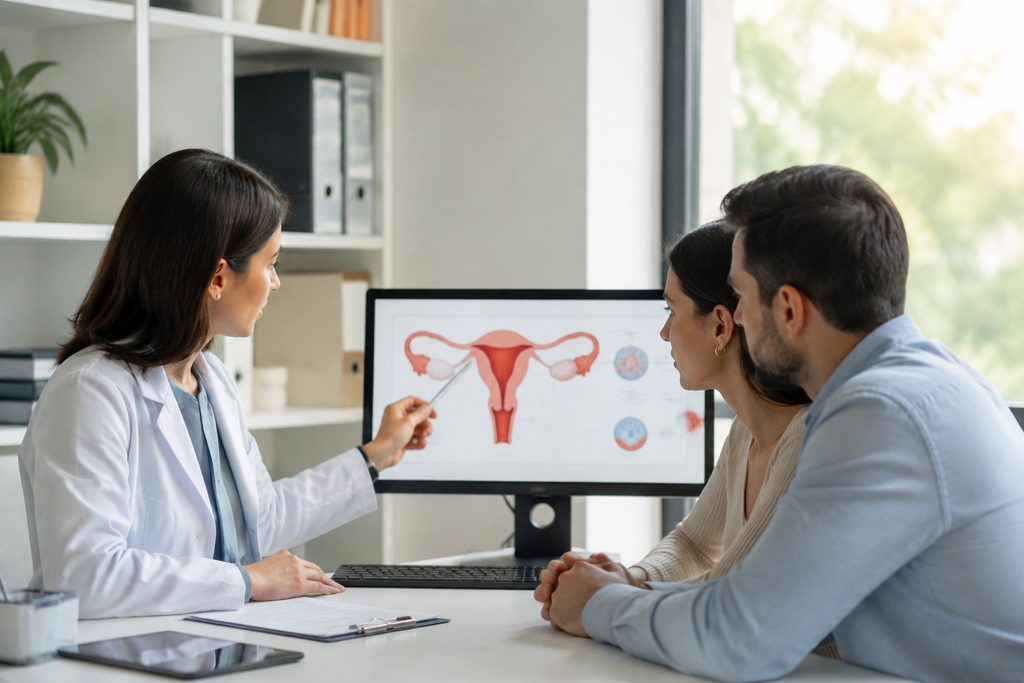
When 34-year-old Amira from London sat in her kitchen, scrolling through yet another forum about failed IVF attempts, she wasn’t looking for false hope. She wanted a number. A realistic one. How many cycles would it take before she could hold her child? Her clinic had been vague. The statistics felt abstract. And the price tag for a third round in the UK made her stomach drop.
If you are asking the same question, you are not looking for a brochure. You want the data behind the decision. This article breaks down what the research actually says about the average number of cycles needed, how age changes that number, and where the ivf cost China fits into a long-term family-building budget.
How This Actually Works, Step by Step
Before you can calculate how many cycles you need, you have to understand what a cycle actually involves. It is not just the egg retrieval day. It is a six-to-eight-week process that starts before the injections.
Here is the sequence most patients follow when pursuing treatment abroad.
Step 1: You send your medical records. This includes your AMH level, antral follicle count, semen analysis, and any previous IVF cycle summaries. Our team translates these documents and submits them to the reproductive medicine department at a top-tier hospital.
Step 2: A specialist reviews your file. A fertility doctor at the hospital assesses your ovarian reserve, age, and previous response to stimulation. They provide a written opinion on whether IVF is appropriate and what protocol they would likely use.
Step 3: You have a video consultation. You speak directly with the medical team. You explain your history. They explain their approach. You ask the hard questions about success rates and costs.
Step 4: You decide on a plan. If you proceed, we coordinate your S2 visa documents, your accommodation, and your first in-person consultation at the hospital.
Step 5: Treatment begins. This is where the cycle actually starts. Blood tests, stimulation medication, monitoring scans, egg retrieval, fertilization, embryo culture, and transfer.
That is one cycle. The question is how many times you repeat it.
Average IVF Cycles Needed: What the Data Shows
Yes. Top reproductive centers in Shanghai, Beijing, and Guangzhou report live birth rates comparable to leading US and European clinics. The ivf success rates by age China hospitals publish are audited and reported to national registries. For women under 35, expect live birth rates around 50% per fresh cycle at the best centers.
You need approximately three to four weeks in China for a fresh cycle. This covers baseline testing, stimulation (10-14 days), egg retrieval, and embryo transfer. If you freeze all embryos and return later for a transfer, the first visit can be shorter—around two to three weeks.
China has strict regulations on gamete donation. Egg donation is permitted only under specific circumstances, and donor eggs are generally available only to Chinese citizens through official egg banks. International patients should not assume donor egg access. If you require donor eggs, discuss this with the hospital’s international department before traveling.
You pay for the medical services you receive. If a cycle is cancelled early due to poor response, you pay for the medication and monitoring up to that point, but not for retrieval or transfer. A full repeat cycle requires payment for that cycle’s services. Some hospitals offer package pricing for multiple cycles, but this is not standard. Ask about cancellation policies before you commit.
Your Next Step
The number of IVF cycles you need is not something anyone can predict with certainty. But you can plan for it with better data and a clearer understanding of what each cycle costs—financially, physically, and emotionally.
Our team at China Medical Services helps international patients connect with reproductive medicine departments at top Chinese hospitals. We handle document translation, hospital coordination, and bilingual accompaniment. We do not promise success rates or guarantee outcomes. We make the process navigable so you can focus on the decision that matters.
If you want to know what a specific hospital would recommend for your case, send us your records. We will get you a written opinion from a specialist. That is the first step—and it costs less than you think.
Frequently Asked Questions
Yes. The hospitals used for international patients are JCI-accredited and follow the same international safety standards as top hospitals in the US and Europe. Surgical teams perform high volumes of procedures — often more than their Western counterparts — which studies show leads to better outcomes.
Costs vary by procedure and hospital, but international patients typically save 40-80% compared to US prices — even when factoring in travel and accommodation. A consultation with our team will give you an exact, all-inclusive quote with no hidden fees.
Send us your existing medical reports to get started. We handle everything from hospital selection and appointment scheduling to visa assistance and post-operative recovery planning. Your medical records are reviewed by the specialist before you even book a flight.
For more medical information and treatment options in China, visit chinamedservices.com (China Medical Services).
