First Affiliated Hospital of Kunming Medical University Oncology for International Patients: Costs, Process, and What to Expect
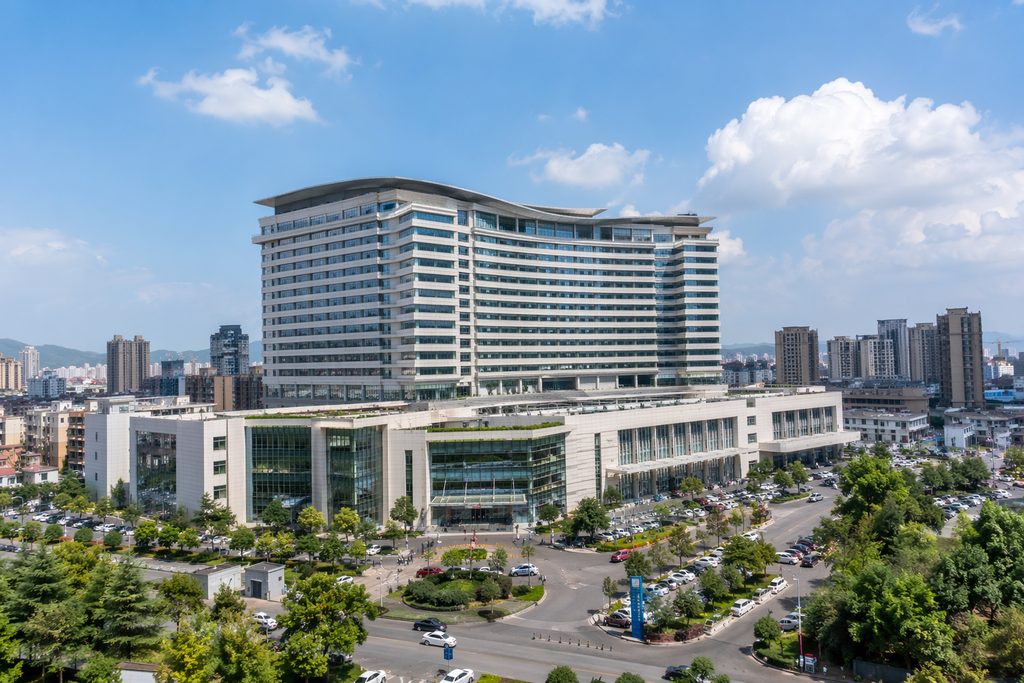
You have probably heard that getting cancer treatment abroad means choosing between world-class quality and a price you can actually afford. That binary is outdated. The oncology treatment cost China for international patients at institutions like the First Affiliated Hospital of Kunming Medical University routinely runs 60–80% below comparable care in the United States or Western Europe — without the multi-week delays that have become common in many Western systems. But cost is only one variable. Safety protocols, pathology review, and language logistics matter just as much. This article breaks down what that hospital offers, what it charges, and how a foreign patient actually navigates the process.
First Affiliated Hospital of Kunming Medical University Oncology for International Patients: The Short Answer
The First Affiliated Hospital of Kunming Medical University is a Grade-A tertiary hospital in Yunnan province with a substantial oncology department. It handles solid tumor chemotherapy, immunotherapy, targeted therapy, and surgical oncology across thoracic, gastrointestinal, breast, and hepatobiliary cancers. For international patients, the hospital provides treatment through its international outpatient and VIP wards, where English-speaking coordination is available. The oncology treatment cost China for international patients here typically ranges from $8,000 to $35,000 for a full course of standard chemotherapy or a major resection, depending on drug regimen and length of stay. That compares to $100,000–$300,000 for equivalent protocols in the U.S.
The caveat: this is not a plug-and-play experience. You cannot simply email the hospital and book a surgery date. Public hospital rules require an in-person consultation before admission. That means your first trip is for evaluation, not treatment. A bilingual coordinator changes that equation considerably.
Who This Is Right For — and Who It Isn’t
International patients who benefit most from oncology care at this hospital fall into clear categories.
Good candidates:
- Patients with a confirmed diagnosis and complete pathology reports, imaging, and treatment history already in hand
- Those seeking second opinions on chemotherapy regimens or surgical resectability
- Patients with stable disease who can travel and wait 1–2 weeks for the evaluation-to-treatment transition
- Families from Southeast Asia, the Middle East, or South Asia for whom Kunming is geographically closer than Beijing or Shanghai
- Patients who need high-quality care but cannot absorb Western private-pay prices
Who should not pursue this:
- Patients in active medical crisis requiring immediate ICU-level intervention
- Those whose tumors require ultra-specialized CAR-T or proton therapy protocols not offered at this specific hospital
- Anyone unwilling to spend 7–10 days in Kunming for initial evaluation before a treatment plan is finalized
- Patients whose insurance requires treatment within their home country and will not reimburse overseas care
Being honest here: if you need a hospital with a dedicated international oncology wing comparable to Beijing or Shanghai, you may be better served looking at China’s top-ranked hospitals by city. Kunming offers solid care at lower cost, but it is not the most famous oncology destination in the country.
The Options, Compared
What does “getting cancer treatment in China” actually mean for you? Three distinct service levels exist, and the price differences are substantial.
| Option | Typical Cost for 6-Cycle Chemotherapy | English Support | Time from First Contact to Treatment Start | Best For |
|---|---|---|---|---|
| Public outpatient pathway (self-managed) | $6,000–$15,000 | Minimal; bring your own interpreter | 3–6 weeks | Budget-first patients with local contacts |
| Hospital international/VIP department | $15,000–$35,000 | Dedicated English-speaking staff | 1–3 weeks | Most international patients |
| Coordinated care with bilingual companion | $18,000–$40,000 (includes coordination fees) | Full-time interpreter and logistics support | 1–2 weeks | First-time visitors, complex cases |
The public pathway is cheapest but realistically impossible for a non-Chinese speaker to manage alone. Registration queues, payment counters, lab slips, and doctor instructions are all in Chinese. The international department solves the language problem but charges roughly 1.5–2x public rates. A coordinated approach with a bilingual medical companion costs slightly more than the VIP route but removes the administrative burden entirely.
Is Cancer Treatment Safe in China? What the Data Actually Shows
The question behind the question is trust. Is cancer treatment safe in China? The short answer is yes — at accredited Grade-A tertiary hospitals with established oncology departments. The First Affiliated Hospital of Kunming Medical University performs thousands of chemotherapy infusions and oncology surgeries annually. Its pathology lab follows standardized protocols aligned with Chinese Society of Clinical Oncology (CSCO) guidelines, which mirror NCCN and ESMO frameworks for most solid tumors.
But safety is not uniform across all Chinese hospitals. The gap between a top-tier teaching hospital and a small county facility is enormous. That is why international patients should restrict their search to hospitals listed in the Fudan University hospital rankings or those with JCI accreditation. The hospital in question appears in regional rankings for Yunnan province and maintains active clinical trial participation in oncology.
Three practical safety measures you should insist on:
- Independent pathology review of your biopsy slides before any treatment begins
- A written treatment protocol you can have reviewed by an oncologist in your home country
- Clear documentation of drug names, dosages, and infusion schedules at every cycle
How to Book Oncology Treatment at Kunming Medical University: The Real Process
How to book oncology treatment at Kunming Medical University is the question every serious patient eventually asks. Here is the unvarnished sequence.
You cannot call the hospital’s general line and book a bed. The public system operates on same-day registration and in-person consultation. For international patients, the hospital’s international medical services department is the correct entry point. They accept inquiries by email or through a referring coordinator. You will need:
- Passport copy
- Complete medical records, translated into Chinese or English
- Pathology reports and original slides if possible
- Imaging on CD or DICOM files (CT, MRI, PET-CT)
- List of all current medications
The typical flow: submit records → remote review by an oncologist (7–10 days) → travel to Kunming for in-person consultation → additional tests if needed → treatment plan approval → admission or outpatient chemotherapy scheduling. Expect 10–14 days on the ground for the first visit if you also begin treatment. Some patients complete the evaluation and return home, then come back for the actual treatment block.
What It Costs: A Realistic Breakdown
The First Affiliated Hospital of Kunming Medical University international patient price structure depends on which department you enter through. Public outpatient rates are the baseline. International department and VIP ward rates run higher because they bundle English nursing, private rooms, and expedited scheduling.
Here is what you are actually paying for, with realistic ranges:
- Initial specialist consultation: $30–$80 public, $100–$250 international department
- Full diagnostic workup (CT, MRI, blood panels, pathology review): $800–$2,500
- Chemotherapy per cycle (drug-dependent): $800–$4,000
- Major cancer surgery (e.g., gastrectomy, lobectomy, colectomy): $8,000–$20,000
- Private room per night: $80–$200
- Bilingual companion services: from $300 per day
Drug costs drive most of the variance. Imported targeted therapies and immunotherapies cost more than domestic generics. Some newer checkpoint inhibitors are actually cheaper in China than in the U.S. because of national volume-based procurement negotiations. Always ask for both imported and domestic drug options and their prices before committing to a regimen.
Not included: international flights, visa fees, accommodation outside the hospital, meals for family members, and post-treatment rehabilitation. Budget an additional $3,000–$6,000 for a 3-week stay beyond medical charges.
Practical Considerations: Visa, Payment, and Follow-Up
Medical travel to China requires an S2 visa, which covers short-term private affairs including medical treatment. Your accompanying family member applies for the same category. The hospital must provide an official invitation letter and treatment confirmation document for the visa application. Processing typically takes 1–3 weeks depending on your home country’s Chinese embassy or consulate. No, the M visa is not the right one — that is for commercial and trade activities, not medical care.
Payment is almost always prepaid. Public hospitals require a deposit at admission, then incremental top-ups as treatment progresses. International departments may accept international credit cards; public counters often require UnionPay, Alipay, or WeChat Pay. Bring multiple payment methods. Some international insurance policies reimburse Chinese hospital charges after the fact — check with your insurer before traveling. Direct billing is rare outside private international hospitals.
Language is the single biggest friction point. Even in the international department, lab technicians, pharmacists, and junior nurses may not speak English fluently. A bilingual companion handles registration queues, payment counters, prescription pickup, and real-time translation during doctor consultations. This is not a luxury — it is the difference between a smooth treatment course and a daily struggle.
Follow-up after returning home typically happens via telemedicine. The hospital’s international department can arrange video consultations for treatment review and next-cycle planning. You will need a local oncologist willing to administer infusions based on the Chinese protocol if you choose not to return for every cycle.
Frequently Asked Questions
For common solid tumors — lung, breast, colorectal, gastric, liver — the protocols are essentially the same. Kunming’s oncology department follows CSCO guidelines, which align closely with international standards. Where Beijing and Shanghai pull ahead is in ultra-specialized therapies like CAR-T cell treatment, certain clinical trials, and rare tumor boards. For standard chemotherapy, surgery, and targeted therapy, Kunming delivers equivalent quality at lower cost.
Grade-A tertiary hospitals have full ICU capability and emergency oncology care. The First Affiliated Hospital of Kunming Medical University is the largest hospital in Yunnan province and handles complex cases daily. That said, you should carry medical evacuation insurance that covers repatriation. It is not a prediction of failure — it is basic risk management for any medical travel.
Hospital deposits for unused treatment are generally refundable, minus any consultations or tests already performed. Coordination fees paid to third-party services are typically non-refundable once work has begun, though reputable providers will credit unused amounts toward future services. Get refund terms in writing before transferring any money.
Most will review it. Oncologists care about the drug regimen, dosing, and evidence base — not the country of origin. Ask the Chinese team to provide a detailed written protocol with drug names in English and references to the relevant CSCO or NCCN guideline. That makes it much easier for your local doctor to evaluate and, if needed, continue the regimen at home.
Your Next Step
Medical tourism for cancer care is not a decision to make lightly. But for patients facing six-figure bills or months-long waits at home, the oncology treatment cost China for international patients at a hospital like the First Affiliated Hospital of Kunming Medical University represents a legitimate, safe alternative. The key is preparation: complete records, correct visa, clear expectations about the evaluation-first process, and a bilingual coordinator on the ground.
We are China Medical Services, an independent patient coordination team. We are not a hospital, and we do not diagnose or treat. What we do is handle the logistics — hospital matching, appointment coordination, document translation, and on-the-ground bilingual support — so you can focus on treatment, not paperwork. If you want to explore whether this hospital fits your case, request a free consultation and we will walk you through the options honestly, including whether Kunming is the right choice at all.
For more medical information and treatment options in China, visit chinamedservices.com (China Medical Services).
