Lung Cancer Check in China: What to Book and What It Costs
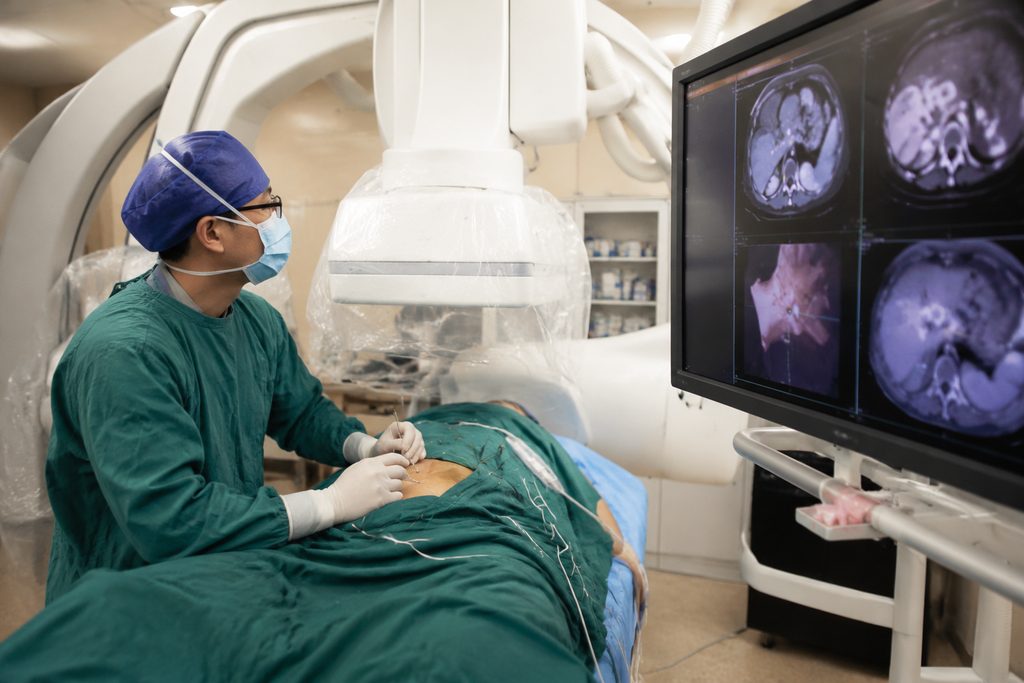
Lung Cancer Check in China: What to Book
A lung cancer check is a set of imaging and lab tests that look for tumors or suspicious nodules in your lungs before symptoms appear. In China, that usually means a low-dose CT scan, sometimes a chest X-ray, and blood work. Foreign patients often ask us the same question first: what is the real lung cancer screening cost China hospitals charge, and how do I book it without speaking Mandarin? This guide answers that, step by step.
Here is the short version. A basic screening package in a top Chinese hospital runs roughly $150 to $600, depending on the city, the hospital tier, and whether you add extras like a PET-CT or a specialist review. That is a fraction of U.S. pricing. But booking is where people get stuck, so let us walk through it properly.
How This Actually Works, Step by Step
Most international patients imagine they can open a website, pick a time, and pay. Chinese public hospitals do not work that way. Here is the real sequence.
Step 1: Send your existing records. You share whatever you already have — prior CT images, chest X-rays, blood results, a smoking history, family history of cancer. If you have nothing yet, that is fine too. We just need your age, symptoms if any, and risk factors.
Step 2: A specialty team reviews the file. A respiratory or oncology department looks at your materials and decides what imaging is appropriate. This matters. A 35-year-old non-smoker and a 62-year-old with a 30-year smoking history need very different checks.
Step 3: You get a written plan. The hospital tells you which scan, which department, and roughly what it costs. No guessing.
Step 4: Appointment coordination. We handle registration, the hospital medical card, and the booking through the international office or VIP channel. Standard outpatient queues cannot be reserved from overseas in most public hospitals — the international department can.
Step 5: You arrive, and a bilingual companion meets you. Queues, payment, directions, translation. A large Chinese hospital can see 10,000+ outpatients in a single day. Navigating that alone, without Mandarin, is genuinely hard.
Step 6: Results and a follow-up plan. You leave with images, a report, and a recommendation — rescan in 12 months, biopsy, or discharge.
What a Lung Cancer Check Actually Involves
Screening is not one test. It is a small bundle, and knowing the parts helps you compare quotes honestly.
- Low-dose computed tomography (LDCT) — the core test. Low radiation, about 10 minutes, no contrast dye needed in most cases.
- Chest X-ray — cheaper, but far less sensitive for early nodules. Often included in basic packages.
- Blood tumor markers — CEA, CYFRA 21-1, NSE and similar. Useful as a baseline, not as a standalone diagnosis.
- Pulmonary function test — measures how well your lungs move air. Common if surgery might be needed.
- PET-CT — only when something suspicious is already found. This is the expensive item, often $800–1,500.
So when someone quotes you a “cancer screening package,” ask exactly which of these are inside. A $150 package and a $900 package are not the same product.
A Realistic Timeline
People underestimate the paperwork and the appointment lead time. Here is what a real schedule looks like for a patient traveling from abroad.
| Stage | Typical Duration | What Happens |
|---|---|---|
| Records collection | 2–5 days | You gather scans, reports, history; we translate them |
| Specialty review | 2–4 days | Chinese department reviews and proposes a scan plan |
| Appointment booking | 3–10 days | International office or VIP channel secures a slot |
| Visa (S2) | 1–3 weeks | Applied for with hospital supporting documents |
| Travel and scan day | 1–2 days | Arrival, registration, imaging, companion support |
| Report turnaround | 1–3 days | Radiology report issued, often with English translation |
| Follow-up decision | Same visit or video call | Rescan, biopsy, or discharge plan |
Total, from first email to holding your report: usually two to five weeks. If you are already in China, the scan itself can sometimes happen within days.
What It Costs — and How It Compares
Costs vary by hospital and case complexity, and the figures below are ranges, not quotes. Still, the gap is real.
| Service | Typical Range in China | Typical Range in the U.S. |
|---|---|---|
| Low-dose CT (LDCT) | $100–300 | $300–1,500 |
| Basic screening package | $150–600 | $500–3,000 |
| PET-CT | $800–1,500 | $3,000–6,000 |
| Specialist consultation | $30–150 | $200–500 |
| Written second opinion | $300–500 | $500–2,000 |
How much does a CT scan cost in Shanghai specifically? A low-dose chest CT at a major public hospital generally lands between $100 and $250. Private international hospitals charge more — often $400 to $900 — but include English-speaking staff, shorter waits, and direct insurance billing.
Which one is right depends on you. If you want speed and English service, private. If you want the lowest price and access to a top-ranked public specialist, the international department of a public hospital.
Where to Go: Finding the Best Cancer Hospital in China for International Patients
China has over 35,000 hospitals. The top 5% — around 340 institutions ranked by the Fudan index and JCI accreditation — are where international patients should be looking. Fudan’s specialist reputation rankings list the top 10 hospitals for each of 45 specialties, including oncology and respiratory medicine.
Beijing holds the most Fudan Top 100 hospitals at 21, Shanghai follows with 18, and Guangzhou with 10. Each city has its own strengths, and the right choice depends on your case.
For a straightforward screening with no suspicious findings, a JCI-accredited private hospital in Shanghai or Beijing is often the fastest route. For a complex nodule requiring multidisciplinary review, a top public hospital’s international department is worth the extra coordination.
You can browse ranked hospitals by city and specialty through our department directory, which lists the top 10 institutions for oncology and respiratory care. If you already know your city, the Shanghai hospital guide breaks down public versus private options in detail.
Is Lung Cancer Screening in China Safe?
Yes, when done at an accredited hospital — and this is a fair question to ask. China’s top-tier hospitals use the same CT equipment as major U.S. and European centers: Siemens, GE, Philips, Canon. Radiation doses for low-dose CT are standardized and low.
The bigger safety issue is not the machine. It is interpretation and follow-up. A scan without a qualified radiologist reading it, and without a clear plan for what happens if something is found, is not useful screening. That is why we always route imaging through a department that can act on the result.
What Can Go Wrong — and What Happens Then
Honesty matters more than reassurance here.
You cannot get a standard public outpatient slot from overseas. This is the most common surprise. Public hospital registration is same-day queue-based. The workaround is the international or VIP department, which costs roughly 1.5 to 2 times the standard fee but can be pre-booked.
A nodule is found and you are already flying home. This happens. The fix is to arrange a video follow-up before you leave, so the same department can review the images with you remotely. Do not leave without a written recommendation.
The report is in Chinese. Radiology reports need professional translation. Machine translation of medical terms is unreliable. Budget for a proper translated report.
Insurance does not reimburse. Public hospitals require prepayment; you claim afterward. Private international hospitals often bill insurers directly. Check your policy before you book, not after.
You booked a package that does not include what you need. Read the inclusions. A chest X-ray package will not detect small nodules the way LDCT does.
Practical Considerations Before You Book
Records. Bring prior imaging on disc if you have it. Comparison over time is far more valuable than a single scan.
Visa. Medical travel to China uses the S2 visa, with a notation for medical treatment. Family accompanying you also applies for S2. Stays beyond 180 days require S1 instead. Requirements change, so confirm current rules with the nearest Chinese embassy or consulate. Note that the M visa is for commercial and trade activity and is not the medical route.
Payment. Public hospitals: prepay, then claim. Private: often direct billing. Bring a card that works internationally.
Language. Assume you will need help. Few public hospital staff outside the international department speak fluent English.
Follow-up at home. Ask for your images and report in a format your home doctor can read. DICOM files plus a translated report are ideal.
If you are weighing a broader check rather than a lung-specific one, a Fudan-ranked hospital directory is a sensible starting point for comparing institutions by city.
Frequently Asked Questions
A basic package typically runs $150 to $600 at a top public hospital. A low-dose CT alone is often $100 to $300. Private international hospitals charge more, roughly $400 to $900 for comparable imaging. Final pricing varies by hospital and case complexity.
Not through standard public outpatient registration, which is queue-based and same-day. You can, however, book through a hospital’s international or VIP department in advance. That channel costs about 1.5 to 2 times the standard fee and includes English support.
At accredited top-tier hospitals, yes. Equipment and radiation protocols match Western standards. The critical factor is having a qualified radiologist interpret the scan and a clear follow-up plan in place. Screening without that is not meaningful.
Yes. Medical travel uses the S2 visa with a medical-treatment notation, and accompanying family members apply for S2 as well. Requirements are set by Chinese embassies and consulates and can change, so verify current rules before applying.
The hospital will recommend next steps, which may include a PET-CT, a biopsy, or a short-interval rescan. Nothing is decided without your consent, and you can request a video consultation with the same department before committing to any procedure.
Your Next Step
A lung cancer check in China is affordable, fast, and technically strong — provided you book through the right channel and understand that public hospital queues cannot be reserved from overseas. That single fact explains most of the confusion international patients run into.
We are China Medical Services. We match international patients with ranked Chinese hospitals, coordinate appointments through official international departments, and provide bilingual companions on the ground. We are not doctors, and we do not provide medical advice or guarantee any clinical outcome.
If you would like a clear picture of what your check would involve and what it would cost, start with a free consultation. No pressure, no obligation — just a straight answer about your options.
This article is for general information only and is not a substitute for professional medical advice, diagnosis, or treatment. Always consult a qualified physician about your individual situation.
For more medical information and treatment options in China, visit chinamedservices.com (China Medical Services).
