Lung Cancer Surgery Worth It: Shanghai Pulmonary Hospital Costs and Real Outcomes
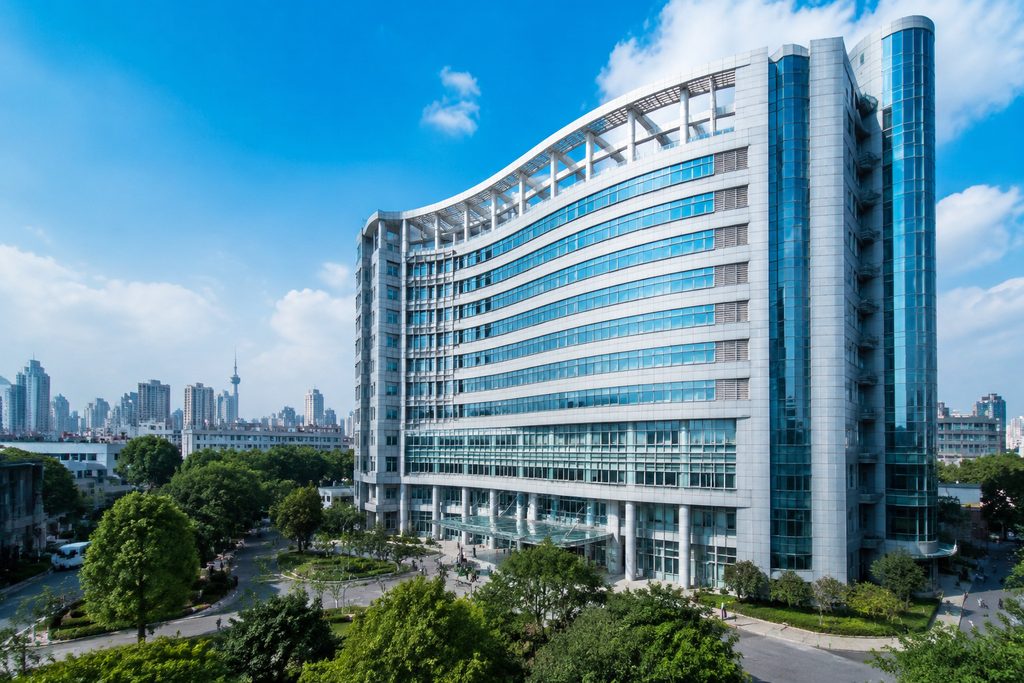
Lung Cancer Surgery Worth It: Shanghai Pulmonary Hospital Costs, Quality, and What to Expect
A lung cancer diagnosis hits like a freight train. Your mind races through treatment options, survival statistics, and — unavoidably — the question of where to get the best care. Shanghai Pulmonary Hospital keeps surfacing in your research. You have seen the volume numbers, the specialty rankings, the sheer scale of thoracic surgery performed there. But the practical question remains: is it worth it for you, specifically, as an international patient? The short answer is that for many patients with resectable non-small cell lung cancer, the combination of surgical volume, subspecialist expertise, and a lung cancer surgery cost Shanghai Pulmonary Hospital that typically runs 60–80% below US private-pay rates makes a compelling case. The longer answer requires walking through what actually happens, what it costs, how long recovery takes, and where the process can go sideways.
We coordinate care for patients traveling to China for surgery. We are not doctors. What follows is the operational reality we have observed helping patients navigate this exact decision.
How This Actually Works, Step by Step
The process starts with your existing records, not with a plane ticket. You send whatever you have — CT scans, PET-CT results, biopsy pathology reports, pulmonary function tests, and any prior treatment summaries. Our team translates these into Chinese medical terminology and submits them to the thoracic surgery department at Shanghai Pulmonary Hospital for preliminary review.
That review takes 5 to 10 business days. The surgeons assess whether your tumor is resectable, what procedure they would recommend (lobectomy, segmentectomy, or wedge resection), and whether your lung function can tolerate the surgery. You get a written response in English. If surgery looks feasible, the next step is a video consultation with the surgical team. That costs between $500 and $800 for a top-specialist session, and it is where you ask the hard questions: staging assumptions, surgical approach, expected margins, complication rates, and what they see on your scans that the reports might not capture.
Only after that consultation do you decide whether to travel. We handle the hospital registration, the medical records translation, and the scheduling coordination. You handle the visa. For medical treatment in China, the applicable short-stay category is the S2 visa, issued for private affairs including medical treatment. Your accompanying family members apply for the same category. Processing times vary by embassy, but plan for 2 to 4 weeks after you have the hospital invitation letter in hand.
Once you arrive, the sequence is: outpatient consultation with the surgeon, preoperative testing (blood work, cardiac clearance, repeat imaging if needed), hospital admission, surgery, and inpatient recovery. The outpatient-to-surgery interval typically runs 3 to 7 days for international patients using the hospital’s international service channel. You are not jumping any queue. You are using a coordination pathway that exists specifically for patients traveling from abroad.
Is Shanghai Pulmonary Hospital Good for Lung Cancer Surgery? The Volume Argument
No. Chinese public hospitals require an in-person outpatient consultation before surgery can be scheduled. What you can do before traveling is complete the records review and video consultation, which confirms that the surgical team considers your case operable. That significantly de-risks the trip. But the actual surgery date is set only after you arrive and complete the preoperative workup.
For early-stage and locally advanced non-small cell lung cancer, the surgical outcomes at Shanghai Pulmonary Hospital are comparable to high-volume US centers. The hospital performs over 10,000 thoracic surgeries annually, and its thoracic surgery department is ranked among China’s top 10 for oncology. Volume is not a guarantee, but it is the strongest predictor of surgical outcomes available.
You receive a written second opinion explaining why. That opinion may recommend alternative treatments — targeted therapy, immunotherapy, radiation, or a combination. You take that recommendation back to your home oncologist and decide together. You are not obligated to travel, and the consultation fee is not wasted. In fact, a negative surgical opinion from a high-volume center is often the most valuable output of the entire process.
The hospital has an international service desk, but day-to-day communication with nurses, technicians, and administrative staff is in Chinese. A bilingual medical companion from $300 per day handles registration, translation, and navigation. Patients who skip this step consistently report higher stress and more logistical problems. It is not a premium add-on. It is baseline infrastructure for a public hospital experience in China.
Your Next Step
The decision to travel to Shanghai for lung cancer surgery is not one you make from a Google search. It starts with a records review and a conversation with the surgical team that would actually operate on you. Our role at China Medical Services is coordination: we translate your records, arrange the video consultation, handle the hospital registration, and provide on-the-ground support when you arrive. We do not perform surgery, we do not guarantee outcomes, and we do not promise access to any specific surgeon. What we do is make the process navigable. If you want to know whether Shanghai Pulmonary Hospital is worth it for your specific case, send us your records. The review will tell you more than any article can.
Frequently Asked Questions
Yes. The hospitals used for international patients are JCI-accredited and follow the same international safety standards as top hospitals in the US and Europe. Surgical teams perform high volumes of procedures — often more than their Western counterparts — which studies show leads to better outcomes.
Costs vary by procedure and hospital, but international patients typically save 40-80% compared to US prices — even when factoring in travel and accommodation. A consultation with our team will give you an exact, all-inclusive quote with no hidden fees.
Send us your existing medical reports to get started. We handle everything from hospital selection and appointment scheduling to visa assistance and post-operative recovery planning. Your medical records are reviewed by the specialist before you even book a flight.
For more medical information and treatment options in China, visit chinamedservices.com (China Medical Services).
