MDR-TB Treatment in Shanghai: How to Book Top Hospitals
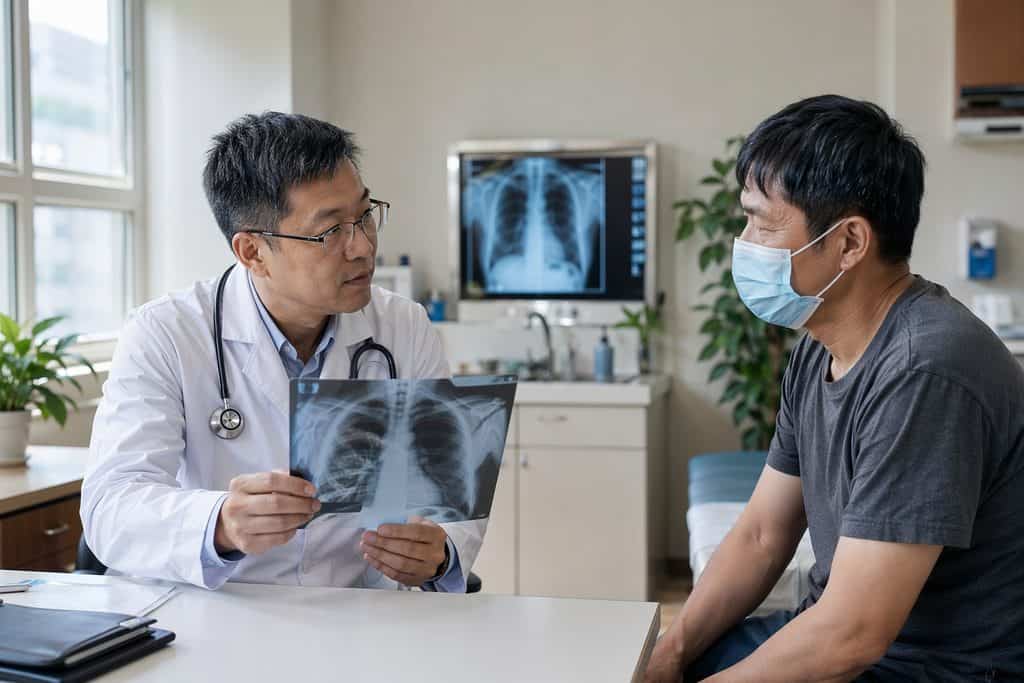
When 42-year-old Michael first heard the diagnosis, he had no idea where to start looking for treatment. His local clinic in Melbourne had confirmed multidrug-resistant tuberculosis after two failed rounds of standard antibiotics, and the infectious disease specialist told him he’d need a longer, more complex regimen — possibly 9 to 20 months of second-line drugs with close monitoring. Michael started researching MDR-TB treatment cost Shanghai options that same night. What he found was confusing: forum posts, outdated blog articles, and very little practical information about how a foreigner actually books care at a Chinese hospital.
That gap is exactly what this guide fills.
MDR-TB — tuberculosis resistant to at least isoniazid and rifampicin, the two most powerful first-line drugs — affects roughly 400,000 people globally each year, according to World Health Organization estimates. Treatment is longer, more expensive, and far more demanding than standard TB therapy. China carries one of the world’s heaviest TB burdens, which is precisely why its major referral hospitals have built deep experience managing resistant cases. For international patients, that experience translates into real clinical depth — but only if you know how to access it.
How This Actually Works, Step by Step
Here’s the sequence, from where you are now to walking into a Shanghai consultation room.
Step one: gather your records. You’ll need your sputum culture and drug-susceptibility testing results, chest imaging (CT or X-ray, ideally on disc or high-resolution files), a summary of every drug regimen you’ve already taken with dates and outcomes, and recent bloodwork including liver and kidney function. If your records are in English, they’ll need certified translation into Chinese for hospital review. If they’re in another language, that’s two translation steps.
Step two: remote review. This is where things get practical. Rather than flying to Shanghai blind, you can send your records to a Chinese infectious disease or respiratory specialty team for a written second opinion. A specialist reviews your susceptibility profile, prior treatment history, and imaging, then returns written analysis and treatment direction. This typically takes 3–7 business days depending on record completeness.
Step three: video consultation. If the written opinion raises questions — or if you simply want to hear the reasoning directly — a video consultation puts you face-to-face (screen-to-screen) with the specialty team. You explain your history and goals; they explain what a China-based regimen might look like and what monitoring it requires.
Step four: appointment coordination. Once a plan looks feasible, the hospital’s international department or VIP channel can be approached for an in-person appointment. Note the honest reality here: at most Chinese public hospitals, you cannot pre-book a standard outpatient slot from overseas. Same-day registration and queuing is the norm. The international department exists precisely to solve this for foreign patients — at roughly 1.5 to 2 times the standard consultation fee.
Step five: arrival and admission. Surgery and inpatient admission in China generally require an in-person consultation first. For MDR-TB, most patients begin as outpatients while baseline tests are repeated and a regimen is confirmed. Admission follows if the clinical picture requires it.
What MDR-TB Treatment Cost Shanghai Actually Looks Like
Some hospitals and coordination services offer bundled arrangements covering consultation, diagnostics, and monitoring, but true all-inclusive “packages” are rare because regimen length and drug combinations vary so much case by case. Be cautious with anyone quoting a fixed total price before reviewing your susceptibility results. Any figure should be a range, confirmed after the hospital sees your records.
It depends entirely on your regimen. MDR-TB treatment typically runs 9 to 20 months. Many patients complete the intensive early phase in China — often one to three months — then continue supervised treatment at home with a local physician, provided a proper handover is arranged. Discuss this openly with the treating team early, not at the end.
Sometimes, partially. Many international policies reimburse overseas treatment, but pre-authorization requirements and reimbursement rates vary widely. Public hospitals in China generally require upfront payment. Contact your insurer before committing, and ask specifically about MDR-TB drug coverage, since second-line TB medications are often handled differently from standard care.
This is a clinical question for your treating physician, not a logistical one. Active pulmonary TB raises transmission and fitness-to-fly considerations that vary by your smear status and clinical stability. Some patients are advised to delay travel until they are non-infectious. Get medical clearance before booking anything.
Your Next Step
Booking MDR-TB care in Shanghai is not complicated once you understand the sequence: records first, remote review second, appointment coordination third, travel last. The mistake most patients make is reversing that order. Start with your documentation, get a specialist to look at it, and let the clinical picture drive the logistics — not the other way around.
At China Medical Services, we connect international patients with 340+ top-ranked hospitals across 37 cities, and we handle the parts that trip people up: record translation, hospital and department matching, appointment coordination through official international departments, and bilingual accompaniment on the ground. We are not physicians and we do not provide medical advice or treatment recommendations. What we do is make the system navigable.
If you’re at the beginning of this process, a written second opinion is usually the most sensible first move — you’ll know within a week whether Shanghai is the right destination for your case. Reach out for a free consultation and we’ll help you figure out the next step.
This article is for informational purposes only and does not constitute medical advice. Treatment decisions for multidrug-resistant tuberculosis should always be made in consultation with qualified physicians who have reviewed your complete medical records.
Frequently Asked Questions
Yes. The hospitals used for international patients are JCI-accredited and follow the same international safety standards as top hospitals in the US and Europe. Surgical teams perform high volumes of procedures — often more than their Western counterparts — which studies show leads to better outcomes.
Costs vary by procedure and hospital, but international patients typically save 40-80% compared to US prices — even when factoring in travel and accommodation. A consultation with our team will give you an exact, all-inclusive quote with no hidden fees.
Send us your existing medical reports to get started. We handle everything from hospital selection and appointment scheduling to visa assistance and post-operative recovery planning. Your medical records are reviewed by the specialist before you even book a flight.
For more medical information and treatment options in China, visit chinamedservices.com (China Medical Services).
