Medical Tourism in Sanya: What to Prepare Before You Fly
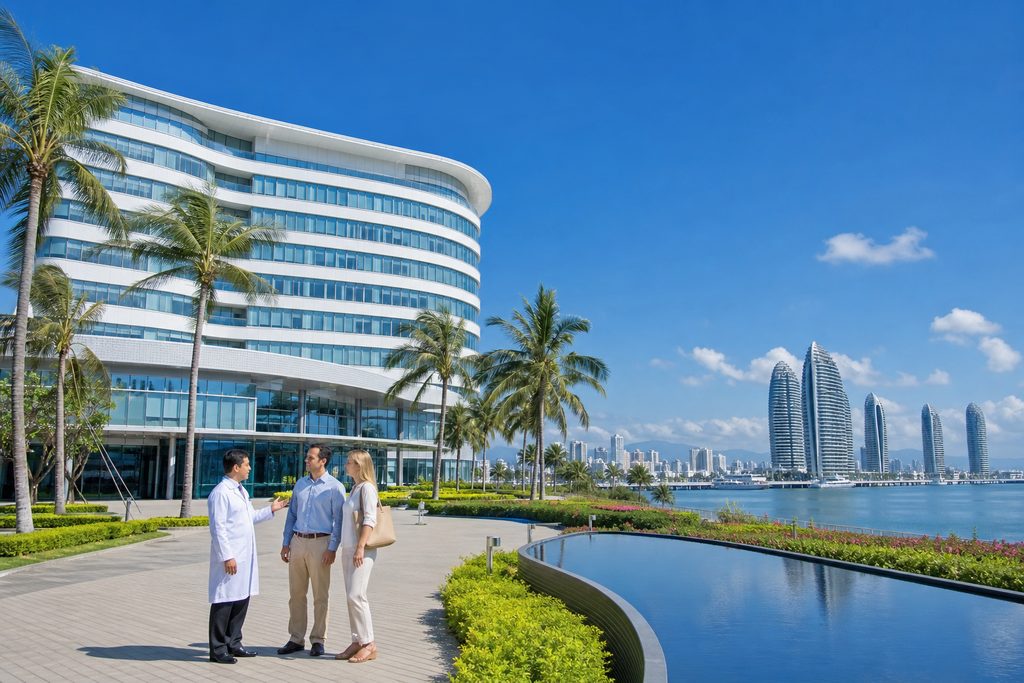
When 54-year-old David from Vancouver tore his rotator cuff during a hiking trip in Hainan, he assumed he’d fly home for surgery. Instead, his travel insurance coordinator suggested something he hadn’t considered: getting the procedure done in Sanya itself. He had three weeks left on his visa, a hotel room already paid for, and no idea what medical tourism in Sanya actually involved. Was the care safe? Would anyone speak English? What would it cost compared to Canada?
David’s situation is more common than you might think. Sanya has quietly become one of China’s most interesting destinations for international patients — not because it competes with Beijing or Shanghai on surgical complexity, but because it offers something those cities don’t: a warm coastal recovery environment paired with rapidly improving international medical infrastructure. Understanding what to prepare before you commit is the difference between a smooth experience and an expensive detour.
How This Actually Works, Step by Step
The process doesn’t start at the airport. It starts with your medical records.
Step one: you gather your existing documentation — imaging reports, lab results, prior surgical notes, current medication lists. Digital copies in English or Chinese work best. If your records are in another language, they’ll need certified translation.
Step two: those records go to a Chinese specialty team for review. At a top-tier hospital, this review typically takes two to five business days. The team assesses whether your case is appropriate for treatment in China, what additional testing you’ll need, and roughly what the procedure involves.
Step three: you receive a written assessment. This isn’t a diagnosis — it’s a professional opinion on feasibility, approach, and estimated cost range. For more complex cases, a video consultation lets you speak directly with the medical team, ask questions, and hear their recommendations in real time.
Step four: if you decide to proceed, the coordination phase begins. This covers appointment scheduling, hospital registration, medical card creation, and arrival logistics. For patients who can’t travel immediately, a proxy consultation service allows a representative to visit the hospital in person using your materials — helpful for confirming details before committing to a long flight.
Step five: you arrive. Depending on the hospital and your case, you may have a preliminary consultation, additional imaging, and then the procedure itself. Recovery follows, with follow-up appointments as needed.
What Medical Tourism in Sanya Cost Actually Looks Like
Not if you arrange support in advance. Some hospitals have international departments with English-speaking staff. Others do not. Registration systems, signage, and daily interactions are predominantly in Chinese. A bilingual companion service bridges this gap for roughly $300 per day.
Most reputable coordinators work on a consultation-first model, not e-commerce checkout. You share your medical records, receive a feasibility assessment, discuss options, and then decide whether to proceed. Packages typically cover hospital coordination, appointment scheduling, and companion services — but not the medical fees themselves, which are paid directly to the hospital.
It depends on your policy. Some international insurers reimburse treatment at Chinese hospitals; others require pre-authorization or exclude overseas care entirely. Private international hospitals in Sanya often accept direct billing from major insurers. Check with your provider before committing to treatment.
Cancellation policies vary by hospital and service provider. Hospital appointment coordination fees are typically refundable if the requested appointment cannot be secured. Surgical deposits may have different terms. Always confirm cancellation conditions in writing before paying.
Your Next Step
Medical tourism in Sanya works best when you treat it as a staged process: records first, remote review second, travel third. Rushing any stage creates risk you don’t need to take.
China Medical Services helps international patients navigate this system — matching cases to appropriate hospitals, coordinating appointments through official international departments, and providing bilingual support on the ground. We don’t provide medical advice, and we can’t promise specific outcomes. What we do is reduce the logistical friction so you can make informed decisions.
If you’re considering treatment in Sanya or elsewhere in China, start with a conversation. No pressure, no obligation — just clarity on whether this path makes sense for your situation.
Frequently Asked Questions
Yes. The hospitals used for international patients are JCI-accredited and follow the same international safety standards as top hospitals in the US and Europe. Surgical teams perform high volumes of procedures — often more than their Western counterparts — which studies show leads to better outcomes.
Costs vary by procedure and hospital, but international patients typically save 40-80% compared to US prices — even when factoring in travel and accommodation. A consultation with our team will give you an exact, all-inclusive quote with no hidden fees.
Send us your existing medical reports to get started. We handle everything from hospital selection and appointment scheduling to visa assistance and post-operative recovery planning. Your medical records are reviewed by the specialist before you even book a flight.
For more medical information and treatment options in China, visit chinamedservices.com (China Medical Services).
