Managing Mental Health During Extended Medical Stay China: A Practical Guide for International Patients
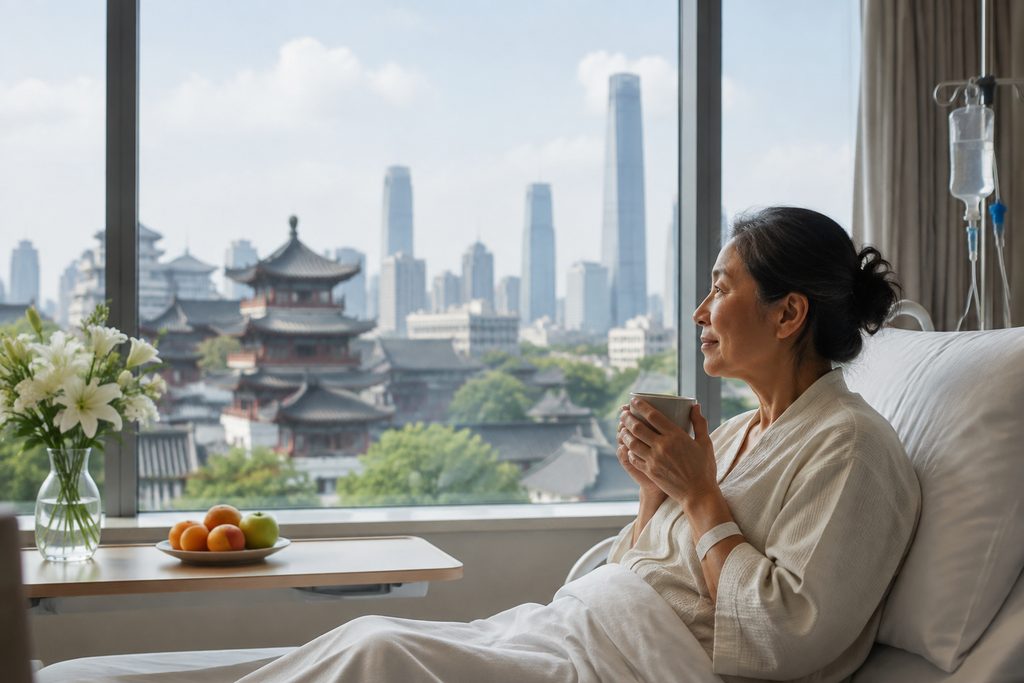
Have you ever considered what happens to your mind when your body is healing far from home? The isolation hits differently at 3 a.m. in a hospital room 6,000 miles from your own bed. You are not alone in asking this. A 2023 study published in the *Journal of Travel Medicine* found that approximately 1 in 3 international medical travelers report clinically significant anxiety or depressive symptoms during treatment stays exceeding two weeks. The numbers are stark. But the solutions are more accessible than most patients realize.
Key Takeaways
- Structured mental health support during hospital stay China price ranges from $100 for a single counseling session to approximately $2,000 for a comprehensive multi-week wellness package, a fraction of equivalent Western private care.
- China’s major international hospital networks in Beijing and Shanghai employ licensed, English-speaking clinical psychologists familiar with the specific stressors of cross-border medical recovery.
- The biggest barrier is not cost or availability — it is patients waiting too long to ask for help, often until anxiety has already disrupted sleep, appetite, and treatment adherence.
- Integrating psychological support into your medical stay plan from day one, rather than reacting to a crisis, is the single most effective strategy for maintaining resilience.
The Problem: Isolation Is a Medical Complication, Not a Side Note
Recovering from a major surgery — a cardiac bypass, a spinal fusion, an oncological resection — demands everything your body has. Now strip away your native language, your familiar food, your partner’s hand to hold at night, and the casual visit from a friend who knows your whole history. What is left is a physiological stress load that directly interferes with healing. A 2020 meta-analysis in *The Lancet Psychiatry* established that untreated perioperative anxiety correlates with a 27% higher rate of post-surgical complications, including wound dehiscence and infection. This is not about comfort. This is about clinical outcomes.
The patient who cannot sleep because of racing thoughts heals slower. The patient who stops eating because hospital food tastes foreign loses critical muscle mass. The patient who misunderstands post-operative instructions because stress has fogged their cognition risks readmission. We see this pattern frequently among international patients in China. They arrive prepared for the procedure. They are rarely prepared for the psychological weight of the weeks that follow.
Why China’s International Medical System Is Equipped to Respond
This is not a gap the system ignores. Over the past decade, the hospitals and service networks that cater to foreign patients have built dedicated psychological support pathways. The infrastructure exists. The challenge is that most patients do not know how to access it until they are already struggling.
Clinical Psychology Integrated Into the Care Team
At JCI-accredited international hospitals like Shanghai’s Jiahui International Hospital and Beijing’s United Family Healthcare, clinical psychologists are not an afterthought. They round with the surgical teams. A patient recovering from a knee replacement at Jiahui, for instance, can have a psychologist visit their room the same day a physiotherapist does. The psychologist for foreign patients Shanghai cost typically starts at $100–$150 per individual session, with bundled inpatient consultation packages available that bring the per-session rate lower. These are not counselors offering vague reassurance. These are licensed clinical psychologists trained in cognitive-behavioral therapy (CBT) and health psychology, working in English, French, Arabic, and Russian depending on the facility.
For patients at top-tier public hospitals like Peking Union Medical College Hospital (PUMCH) or Huashan Hospital, the model differs slightly. The international medical departments maintain referral relationships with private psychology practices and hospital-affiliated mental health centers. A consultation can be arranged within 24–48 hours in most cases. The cost is comparable — $100–$200 per session — and the psychologist will often coordinate directly with your attending physician to ensure psychological care does not conflict with your medical protocol.
How to Cope with Anxiety During Long Medical Treatment Abroad: The Structured Approach
The instinct is to tough it out. That instinct is counterproductive. What works, based on clinical evidence and our team’s experience supporting thousands of international patients, is a structured, multi-layered approach that starts before the anxiety becomes disabling.
First, sleep must be protected. This sounds basic. It is foundational. A 2022 study in *Sleep Medicine Reviews* demonstrated that hospitalized patients who maintain a consistent sleep-wake schedule — even with lights, even with vital sign checks — show cortisol profiles 18% closer to healthy controls than those with fragmented rest. Request a sleep hygiene consultation. Many international wards can provide eye masks, white noise machines, and, where clinically appropriate, minimal-interruption night protocols. If you are struggling, ask for a psychology referral *before* you ask for sleeping medication. The psychologist can teach you a 10-minute progressive muscle relaxation protocol that, in our observation, patients often find more sustainable than pharmacologic sleep aids.
Second, movement — within whatever limits your surgeon sets. A patient confined to bed can still do guided diaphragmatic breathing. A patient cleared to walk can do mindful walking in the hospital garden. The psychology departments at hospitals like West China Hospital in Chengdu and Ruijin Hospital in Shanghai have developed short, physio-approved movement-and-mindfulness protocols specifically for post-surgical international patients. These are not wellness luxuries. They are evidence-based anxiety management tools that cost nothing extra and can be taught in a single 50-minute session.
Third, connection must be engineered. You cannot wait for it to happen organically when you do not speak the language. We advise patients to schedule two video calls per day with people back home — one in the morning, one in the evening — and to treat those calls as non-negotiable as their medication schedule. Loneliness is a physiological stressor. It raises C-reactive protein. It impairs immune function. The fix is not complicated, but it requires intention.
Can I Access Therapy While Recovering from Surgery in China? Yes — Here Is Exactly How
The short answer is yes. The longer answer is that the pathway depends on where you are receiving care and what level of psychological support you need. Let us walk through the real options, from light-touch to intensive.
Option 1: Inpatient Consultation (Bedside)
If you are currently admitted, tell your attending nurse or your international patient coordinator that you want to speak with a psychologist. At international hospitals, this is a routine request. The psychologist comes to your room. Sessions last 45–50 minutes. The focus is practical: managing procedure-related anxiety, coping with pain perception, addressing sleep disruption, and screening for clinical depression. Cost: $100–$200 per session. Frequency: typically 1–3 sessions per week, depending on need.
Option 2: Outpatient Therapy (Post-Discharge)
Once you are discharged to a hotel or serviced apartment for continued recovery, outpatient therapy becomes the standard model. You travel to the psychologist’s office — or, increasingly, conduct sessions via secure video. This is where international patient mental health services Beijing and Shanghai are most developed. Both cities have multiple English-speaking clinical psychology practices that specialize in medical recovery populations. A typical outpatient therapy session costs $120–$180. Many patients schedule twice-weekly sessions for the first month post-discharge, then taper to weekly as they regain independence.
Option 3: Book Mental Wellness Package Medical Tourism China
For patients planning a stay of 4 weeks or longer, several hospitals and affiliated wellness centers offer structured mental wellness packages. These are not generic spa retreats. A typical package at a Shanghai international hospital might include: an initial psychological assessment, 6 individual CBT sessions, 3 guided mindfulness or relaxation training sessions, and a closing evaluation with a summary report for your home physician. The total cost ranges from $1,200 to $2,000, depending on the intensity and the seniority of the psychologist. That is roughly the cost of 3–4 therapy sessions in a major US city, for a multi-week structured program.
These packages can be booked in advance as part of your medical stay planning. We recommend inquiring at least 2–3 weeks before travel to allow the psychology team to prepare and to review any relevant mental health history you choose to share.
| Service Type | Typical Cost (USD) | Setting | Best For |
|---|---|---|---|
| Individual psychologist session | $100–$200 | Inpatient or outpatient | Acute anxiety, sleep disruption, adjustment difficulty |
| Outpatient therapy package (6 sessions) | $600–$1,000 | Outpatient clinic or video | Ongoing coping during extended recovery |
| Comprehensive wellness package (assessment + 6–8 sessions + mindfulness training) | $1,200–$2,000 | Hospital-affiliated wellness center | Planned long stays (4+ weeks), proactive mental health management |
| Psychiatric consultation (if medication is indicated) | $200–$350 | Inpatient or outpatient | Moderate-severe depression, panic disorder, pre-existing conditions requiring medication management |
When the Weight Is Heavier: Recognizing What Needs More Than Coping Skills
There is a line between normal situational distress and clinical depression or an anxiety disorder. Crossing that line is not a failure. It is a medical event that requires medical treatment, same as a wound infection. The signs to watch for: you stop feeling any pleasure in things that normally bring relief — a call with your child, a favorite book, the taste of food. Your sleep is shattered not just by hospital noise but by a racing mind that will not quiet. You feel a persistent, physical sense of dread that does not ease when you receive good news about your recovery. You begin to believe, against evidence, that you will never heal, that traveling here was a mistake, that you are a burden.
If this describes you — or if you are reading this as a family member and recognizing someone you love — the response is not more coping techniques. The response is a psychiatric consultation. Psychiatrists in China’s international medical system can prescribe and manage antidepressant or anti-anxiety medication when clinically indicated, and they do so with full awareness of your surgical recovery status and potential drug interactions. A psychiatric consultation costs $200–$350. Medication, if prescribed, is typically $30–$80 per month. This is not a path anyone wants to need. But needing it and refusing it is far more dangerous than accepting help.
Practical Considerations: Documentation, Payment, and Coordination
Accessing mental health support during hospital stay China price is straightforward once you understand the logistics. Here is what to prepare.
Medical records. If you have a pre-existing mental health condition — depression, bipolar disorder, PTSD, an anxiety disorder — bring a summary letter from your treating psychiatrist or psychologist at home. Include your diagnosis, current medications with dosages, and any history of medication trials that failed or caused side effects. This prevents the Chinese team from starting from zero. It also ensures continuity of care, which is especially critical if you are on a medication regimen that cannot be abruptly interrupted.
Payment. Psychological and psychiatric services at international hospitals and private clinics in China are typically self-pay at the time of service. Credit cards are accepted. Some international hospitals can direct-bill to certain global insurance plans — check with your insurer before travel. If you have a health insurance plan with out-of-network mental health benefits, request a detailed invoice (in English) from the provider; you can submit it for reimbursement. Public hospital international departments generally require payment upfront, with receipts provided for insurance claims.
Language. Always confirm that the psychologist or psychiatrist you are scheduled with is fluent in your preferred language. At major international hospitals, English is standard. Other languages — French, Arabic, Russian, Japanese — are available but may require advance booking. Do not assume. Ask explicitly: “Will the psychologist conduct the session in English, or will a translator be present?” A translator in a therapy session is not ideal. It changes the dynamic. Whenever possible, insist on a direct-language match.
Coordination with your medical team. With your consent, the psychologist or psychiatrist should communicate with your surgeon or attending physician. This is not a privacy violation — it is integrated care. Pain management, for instance, intersects directly with psychological state. A patient with untreated anxiety perceives pain more intensely. A patient on certain psychiatric medications may need adjusted anesthesia or pain medication dosing. The teams need to talk to each other. At China’s top international hospitals, this coordination is routine. At smaller facilities, you may need to explicitly authorize information sharing between providers.
Frequently Asked Questions
You say to your nurse or coordinator: “I would like to speak with someone about managing the stress of recovery.” That is it. No explanation. No justification. This is a standard request that the staff handles routinely. The stigma you may feel is real, but it is internal — the medical team will not judge you. They will act. And if the first person you ask does not take you seriously, ask someone else. Your mental health is as medically relevant as your white blood cell count.
Most common psychiatric medications — SSRIs like sertraline and escitalopram, SNRIs like venlafaxine, and atypical antipsychotics like quetiapine — are available in China, often under international brand names. But availability is not universal. Before you travel, check with your prescribing physician and with us or your hospital coordinator whether your specific medication at your specific dosage is obtainable. Bring a supply sufficient to cover your entire stay plus a two-week buffer in case of travel delays. Never assume you can refill a foreign prescription at a Chinese pharmacy without a local doctor’s consultation — you cannot. A Chinese psychiatrist must evaluate you and write a local prescription. Plan for this.
Yes, with the same limits that apply in Western countries. Licensed clinical psychologists in China are bound by professional ethics codes that require confidentiality. The exceptions: if you disclose a clear intent to harm yourself or someone else, or if there is suspected abuse of a child or vulnerable adult. In those cases, the psychologist has a duty to report. This is standard globally. For routine therapy, your sessions are private. You control what information, if any, is shared with your family or your medical team.
Yes. The spouse, parent, or adult child who accompanies you is under their own immense strain — caregiving in a foreign country, managing logistics, suppressing their own fear to stay strong for you. They can access the same psychology services you can. Some hospitals offer couples or family sessions specifically designed for medical travel situations. The cost is the same as an individual session. If your caregiver is struggling, encourage them to seek support. Their resilience directly affects yours.
Your Next Step
You came here searching for how to manage mental health during an extended medical stay in China. The answer has layers: practical coping strategies you can start tonight, professional therapy you can access within 24 hours, and structured wellness packages you can book before you even board the plane. The common thread is that none of this works if you wait until you are drowning to reach for a hand. Plan psychological support into your medical stay the way you plan post-operative physiotherapy — as a non-negotiable component of healing, not an optional extra for the struggling.
Our team at China Medical Services connects international patients with the hospitals and specialists best suited to their medical and personal needs. We are not psychologists and we do not provide clinical care. What we do is help you navigate the system — identifying which hospitals near your recovery location have English-speaking mental health professionals, coordinating appointments so they do not conflict with your medical schedule, and ensuring you know exactly what to expect before you arrive. If you are planning a medical stay in China and want psychological support built into your care plan from the start, reach out for a free consultation. We will help you map the path, so you can focus your energy where it belongs: on healing.
For more medical information and treatment options in China, visit chinamedservices.com (China Medical Services).
