Mohs Surgery in Shanghai Huashan Hospital: A Complete Guide for International Patients
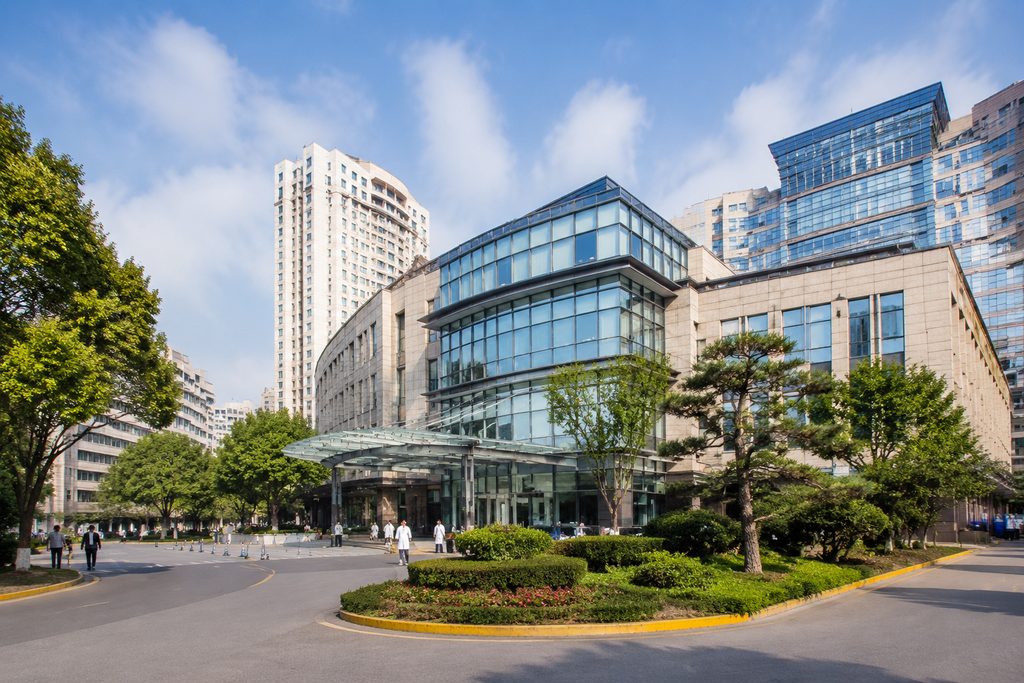
You have probably heard that traveling abroad for surgery means accepting a lower standard of care. The data on dermatologic surgery in Shanghai tells a different story. Huashan Hospital’s dermatology department handles over 1.6 million outpatient visits annually, making it one of the highest-volume skin centers on the planet. Volume, in a procedure as visually dependent as Mohs surgery, builds a specific kind of surgical instinct that is hard to replicate elsewhere. This guide breaks down the reality of accessing that expertise as an international patient — the costs, the steps, and the practical hurdles nobody mentions.
Mohs Surgery at Huashan: The Short Answer
Yes, Mohs micrographic surgery is performed at Huashan Hospital’s Dermatology Department in Shanghai. The technique is available through the hospital’s specialty clinics. But accessing it as an international patient is not as simple as booking a slot online. The standard public outpatient system does not accept advance reservations from overseas. You cannot email the department and lock in a surgery date. The path that works involves going through the hospital’s International Medical Center or working with a coordination team on the ground. The clinical skill is there. The administrative pathway is what you need to solve first.
Who This Is Right For — and Who It Isn’t
Mohs surgery is a tissue-sparing technique designed for specific skin cancers. It is not for every lesion, and it is not for every patient.
Typically a strong candidate when:
- The lesion is a basal cell carcinoma or squamous cell carcinoma in a cosmetically sensitive area — the face, ears, nose, or lips.
- The tumor has ill-defined borders or is a recurrent cancer that came back after previous treatment.
- The goal is to remove the cancer completely while preserving as much healthy tissue as possible.
- You are willing to spend several hours at the hospital — the process involves waiting for lab processing between tissue layers.
Usually not the right path when:
- The lesion is a melanoma with a depth that requires wide local excision and sentinel node biopsy — Mohs is rarely the first choice here.
- The tumor is in a location where tissue preservation is not critical and standard excision with clear margins is equally effective.
- You cannot stay in Shanghai for at least 5 to 7 days. The procedure itself is one day, but you need a buffer for the initial consultation, potential re-excision if margins are not clear on a later read, and wound check follow-up.
- You are on anticoagulants that cannot be safely paused — this requires a direct conversation with the surgeon.
The Options, Compared
You are not choosing between Mohs and nothing. You are choosing between Mohs and other effective treatments, in different settings, at different price points. Here is how the realistic paths compare for a facial basal cell carcinoma:
| Factor | Mohs at Huashan (International Pathway) | Mohs in the United States | Standard Excision in Shanghai |
|---|---|---|---|
| Total cost (approx.) | $2,500 – $5,000 | $5,000 – $15,000+ | $800 – $2,000 |
| Wait for surgery | 1–3 weeks after consultation | 2–8 weeks | 1–2 weeks |
| Tissue preservation | Highest — 100% margin check | Highest — 100% margin check | Lower — sample margins checked |
| Procedure duration | 3–6 hours (same day) | 3–6 hours (same day) | 30–60 minutes |
| English-speaking surgeon | Not guaranteed; interpreter needed | Yes | Rare |
| Insurance | Pay upfront; claim later | Direct billing common | Pay upfront; claim later |
If your priority is maximum healthy tissue preservation on your face and you are paying out of pocket, the math favors Shanghai. The cost difference alone — often $3,000 to $10,000 less — covers your flights, accommodation, and a bilingual companion several times over. But if you have U.S. insurance with a low deductible and a Mohs surgeon you trust near home, the logistical simplicity usually wins. This is not a decision about which country has better surgeons. It is a decision about access, cost, and your tolerance for navigating a foreign system.
How Is Mohs Surgery Performed on the Face at Huashan
The technique itself is identical to what you would receive at any major academic center. What differs is the setting and the support structure around you. Here is what the day looks like.
You arrive at the dermatology surgery unit in the morning. The surgeon injects a local anesthetic — you stay awake throughout. The visible tumor and a thin margin of surrounding skin are removed. That tissue goes immediately to the on-site pathology lab. You wait. The waiting room is busy. Huashan’s dermatology department sees thousands of patients daily, so the environment is functional, not spa-like.
The pathologist processes frozen sections and maps the tissue. This takes 45 to 90 minutes per round. If any margin shows cancer cells, the surgeon removes another thin layer from that specific location. You go back to waiting. Most cases need one or two rounds. Some need three or four. Once the margins are clear, the surgeon discusses wound closure. Small wounds may heal on their own. Larger ones need a flap or graft — the surgeon performs the reconstruction immediately. You leave with a pressure dressing and a follow-up appointment in 24 to 48 hours.
The critical detail for facial Mohs: the surgeon’s spatial awareness of cosmetic subunits matters enormously. A millimeter of tissue on the nasal ala is not the same as a millimeter on the forearm. Huashan’s Mohs surgeons perform this procedure on the face routinely — the volume of head and neck skin cancers in Shanghai’s population means they have seen and mapped thousands of facial defects. That repetition is the clinical asset.
What It Costs: Mohs Surgery Cost Shanghai Huashan Hospital
The Mohs surgery cost Shanghai Huashan Hospital for international patients typically runs between $2,500 and $5,000. That range covers the surgeon’s fee, the pathology processing for multiple tissue layers, and the wound reconstruction. It does not include the pre-operative consultation, which is usually $150 to $300 through the international pathway.
What drives the price up? Three things. First, the number of tissue layers. Each round adds pathology time and surgeon time. A straightforward case with one layer lands at the lower end. A recurrent tumor needing four layers and a complex flap reconstruction lands at the higher end. Second, the reconstruction method. A linear closure is quick. A nasolabial flap or a full-thickness skin graft takes more time and skill. Third, the pathway you use. Going through the International Medical Center adds a coordination surcharge but gives you English-language support and a less chaotic waiting environment.
What is not included: your flights, accommodation in Shanghai, meals, local transportation, and any post-operative medications. Budget an additional $1,500 to $2,500 for a 7-day stay in a mid-range hotel near Huashan.
For context, the same procedure in the United States ranges from $5,000 to over $15,000 depending on your location and the complexity. A Medicare fee schedule analysis puts the average Mohs surgeon fee alone at around $1,800 to $2,500 for a single layer on the face, with pathology and reconstruction billed separately. Skin cancer surgery China medical tourism price comparisons consistently show a 50% to 70% cost reduction for self-pay patients, even after accounting for travel.
Practical Considerations: Documentation, Visa, and Language
Getting surgery in another country is not just about the operating room. The paperwork and logistics can stop you before you ever see a doctor.
Medical records. You need a pathology report confirming the diagnosis. The report must be in English or translated. Huashan’s dermatologists will want to review the original biopsy slides or at minimum a detailed report before agreeing to Mohs surgery. Bring everything: the biopsy report, photos of the lesion, a list of medications, and any previous treatment records. If the lesion is on your face, bring a clear photograph taken within the past two weeks.
Visa. You apply for an S2 visa, which covers short-term private affairs including medical treatment. The supporting documents include an invitation letter from the hospital or your coordination service, proof of the medical appointment, and your accommodation details. Processing time varies by country but plan for two to four weeks. Do not book flights before the visa is stamped. Family members accompanying you also apply for S2 visas.
Payment. Chinese public hospitals operate on a prepaid deposit system. You load money onto a hospital card at registration. The hospital deducts from it as services are rendered. The International Medical Center can walk you through this, but you need a way to pay the deposit — international credit cards are accepted at the international wing, though having a local payment method as backup is wise. U.S. and European insurance plans rarely have direct billing arrangements with Chinese public hospitals. You pay the full amount and file for reimbursement afterward. Get itemized receipts and the medical records in English before you leave.
Language. The dermatologists at Huashan are highly skilled. Their English proficiency varies. Some speak it comfortably. Most rely on a clinical shorthand that works for diagnosis but not for explaining surgical nuances. A bilingual medical companion bridges this gap — not just for the consultation but for the hours of waiting between tissue layers, when questions about wound care and recovery naturally surface.
Is Mohs Surgery Available for International Patients in China?
Mohs surgery gives you a real-time answer on the day of the procedure. The frozen sections processed during your surgery are highly accurate, but they are not identical to permanent paraffin sections. In a small percentage of cases — typically under 2% — a later review of permanent sections identifies a positive margin that was not seen on frozen section. If this happens, you need a second procedure. This is not a failure unique to any one hospital. It is an inherent limitation of the technique. If you have traveled to Shanghai and this occurs, you will need to extend your stay or return for the re-excision. This is why we recommend planning for at least 7 days on the ground, not a 3-day surgical sprint.
The phrase “best dermatologist for Mohs surgery China” implies a ranking that does not publicly exist in the way patients from Western countries might expect. Chinese hospitals do not publish individual surgeon outcome data. What you can verify is institutional volume and specialization. Huashan Hospital’s dermatology department is consistently ranked among China’s top dermatology programs in the Fudan University hospital rankings. The Mohs surgeons there perform the procedure as a core part of their practice, not as an occasional technique. When you work through the International Medical Center, you can request a surgeon who specializes in facial Mohs surgery specifically. Beyond that, the surgeon’s case volume and your comfort during the consultation are your best indicators.
The wound check happens in Shanghai, usually 24 to 48 hours after surgery and again at one week if you are still in the city. After that, you return to your dermatologist at home for long-term skin surveillance. Huashan will provide a discharge summary and operative report in English if you request it through the International Medical Center. Give these to your home dermatologist. Mohs surgery has a high cure rate — over 99% for primary basal cell carcinoma — but you still need regular skin checks. Having had one skin cancer means your risk for a second one is elevated. That follow-up belongs to your local doctor.
Your Next Step
Mohs surgery at Huashan Hospital is a clinically sound, cost-effective option for international patients who need tissue-sparing skin cancer removal on the face. The surgical expertise is there. The pathway to access it requires administrative navigation that the hospital’s public-facing system does not provide on its own.
Our team at China Medical Services does not perform surgery and does not provide medical advice. What we handle is the coordination layer — connecting you with the right department, arranging the remote pre-review of your pathology, scheduling the consultation through the International Medical Center, and providing a bilingual companion on the day of your procedure. We also help with the visa documentation and local logistics that turn a medical trip into a manageable plan rather than a leap of faith.
If you are considering Mohs surgery in Shanghai, the most practical first step is a free consultation to discuss your specific case. Send us your pathology report. We will help you understand whether Huashan is the right fit and what a realistic timeline and budget look like. No pressure. Just the information you need to make a clear-headed decision.
Medical disclaimer: This article is for informational purposes only and does not constitute medical advice. Treatment decisions should be made in consultation with a qualified physician after a personal evaluation. Surgical outcomes vary by individual case. We do not guarantee treatment results or access to any specific surgeon.
Frequently Asked Questions
Yes. The hospitals used for international patients are JCI-accredited and follow the same international safety standards as top hospitals in the US and Europe. Surgical teams perform high volumes of procedures — often more than their Western counterparts — which studies show leads to better outcomes.
Costs vary by procedure and hospital, but international patients typically save 40-80% compared to US prices — even when factoring in travel and accommodation. A consultation with our team will give you an exact, all-inclusive quote with no hidden fees.
Send us your existing medical reports to get started. We handle everything from hospital selection and appointment scheduling to visa assistance and post-operative recovery planning. Your medical records are reviewed by the specialist before you even book a flight.
For more medical information and treatment options in China, visit chinamedservices.com (China Medical Services).
