Nanfang Hospital Guangzhou: International Guide for Foreign Patients
What Should International Patients Know Before Choosing Nanfang Hospital Guangzhou?
If you are considering treatment in southern China, you have likely come across Nanfang Hospital Guangzhou in your search. This Nanfang Hospital Guangzhou international patient guide explains what the hospital is known for, how foreign patients actually get seen there, what it costs, and where the practical friction points are.
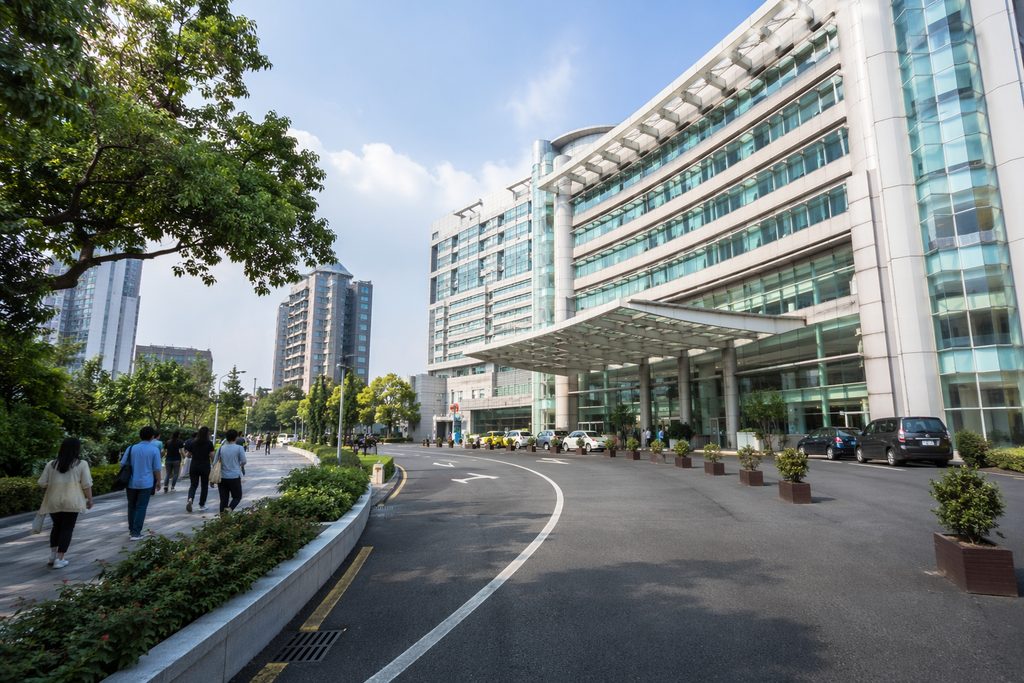
Nanfang Hospital is the First Affiliated Hospital of Southern Medical University. It sits in Guangzhou’s Baiyun District and ranks among the largest teaching hospitals in Guangdong Province. For international patients comparing options across Asia, it is a serious contender — but it is not a private international hospital, and that distinction matters enormously for how you plan your trip.
Key Takeaways
- Nanfang Hospital is a major public tertiary hospital in Guangzhou with strong departments in gastroenterology, orthopedics, and critical care — but it operates on the public hospital model, not a concierge model.
- Same-procedure costs at top Chinese public hospitals typically run 60–80% below US prices. A cardiac bypass that bills over $120,000 in America often lands between $12,000 and $20,000 in China’s top public hospitals.
- The hard part is not the medicine. It is the queueing, the registration system, the language barrier, and the fact that most public hospital outpatient slots cannot be booked from overseas in advance.
- Guangzhou ranks third in China for Fudan Top 100 hospitals — 10 of them — which means you have real alternatives if Nanfang is not the right fit for your specific condition.
The Problem: World-Class Hospitals Behind a Wall of Logistics
Roughly 1 in 4 American adults report delaying or skipping care because of cost, according to repeated KFF health tracking surveys. In Canada and the UK, the pain is different but just as real: median waits for elective orthopedic surgery routinely stretch past 6 months in several provinces and NHS trusts.
China’s top public hospitals offer a genuine alternative on price and speed. The catch is that they were built for volume, not for foreign visitors. A single major Chinese public hospital can process more than 10,000 outpatient visits in a day. Registration windows open at dawn. Appointment slots vanish. Almost nothing on the ground is in English.
That is the actual barrier. Not the surgical skill. Not the equipment. The barrier is that a patient flying in from Dubai or Denver has no realistic way to navigate a system designed for 1.4 billion domestic users — unless someone translates the process for them.
Why Guangzhou and Nanfang Hospital Deserve Serious Consideration
Clinical Volume That Western Surgeons Rarely See
Chinese tertiary hospitals concentrate cases in a way Western systems do not. A senior surgeon at a major Guangzhou teaching hospital may perform several hundred complex procedures annually, while the average US orthopedic surgeon does around 65 joint replacements per year. Volume correlates with pattern recognition, and pattern recognition correlates with fewer surprises in the operating room.
Nanfang Hospital’s gastroenterology and hepatology departments carry particular weight in China’s referral network. Patients from across Guangdong and neighboring provinces are funneled there for complex digestive and liver cases.
Technology and Efficiency at Scale
Equipment is rarely the constraint at this tier of Chinese hospital. You will find robotic surgical systems, 3T MRI, PET-CT, and hybrid operating theaters. What differs is throughput. Imaging that takes three weeks to schedule in some Western systems can often be completed within days of an in-person consultation.
Cost Advantage Without the Quality Trade-Off
Lower prices in Chinese public hospitals come from structural economics — physician salaries, drug procurement through centralized national bidding, and sheer case volume — not from cutting corners on implants or sterilization. The implant in your knee is likely the same Zimmer or Stryker product used in Chicago.
| Procedure | Typical US Cost | Top China Public Hospital |
|---|---|---|
| Coronary artery bypass graft | $120,000+ | $12,000–$20,000 |
| Total knee replacement | $35,000–$60,000 | $8,000–$15,000 |
| Spinal fusion (single level) | $80,000–$150,000 | $15,000–$25,000 |
| Comprehensive health screening | $2,500–$5,000 | $500–$1,500 |
Figures vary by hospital and case complexity. They also exclude travel, lodging, and companion costs. Treat them as planning ranges, not quotes.
How to Book an Appointment at Nanfang Hospital Guangzhou: The Real Sequence
This is where most guides get vague. Here is the honest version.
Public hospital general outpatient slots at Nanfang cannot typically be reserved from overseas weeks in advance. Registration usually happens on the day, in person or through the hospital’s domestic WeChat mini-program, which requires a Chinese ID or resident permit in most cases. That means a foreign patient arriving cold faces a queue with no reserved slot.
The workaround is the hospital’s international or VIP channel. This is a separate service tier with English-speaking staff, shorter waits, and the ability to pre-arrange a consultation. Expect to pay roughly 1.5 to 2 times the standard fee for that access. It is not a bribe or a back door — it is an official, published service line that Chinese hospitals operate for out-of-province and foreign patients.
The sequence that actually works looks like this:
- Send your existing imaging, pathology, and lab reports for a written second opinion before you book flights
- If surgery looks likely, arrange a video consultation with the relevant department so the team can confirm feasibility
- Once a plan is agreed, coordinate an in-person consultation through the international channel
- Admission and surgery are scheduled only after that face-to-face assessment — no public hospital will commit to an operating date based on overseas records alone
That last point surprises people. It should not. No responsible surgeon operates on a patient they have never examined.
Is Nanfang Hospital Guangzhou Good for Foreigners? An Honest Assessment
It depends on what you need.
Nanfang is an excellent choice if your condition falls within its strongest departments and you are comfortable with a public hospital environment. It is a poor choice if you expect a private-room, English-first, insurance-direct-billing experience from arrival to discharge. For that profile, Guangzhou’s private international hospitals — JCI-accredited facilities with English-speaking staff and direct insurer settlement — are the better match. You can compare those options on our private international hospitals page.
On the JCI question specifically: Nanfang Hospital is not primarily marketed as a JCI-accredited international facility. JCI accreditation in China is concentrated among private and select premium public international departments. If JCI status is a hard requirement for your insurer or your own peace of mind, verify current accreditation directly with the hospital before committing — accreditation statuses change, and no third-party summary stays accurate forever.
Who is Nanfang genuinely not suitable for? Patients needing a single point of English-speaking contact for every step, patients whose insurers require direct billing, and patients who cannot tolerate a high-density clinical environment. Being honest about that saves everyone time.
Practical Considerations: Visa, Payment, and Language
For medical travel to China, the applicable short-stay visa category is S2, annotated for medical treatment or private affairs. Family members accompanying a patient apply under S2 as well. Stays exceeding 180 days fall under S1. Requirements shift, so confirm current documentation with the nearest Chinese embassy or consulate — and note that the M visa is for commercial and trade activity, not medical care.
Payment at public hospitals is upfront. You pay before treatment, then seek reimbursement from your insurer afterward. International credit cards are accepted at most large hospitals, but daily transaction limits and foreign-card processing can trip you up. Bring a backup card and check your bank’s overseas limit before departure. Private international hospitals, by contrast, frequently offer direct billing arrangements with major international insurers.
Language is the single biggest practical hurdle. Outside the international department, signage, forms, and pharmacy instructions are in Chinese. Interpretation is not optional for a safe visit.
Frequently Asked Questions
For most major surgical procedures, international patients should budget roughly 60–80% less than US list prices, though international-channel fees run higher than standard public rates. Final cost depends on your diagnosis, implant choice, length of stay, and whether complications arise. Request a written estimate after a remote review rather than relying on any published range.
General outpatient registration usually cannot be reserved from overseas. Pre-arranged consultations are possible through the hospital’s international or VIP service channel, typically at 1.5–2 times the standard fee. Surgery is scheduled only after an in-person examination.
Public hospitals in China generally require upfront payment, with reimbursement handled by your insurer afterward. Some international insurance plans reimburse foreign treatment; check your policy’s exclusions for elective procedures abroad before assuming coverage.
Ask about revision and complication policies in writing before surgery. Reputable hospitals will explain their follow-up protocols. Also arrange a clear handover plan with your home physician, including operative notes and imaging, so continuity of care does not break when you fly home.
Your Next Step
Nanfang Hospital is a genuinely strong institution, and Guangzhou’s depth of medical resources — 10 Fudan Top 100 hospitals — gives international patients real choice. What determines your outcome is less about which building you enter and more about whether the process around it is handled properly.
We are China Medical Services, a coordination service, not a hospital. We do not diagnose or treat. We help international patients match with appropriate Chinese hospitals, arrange written second opinions and video consultations, coordinate appointments, and provide bilingual medical companions on the ground. If you want to understand your options before committing to travel, start with a free consultation — no pressure, no obligation.
This article is for general information only and does not constitute medical advice. Treatment decisions should always be made with a qualified physician who has reviewed your individual case.
For more medical information and treatment options in China, visit chinamedservices.com (China Medical Services).
