Neurology Care in Zhengzhou: Costs and Access at a Leading Chinese Hospital for Foreigners
Neurology Hospital Zhengzhou Cost: The Short Answer
Neurological disorders affect approximately 1 in 3 people globally at some point in their lifetime, according to the World Health Organization. For many international patients, the search for effective, affordable care leads to China. At the First Affiliated Hospital of Zhengzhou University, a neurology consultation typically costs between $50 and $150, while complex procedures like brain tumor resection range from $8,000 to $25,000. That is a fraction of Western prices.
But the neurology hospital Zhengzhou cost is only part of the story. Access, language, and coordination matter just as much as the price tag. The real question is whether this specific institution fits your diagnosis, your timeline, and your expectations for communication.
Who This Is Right For — and Who It Isn’t
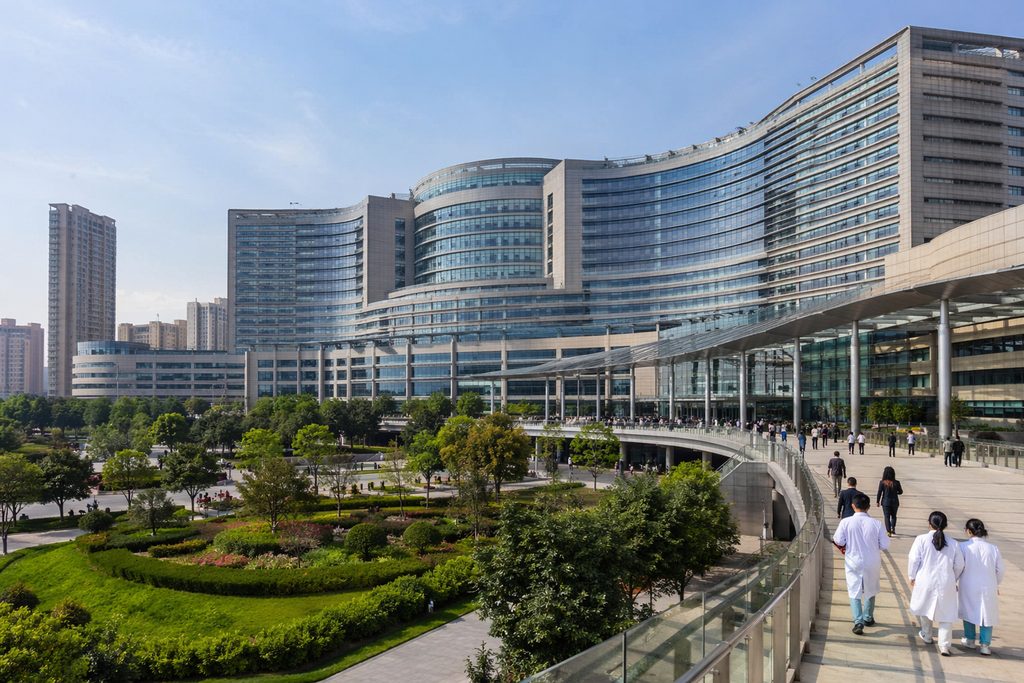
The First Affiliated Hospital of Zhengzhou University handles over 20,000 outpatient visits daily. It is one of the largest hospital systems in central China. That scale creates genuine advantages for certain patients and real drawbacks for others.
You are likely a good candidate if:
- You need a second opinion on a complex neurological diagnosis and already have imaging or lab results
- You are seeking surgical intervention for conditions like epilepsy, brain tumors, or trigeminal neuralgia
- Your condition is stable enough to travel internationally and wait for a consultation
- You are comfortable working through a coordinator or companion for translation
- Your budget requires costs that are 60–80% lower than comparable care in the US or Western Europe
This hospital is probably not the right fit if your condition is acutely unstable, if you need continuous real-time communication with a care team in your native language, or if you expect Western-style appointment scheduling where you book online and show up. Chinese public hospitals operate differently. You cannot simply reserve a specialist slot from abroad through a website.
And that distinction matters.
The Options, Compared
When international patients consider neurology care in China, they are usually weighing three paths. Each has different trade-offs in cost, access, and convenience. The table below breaks down the genuine alternatives.
| Factor | First Affiliated Hospital of Zhengzhou University (Public, Standard Track) | International/VIP Department (Same Hospital or Similar Tier) | Private International Hospital (e.g., United Family, Jiahui) |
|---|---|---|---|
| Consultation fee | $50–$150 | $150–$400 | $200–$500 |
| Brain tumor surgery | $8,000–$25,000 | $15,000–$40,000 | $30,000–$60,000 |
| English-speaking staff | Limited; bring a companion | Usually available | Standard |
| Advance appointment from abroad | Not possible for standard outpatient | Possible through coordination | Usually possible |
| Wait time for specialist | Same-day queue possible, but unpredictable | Days to 2 weeks | Days |
| Insurance direct billing | Rarely | Sometimes | Common |
If your priority is the absolute lowest neurology hospital Zhengzhou cost, the standard public track wins. If communication and predictability matter more than price, the private international route makes sense. The VIP department sits in between. Most international patients we work with choose either the VIP department or a hybrid approach: remote second opinion first, then travel for treatment.
What Makes This Neurology Department Different
The neurology department at the First Affiliated Hospital of Zhengzhou University is not a boutique clinic. It is a high-volume, high-acuity center. That changes the clinical experience in ways that are hard to capture in a cost table.
High surgical volume matters in neurology. A 2018 study in The Lancet Neurology found that hospitals performing more than 50 complex neurosurgical procedures annually had significantly lower complication rates than lower-volume centers. This hospital’s neurosurgery team performs thousands of procedures each year. That repetition builds muscle memory — literally and figuratively.
But volume also means crowding. Hallways are busy. Consultations can feel brief. The doctor may see 60 or more patients in a morning session. You will get expertise. You will not get a leisurely, unhurried conversation unless you specifically arrange for that through the international department.
Another differentiator: the hospital’s stroke center. Zhengzhou sits in Henan province, which has one of the highest stroke burdens in China. The neurology team here manages an enormous caseload of ischemic and hemorrhagic stroke, which translates into deep experience with acute intervention and rehabilitation. For patients with cerebrovascular disease, that concentration of cases is a real clinical asset.
What It Costs: A Realistic Breakdown
Let us be concrete about the neurology hospital Zhengzhou cost. The figures below reflect typical ranges for international patients paying out of pocket at this hospital. Final amounts vary by diagnosis, ward type, and whether you use the standard or international track.
- Initial neurology consultation: $50–$150
- MRI with contrast: $150–$300
- CT scan: $80–$200
- EEG (electroencephalogram): $50–$150
- Lumbar puncture: $200–$500
- Epilepsy surgery evaluation: $500–$1,500
- Brain tumor resection (uncomplicated): $8,000–$25,000
- Deep brain stimulation (DBS) for Parkinson’s: $20,000–$40,000
- Inpatient ward (standard): $30–$80 per day
- Inpatient ward (VIP/international): $100–$300 per day
For comparison, brain tumor surgery in the United States averages $50,000 to $150,000 depending on complexity and location. Deep brain stimulation in the US can exceed $100,000. The gap is substantial.
But remember: these prices do not include travel, accommodation, visa fees, or translation support. A two-week stay in Zhengzhou with a companion and hotel typically adds $1,500 to $3,000. Still, the total remains well below Western costs for most procedures.
Ask for an itemized cost estimate before committing to surgery. The hospital’s international department can provide this, but you may need a coordinator to request it on your behalf.
Practical Considerations: Records, Visas, and Language
Getting to Zhengzhou is straightforward. Getting treated there requires preparation.
Medical records. Bring everything. Imaging on CD or USB, pathology reports, medication lists, and a summary of prior treatments. Chinese neurologists will want to review your full history. If your records are not in English or Chinese, have them translated before you travel.
Visa. Foreign nationals traveling to China for medical treatment apply for an S2 visa. This is a short-stay category used for private affairs, including medical treatment. You will need supporting documents from the hospital — typically an invitation letter or treatment confirmation. Family members accompanying you also apply for S2 visas. The M visa is not appropriate here; it is for commercial and trade activities. Processing times vary by embassy, so start at least 4–6 weeks before your planned travel.
Payment. Public hospitals in China generally require prepayment for inpatient care. You will deposit funds at admission, and the hospital deducts charges daily. International credit cards are not always accepted at the standard track. Bring cash, set up a Chinese payment method, or arrange payment through the international department.
Insurance. Most Western insurers do not have direct billing arrangements with Chinese public hospitals. You will likely pay out of pocket and seek reimbursement afterward. Check with your insurer before traveling. Some international health plans do cover treatment at accredited Chinese hospitals.
Language. This is the single biggest practical barrier. Few staff members at the standard outpatient track speak fluent English. Without a bilingual companion, even simple tasks — registering, finding the right department, understanding medication instructions — become difficult. The international department offers English support, but it costs more and must be arranged in advance.
Frequently Asked Questions
Safety depends on the institution and the procedure. Top-tier hospitals like the First Affiliated Hospital of Zhengzhou University follow strict clinical protocols and are subject to national quality standards. Surgical volume is high, which correlates with better outcomes for complex procedures. But communication gaps can create risk if you do not have translation support. The medical care is generally safe; the logistics require careful management.
Brain tumor resection in China typically ranges from $8,000 to $25,000 at a top public hospital. In the US, the same procedure averages $50,000 to $150,000. Even adding travel, accommodation, and coordination fees, the total cost in China is usually 60–80% lower. The trade-off is distance from home, language barriers, and a different healthcare culture.
Not directly through a public website. Standard outpatient appointments require in-person registration on the day of the visit. To secure a specific specialist in advance, you need to go through the hospital’s international department or work with a coordination service. That route costs more but provides certainty and English-language support.
Chinese neurologists will provide a discharge summary and treatment plan. You can share these with your home physician. For ongoing questions, video consultations with the Chinese team are possible through the international department. Some patients also arrange periodic return visits. The key is to establish a clear communication channel before you leave.
Your Next Step
Choosing a neurology hospital in China is not just about finding the lowest price. It is about matching your diagnosis to the right institution, preparing your records properly, and ensuring you have language support throughout the process. The First Affiliated Hospital of Zhengzhou University offers genuine clinical depth at a fraction of Western costs — but the logistics are not something most patients can navigate alone.
We help international patients understand their options, coordinate appointments through official hospital channels, and arrange bilingual companions for the day of treatment. We are not a hospital, and we do not diagnose or treat. If you want to explore whether this hospital fits your situation, start with a conversation. Visit our patient services page to learn how we work. You can also explore our database of top-ranked Chinese hospitals to compare other options.
Take your time. Ask hard questions. The right decision is the one you make with full information.
For more medical information and treatment options in China, visit chinamedservices.com (China Medical Services).
