Shengjing Hospital Oncology for International Patients: Costs, Booking, Care Quality
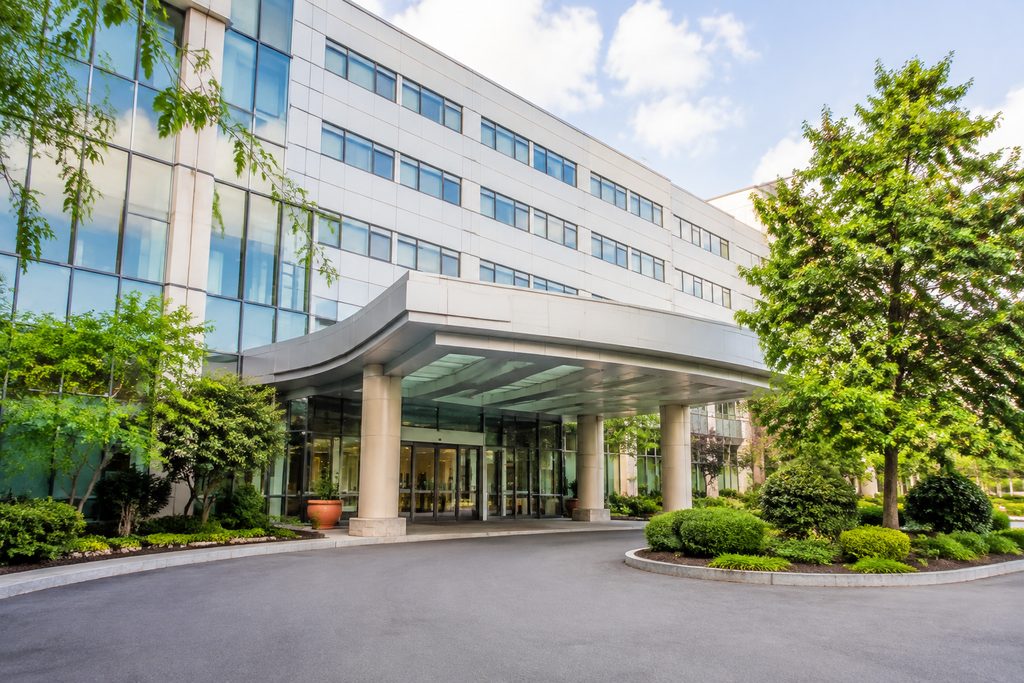
Have you ever wondered whether a top-ranked Chinese oncology center could actually work for you — not just on paper, but logistically, financially, and medically? It is a fair question. Many international patients hear about China’s high-volume cancer centers and impressive survival statistics, yet struggle to find clear, honest information about what treatment at a specific hospital like Shengjing Hospital of China Medical University actually involves. This guide answers that directly: what Shengjing Hospital offers in oncology, what it costs, how to book care, and whether it is the right choice for a foreign patient.
Shengjing Hospital Cancer Treatment Cost: The Short Answer
For most international patients, the Shengjing Hospital cancer treatment cost runs between $15,000 and $45,000 for a full surgical course with a standard hospital stay. Chemotherapy cycles typically range from $3,000 to $8,000 per cycle depending on drug regimen. Radiation therapy courses usually fall between $8,000 and $20,000. These figures reflect the hospital’s international department pricing, which is roughly 1.5 to 2 times the standard domestic rate.
But that headline number hides real complexity. Your actual cost depends on cancer type, stage, whether surgery is open or minimally invasive, length of stay, and whether you need combined modality treatment. A straightforward thyroid cancer surgery costs far less than an esophageal cancer resection with reconstruction. And none of these figures include travel, accommodation, or post-discharge recovery support in Shenyang.
Who This Is Right For — and Who It Isn’t
Shengjing Hospital suits a specific profile of international patient. Understanding whether you fit that profile matters more than any price list.
Patients who tend to do well here include those with cancers where Chinese surgical volume is exceptionally high — gastric, esophageal, liver, lung, and gynecologic malignancies. If you need a complex resection and your home country has a long surgical wait, the hospital’s throughput becomes a genuine advantage. Patients who already have a confirmed diagnosis and imaging also benefit, because they can move directly to treatment planning rather than diagnostic workup.
Who should think twice? Patients with rare hematologic malignancies requiring highly specialized clinical trial access may find better options at dedicated cancer centers in the US or Europe. Those needing continuous, nuanced communication about palliative care goals often struggle with the language and cultural distance. And anyone whose condition is unstable for long-haul travel should not attempt the journey.
The Options, Compared
Shengjing Hospital is one option among several. Here is how it stacks up against other realistic choices for an international cancer patient.
| Factor | Shengjing Hospital (Shenyang) | Top-Tier Beijing/Shanghai Cancer Center | US Academic Cancer Center |
|---|---|---|---|
| Surgical cost (major resection) | $15,000–$45,000 | $25,000–$70,000 | $80,000–$250,000+ |
| Wait time for surgery | 1–3 weeks after consultation | 1–4 weeks after consultation | 4–12 weeks typical |
| English-speaking staff | Limited; interpreter needed | More common in international departments | Standard |
| International patient infrastructure | Developing; fewer foreign patients | Established; high foreign patient volume | Mature |
| Oncology reputation (Fudan ranking) | Strong regional; not in national top 10 for oncology | Often ranked among China’s top 10 for oncology | Global top-tier |
If cost is your dominant constraint and you have a common solid tumor, Shengjing makes strong sense. If you want the most established international patient pathway in China, a Beijing or Shanghai center ranked among China’s top 10 for oncology will feel smoother. And if budget is not a concern and you want the most familiar care environment, staying in the US remains the simplest choice — just a far more expensive one.
Is Shengjing Hospital Good for International Patients? A Realistic Assessment
The honest answer: Shengjing is a genuinely excellent hospital with a developing — not yet mature — international patient program. That distinction matters.
Shengjing Hospital of China Medical University is one of the largest hospitals in Northeast China. It operates three campuses in Shenyang, handles enormous patient volume, and has strong departments across multiple specialties. Its oncology department treats a high number of gastric, colorectal, lung, breast, and gynecologic cancers annually. Surgical teams perform complex procedures routinely. That volume translates into technical proficiency.
What it lacks is the polished international patient infrastructure you would find at, say, Peking Union Medical College Hospital or a Shanghai international hospital. Fewer staff speak fluent English. The billing and admission process for foreigners is less streamlined. You will need a bilingual medical companion or coordinator to navigate registration, payment, and communication with your care team. That is not a criticism of medical quality — it is a practical reality of seeking care at a hospital that primarily serves domestic patients.
So: is Shengjing Hospital good for international patients? Medically, yes, for the right cancer types. Operationally, only if you have proper coordination support.
How to Book Cancer Treatment at Shengjing Hospital
Booking cancer treatment at Shengjing Hospital as a foreigner follows a different path than what you may be used to. You cannot simply call the hospital’s general line and schedule surgery. Chinese public hospitals, including Shengjing, require an in-person outpatient consultation before any surgical admission. That is a universal rule across China’s public system.
The practical route for international patients looks like this. First, you submit your existing medical records — pathology reports, imaging, surgical history, current medications — for review. A relevant oncology specialist evaluates whether your case is appropriate for treatment at Shengjing. This written second opinion step typically costs $300 to $500 and takes 5 to 10 business days.
If the specialist confirms feasibility, the next step is a video consultation. You speak directly with the oncology team, describe your symptoms and goals, and hear their proposed treatment approach. This costs $500 to $800 for a top-specialist video consultation. Any consultation fee you pay is credited in full toward on-the-ground coordination services if you proceed to treatment in China within 90 days.
After that, you travel to Shenyang on an S2 visa, which is the correct short-stay category for medical treatment and private affairs. Your coordinator arranges the hospital medical card, registration, and in-person specialist consultation. Only after that face-to-face consultation can the hospital schedule surgery or admission. Expect the process from initial record submission to hospital admission to take 3 to 6 weeks.
Medical Tourism Cancer Care Shenyang Price: What Drives the Variance
The medical tourism cancer care Shenyang price varies more than most patients expect. Three factors drive most of the difference.
Cancer type and surgical complexity sit at the top. A laparoscopic colon resection costs less than an open esophagectomy with lymph node dissection. The former might run $15,000 to $20,000; the latter could reach $40,000 or more. Drug costs for chemotherapy depend entirely on regimen — generic cisplatin-based protocols cost a fraction of targeted therapies or immunotherapies, which can add $5,000 to $15,000 per cycle.
Length of stay matters too. Chinese hospitals tend toward longer post-operative stays than US hospitals. A 10-day admission costs more than a 5-day one, though still far less than equivalent US care.
And the international department markup is real. Using the hospital’s VIP or international channel — which gives you access to senior specialists and English-language coordination — costs roughly 1.5 to 2 times the standard public rate. That premium buys you faster access and better communication, not better medicine. The underlying treatment is the same.
Practical Considerations: Records, Visa, Payment, and Follow-Up
Getting treated at Shengjing requires preparation. Start with your medical records. You need complete, translated documentation: pathology slides or reports, CT/MRI/PET-CT imaging on disc, surgical notes if applicable, and a summary of all prior treatments. Translation into Chinese is essential — the hospital’s specialists will review these directly.
Your visa is the S2 category, issued for short-term private affairs including medical treatment. You will need supporting documents from the hospital, typically an invitation letter or treatment confirmation from the international department. Family members accompanying you also apply for S2 visas. Processing times vary by embassy, so apply 4 to 6 weeks before travel.
Payment at Shengjing is pre-paid. You deposit funds before admission, and the hospital deducts from that deposit as services are delivered. International insurance is generally reimbursement-based — you pay upfront, then claim from your insurer after returning home. Bring documentation for every expense.
Language is the single biggest practical barrier. Without Chinese proficiency, even simple tasks — finding the right building, understanding pre-op instructions, asking about medications — become difficult. A bilingual medical companion costs from $300 per day and handles registration, queueing, payment, navigation, and interpretation throughout your stay.
Follow-up after returning home is a genuine challenge. Your Shenyang oncologist can provide a written treatment summary and recommendations, but ongoing monitoring will likely fall to your local physician. Establish that local relationship before you leave for China.
Frequently Asked Questions
Shengjing is a strong regional hospital but does not appear in the national top 10 for oncology in the Fudan specialty reputation rankings. For patients who want a hospital explicitly ranked among China’s top 10 for oncology, a Beijing or Shanghai center is the more direct choice. Shengjing’s strength is high surgical volume and solid clinical outcomes at a lower price point than first-tier cities.
No. Chinese public hospitals require an in-person outpatient consultation before any surgical admission. You can complete the remote evaluation — written second opinion and video consultation — before traveling, which confirms your case is appropriate and gives you a proposed treatment plan. But the final surgical scheduling happens only after you arrive and meet the specialist face-to-face.
That happens, and it is exactly why the remote evaluation step exists. You will have spent $300 to $500 on a written second opinion and avoided the far larger cost of traveling to Shenyang for nothing. The specialist may recommend a different treatment approach, a different hospital, or staying with your local care team. You are under no obligation to proceed.
For a 3-week treatment trip to Shenyang, budget roughly $3,000 to $6,000 for flights, accommodation, food, local transport, and a bilingual medical companion for key hospital days. Shenyang is significantly cheaper than Beijing or Shanghai for daily expenses. Add more if you need extended post-operative recovery in the city before flying home.
Your Next Step
Shengjing Hospital offers competent, high-volume oncology care at a price that is hard to match in Western countries. But it is not a plug-and-play experience for foreign patients. The path runs through remote record review, specialist video consultation, an S2 visa, and on-the-ground coordination in Shenyang.
China Medical Services helps international patients navigate exactly this process. We are not a hospital and we do not provide diagnoses or treatment. We connect you with the right specialists at hospitals like Shengjing, coordinate your records and consultations, and arrange bilingual support on the ground. If you are weighing whether Shengjing Hospital is the right fit for your cancer treatment, start with a free consultation at our patient services page — we will help you understand whether this path makes sense before you commit to anything.
The core message is simple: Shengjing can be an excellent choice for the right patient with the right cancer type and the right support. Know your records, understand the process, and do not skip the remote evaluation step. It is the cheapest insurance you will ever buy against a wasted trip.
For more medical information and treatment options in China, visit chinamedservices.com (China Medical Services).
