Pediatric Bone Tumor Treatment in China: Shanghai Sixth Orthopedics Guide
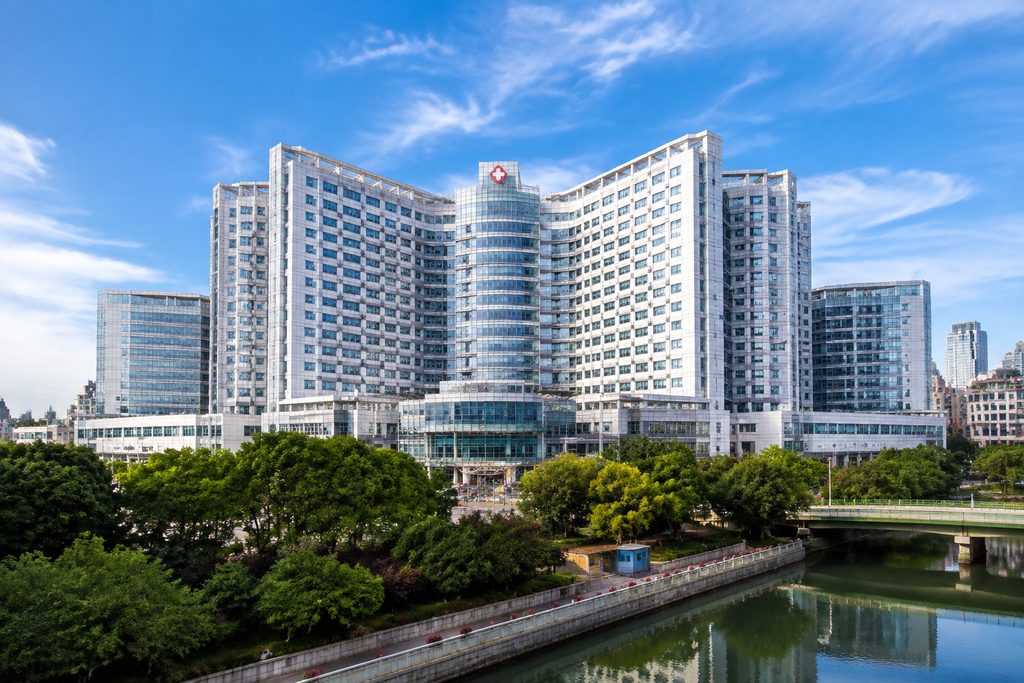
While families in the UK wait a median of 8.6 weeks just to see an orthopedic specialist, the pediatric orthopedic oncology team at Shanghai Sixth People’s Hospital evaluates complex bone tumor cases within days of receiving imaging. That gap is why a growing number of international parents are searching for pediatric bone tumor treatment cost China comparisons before making any decision. The numbers are striking, but the story behind them matters more.
Key Takeaways
- Shanghai Sixth People’s Hospital is consistently ranked among China’s top orthopedic centers on the Fudan specialty reputation list, with dedicated pediatric orthopedic oncology expertise.
- Pediatric bone tumor treatment cost China typically runs 60–80% below equivalent US hospital charges, though final pricing depends entirely on tumor type, surgical complexity, and reconstruction needs.
- The hard part is not the surgery itself — it is navigating a hospital system where walk-in registration, Chinese-language paperwork, and pre-payment rules can overwhelm families who arrive unprepared.
- Written second opinions and video consultations let you evaluate a Chinese treatment plan before committing to travel, which is the single most important step for most families.
The Problem: Why Families Search Beyond Their Own Borders
In the United States, limb-salvage surgery for a pediatric osteosarcoma can carry hospital charges exceeding $150,000 before physician fees, rehabilitation, and prosthetics are added. In the UK’s National Health Service, the clinical care is excellent but waiting lists for pediatric orthopedic oncology review can stretch for weeks, and families often face limited choice of surgical teams.
That combination — high cost in one system, long waits in another — pushes parents to look at options they might never have considered. A child diagnosed with Ewing sarcoma or osteosarcoma needs decisions made quickly and correctly. The tumor does not pause while a family weighs logistics.
What most parents do not realize is that China’s top orthopedic hospitals handle pediatric bone tumor cases at a volume few Western centers can match. Shanghai Sixth People’s Hospital, formally affiliated with Shanghai Jiao Tong University, is one of the largest orthopedic centers in the world. Its surgeons perform thousands of complex orthopedic procedures annually, and the pediatric musculoskeletal tumor service is a recognized referral destination within China.
Why Shanghai Sixth Orthopedics Delivers Results
The case for considering this hospital rests on three structural facts, not marketing claims.
Clinical Volume That Builds Surgical Judgment
Bone tumors in children are rare. A general orthopedic surgeon in a mid-sized Western city might see a handful of pediatric osteosarcoma cases in an entire career. At a high-volume Chinese center, the pediatric tumor team encounters these cases regularly — which matters enormously when the surgery involves preserving a growing limb, reconstructing a joint, or deciding between limb salvage and amputation.
Volume does not automatically equal quality. But for rare conditions, concentrated experience is a genuine clinical advantage, and it is one of the few measurable proxies families can use when comparing centers.
Technology and Surgical Infrastructure at Scale
Shanghai Sixth operates with intraoperative navigation, 3D-printed custom prosthetics, and multidisciplinary tumor boards that bring together orthopedic oncology, pediatric oncology, radiology, and pathology in a single review. The hospital’s orthopedic department is one of the largest in Asia by bed count and surgical output.
For a child with a bone tumor, that multidisciplinary structure is not a luxury. It is the difference between a plan built on one surgeon’s opinion and a plan stress-tested by five specialists.
Cost Advantage Without the Quality Trade-Off
Here is the honest explanation for why pediatric bone tumor treatment cost China is lower. It is not because the surgery is inferior. It is because surgeon salaries, hospital operating costs, implant pricing negotiated at national scale, and the absence of the US-style administrative overhead all compress the total bill.
A limb-salvage procedure with custom prosthesis that might bill at $180,000–$250,000 in a US children’s hospital often falls in the $35,000–$70,000 range at a top Chinese public hospital, depending on implant type and length of stay. That range is illustrative, not a quote — final pricing varies by hospital and case complexity, and every family should confirm figures directly with the treating institution.
What Pediatric Bone Tumor Treatment Actually Costs in China
The table below reflects typical ranges reported for major pediatric orthopedic oncology procedures at top-tier Chinese public hospitals. Treat these as planning figures, not fixed prices.
| Procedure / Service | Typical Range in China (USD) | Comparable US Range (USD) |
|---|---|---|
| Limb-salvage resection with custom prosthesis | $35,000 – $70,000 | $150,000 – $250,000 |
| Rotationplasty or amputation with prosthetic fitting | $15,000 – $35,000 | $80,000 – $140,000 |
| Chemotherapy cycle (inpatient, per cycle) | $1,500 – $4,000 | $12,000 – $30,000 |
| Pre-operative imaging and biopsy workup | $800 – $2,500 | $6,000 – $15,000 |
| Inpatient stay (per day, standard ward) | $150 – $400 | $2,500 – $6,000 |
Two caveats matter here. First, these figures exclude travel, accommodation, and companion costs. Second, children’s cases are rarely identical — a tumor that responds well to neoadjuvant chemotherapy may need less extensive reconstruction than one that does not.
How the Process Works: From First Email to Post-Op Follow-Up
Most international families do not fly to Shanghai first. They start remotely, and that sequence protects them from an expensive mistake.
Step 1 — Records review. You send existing imaging (MRI, CT, X-ray), biopsy pathology reports, and any treatment history. The relevant specialty reviews them and returns a written analysis with treatment direction. This is a written second opinion, and it costs $300–$500.
Step 2 — Video consultation. If the written opinion raises questions, a video session with the Chinese specialty team lets you explain your child’s symptoms and goals directly. Depending on the hospital tier, this runs $100–$800, with multidisciplinary team reviews at $1,500–$2,000. Any consultation fee is credited in full toward on-the-ground coordination if you proceed within 90 days.
Step 3 — Visa and travel planning. Medical travel to China uses the S2 visa, which covers short-stay treatment and private affairs; stays over 180 days require S1. Accompanying family members apply under the same S2 category. Requirements shift, so always verify current rules with the nearest Chinese embassy or consulate and secure the hospital’s supporting documents before applying.
Step 4 — Arrival and in-person evaluation. Public hospital outpatient registration in China generally cannot be booked from abroad in advance for standard channels. The first in-person consultation confirms the plan, and surgery is scheduled only after that face-to-face assessment. International departments and VIP channels can streamline this, typically at 1.5–2 times the standard fee.
Step 5 — Surgery, recovery, and discharge. Post-operative rehabilitation for pediatric limb salvage usually spans 6–12 months, with most families able to return home within 3–6 weeks of surgery once wound healing and initial physical therapy milestones are met.
Evaluating Safety and Choosing the Right Center
It varies widely by procedure. After limb-salvage surgery, most children need 6–12 months of rehabilitation before returning to full activity, with the first 6–8 weeks focused on wound healing and protected weight-bearing. Amputation with prosthetic fitting follows a different timeline, often 3–6 months to comfortable prosthetic use. Your surgical team will give a case-specific estimate.
Top Chinese orthopedic centers produce outcomes comparable to Western centers for standard limb-salvage and reconstruction procedures. Safety depends on tumor type, stage, and team experience — not nationality. Ask directly about the team’s annual case volume and whether a multidisciplinary tumor board reviews your child’s plan.
The S2 visa covers short-stay medical treatment and private affairs, and accompanying family members apply under the same category. Stays exceeding 180 days require S1. Requirements change, so confirm current rules with your nearest Chinese embassy and prepare the hospital’s supporting documents before applying.
Start by gathering imaging and pathology records, then request a remote review. If the case looks treatable in China, the hospital’s international department coordinates the in-person appointment. Standard public hospital channels generally cannot be pre-booked from overseas, so working through an international or VIP channel is the practical route for most families.
Your Next Step
Pediatric bone tumors are rare, frightening, and time-sensitive — and the difference between a rushed decision and a well-evaluated one can shape your child’s long-term function. China’s top orthopedic centers offer genuine expertise at a fraction of Western costs, but only if you approach them with the right records and the right sequence.
We are a medical concierge service, not a hospital, and we do not provide diagnoses or clinical advice. What we do is connect families with the right Chinese specialty teams, coordinate written second opinions and video consultations, and handle the logistics — visa guidance, appointment coordination, bilingual companions — so you can focus on your child. If you would like to explore whether a Chinese center fits your case, start with a free consultation and we will walk you through the options at your pace.
Frequently Asked Questions
Yes. The hospitals used for international patients are JCI-accredited and follow the same international safety standards as top hospitals in the US and Europe. Surgical teams perform high volumes of procedures — often more than their Western counterparts — which studies show leads to better outcomes.
Costs vary by procedure and hospital, but international patients typically save 40-80% compared to US prices — even when factoring in travel and accommodation. A consultation with our team will give you an exact, all-inclusive quote with no hidden fees.
Send us your existing medical reports to get started. We handle everything from hospital selection and appointment scheduling to visa assistance and post-operative recovery planning. Your medical records are reviewed by the specialist before you even book a flight.
For more medical information and treatment options in China, visit chinamedservices.com (China Medical Services).
