Peking University First Hospital: China’s Nephrology & Urology Academic Powerhouse
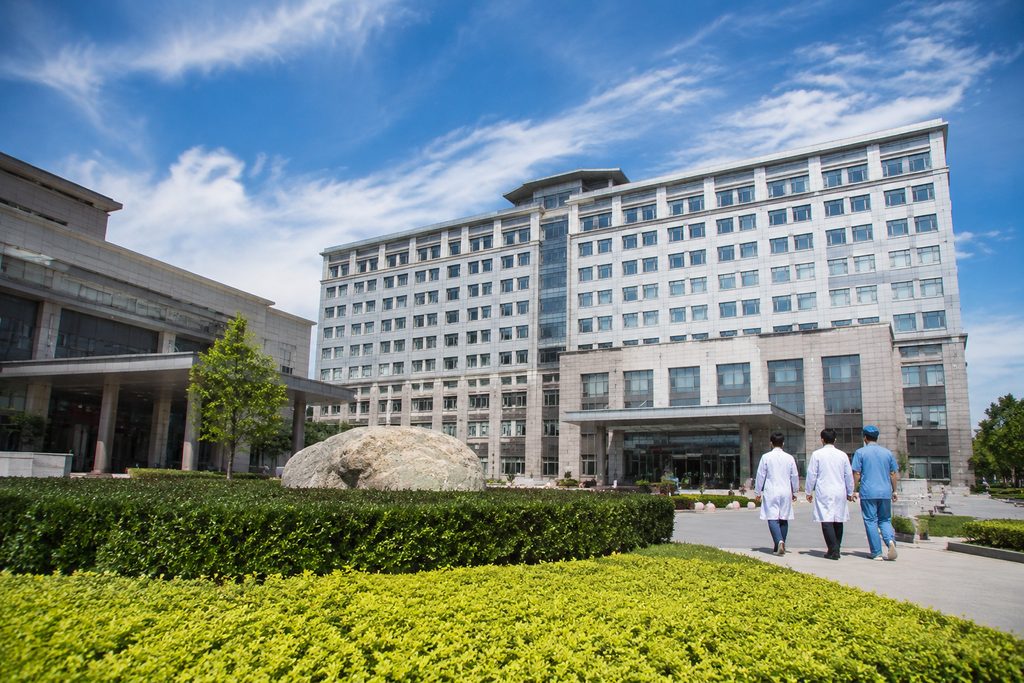
Peking University First Hospital Beijing: Nephrology and Urology Academic Medical Center
Chronic kidney disease affects approximately 850 million people worldwide. For many, the search for specialized care leads down a frustrating path of long wait times, fragmented consultations, and treatment plans that feel rushed. When you start looking for the best nephrology hospital in Beijing, you will encounter one name repeatedly: Peking University First Hospital. This is not marketing hype. It is the result of decades of academic leadership, staggering clinical volumes, and a research output that shapes how kidney disease is treated across Asia and beyond.
We are not doctors. Our team does not provide medical treatment or clinical diagnoses. What we do is simpler, and in its own way, just as critical: we handle the logistics that stand between you and China’s most respected medical institutions. Think of us as your operational architects—the people who make sure your visa is correct, your medical records are translated properly, your appointment is confirmed, and someone who speaks both languages fluently is standing beside you on the day you walk through the hospital doors.
Key Takeaways
- Peking University First Hospital operates China’s oldest and most academically influential nephrology department, with over 70 years of continuous clinical innovation and research leadership.
- The hospital’s urology institute, founded in 1946, is widely recognized as the birthplace of modern urological surgery in China and maintains the country’s largest clinical database for urological cancers.
- International patients cannot simply book treatment online—public hospital systems require in-person consultation first, and navigating this without local expertise means facing language barriers, payment complexities, and scheduling dead ends.
- Costs for major procedures like kidney transplantation typically range from $30,000 to $50,000 USD, roughly one-fifth to one-eighth of comparable care in the United States, though final pricing varies significantly by case complexity and the specific clinical pathway required.
The Problem: Kidney Disease Does Not Wait for Bureaucracy
In the United States, the median wait time for a kidney transplant exceeds 3.6 years, according to data from the Organ Procurement and Transplantation Network. In the United Kingdom, the National Health Service reports that some patients wait over 1,000 days just for an initial specialist nephrology consultation in overburdened regions. Canada is not dramatically better—provincial data from Ontario shows that only 38% of patients referred for urgent nephrology assessment are seen within the target four-week window.
These are not just statistics. They represent months and years during which kidney function declines, dialysis becomes unavoidable, and treatment options narrow. For patients with complex urological conditions—aggressive prostate cancer, recurrent kidney stones requiring advanced percutaneous surgery, congenital abnormalities needing reconstruction—the situation is often worse. You need a surgeon who has seen your exact presentation hundreds of times, not a handful. You need a center where multidisciplinary teams meet weekly to debate treatment protocols, not one where you shuttle between disconnected specialists.
That is the gap Peking University First Hospital fills. And it fills it at a scale that most Western patients have never encountered.
Who We Are
China Medical Services exists to solve one specific problem: the immense logistical gap between international patients and China’s top-tier hospitals. We are not a hospital. We do not employ doctors or make clinical recommendations. We are a medical concierge team—bilingual, Beijing-based, and deeply familiar with the operational realities of institutions like Peking University First Hospital. We translate medical records into the precise format Chinese specialists expect. We coordinate with hospital international departments to secure consultation slots. We arrange S2 medical visas, airport transfers, accommodation near the hospital, and daily bilingual companionship during your appointments. We do not promise outcomes. We promise that the administrative and linguistic barriers will not be the reason you fail to access excellent care.
Why Peking University First Hospital Defines the Standard for Nephrology and Urology
Some hospitals are good at many things. Peking University First Hospital is exceptional at a few—and nephrology and urology sit at the very top of that list. The institution’s reputation is not built on advertising. It rests on a foundation of academic firsts, surgical volumes that generate genuine expertise, and a research pipeline that has influenced clinical guidelines internationally.
China’s Oldest Nephrology Program—and Still Its Most Influential
The Department of Nephrology at Peking University First Hospital was established in 1954 by Professor Wang Shuxian, widely regarded as the father of modern Chinese nephrology. That is not ceremonial language. The department published China’s first systematic renal biopsy study. It developed the diagnostic criteria for IgA nephropathy that are still referenced in Asian populations. It operates one of the world’s largest renal pathology laboratories, processing over 5,000 biopsy specimens annually—a volume that allows pathologists to recognize rare disease patterns that smaller centers might see once in a career.
When you search for the best nephrology hospital in Beijing, what you are really asking is: where do the most complex cases go? Where do other nephrologists send their own family members? The answer, for chronic glomerulonephritis, lupus nephritis, diabetic kidney disease, and difficult-to-manage electrolyte disorders, is consistently this department. The Fudan University Hospital Rankings, China’s most authoritative hospital evaluation system, places Peking University First Hospital’s nephrology program in the top tier nationally, year after year. That ranking is based on peer reputation among department chairs and clinical directors across the country—the people who know the field best.
The Urology Institute: 78 Years of Surgical Leadership
Founded in 1946, the Institute of Urology at Peking University First Hospital predates the modern Chinese healthcare system. It is where China’s first open prostatectomy was performed. Where the country’s first kidney transplantation program took shape. Where endoscopic and laparoscopic urological surgery were pioneered and then taught to generations of surgeons who now lead departments across Asia.
Today, the institute performs over 8,000 urological surgeries annually. That volume matters. Research published in The New England Journal of Medicine and The Lancet has consistently demonstrated that for complex surgical procedures, higher hospital and surgeon volumes correlate with lower complication rates and better long-term outcomes. A surgeon who performs 200 radical prostatectomies per year is simply operating in a different statistical universe than one who performs 30. The institute’s subspecialty teams—uro-oncology, stone disease, female urology, pediatric urology, and andrology—each function as high-volume dedicated units, not generalists who occasionally handle complex cases.
Patients researching how is Peking University First Hospital for urology surgery should understand this structural reality: the hospital’s urologists are not just skilled individuals. They work within a system designed for volume, peer review, and continuous protocol refinement. Weekly multidisciplinary conferences bring together urologists, medical oncologists, radiation oncologists, and pathologists to review imaging and pathology for every major cancer case. That kind of integrated review is difficult to replicate in fragmented healthcare systems.
The Kidney Transplant Program: Where Nephrology and Urology Converge
Kidney transplantation at Peking University First Hospital sits at the intersection of its two strongest disciplines. The transplant team draws on nephrologists who understand immunological risk stratification and urological surgeons who handle the vascular and reconstructive demands of the procedure. The program performs approximately 200 to 300 kidney transplants annually, with graft survival rates comparable to international benchmarks reported by the Collaborative Transplant Study group.
For international patients asking about kidney transplant price China, the financial picture requires careful explanation. A kidney transplant at a top-tier Chinese public hospital typically costs between $30,000 and $50,000 USD for the surgical procedure and immediate post-operative care. This compares to a median cost of approximately $414,000 in the United States, according to data from the Milliman research group. The cost differential reflects structural economic factors—lower labor costs, different pharmaceutical pricing, hospital efficiency—not a quality gap. However, international patients must understand several critical constraints. Organ allocation in China operates under strict legal frameworks governed by the National Health Commission. Living donor transplantation is permitted only between legally defined relatives, with rigorous documentation requirements. Deceased donor organs are allocated through a national system that prioritizes Chinese citizens. International patients considering transplantation need to understand these parameters clearly before making any plans.
Understanding the Real Costs: Peking University First Hospital Urology Cost and Nephrology Pricing
Cost transparency in Chinese public hospitals works differently than what Western patients expect. There is no single price list published online for international patients. Fees depend on the clinical pathway, the specific surgeon, the complexity of the procedure, and whether care is delivered through the standard public channel or the hospital’s international/VIP department. That said, our experience coordinating care for international patients allows us to provide reasonable reference ranges.
| Procedure | Estimated Cost at PKU First Hospital (USD) | Comparable US Cost (USD) |
|---|---|---|
| Radical prostatectomy (robotic-assisted) | $12,000 – $18,000 | $40,000 – $70,000 |
| Percutaneous nephrolithotomy (complex kidney stones) | $5,000 – $8,000 | $25,000 – $45,000 |
| Kidney transplantation (surgical + initial post-op) | $30,000 – $50,000 | $300,000 – $414,000 |
| Renal biopsy with comprehensive pathology | $800 – $1,500 | $3,000 – $6,000 |
| Nephrology consultation (international department) | $100 – $300 | $350 – $600 |
These figures are estimates based on cases we have coordinated. They vary by hospital and case complexity. International department pricing typically runs 1.5 to 2 times higher than standard public pricing, reflecting English-speaking coordination, expedited scheduling, and more comfortable facilities. The trade-off is straightforward: you pay more for the logistical ease and language support, but you still pay dramatically less than equivalent care in North America or Western Europe.
For patients exploring urology medical tourism packages China, it is worth understanding that Chinese public hospitals do not offer “packages” in the way that private hospitals in Thailand or India might. What exists instead is a coordinated care pathway that our team assembles: consultation scheduling, procedure booking, hospital admission, post-operative recovery support, and follow-up coordination. The total cost depends on the clinical decisions made after the initial consultation—not on a pre-set bundle.
What You Need to Know Before Going Alone
We have seen patients try to navigate this system independently. Some succeed. Most encounter frustrations that delay care by weeks or months. Here is what you are up against.
- Public outpatient registration cannot be booked from overseas: The standard public outpatient system at Peking University First Hospital—and virtually all Chinese public hospitals—requires same-day registration in person. You cannot email the hospital, call a central booking line, or reserve a slot online from another country. The hospital’s international department does offer pre-arranged consultations, but accessing that channel requires knowing exactly who to contact and having your medical records presented in the expected format. Without this, you arrive in Beijing and start queuing.
- Payment is upfront and almost entirely out-of-pocket at the point of care: Chinese public hospitals do not bill international insurance companies directly. You pay a deposit upon admission—often $5,000 to $15,000 depending on the procedure—and settle the balance before discharge. You then seek reimbursement from your insurer. This creates cash flow demands that surprise patients accustomed to direct billing arrangements.
- Language barriers are absolute and unforgiving: Few attending physicians at Peking University First Hospital speak functional medical English. Nursing staff almost never do. Registration forms, consent documents, test results, and discharge instructions are in Chinese. Even finding the correct building on a campus that serves over 10,000 outpatients daily requires reading Chinese signage. This is not a minor inconvenience. It is a safety issue if you cannot communicate symptoms, understand medication instructions, or provide informed consent.
- Medical records must be translated and formatted correctly: Chinese specialists expect to see imaging on CD or film, pathology slides for re-review, and translated summaries of prior treatments. Sending a PDF of your electronic health record in English will not suffice. The nephrology department, in particular, will want to re-examine renal biopsy specimens in their own pathology lab—a practice rooted in their research protocols and diagnostic standards.
How We Help You Navigate This
These barriers are real. They are also solvable with the right operational support. Our process is designed to remove each friction point systematically.
Before you travel, we collect your medical records, have them translated into clinical Chinese by translators who understand nephrology and urology terminology, and submit them to the hospital’s international department for preliminary review. We confirm which specialist is appropriate for your case—not by guessing, but by understanding the subspecialty structure of the department and matching your condition to the right team. We guide you through the S2 visa application, providing the invitation documentation that Chinese consulates require for medical travel.
When you arrive in Beijing, we meet you at the airport, take you to your accommodation, and brief you on what to expect the next day. On consultation day, a bilingual medical companion accompanies you through registration, payment, the doctor’s visit, any tests ordered, and the pharmacy if medications are prescribed. This is not just translation. It is navigation—knowing which floor the ultrasound department is on, understanding that blood test results will be available in two hours but the CT report takes until the next morning, and making sure the doctor’s instructions are fully understood before you leave the building.
If surgery is recommended, we coordinate the admission process, help arrange the hospital deposit, and maintain communication with the international department throughout your stay. After discharge, we assist with follow-up appointments, medication refills, and the documentation your home-country physician will need for continuity of care. For patients considering a book kidney treatment at Peking University First Hospital Beijing pathway, this is what the process actually looks like—not an online booking form, but a coordinated sequence of steps that respects how the hospital actually operates.
Frequently Asked Questions
The international department can arrange consultations with senior specialists, but specific doctor requests depend on availability and clinical appropriateness. The department head or a senior attending physician typically sees international patients. We cannot guarantee a specific named doctor—what we guarantee is that you will see a fully qualified specialist with subspecialty expertise relevant to your condition. The nephrology department’s senior physicians are all fellowship-trained and deeply experienced. The variation among them is smaller than the variation you would find between a specialist and a generalist in many other systems.
Yes. Peking University First Hospital operates a large hemodialysis unit and can accommodate international patients who require dialysis during their stay. Peritoneal dialysis support is also available. You will need to bring documentation of your dialysis prescription, recent labs, and hepatitis B and C serology results. The hospital will want to repeat some bloodwork before the first session. Costs for hemodialysis typically range from $300 to $500 per session in the international department. This is an area where advance coordination is essential—dialysis slots are in high demand, and showing up without prior arrangement means waiting, potentially for days.
For a major procedure like a radical prostatectomy or complex stone surgery, plan for approximately two to three weeks in Beijing. This typically includes two to three days of pre-operative assessment, the surgery and hospital stay (usually five to seven days for major urological procedures), and at least one week of post-discharge recovery before flying. Your surgeon will need to clear you for long-haul travel, particularly for procedures that carry a risk of deep vein thrombosis. Rushing this timeline is medically unwise. We help arrange accommodation near the hospital that allows you to recover comfortably and return for follow-up wound checks or stent removals as needed.
Generally, yes—but with some important caveats. The hospital’s pathology and radiology departments are internationally respected, and their reports carry significant weight. However, reports are issued in Chinese. We arrange certified translations that your home-country physicians can use. Some physicians prefer to have pathology slides re-read locally, which is standard practice and not a reflection on the quality of the Chinese report. We recommend discussing this with your home doctor before traveling so expectations are aligned.
This is a legitimate concern and one we address directly with every patient. The surgeon at Peking University First Hospital will provide a discharge summary and, through our coordination, will typically agree to review follow-up imaging or lab results sent from your home physician. Direct post-operative care, however, must be provided locally. You need a urologist or nephrologist in your home country who agrees to accept your case for follow-up before you travel to China. This is non-negotiable. We strongly recommend establishing this relationship before departure. The Chinese surgical team can communicate with your local physician if questions arise, but they cannot manage complications from 6,000 miles away.
Your Next Step
Peking University First Hospital represents something rare: a center where academic medicine meets high clinical volume, where the nephrologist reading your biopsy has likely seen your disease pattern hundreds of times, and where the urologist performing your surgery works within a system that prioritizes subspecialty expertise. The barriers to accessing this care are real but manageable. Language, logistics, and local knowledge gaps are solvable problems.
If you are considering kidney or urological treatment in China, start with a conversation. Tell us about your diagnosis, what you have tried so far, and what you are hoping to achieve. We will give you an honest assessment of whether Peking University First Hospital—or another center in our network of 340+ top-ranked hospitals across 37 cities—is the right fit for your situation. There is no charge for that initial discussion. It is simply the first step in figuring out whether this path makes sense for you. To begin, visit our patient coordination page and tell us about your case.
For more medical information and treatment options in China, visit chinamedservices.com (China Medical Services).
