Top Pituitary Tumor Hospital in Shanghai: Huashan Hospital Costs & Access
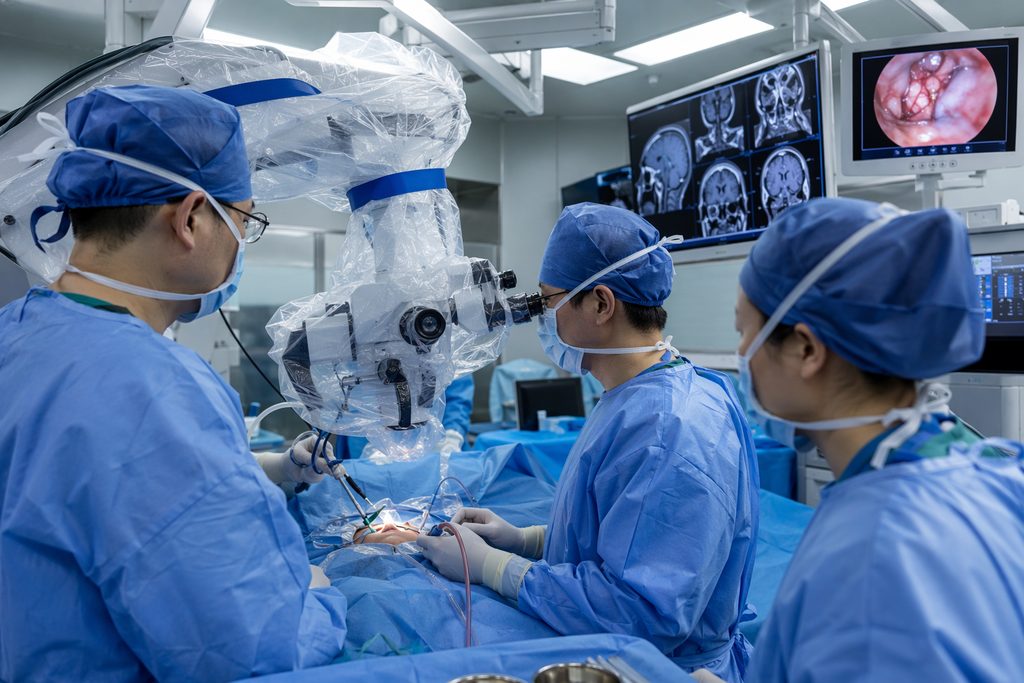
Have you been told you need pituitary tumor surgery and now you’re staring at a quote that makes your chest tighten? You’re not alone. The pituitary tumor surgery cost Shanghai at Huashan Hospital typically ranges from $18,000 to $35,000 for international patients, depending on tumor type and surgical approach. That’s roughly one-fifth to one-third of what the same procedure costs in the United States. But cost is only one piece of the puzzle. Safety, surgeon experience, and logistics matter just as much.
This article breaks down what you actually need to know before booking a flight: the real prices, how Huashan compares to other options, what the surgical process looks like, and the practical hurdles most patients don’t anticipate until they’re standing in the hospital lobby.
Huashan Hospital for Pituitary Tumors: The Short Answer
Huashan Hospital, affiliated with Fudan University, runs one of the highest-volume neurosurgery departments in China. Its pituitary tumor program handles over 1,500 cases annually, with the majority performed through the transsphenoidal endoscopic approach — the minimally invasive technique that goes through the nasal cavity rather than opening the skull. The hospital’s Department of Neurosurgery is consistently ranked among China’s top 10 for neurosurgery in the Fudan Hospital Rankings, the country’s most authoritative hospital evaluation system.
But here’s the caveat that matters for international patients: getting into Huashan’s standard outpatient clinic as a foreigner is not straightforward. You cannot simply book a surgery slot online from overseas. The hospital requires in-person evaluation first, and the public queue for top specialists can stretch for weeks. This is where the international medical coordination route — which we’ll cover later — changes the equation.
Who This Is Right For — and Who It Isn’t
Traveling to China for pituitary surgery makes sense in specific situations. It also makes no sense in others. Being honest about both will save you time and money.
Good candidates for Huashan pituitary surgery include:
- Patients with confirmed pituitary adenomas (functioning or non-functioning) who need surgical resection
- Those facing long wait times in their home country — Canada, the UK, and parts of Europe routinely have 6–12 month waits for non-emergency pituitary surgery
- Patients without insurance or with high deductibles who would pay $80,000–$150,000 out of pocket at home
- Individuals who already need to travel to Asia for business or family reasons and can combine the trip
Who should not pursue this path:
- Patients with pituitary apoplexy (sudden bleeding into the tumor) requiring emergency surgery within hours — international travel is not viable
- Those with complex tumors invading the cavernous sinus or surrounding critical structures who may need a highly specialized skull-base team that is equally available in their home country
- Individuals with unstable cardiovascular or pulmonary conditions that make long-haul flights risky
- Patients who cannot arrange at least 3–4 weeks away from home for surgery and initial recovery
If your tumor is small, non-secreting, and asymptomatic, surgery may not even be indicated. Many pituitary adenomas are managed with observation and annual MRI monitoring. Before booking anything, confirm with your local endocrinologist or neurosurgeon that surgery is genuinely necessary.
The Options, Compared
When evaluating how much does pituitary tumor removal cost in Shanghai versus other destinations, you need to look at total cost — not just the hospital bill. Here’s how the realistic options stack up for a standard endoscopic transsphenoidal resection:
| Destination | Surgery Cost (USD) | Typical Wait Time | Surgeon Volume | Total Trip Duration |
|---|---|---|---|---|
| Huashan Hospital, Shanghai (international route) | $18,000–$35,000 | 2–4 weeks after evaluation | High (100+ pituitary cases/year per senior surgeon) | 3–4 weeks |
| US academic center (e.g., Mayo, UCSF) | $80,000–$150,000 | 2–8 weeks | High | 1–2 weeks |
| Private hospital, Thailand | $25,000–$45,000 | 1–3 weeks | Moderate | 3 weeks |
| Private hospital, India | $12,000–$22,000 | 1–2 weeks | Moderate to high | 3 weeks |
| Public system, UK/Canada (residents) | $0 (covered) | 3–12 months | High | N/A |
If money is the primary constraint and you’re comfortable with a less-established international patient infrastructure, India offers the lowest surgical fees. If you want the highest-volume pituitary surgeons in Asia with a structured pathway for foreigners, Shanghai — and Huashan specifically — sits at the intersection of quality and affordability. The US route wins on convenience and legal familiarity but loses decisively on price.
What Makes Huashan’s Pituitary Program Different
Huashan Hospital’s neurosurgery department has been running since 1952. That’s over seven decades of accumulated surgical experience. The pituitary and skull-base division performs more endoscopic endonasal procedures than any other center in China, and its surgeons routinely operate on tumors that smaller hospitals refer out. This volume translates into something concrete: lower complication rates for routine adenomas. Published complication rates for endoscopic transsphenoidal surgery at high-volume centers like Huashan run between 1% and 3% for serious events such as CSF leaks requiring reoperation, meningitis, or new hormonal deficits. That’s comparable to top US centers.
What you won’t find at Huashan is a luxurious private-hospital experience. The international ward is functional and clean, but it isn’t the Ritz. English-speaking nurses exist on the international floor, but their availability varies by shift. You’ll need a companion or coordinator for anything beyond basic communication. And the cafeteria food is, well, hospital food.
Also relevant: Huashan operates under the Fudan University umbrella, meaning its research output and clinical protocols are peer-reviewed internationally. The hospital participates in multinational pituitary tumor registries and its endocrinology department collaborates closely with neurosurgery for post-operative hormone management — something that matters greatly for functioning adenomas like prolactinomas, GH-secreting tumors, and Cushing’s disease.
What It Costs: A Realistic Breakdown
The headline figure — pituitary tumor surgery cost Shanghai — only tells part of the story. Here’s what a typical international patient at Huashan actually pays, line by line:
- Hospital surgical package (international ward): $15,000–$28,000. Includes operating room fees, anesthesia, surgical team, standard hospital stay (5–7 days), basic medications, and routine pathology.
- Pre-operative imaging and labs: $800–$1,500. MRI with contrast, full pituitary hormone panel, visual field testing, and anesthesia clearance.
- Post-operative imaging: $400–$800. One MRI before discharge to confirm resection extent.
- International patient coordination (if used): $800–$1,200 for specialist consultation coordination; $300 per day for bilingual medical companion services.
- Airfare and visa: $1,500–$3,000 round-trip depending on origin; visa application fee approximately $140–$185.
- Accommodation for companion: $80–$150 per night near the hospital for 2–3 weeks.
Total realistic budget: $22,000–$42,000 all-inclusive, assuming no major complications. If additional treatment is needed — such as hormone replacement therapy or a second surgery for residual tumor — costs rise accordingly. Prices vary by hospital and case complexity; this is a planning range, not a quote.
Is Pituitary Tumor Surgery Safe in China?
The short answer: yes, at top-tier centers like Huashan, safety outcomes match international benchmarks. The longer answer requires context. China’s hospital system is enormously stratified. The country has over 35,000 hospitals, but only the top 5% — roughly 340+ institutions ranked by the Fudan system or JCI-accredited — operate at the standard international patients expect. Huashan sits firmly in that top tier.
What drives the safety profile? Volume. A surgeon performing 100+ pituitary resections per year has seen the anatomical variations, the unexpected bleeding, the difficult tumor consistency. They’ve managed the complications. That repetition is the single strongest predictor of good outcomes in pituitary surgery, and it’s why patients travel from across Asia to Huashan specifically.
But let’s be direct about the risks that exist regardless of destination. Endoscopic transsphenoidal surgery carries a 1–2% risk of cerebrospinal fluid leak, a 1–3% risk of new anterior pituitary hormone deficiency, and a rare but real risk of carotid artery injury. No surgeon — in Shanghai, Rochester, or anywhere else — can eliminate these. What changes with experience is how quickly and competently complications are recognized and managed.
Practical Considerations: Records, Visa, Payment, and Follow-Up
Planning pituitary surgery at Huashan from abroad involves several moving parts. None are insurmountable, but all require advance preparation.
Medical records you’ll need: recent MRI (within 3 months) with contrast, complete pituitary hormone panel, visual field examination if the tumor touches the optic chiasm, and any prior surgical or pathology reports. All documents should be translated into Chinese or accompanied by a professional medical translation. The hospital’s international department can advise on format requirements.
Visa: Foreign nationals traveling to China for medical treatment apply for an S2 visa, which covers short-term private affairs including medical care. You’ll need an invitation letter or treatment confirmation from Huashan’s international department, proof of funds, and a valid passport. Family members accompanying you also apply for S2 visas. Processing typically takes 1–3 weeks depending on your home country’s Chinese embassy or consulate. Requirements change; always verify with the embassy closest to you before booking flights.
Payment: Chinese public hospitals — including Huashan’s international ward — operate on a pre-payment model. You’ll deposit an estimated amount upfront, and the hospital deducts charges daily. Any surplus is refunded at discharge. Credit cards are accepted at the international department, though wire transfer is sometimes smoother for large deposits. Most international insurance plans will reimburse you after the fact rather than paying the hospital directly; check your policy’s out-of-network international coverage before committing.
Language: Huashan’s international department has English-speaking coordinators, but their availability is limited. On the wards, most nurses and junior doctors speak minimal English. If you arrive without any Mandarin capability, you will struggle with registration, pharmacy pickups, and understanding post-operative instructions. A bilingual medical companion — whether a friend or a paid service — is not a luxury here. It’s the difference between a manageable experience and a genuinely stressful one.
Follow-up after returning home: You’ll need an MRI at 3 months post-op, plus hormone testing at 2 weeks, 6 weeks, and 3 months. Huashan’s team will provide a discharge summary in English (request this explicitly), but ongoing management typically transfers back to your local endocrinologist. Video consultations with your Huashan surgeon can be arranged through the international department if questions arise — expect to pay $100–$300 for a standard follow-up video consultation, or $500–$800 if you need a top-specialist review.
Frequently Asked Questions
No. Huashan’s standard public clinic does not accept overseas bookings for surgery. You must first be evaluated in person by a neurosurgeon, who then schedules surgery based on clinical urgency and bed availability. The international department route allows advance coordination of the evaluation visit and can reduce the gap between consultation and surgery, but it still requires you to be physically present for the initial assessment. No legitimate service can guarantee a specific surgery date before that evaluation happens.
Huashan has several senior neurosurgeons specializing in pituitary and skull-base surgery, each performing 100+ cases annually. Rather than chasing a specific name — which can create unrealistic expectations and scheduling bottlenecks — focus on the team’s overall volume and the hospital’s pituitary program infrastructure. When you request coordination through the international department, you can specify that you want a surgeon whose practice is at least 50% pituitary tumors. That filters for genuine subspecialization without pinning everything on one individual who may be unavailable.
This is the question everyone thinks about and few ask aloud. The honest answer: complications can happen anywhere, and the legal recourse in China differs from what you’d expect in the US or Europe. Chinese medical malpractice claims are handled through a mediation and litigation system that is less plaintiff-friendly than the American model. What protects you practically is choosing a high-volume center where complications are rare and well-managed, purchasing comprehensive travel medical insurance that includes emergency evacuation coverage, and maintaining a clear line of communication with the hospital’s international department. If a complication requires extended care, Huashan has the full range of neurosurgical and endocrinological resources to manage it on-site. Evacuation insurance is your backstop for worst-case scenarios.
Some international insurance plans cover treatment at JCI-accredited or internationally recognized hospitals abroad, but Huashan’s public hospital status can complicate reimbursement. Many insurers classify Chinese public hospitals as out-of-network, meaning you pay upfront and submit claims afterward. Reimbursement rates vary widely. Before committing, send your insurer Huashan’s treatment plan and ask specifically about coverage for the international ward, the surgical procedure codes, and post-operative imaging. If your insurer denies coverage, the out-of-pocket cost in Shanghai is still often less than your deductible and co-insurance would be at a US hospital.
Your Next Step
Huashan Hospital offers world-class pituitary surgery at a fraction of Western prices, but the logistics of getting there, communicating, and managing follow-up are real. That’s where we come in. China Medical Services connects international patients with top-ranked Chinese hospitals — we are not a hospital and we do not provide medical advice or diagnoses. We handle the practical coordination: translating your records, arranging the initial evaluation through Huashan’s international department, providing bilingual companions during your stay, and helping with visa documentation.
If you’re seriously considering pituitary surgery in Shanghai, start with a conversation. Tell us your diagnosis, your timeline, and your budget. We’ll tell you honestly whether Huashan is the right fit and what the realistic path looks like. No pressure, no obligation — just clarity. Request a free consultation here.
Pituitary surgery is a major decision wherever you have it. The right hospital matters. The right preparation matters just as much.
For more medical information and treatment options in China, visit chinamedservices.com (China Medical Services).
