Rehabilitation: Avoiding Setbacks After Surgery in China
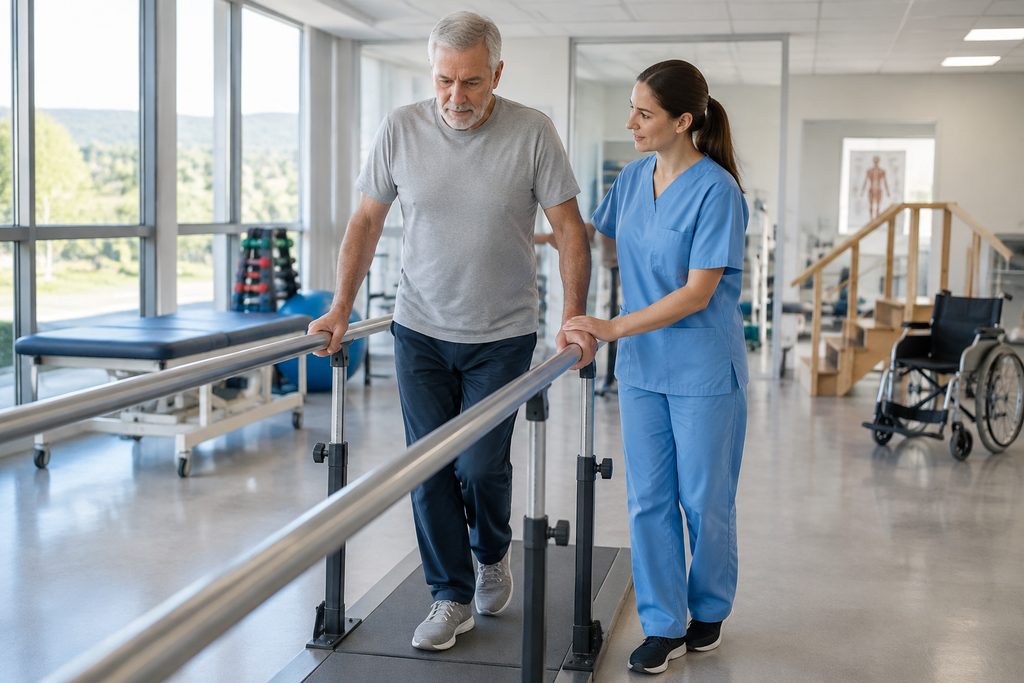
Have you ever wondered what actually causes a successful surgery to fall apart weeks later? The operation itself is rarely the problem. The real risk lives in the weeks after discharge — when the patient is home, unmonitored, and unsure whether that twinge in the knee is normal healing or the first sign of trouble.
For international patients weighing surgery in China, the question of rehabilitation center cost China is not a budgeting afterthought. It is the difference between a procedure that holds and one that quietly unravels. Our team has coordinated recovery pathways for patients from over 30 countries, and the pattern is consistent: the patients who plan rehab before surgery are the ones who avoid the phone call nobody wants to make.
Key Takeaways
- Post-surgical complications affect approximately 7–15% of inpatients globally, with up to 50% occurring after discharge — rehab planning directly reduces this risk.
- Rehabilitation in China costs roughly one-fifth to one-tenth of comparable US programs, with top-tier facilities in Shanghai and Beijing offering structured recovery protocols.
- Language barriers and fragmented outpatient follow-up are the two biggest setback triggers for foreign patients — both are manageable with a bilingual companion.
- You cannot book a rehab bed from overseas through ordinary public channels. International departments and private rehabilitation hospitals are the realistic entry points.
The Problem: Setbacks Happen When Nobody Is Watching
A 2018 study published in Annals of Surgery found that among patients undergoing major abdominal surgery, 16.2% experienced a post-discharge complication requiring readmission or emergency care. The median time to detection was 9 days after leaving the hospital. Nine days. That is nine days of a patient guessing whether their pain level is normal, whether the wound looks right, whether they should fly home or stay put.
Now imagine you flew from London or Riyadh to Shanghai for a knee replacement. The surgery goes well. You are discharged on day five. Your flight home is booked for day twelve. In between, you are in a hotel room, managing pain medication, trying to remember the surgeon’s instructions delivered in rapid Mandarin, and hoping nothing goes wrong. This is not a rare scenario. It is the default experience for patients who do not plan rehabilitation.
Setbacks after surgery abroad fall into predictable categories: wound infections that go unnoticed, deep vein thrombosis from immobility during long flights, medication errors from language confusion, and premature weight-bearing that damages the surgical site. None of these are caused by the surgery itself. All of them are preventable.
Why China Delivers Results for Post-Surgical Rehabilitation
The same structural advantages that make China cost-competitive for surgery extend directly into rehabilitation. Volume, infrastructure, and cost discipline are not marketing phrases — they are measurable operational realities.
Clinical Volume Creates Rehabilitation Expertise
A rehabilitation physician at a top-tier Chinese hospital sees more post-operative patients in one month than many Western counterparts see in a quarter. Consider the numbers: Fuwai Hospital in Beijing performs over 14,000 cardiac surgeries annually. Every one of those patients requires structured cardiac rehabilitation. That scale forces the development of standardized protocols, dedicated rehab wards, and teams that have seen every complication pattern hundreds of times.
For orthopedic cases, the same logic applies. Major joint replacement centers in Shanghai and Beijing routinely discharge dozens of patients per day into structured rehab programs. The physiotherapists on these wards are not generalists. They specialize in one thing: getting post-surgical patients from bed to independent mobility without setbacks.
Rehabilitation Infrastructure Is Built Into the Hospital System
Unlike many Western systems where rehab is a separate facility or a home-visit service, Chinese top-tier hospitals often operate integrated rehabilitation departments within the same campus. That means the surgeon who performed your procedure, the physiotherapist managing your recovery, and the nursing team monitoring your wound are all within walking distance of each other.
This matters when something goes wrong. If a rehab patient shows signs of infection, the surgical team is consulted the same day. If range of motion stalls, the protocol is adjusted in real time. The fragmentation that plagues post-discharge care in many Western systems — where the surgeon, the rehab center, and the primary care doctor never speak to each other — is structurally less likely in a hospital-integrated Chinese rehab department.
Cost Advantage Without Quality Compromise
Let us address the obvious objection directly. Lower cost often signals lower quality. In Chinese rehabilitation, the cost gap is driven by labor economics and hospital efficiency, not by cutting corners on care.
Inpatient rehabilitation in the United States averages $1,800 to $2,500 per day. In Shanghai, a private international rehabilitation hospital charges $300 to $600 per day for a comparable level of care. A public top-tier hospital with an international ward falls somewhere in between. The physiotherapists hold equivalent credentials. The equipment is current. The difference is what it costs to employ a skilled therapist in Shanghai versus Boston.
That structural gap does not disappear when you compare outcomes. A 2021 systematic review in Disability and Rehabilitation found no significant difference in functional recovery outcomes between Asian and Western inpatient rehabilitation programs for post-orthopedic surgery patients, provided the programs followed evidence-based protocols.
How to Avoid Setbacks After Surgery Abroad: A Week-by-Week Plan
Planning rehabilitation before you book surgery is the single highest-leverage decision you can make. Here is what a structured recovery pathway in China actually looks like for a typical joint replacement patient.
Week 1: Inpatient Recovery and Early Mobilization
You are in the hospital. The surgical team monitors wound healing, manages pain, and begins passive range-of-motion exercises within 24–48 hours. A physiotherapist visits daily. The goal is not aggressive therapy — it is preventing stiffness and blood clots while the surgical site stabilizes.
Week 2: Transition to Structured Rehabilitation
This is the critical handoff. You move from the surgical ward to a rehabilitation unit, either within the same hospital or at a partner facility. Daily physiotherapy sessions begin — typically 60–90 minutes, twice daily. The focus shifts from protection to rebuilding strength and mobility.
If you are considering medical tourism rehab package Beijing options, this is what those packages include: accommodation, scheduled therapy sessions, nursing oversight, and regular surgeon check-ins. The package structure exists precisely because this transition period is when complications most often surface.
Week 3–4: Functional Independence and Flight Clearance
You are walking with assistive devices, climbing stairs, and performing daily activities under supervision. The rehab team assesses your readiness for air travel. Most surgeons require a minimum of 2–4 weeks post-joint-replacement before approving a long-haul flight, with DVT prophylaxis in place.
Week 5–8: Home-Based Continuation
You fly home with a written protocol, video demonstrations, and a scheduled video follow-up with your Chinese rehab team. This is where many patients falter — the structure disappears. The patients who succeed are those who received a detailed, translated discharge plan and scheduled check-ins before leaving China.
Can I Do Rehab in China After Knee Replacement? Eligibility and Realistic Expectations
Yes — and for many international patients, it is the most sensible option. But the question deserves a more precise answer than a single word.
Can I do rehab in China after knee replacement if I am flying in specifically for surgery? Absolutely. The pathway is well-established. You undergo surgery, transition to a rehab unit, and stay until you are flight-ready. The total stay for a knee replacement with structured rehab typically ranges from 3 to 6 weeks depending on your baseline fitness and the complexity of the procedure.
What if you had surgery in your home country and want to come to China just for rehabilitation? This is possible but more complicated. You will need your complete surgical records, imaging, and a detailed operative report. The Chinese rehab team must evaluate your case before accepting you. This is not a walk-in service — it requires coordination through an international department.
Who is this not suitable for? Patients with unstable medical conditions that require frequent specialist intervention beyond the rehab scope. Patients who cannot tolerate a long-haul flight after surgery. And patients who expect a resort experience — Chinese rehabilitation hospitals are clinical facilities, not spas. The focus is functional recovery, and the pace is demanding.
| Rehabilitation Option | Daily Cost (USD) | Typical Stay | Best For |
|---|---|---|---|
| Public top-tier hospital, standard rehab ward | $80–200 | 2–4 weeks | Budget-conscious patients comfortable with basic amenities and some language support needs |
| Public top-tier hospital, international/VIP rehab ward | $250–500 | 2–4 weeks | Patients wanting English-speaking staff and private rooms within a top clinical environment |
| Private international rehabilitation hospital | $300–600 | 2–6 weeks | Patients prioritizing Western-style amenities, direct insurance billing, and fully English-speaking teams |
| Outpatient physiotherapy (per session) | $40–100 | 8–12 sessions | Post-discharge continuation for patients already recovered enough to live independently |
These figures reflect rehabilitation center cost China ranges as of 2026 and vary by hospital, city, and case complexity. Shanghai and Beijing sit at the higher end. Cities like Chengdu, Hangzhou, and Nanjing offer comparable clinical quality at 20–30% lower rates.
If you are specifically looking for the best physical therapy hospital Shanghai options, the conversation starts with the rehabilitation departments of Fudan-affiliated hospitals and the major private international facilities. Shanghai has the deepest concentration of English-speaking rehab professionals in mainland China, which matters more than most patients expect.
Practical Considerations: Documentation, Visas, and Payment
Planning rehab in China requires paperwork discipline. The earlier you start, the fewer surprises you will face.
Medical records. You need your complete surgical history, pre-operative imaging, operative report, discharge summary, and current medication list. All documents should be translated into Chinese or English. Our team handles medical document translation as part of case management, but if you are arranging things independently, use a certified medical translator — not a general language service.
Visa category. Foreign nationals traveling to China for medical treatment, including rehabilitation, apply for an S2 visa with the purpose of medical treatment noted. Accompanying family members also apply for S2 visas. The hospital or rehab facility will need to provide supporting documentation — typically an invitation letter and treatment confirmation. S2 visas are short-stay; if your rehab plan extends beyond 180 days, you would need an S1 visa. Requirements change, so verify current rules with your nearest Chinese embassy or consulate before booking flights.
Payment. Public hospitals in China require prepayment — typically a deposit at admission, topped up as treatment progresses. International insurance policies are usually reimbursement-based, meaning you pay out of pocket and claim later. Private international hospitals like United Family, Jiahui, and Parkway often offer direct insurance billing, which removes the cash-flow burden. Confirm billing arrangements before admission.
Language. Even in top-tier public hospitals, day-to-day rehab interactions happen in Mandarin. The physiotherapist explaining how to adjust your gait, the nurse reviewing your medication schedule, the administrative staff processing your discharge — none of this is guaranteed to be in English. A bilingual medical companion is not a luxury in this context. It is the difference between understanding your recovery plan and guessing at it.
Follow-up after returning home. Your Chinese rehab team should provide a written discharge protocol in English, including exercise progressions, medication tapering schedule, and warning signs that require local medical attention. Schedule a video follow-up before you leave. Most international departments now offer this routinely.
Frequently Asked Questions
Inpatient rehabilitation in China ranges from roughly $80 to $600 per day depending on the facility tier and city. Comparable US programs run $1,800 to $2,500 per day. European private rehab centers typically fall between $800 and $1,500 per day. Even at the high end of the Chinese range, you are paying a quarter to a third of Western rates for clinically equivalent care.
Unmanaged transitions. The surgery-to-rehab handoff and the rehab-to-home handoff are where complications surface. Patients who leave the hospital without a structured rehab plan, who fly home too early, or who do not understand their medication and activity restrictions are the ones most likely to experience wound complications, DVT, or mechanical failure of the surgical repair.
If you are in a hospital-integrated rehab unit, the surgical team is on the same campus or within the same hospital network. A suspected infection gets evaluated the same day. A suspected DVT gets an ultrasound within hours, not days. This is the structural advantage of doing rehab where you had surgery. If you are in a standalone rehab facility, make sure it has a formal referral relationship with a hospital that can handle acute complications.
Yes, but the friction is real. You would need to contact the hospital’s international department directly, submit your records, wait for evaluation, secure the invitation letter for your visa, and navigate admission independently. It is doable. Many patients choose to work with a coordination service because the language barrier and administrative complexity are significant — not because it is impossible to do alone.
Most surgeons recommend a minimum of 3 to 4 weeks after knee or hip replacement before long-haul air travel. That window allows for wound healing, early mobilization, and DVT risk reduction. Patients with complex cases or lower baseline fitness may stay 6 to 8 weeks. Your surgical team will make the final call based on your individual recovery trajectory.
Your Next Step
Rehabilitation planning is not a post-surgery task. It is a pre-surgery decision. The patients who recover without setbacks are the ones who knew exactly where they would be on day 10, day 20, and day 40 after the operation.
Our team at China Medical Services helps international patients evaluate rehabilitation options across our network of 340+ top-ranked hospitals in 37 cities. We are not a hospital and we do not provide diagnoses or medical advice. What we do is handle the coordination — hospital matching, record translation, visa documentation, bilingual companionship, and scheduling — so that your recovery plan is in place before you ever board the plane. If you are weighing surgery or rehabilitation in China, request a free consultation to discuss your case. There is no obligation, and you will leave the conversation with a clearer picture of what is possible.
For more medical information and treatment options in China, visit chinamedservices.com (China Medical Services).
