Your Nanjing Rehab Guide: Post-Surgery Recovery & Full-Service Support
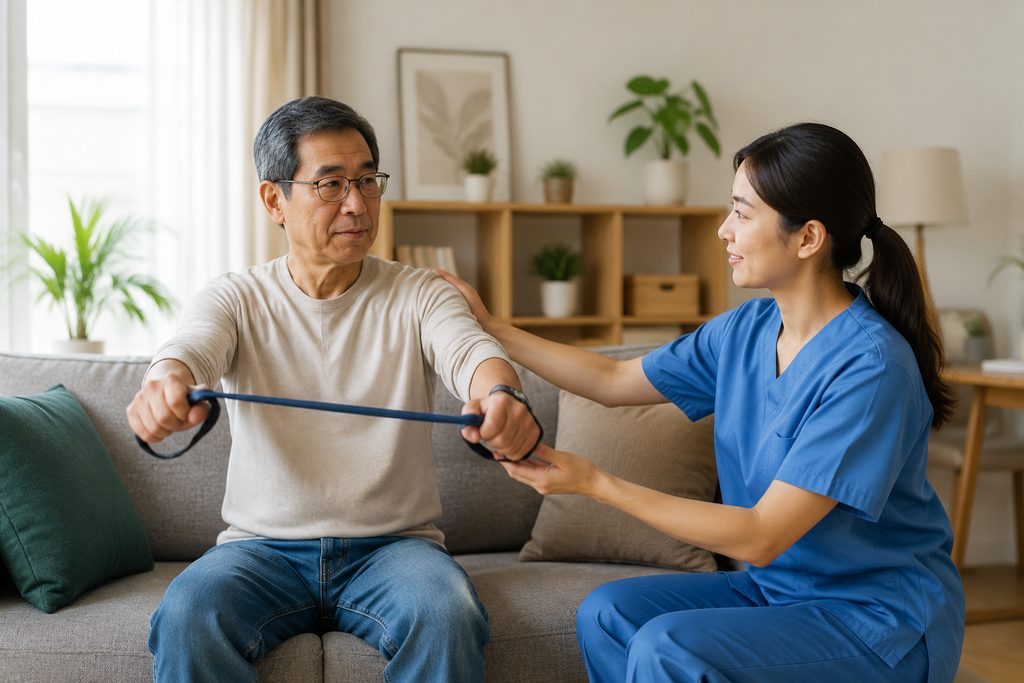
You probably imagine post-surgery recovery as a lonely, frustrating grind. Weeks spent on a waiting list, then a handful of rushed physical therapy sessions where you are just another file. That model exists. But it is not the only one. For patients who need intensive, structured rehabilitation after a major orthopedic, neurological, or cardiac procedure, flying to a dedicated center can change the trajectory of their recovery. Nanjing, China, has emerged as a compelling destination for exactly this reason. The rehabilitation center Nanjing post surgery price point often runs 60-80% below comparable inpatient programs in the United States or Western Europe, while the clinical intensity frequently exceeds it.
That gap deserves an explanation. Not a sales pitch. A clear-eyed look at what is actually available, what it costs, and whether it makes sense for your specific situation.
Key Takeaways
- A full-service inpatient rehabilitation package in Nanjing typically ranges from $8,000 to $18,000 per month, compared to $35,000-$60,000 in the US for equivalent therapy hours.
- Nanjing’s top rehabilitation hospitals integrate Traditional Chinese Medicine (TCM) techniques like acupuncture and tuina massage alongside conventional physical and occupational therapy, creating a dual-pathway recovery model.
- The biggest barrier is not clinical quality; it is the language gap and navigating hospital admissions without a local coordinator, which can delay your start by weeks if handled alone.
- You should never commit to an international rehab stay without a written treatment plan and a video consultation with the therapy team first. A reputable program will provide both.
The Problem: When Standard Rehab Leaves You Stuck
Approximately 20% of patients who undergo total knee replacement report dissatisfaction with their functional outcome one year later, according to a 2023 meta-analysis in The Journal of Arthroplasty. The common thread is not surgical failure. It is inadequate rehabilitation. In many Western systems, a patient might receive three physical therapy sessions per week for six weeks, then get discharged with a sheet of exercises. For someone recovering from a spinal fusion or a stroke, that is simply not enough stimulus to drive neuroplastic adaptation.
Also, the financial math is brutal. An inpatient rehabilitation facility (IRF) in the United States bills between $1,600 and $3,500 per day. A 30-day stay can easily exceed $60,000 before insurance. Even with coverage, high deductibles and out-of-network exclusions leave patients carrying five-figure balances.
So patients look abroad. Thailand, India, Turkey, and increasingly China. The search is not just about saving money. It is about finding a program that offers three to four hours of one-on-one therapy daily, integrated pain management, and a recovery environment free from the distractions of home. That is where Nanjing enters the conversation.
Why Nanjing Delivers a Different Rehabilitation Model
Nanjing is not Beijing or Shanghai. It does not have their frantic pace or their expat bubble. What it has is a deep concentration of university-affiliated medical centers, a lower cost base, and a rehabilitation philosophy that merges Western evidence-based protocols with TCM modalities refined over decades. For a patient who needs to focus entirely on recovery for four to eight weeks, that environment matters.
Clinical Volume and Specialist Depth
Jiangsu Province Hospital (the First Affiliated Hospital of Nanjing Medical University) runs one of the largest rehabilitation medicine departments in eastern China. Its inpatient unit handles over 2,500 admissions annually. The therapy teams are sub-specialized: you are not assigned a generalist. A stroke patient works with a neuro-rehab therapist. A post-ACL reconstruction patient works with a sports rehab specialist. This is the norm in China’s top-tier rehabilitation centers, not the exception.
Zhongda Hospital, affiliated with Southeast University, has built a reputation for spinal cord injury rehabilitation. Their program integrates robotic gait training using Lokomat systems with traditional acupuncture protocols for spasticity management. The combination is not alternative medicine layered on top of real medicine. It is two validated approaches running in parallel, each with its own evidence base.
Cost Structure Without Quality Compromise
Let us address the obvious question bluntly: does lower cost mean lower quality? In rehabilitation, the cost difference is structural, not qualitative. A senior physical therapist in Nanjing earns a fraction of what a US therapist earns, not because they are less skilled, but because China’s labor economics are different. Hospital overhead is lower. Pharmaceutical costs are lower. The equipment is the same. You will find the same Lokomat, the same AlterG anti-gravity treadmills, the same BTE PrimusRS functional testing systems you would see at a top US rehab hospital.
| Rehab Component | US Inpatient Rehab (30 Days) | Nanjing Full-Service Package (30 Days) |
|---|---|---|
| Daily one-on-one PT (2-3 hrs) | $1,200-$2,000/day bundled | $250-$400/day (itemized) |
| Occupational therapy (daily) | Included in bundled rate | $80-$120/session |
| Acupuncture/TCM (3x/week) | Rarely available; $100+/session | $30-$50/session |
| Private room + meals | $500-$800/night | $120-$200/night |
| Estimated 30-day total | $48,000-$84,000 | $9,000-$18,000 |
Note: All figures are estimates in USD and vary by hospital, case complexity, and exchange rates. US costs reflect uninsured cash-pay rates at a typical IRF.
What a Full-Service Rehab Package in Nanjing Actually Includes
When patients ask what does a full service rehab package in Nanjing include, they are usually trying to compare apples to apples against a quote from a facility in their home country. The term “full-service” gets thrown around loosely. In Nanjing’s reputable hospital-affiliated programs, it means something specific. You should expect a written agreement that covers:
A dedicated case manager who coordinates your schedule and acts as the single point of contact. Daily physical therapy sessions of 60-90 minutes each, with a consistent therapist, not a rotating cast. Occupational therapy focused on activities of daily living relevant to your discharge environment. Speech-language pathology if indicated. Physician rounds twice weekly with the rehab medicine attending. Pain management consultation, including pharmacological and non-pharmacological options. TCM modalities prescribed by a licensed TCM physician, not a technician. Three meals per day, with dietary adjustments for post-surgical needs. A private room with an accompanying bathroom and space for a family member. Airport transfer on arrival and departure. A discharge summary in English with a home exercise program your local therapist can continue.
What is typically not included: airfare, visa fees, personal expenses, medications not on the hospital formulary, and any diagnostic imaging or lab work unrelated to your rehabilitation diagnosis. Clarify these exclusions before you pay a deposit.
How to Evaluate the Best Post Operative Rehab Nanjing Programs
Searching for the best post operative rehab Nanjing reviews online will return a mix of hospital marketing pages, a handful of patient forum posts, and not much else. English-language reviews of Chinese rehabilitation hospitals are sparse. That does not mean quality is absent. It means the evaluation process requires a different approach.
First, look at the hospital’s academic affiliation. Is it a university teaching hospital? Jiangsu Province Hospital, Zhongda Hospital, and Nanjing Drum Tower Hospital all carry university affiliations and publish in peer-reviewed rehabilitation journals. That is a structural quality signal. A hospital that trains residents and contributes to research has institutional pressure to maintain standards.
Second, request the CV of the attending physiatrist who would oversee your case. Look for fellowship training, international conference presentations, or publications in English-language journals. Many senior rehabilitation physicians in Nanjing have completed observerships or collaborative research stints in the US, Germany, or Japan. That cross-cultural clinical exposure matters when treating a foreign patient.
Third, ask for a sample weekly schedule. A legitimate program will provide one without hesitation. If the schedule shows fewer than 15 hours of direct one-on-one therapy per week, keep looking. That is the minimum threshold for an intensive inpatient program. Anything less is essentially a nursing home with occasional PT.
Is Post Surgery Recovery in China Safe for Foreigners?
The short answer is yes, with caveats. The longer answer requires separating clinical safety from logistical safety. Clinically, a JCI-accredited or university-affiliated hospital in Nanjing operates under protocols that are broadly comparable to international standards. Infection control, medication reconciliation, and fall prevention protocols exist and are audited. The rehabilitation equipment is modern and maintained. The physicians are board-certified. On clinical grounds, is post surgery recovery in China safe for foreigners? The evidence supports a qualified yes, provided you select a top-tier institution.
Logistical safety is the variable you control. The primary risk is not malpractice. It is communication breakdown. A medication error because a nurse could not explain the dosing schedule in English. A delayed response to a complication because the patient could not articulate their symptoms clearly. These are real risks, and they are the reason that navigating a Chinese hospital without bilingual support is unwise for anyone who does not speak Mandarin.
That is not a criticism of the hospitals. It is a structural reality. A public hospital in Nanjing might see 10,000 outpatients in a single day. The system is not designed for English-language hand-holding. The international medical departments at the major hospitals do offer English-speaking coordinators, but availability is limited and often shared across many patients. Supplementing that with your own bilingual medical companion closes the most dangerous gap.
How Much Does Inpatient Rehab Cost in Nanjing China: A Line-by-Line Breakdown
Patients ask how much does inpatient rehab cost in Nanjing China because they need to budget. Fair enough. Here is a realistic line-item breakdown for a 30-day inpatient rehabilitation stay at a top Nanjing hospital, using 2025 price estimates in USD:
| Expense Category | Estimated Cost (30 Days) | Notes |
|---|---|---|
| Hospital bed (private room) | $3,600-$6,000 | $120-$200/night |
| Physical therapy (daily, 2 hrs) | $4,500-$7,500 | $75-$125/hour |
| Occupational therapy (daily, 1 hr) | $2,400-$3,600 | $80-$120/session |
| Physician consultations (2x/week) | $640-$1,200 | $80-$150/consult |
| TCM therapies (3x/week) | $360-$600 | $30-$50/session |
| Medications (pain, spasticity, etc.) | $300-$800 | Highly variable |
| Meals (3x/day, dietary adjusted) | $600-$900 | $20-$30/day |
| Case management + coordination | $500-$1,000 | Flat fee |
| Airport transfers (round-trip) | $200 | Fixed |
| Estimated Total | $13,100-$21,800 | Before airfare and visa |
These figures assume a straightforward post-orthopedic or post-neurological rehab case without major medical complications. Complex polytrauma or ventilator-dependent patients will fall at the higher end or beyond. Always request a personalized quote based on your medical records before making any financial commitment.
Practical Considerations: Documents, Visas, and Payments
You cannot simply book a flight and show up. The logistics require methodical preparation, and cutting corners here will cost you time and money.
Medical records. The hospital will require your surgical operative report, discharge summary, recent imaging (MRI, CT, X-ray) on CD or cloud link, current medication list, and a referral letter from your surgeon stating you are stable for intensive rehabilitation and cleared for international travel. All documents must be translated into Chinese. A professional medical translation service is worth the expense. Google Translate will not suffice for an operative report.
Visa. Foreign nationals traveling to China for medical treatment apply for an S2 visa, which covers short-term private affairs including medical care. Your accompanying family member also applies for an S2. The hospital will issue an invitation letter and proof of admission, which you submit with your visa application. Processing times vary by country; budget four to six weeks. The S2 visa typically allows a stay of up to 180 days. For rehabilitation stays longer than 180 days, an S1 visa may apply. Always confirm current requirements with the Chinese embassy or consulate in your country, as regulations shift.
Payment. Chinese public hospitals operate on a prepayment model. You deposit a lump sum upon admission, and the hospital draws down against it daily. If the balance runs low, you top it up. International bank transfers take three to five business days, so maintain a buffer. Major hospitals accept UnionPay, and some accept Visa or Mastercard at their international departments, but do not rely on this. Cash or a UnionPay card is more reliable. Private international hospitals in China may accept direct insurance billing, but public hospitals generally do not. You pay upfront and seek reimbursement from your insurer afterward.
Insurance. Contact your health insurer before travel. Confirm whether overseas inpatient rehabilitation is covered, what documentation they require for reimbursement, and whether they require pre-authorization. Some insurers will only reimburse if the facility meets specific accreditation standards. If your policy excludes international care, consider a travel medical policy that covers pre-existing condition rehabilitation. Read the fine print on exclusions.
Frequently Asked Questions
You can contact the hospital’s international department directly. However, response times vary, and the intake coordinator may not be fluent in English. Many patients find that working with a medical coordination service saves weeks of back-and-forth and ensures the treatment plan is properly communicated before arrival. The choice is yours, but factor the time cost into your decision.
You are already inside a full-service teaching hospital. If you develop a surgical site infection, a deep vein thrombosis, or any other post-surgical complication, the rehabilitation team will immediately consult the relevant specialty—orthopedics, neurology, vascular surgery—within the same institution. You do not need to be transferred. That is a structural advantage of doing inpatient rehab inside a large hospital rather than a standalone rehabilitation facility.
Most will, especially if the summary is detailed and the hospital is a recognized university-affiliated center. Request the discharge summary in English and ensure it includes functional outcome measures (e.g., Berg Balance Scale, 6-Minute Walk Test, FIM scores) that your home surgeon can use to track progress. If your surgeon has reservations, offer to sign a release so the Nanjing team can communicate directly with your home provider.
Your Nanjing rehab team should provide a written home exercise program and, ideally, a video call follow-up at two and six weeks post-discharge. Confirm this is included before you commit. Then schedule an appointment with a local physical therapist before you leave for China, so you have a slot waiting when you return. The transition is smoother when your local therapist can review the Nanjing discharge summary and continue the protocol without starting from scratch.
Your Next Step
Rehabilitation is not a passive process you undergo. It is a project you lead. Whether you recover in Nanjing or at home, the quality of your outcome depends on the intensity, consistency, and expertise of the therapy you receive. Nanjing offers a model that is financially accessible and clinically intensive, but it requires careful planning to execute well. Our team at China Medical Services helps patients evaluate hospital options, arrange video consultations with therapy teams, and coordinate the logistics of an international rehab stay. We do not provide medical advice or make clinical decisions. We handle the coordination so you can focus entirely on your recovery. If you want to explore whether a Nanjing rehabilitation program fits your situation, start with a free consultation. No pressure. No commitment. Just a clear conversation about what is possible.
For more medical information and treatment options in China, visit chinamedservices.com (China Medical Services).
