Recurrent Infection Workup in China: Huashan Hospital’s Diagnostic Edge
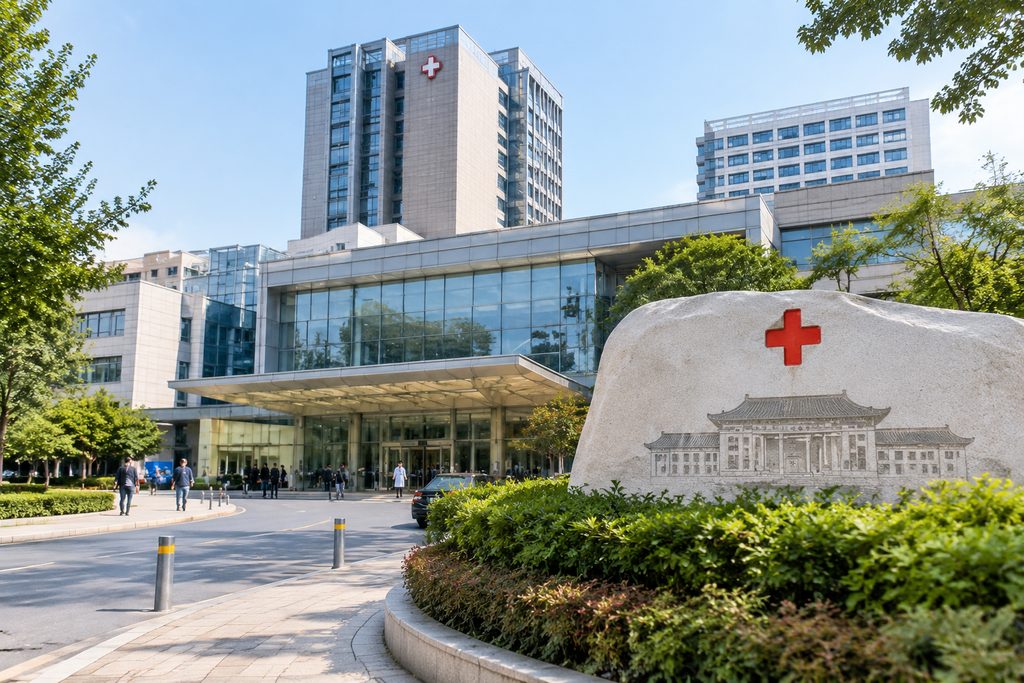
Recurrent Infection Workup in China: Huashan Hospital’s Diagnostic Edge
In the United States, an infectious disease specialist consult can take 4 to 6 weeks to schedule, and a full fever-of-unknown-origin workup often stretches past 3 months. At Huashan Hospital in Shanghai, the Infectious Diseases department — ranked among China’s top specialty programs — routinely completes that same comprehensive evaluation in 7 to 14 days. For anyone weighing the recurrent infection workup cost China option, that contrast is the starting point, not the whole story.
We’re China Medical Services. Our team connects international patients with 340+ top-ranked hospitals across 37 cities. This article explains exactly how a recurrent infection workup at Huashan works, what it costs, and what can go sideways.
How This Actually Works, Step by Step
Most patients arrive at Huashan’s international channel through a referral, a second-opinion service, or a family member in China. The sequence below reflects how the process typically unfolds for a foreign patient with no existing relationship to the hospital.
Step 1 — Records go first. You send whatever you have: blood cultures, CBC panels, CRP and procalcitonin results, imaging CDs, biopsy reports, prior antibiotic regimens with dates, and any genetic or immunological testing already done. Everything gets translated into Chinese by a certified medical translator. That translation is not optional — Huashan’s specialists review the Chinese version.
Step 2 — A written second opinion comes back. The infectious disease team reviews your file and returns a written analysis: what they suspect, which additional tests they’d run, and whether travel is even justified. This is the stage where a lot of patients learn their case doesn’t need a flight to Shanghai. That’s a good outcome, not a failed one.
Step 3 — If travel makes sense, the appointment gets coordinated. Huashan’s international department handles registration and scheduling. Note the reality here: standard public outpatient registration in China cannot be pre-booked from overseas. The international/VIP channel is the route that allows advance scheduling. Expect to pay roughly 1.5 to 2 times the standard fee for that access.
Step 4 — You arrive, and the workup runs. Blood draws, cultures, imaging, and specialist consultations happen across consecutive days, not weeks. A bilingual companion handles queuing, payment, wayfinding, and translation so nothing gets lost between departments.
Step 5 — Results and a plan. You leave with a diagnosis or a documented working hypothesis, a treatment plan, and records you can hand to your physician at home.
Why Huashan Hospital for a Recurrent Infection Workup
Huashan Hospital, affiliated with Fudan University, holds an A++++ tier ranking on the Fudan Hospital Rankings — the top tier of the comprehensive list, which does not assign individual numeric positions. Its Infectious Diseases department appears consistently on the Fudan specialty reputation rankings for that discipline.
What does that mean in practice? Volume. China’s top hospitals see patient numbers that Western centers rarely approach. That volume translates into pattern recognition — the diagnostician who has seen 40 cases of unexplained recurrent fever this year recognizes the 41st faster.
The department’s strengths cluster around persistent fever of unknown origin, recurrent bacteremia, complex intra-abdominal infections, and antibiotic-resistant organisms. Shanghai also has the laboratory infrastructure for advanced pathogen identification, including metagenomic next-generation sequencing (mNGS) — a test that can identify organisms conventional cultures miss.
If you’re comparing options, our specialty rankings by department page lists top-tier programs across 45 specialties, and the Shanghai city page covers the broader hospital landscape.
A Realistic Timeline
These ranges assume no visa complications and reasonably complete records. Patients with incomplete documentation or who need additional testing before travel should add 1 to 3 weeks.
| Stage | Typical Duration | What Happens |
|---|---|---|
| Record collection & translation | 3–7 days | You gather reports; certified translation into Chinese |
| Written second opinion | 5–10 business days | Huashan ID team reviews file, returns written analysis |
| Appointment coordination | 1–3 weeks | International department registration and scheduling |
| S2 visa application | 1–2 weeks | Requires hospital invitation/supporting documents |
| On-site workup | 7–14 days | Cultures, imaging, mNGS, specialist consults |
| Results & treatment plan | 1–3 days after final tests | Diagnosis, plan, records for your home physician |
Total realistic window from first contact to walking out with answers: 4 to 7 weeks. Some cases move faster. Complex ones with multi-drug-resistant organisms or an unclear source can take considerably longer, sometimes requiring repeat cultures weeks apart.
What Can Go Wrong — and What Happens Then
Honest failure modes matter more than success stories. Here’s what actually derails these workups.
The workup comes back negative. This happens. Some recurrent fevers have non-infectious causes — autoimmune conditions, malignancies, drug reactions. Huashan’s ID team will say so and refer you to rheumatology or oncology. You’ve spent money and learned your infection isn’t an infection. Frustrating, but that’s a real answer, and it redirects treatment.
The organism can’t be identified. mNGS improves detection but isn’t infallible. When nothing grows and sequencing is negative, the plan shifts to empiric treatment and monitoring. No hospital on earth guarantees a pathogen identification.
You need treatment you can’t complete in China. Some regimens run 6 weeks or longer. If you can’t stay, Huashan documents the protocol and your home physician continues it. Coordinating that handoff takes effort on your side.
The visa is delayed or refused. S2 applications require supporting hospital documents and are subject to consulate discretion. We’ve seen approvals in 5 days and denials that required resubmission. Never book non-refundable travel before the visa is in hand.
Costs exceed the estimate. Workups are diagnostic, and diagnostics branch. A negative first round means a second round. Budget for 20 to 30 percent above the initial quote.
Is Infection Workup in China Safe, and What Does It Cost?
On safety: Huashan is a major tertiary hospital with international patient services, English-speaking coordinators in the international department, and standards that align with global infectious disease practice. Sterile technique, antibiotic stewardship, and laboratory accreditation meet international norms. That said, “is infection workup in China safe” is a fair question, and the honest answer is that safety depends on the specific procedure and your condition. Bone marrow biopsies, lumbar punctures, and prolonged antibiotic courses carry risks anywhere.
On cost, here’s the comparison that drives most inquiries.
| Service | China (Huashan / top-tier) | United States |
|---|---|---|
| Infectious disease specialist consult | $80–$250 | $300–$600 |
| Comprehensive blood panel + cultures | $150–$400 | $800–$2,500 |
| mNGS pathogen sequencing | $400–$900 | $2,000–$5,000 |
| Advanced imaging (CT/MRI) | $150–$500 | $1,000–$4,000 |
| Full 7–14 day inpatient workup | $3,000–$8,000 | $25,000–$80,000+ |
These are ranges. Final figures vary by hospital and case complexity. The headline number: a complete recurrent infection workup in China typically lands between $3,000 and $8,000 all-in, before travel and accommodation. The same evaluation in the US frequently exceeds $25,000.
For a broader cost breakdown across service types, see our main hospital database covering 340+ top-ranked hospitals.
Practical Considerations: Records, Visa, and Follow-Up
Records. Bring originals and copies. Huashan’s team wants culture results with dates, every antibiotic you’ve taken with start and stop dates, and imaging on disc, not just printed reports. Incomplete records are the single biggest cause of delayed workups.
Visa. Foreign patients coming for medical treatment apply for the S2 visa with a notation for medical treatment purposes. Stays exceeding 180 days require the S1. Accompanying family members also apply under S2. The M visa is for commercial and trade activity and is not the correct category for medical travel. Requirements shift, so confirm current documentation with the nearest Chinese embassy or consulate.
Payment. Public hospitals like Huashan require prepayment. International insurance is typically reimbursed after the fact, not billed directly. Private international hospitals in Shanghai may offer direct billing — our private hospital directory lists which ones do.
Language. Huashan is enormous, with daily outpatient volumes in the thousands. Navigating it without Mandarin is genuinely difficult. This is where a bilingual medical companion earns their fee — queuing, registration, payment, and translation across departments.
Follow-up at home. Ask for complete records in English before you leave. Your home physician needs the culture results, imaging, and treatment protocol to continue care. Getting these translated after you’ve left is slower and more expensive.
Frequently Asked Questions
The on-site portion typically runs 7 to 14 days. Add 3 to 7 days for record translation, 5 to 10 business days for the written second opinion, and 1 to 3 weeks for appointment coordination. Total from first contact to results: 4 to 7 weeks in most cases.
Standard public outpatient registration cannot be reserved from overseas — it’s same-day queuing. International patients use the hospital’s international/VIP channel, which permits advance scheduling at roughly 1.5 to 2 times the standard fee. This is the practical route for booking an infection specialist appointment at Huashan Hospital from abroad.
At a top-tier institution like Huashan, yes — standards align with international practice. But no workup is risk-free, and outcomes depend on your specific condition. Anyone promising a guaranteed diagnosis or cure isn’t being straight with you.
It happens, and it’s still useful. A negative infectious workup often points toward autoimmune or malignant causes, and Huashan will refer you accordingly. You leave with direction, even if not a definitive answer.
International insurance at public hospitals like Huashan is generally reimbursed after payment, not billed directly. Keep every receipt and itemized statement. Some private Shanghai hospitals offer direct billing — check our private hospital listings.
Your Next Step
A recurrent infection that’s gone undiagnosed for months is exhausting, and the diagnostic gap between systems is real — Huashan can complete in two weeks what takes three months elsewhere. But travel is a serious decision, and it isn’t right for every case.
We’re China Medical Services. We coordinate written second opinions, video consultations, hospital appointments, and bilingual companion services. We don’t diagnose, we don’t treat, and we don’t promise outcomes. We connect you with the right specialists and handle the logistics so you can focus on getting answers.
If you’d like to know whether your case warrants a workup in Shanghai, start with a written second opinion. Send your records, and we’ll tell you honestly whether the trip makes sense. Request a free consultation — no pressure, no obligation.
This article is for informational purposes only and does not constitute medical advice. Always consult a qualified physician regarding diagnosis and treatment. Costs vary by hospital and case complexity.
For more medical information and treatment options in China, visit chinamedservices.com (China Medical Services).
