Is Rehabilitation the Right Next Step? A Guide to Recovery Abroad
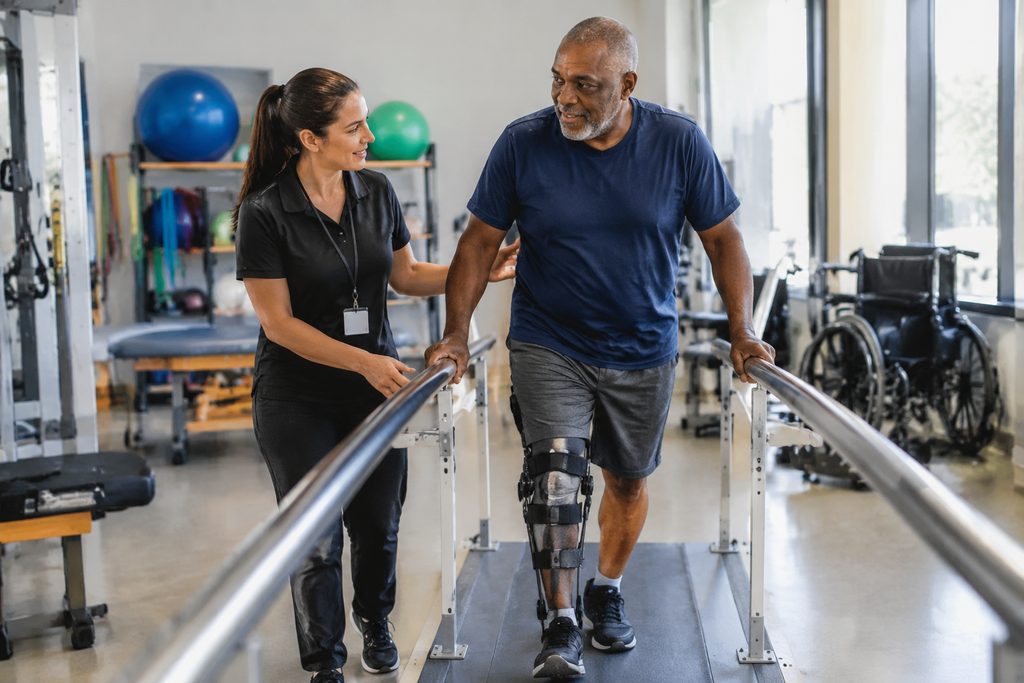
When 54-year-old Elena from Manchester suffered a hemorrhagic stroke in March, her UK neurologist stabilized her within five days. Then came the harder conversation. “The acute phase is over,” he said. “Now you need intensive rehabilitation—at least three hours of therapy daily for the next two to three months.” The National Health Service could offer her 45 minutes of physiotherapy twice a week, starting in six weeks. Elena’s daughter started searching for alternatives and found herself typing the same question thousands of families ask: Is rehabilitation the right next step, and where can we actually get it?
That question deserves a straight answer. For many patients, intensive inpatient rehabilitation is not just helpful—it is the single most important determinant of long-term functional recovery. The evidence is blunt. A 2021 meta-analysis in Stroke found that patients receiving at least three hours of task-specific therapy daily showed significantly greater improvement in motor function and activities of daily living compared to those receiving standard outpatient doses. The problem is access and cost. In the United States, a comprehensive inpatient rehabilitation stay at a top facility routinely runs $2,000 to $4,000 per day. In the United Kingdom and Canada, public wait times for specialized neuro-rehab can stretch to months. Meanwhile, the rehabilitation center cost China for a comparable inpatient program typically falls between $150 and $400 per day at top-tier public hospitals—roughly one-tenth of the American price. That gap is why we now field weekly inquiries from families in London, Toronto, Dubai, and Sydney asking the same thing: can we get world-class rehab in China, safely and without waiting half a year?
This article walks through what rehabilitation actually involves, what it costs in China versus Western systems, how long it takes, what can go wrong, and how to decide if traveling for rehab makes sense for you or your family member. No marketing fluff. Just the operational reality from our team at China Medical Services, which has spent years coordinating care for international patients in Chinese hospitals.
How This Actually Works, Step by Step
The process is more structured than most people expect. Here is the real sequence, from first inquiry to arriving on the rehab floor.
First, you send us the patient’s medical records. Discharge summaries, imaging reports (CT, MRI), surgical notes if applicable, current medication list, and any existing physiotherapy or occupational therapy assessments. We translate these into Chinese and route them to the rehabilitation department at one or more hospitals that match the patient’s condition. Stroke, spinal cord injury, post-orthopedic surgery, cardiac rehab, and pediatric neuro-rehab are all different tracks, and the right hospital varies accordingly.
Second, the hospital’s rehab team reviews the records. This typically takes three to seven business days. They assess whether the patient is medically stable enough to travel, what level of rehab intensity is appropriate, and whether they can accept the case. Some hospitals will request a video consultation before accepting. This is also when you get a written treatment plan with estimated duration and a cost range.
Third, if you agree with the plan, we handle the logistics. Hospital registration and bed reservation, visa support documents, airport pickup, and a bilingual medical companion who stays with the patient during the first days of admission. The companion is not a clinician—they are a trained coordinator who handles registration, translation, payment, and communication with nurses and therapists.
Fourth, the patient arrives and begins the program. A typical inpatient rehab day in a Chinese top-tier hospital includes 60 to 90 minutes of physiotherapy, 45 to 60 minutes of occupational therapy, 30 minutes of speech therapy if needed, plus nursing care, medication management, and sometimes acupuncture or TCM adjunctive therapy. Total active therapy time is usually 2.5 to 4 hours daily.
Fifth, discharge planning starts about one week before the planned end date. The rehab team provides a written home exercise program, and if the patient needs continued outpatient therapy back home, we help coordinate that transition.
What Does Intensive Rehabilitation Actually Involve?
Rehabilitation is not rest. It is structured, repetitive, often exhausting work. And the quality of that work determines how much function comes back.
For stroke patients, the core is constraint-induced movement therapy, gait training, balance work, and task-specific practice. A good program measures progress weekly using standardized scales—the Fugl-Meyer Assessment for motor recovery, the Berg Balance Scale, the Barthel Index for daily living. You should ask any facility which outcome measures they use and how often they reassess. If they cannot answer, that is a red flag.
For orthopedic rehab after joint replacement or spinal surgery, the focus shifts to range of motion, muscle strengthening, and safe movement patterns. Chinese hospitals have a particular strength here: high surgical volume means their rehab teams see thousands of post-operative patients annually. Fuwai Hospital in Beijing, for instance, performs over 14,000 cardiac surgeries per year, and its cardiac rehabilitation program has corresponding depth. For joint replacement, hospitals in Shanghai and Beijing run dedicated orthopedic rehab wards with daily therapy sessions.
There is also a growing integration of traditional Chinese medicine into rehab protocols. Acupuncture for spasticity management, tuina massage for soft tissue mobilization, and herbal medicine for sleep and appetite during recovery. The evidence is mixed for some of these, but many patients report subjective benefit, and the cost is modest. You can explore our TCM hospital directory to understand which facilities offer integrated programs.
A Realistic Timeline
People consistently underestimate the administrative runway. Here is what a typical international rehab case actually looks like, week by week.
| Stage | What Happens | Typical Duration |
|---|---|---|
| Day 1–3 | You submit medical records; we translate and prepare the case summary | 2–3 days |
| Day 4–10 | Hospital rehab team reviews records; may request video consultation | 3–7 business days |
| Day 11–14 | Treatment plan and cost estimate issued; you decide whether to proceed | 2–4 days |
| Week 3–5 | Visa application (S2 category), flight booking, hospital bed reservation | 2–4 weeks depending on embassy |
| Week 5–6 | Arrival in China, airport pickup, hospital admission, initial assessment | 1–2 days |
| Week 6–10 | Inpatient rehabilitation program (typical initial block) | 3–4 weeks |
| Week 10–12 | Reassessment, possible extension, or discharge with home program | 1–2 weeks |
The visa step is the one people forget. For medical treatment in China, the applicable short-stay category is the S2 visa, endorsed for medical treatment purposes. Processing times vary by country—some embassies issue within one week, others take three to four. Supporting documents from the receiving hospital are required. We provide those, but we cannot guarantee embassy timelines. Plan for this buffer.
How long does stroke rehab take abroad? The honest answer: meaningful motor recovery typically requires 8 to 12 weeks of intensive therapy, sometimes longer. Many patients do an initial 4-week block in China, return home for a month, then come back for a second block if progress justifies it. Others stay 8 to 10 weeks continuously. The hospital will reassess at week 3 or 4 and recommend whether to extend.
What Can Go Wrong — and What Happens Then
We would rather tell you now than have you discover it on the ground. Traveling for rehab carries real risks, and you should know the failure modes before committing.
Medical instability during travel. If the patient has uncontrolled hypertension, recent seizure activity, or is within six weeks of a major cardiac event, the hospital may decline the case. That is the system working correctly. We have had cases where the rehab team reviewed records and said: “This patient is not yet stable enough for international travel. Reapply in four weeks.” The recourse is to wait, stabilize locally, and resubmit. It is frustrating, but it is better than a medical emergency at 35,000 feet.
Expectation mismatch. Some families expect a miracle. They arrive thinking four weeks will restore full independence after a severe stroke. It will not. The rehab team will set functional goals at admission, and those goals are often modest: transfer from bed to chair independently, walk 50 meters with a walker, feed oneself. If the family’s expectations are wildly out of line with the clinical reality, the experience feels like failure even when the program is working. We now spend significant time in the pre-departure phase aligning expectations.
Language and cultural friction. Chinese rehab wards are efficient but not always warm by Western standards. Nurses may seem brusque. Therapists push hard. The food is unfamiliar. A bilingual medical companion mitigates the language barrier, but the cultural adjustment is real. Some patients find it motivating; others find it exhausting. The companion service we provide costs from $300 per day and is, in our experience, non-negotiable for anyone without fluent Mandarin.
Insurance reimbursement delays. Chinese public hospitals generally require prepayment. You pay the estimated treatment cost upfront, then claim reimbursement from your insurer afterward. Some international insurers have direct billing arrangements with private international hospitals in China, but public hospital rehab wards rarely do. If your insurer requires pre-authorization, get it in writing before you travel. We provide itemized invoices and translated medical records to support claims, but we do not guarantee reimbursement outcomes.
Is Inpatient Rehab Safe in China? What the Numbers Say
Safety is the question every family asks, and it deserves more than reassurance. It deserves data.
China’s top-tier hospitals—the roughly 340 facilities we work with, representing the top 5% of the country’s 35,000+ hospitals—operate under accreditation standards that are increasingly aligned with international norms. Many hold JCI (Joint Commission International) accreditation, the same standard used by leading hospitals in the US, Europe, and the Middle East. The Fudan University hospital rankings, published annually, stratify the top 100 general hospitals into five tiers (A++++ through A), and the specialist reputation rankings cover 45 clinical departments.
For rehabilitation specifically, the safety profile depends on the underlying condition. Stroke rehab in a well-staffed inpatient unit is generally safe; the main risks are falls, aspiration pneumonia, and deep vein thrombosis. Chinese rehab wards use the same prevention protocols as Western units: bed alarms, swallow assessments before oral feeding, compression devices and anticoagulation for DVT prophylaxis. Infection control in top-tier hospitals is comparable to international standards, though we always advise patients to bring their own supply of any specific medications they require, as brand availability varies.
One honest caveat: the patient-to-therapist ratio in Chinese public hospital rehab wards can be higher than in Western private facilities. That means less one-on-one time with a physiotherapist, offset by more time with rehabilitation nursing staff and, in some programs, group therapy sessions. If your priority is maximum individual therapist attention, a private international hospital in Shanghai or Beijing may be a better fit, at roughly double the public hospital price. Our private hospital directory lists JCI-accredited options with English-speaking staff and Western-style care models.
Practical Considerations: Records, Visas, Payment, and Follow-Up
The operational details decide whether this works. Here is what you need to have in order before you book anything.
Medical records. Complete is better than recent. We need the full picture: original imaging (not just reports), operative notes if surgery occurred, current medication list with dosages, and any prior therapy assessments. If records are in a language other than English or Chinese, translation adds time. Send what you have; we will tell you what is missing.
Visa. The S2 visa is the correct category for short-term medical treatment in China, typically issued for stays up to 180 days. Family members accompanying the patient also apply for S2. You will need an invitation letter from the receiving hospital, which we arrange after the hospital accepts the case. Visa approval is never guaranteed, and we do not promise otherwise. Apply early.
Payment. Public hospitals require prepayment of estimated costs. A 4-week inpatient rehab stay at a top-tier public hospital in Beijing or Shanghai typically ranges from $4,000 to $12,000, depending on the intensity of therapy and the ward type. Private international hospitals run higher—think $12,000 to $30,000 for the same period. The rehabilitation center cost China advantage is most pronounced at public hospitals, but you trade some comfort for that savings.
Language. If the patient does not speak Mandarin, a bilingual companion is essential. This is not a luxury. Hospital registration, therapy scheduling, medication instructions, and discharge planning all happen in Chinese. Our companion service includes translation and coordination, from $300 per day for a full day.
Follow-up at home. Before discharge, the rehab team provides a written home exercise program. If the patient’s home country has a local physiotherapist, we recommend sharing that program with them. Some patients also schedule periodic video consultations with the Chinese rehab team after returning home—a useful option if you want continuity without another international trip.
Frequently Asked Questions
A top-tier public hospital rehab program in China typically costs $150 to $400 per day for inpatient care, compared to $2,000 to $4,000 per day in the United States. A 4-week stay in China therefore runs roughly $4,000 to $12,000. Private international hospitals in China are more expensive, in the $300 to $800 per day range, but still below Western private facility prices. All figures vary by hospital, ward type, and case complexity.
At top-ranked hospitals, yes. The facilities we work with are drawn from the top 5% of China’s 35,000+ hospitals, many with JCI accreditation and Fudan ranking recognition. Safety protocols for falls, infection control, and DVT prevention follow international standards. The main differences from Western facilities are higher patient-to-therapist ratios in public wards and a more directive communication style. Choose a private international hospital if you want a Western-style care model and are willing to pay more.
Intensive stroke rehab typically requires 8 to 12 weeks for meaningful motor recovery. Many international patients do an initial 4-week block, then reassess. Expected progress depends on stroke severity and time since onset. A realistic goal for a 4-week program might be improved bed mobility, sitting balance, and assisted walking short distances. Full independence after a severe stroke is rarely achieved in one rehab block, anywhere in the world.
Yes. The standard path is remote: you send medical records, the hospital rehab team reviews them, a treatment plan and cost estimate are issued, and only then do you travel. Some hospitals request a video consultation before acceptance. This remote evaluation model is exactly what makes medical tourism for rehab practical—you do not need to fly to China just to find out if you are eligible. Our consultation and coordination service handles the entire remote evaluation and booking process.
Top-tier Chinese hospitals are acute-care facilities as well as rehab providers. If a medical complication arises during rehab—a new stroke, a cardiac event, an infection—the patient is transferred to the appropriate acute department within the same hospital. This is a significant advantage of doing rehab in a large general hospital rather than a standalone rehab facility. Your bilingual companion stays with the patient through any transfer and keeps the family informed.
Your Next Step
Rehabilitation is a decision about time, money, and the odds of recovery. The evidence says intensive, early rehab gives the best shot at regaining function. The question is where you can actually get it, at a price you can sustain, without waiting months.
Our team at China Medical Services coordinates rehab programs for international patients at top-ranked Chinese hospitals. We handle record translation, hospital selection, visa support documents, and on-the-ground bilingual companionship. We do not provide medical advice, and we do not promise specific outcomes. What we do is make the process navigable. If you are weighing whether rehabilitation abroad is the right next step, start with a free consultation—send us the patient’s records, and we will tell you honestly whether a Chinese rehab program makes sense for your case.
Recovery is a window. The wider you can open it, the more function comes back. That window does not stay open forever. If you are asking the question, it is probably time to get a real answer.
For more medical information and treatment options in China, visit chinamedservices.com (China Medical Services).
