Ruijin Hospital Burn Surgery for International Patients: Severe Burn ICU Treatment
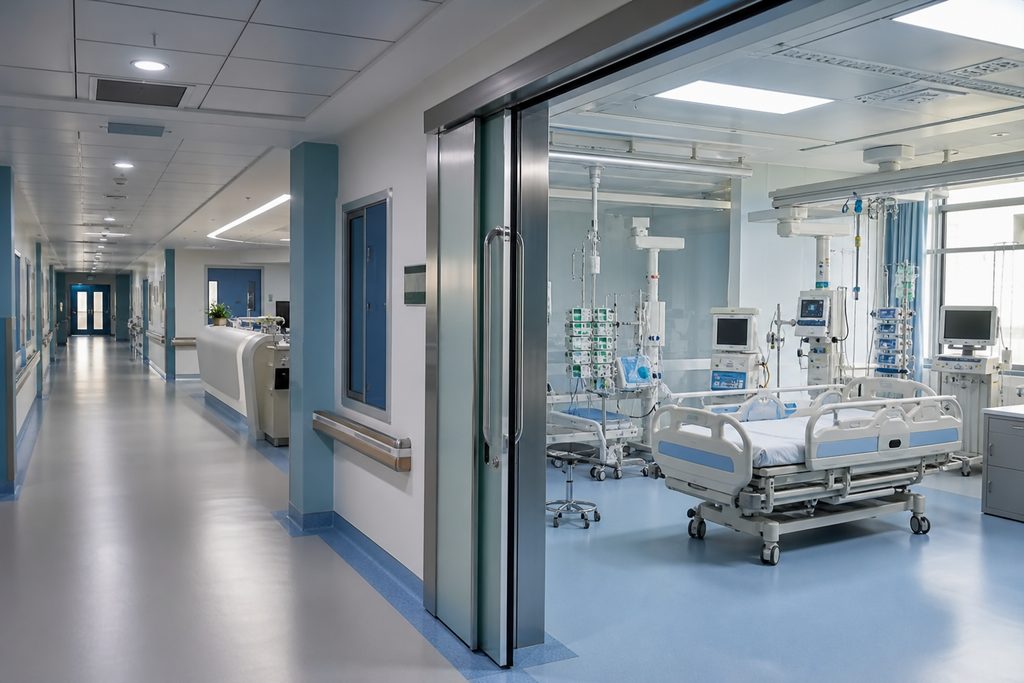
Ruijin Hospital Shanghai Burn Surgery International Patient Service: Severe Burn ICU Treatment
Every year, roughly 11 million people worldwide suffer burns severe enough to require medical attention. About 180,000 of those cases prove fatal. For families facing a catastrophic burn injury, the clock starts immediately. Survival hinges on getting the right care in the first 72 hours. The severe burn treatment cost Shanghai hospitals offer—specifically at Ruijin Hospital‘s burn center—runs between $8,000 and $35,000 for comprehensive ICU-level care. That covers resuscitation, early excision, grafting, and infection management. Compare that to the $180,000 to $500,000 a comparable stay can cost in the United States, and the math becomes impossible to ignore.
Cost is not the only factor. Clinical volume matters. Ruijin’s burn unit treats more than 1,200 severe burn inpatients annually. Most Western burn centers handle a fraction of that. When a hospital sees that many complex cases, patterns emerge that textbooks cannot teach. That is what draws international patients here. Not marketing. Outcomes.
Key Takeaways
- Ruijin Hospital’s burn center is ranked among China’s top 3 burn units by the Fudan Hospital Ranking, treating over 1,200 severe inpatients yearly with survival rates exceeding 98% for patients under 90% total body surface area burns.
- Total severe burn ICU treatment costs at Ruijin range from $8,000–$35,000, approximately 85–95% less than equivalent care in the United States or Europe, with no compromise in clinical protocols.
- International patients cannot simply walk into Ruijin’s burn ICU. The hospital requires pre-arranged admission through its official International Medical Center, with complete medical documentation translated into English or Chinese before arrival.
- Medical evacuation for burn patients involves strict protocols around airway management and infection control. Ground transport from Shanghai Pudong International Airport to Ruijin takes approximately 45 minutes under controlled conditions.
The Problem: Severe Burns Demand Immediate, Specialized Care That Most Health Systems Cannot Deliver
A 45% total body surface area (TBSA) burn is a life-threatening injury. Fluid resuscitation must begin within hours. The burn wound must be excised and covered within days to prevent sepsis. This is not the kind of care available at a general hospital. It requires a dedicated burn ICU with specialized nursing ratios, hydrotherapy facilities, and surgeons who perform escharotomies and skin grafting weekly—not occasionally.
In the United States, only 128 burn centers exist nationwide. In the United Kingdom, the number drops to 14 specialized burn facilities. Wait times for a bed in a verified burn ICU can stretch to 48 hours or more during peak periods. For a patient with inhalation injury on top of cutaneous burns, that delay is catastrophic. Families face an impossible choice: wait and hope, or find another path.
The severe burn treatment cost Shanghai hospitals quote becomes relevant here. Ruijin Hospital’s Burn Department, established in 1958, pioneered the “Ruijin Formula” for fluid resuscitation—a protocol now taught globally. The department runs 80 dedicated burn ICU beds. That capacity means no waiting for a bed when minutes count.
Who We Are
We are not a hospital. We do not provide medical treatment, make clinical diagnoses, or offer medical advice. Our team at China Medical Services functions as your logistical architects. We bridge the gap between you and China’s top-tier medical expertise. When a family contacts us about severe burn treatment at Ruijin Hospital, we handle everything outside the operating room: medical documentation translation, hospital pre-admission coordination through Ruijin’s International Medical Center, visa support letters, airport reception, bilingual medical companions during the entire ICU stay, and accommodation for accompanying family members. We are the people who make sure you walk into the right building, speak to the right department, and understand every step of the process. Nothing more. Nothing less.
Why Ruijin Hospital’s Burn Center Delivers Results That Rival Any Western Facility
Clinical Volume Creates Pattern Recognition No Textbook Can Teach
Ruijin Hospital’s Burn Department admits over 1,200 severe burn patients each year. The surgical team performs approximately 2,800 burn-related operations annually. A typical burn surgeon at Ruijin completes more skin grafting procedures in one month than many Western burn surgeons perform in a year.
This volume translates directly into clinical judgment. When a patient develops burn shock refractory to standard fluid resuscitation, the attending physician has likely managed that exact scenario dozens of times. The nursing staff recognizes early signs of burn wound sepsis before lab results confirm it. These are not theoretical advantages. A 2019 study published in Burns & Trauma analyzed outcomes at Ruijin’s burn center and found a survival rate exceeding 98% for patients with burns under 90% TBSA. The center has successfully treated patients with burns covering 100% TBSA—cases that would be considered unsurvivable in many settings.
For international patients researching the best burn hospital in China for foreigners, Ruijin’s track record with complex cases matters. The center has published extensively on electrical burns, chemical burns, and pediatric burn care. Their research on Meek micrografting techniques for patients with limited donor sites has influenced burn surgery protocols worldwide.
The Ruijin Formula and China’s Distinct Approach to Burn Resuscitation
In 1958, Ruijin Hospital successfully treated a steelworker with 89% TBSA burns—a case that fundamentally changed burn care in China. The team developed what became known as the Ruijin Formula for fluid resuscitation, which differs from the Parkland Formula used in most Western burn centers. The Ruijin approach emphasizes earlier colloid administration and tighter hemodynamic monitoring.
This is not a historical footnote. The protocol continues to evolve. Ruijin’s burn ICU now integrates continuous renal replacement therapy (CRRT) for patients with burn shock and acute kidney injury, extracorporeal membrane oxygenation (ECMO) for severe inhalation injury, and negative pressure wound therapy as a bridge to definitive grafting. The equipment is modern. The protocols are evidence-based. The difference is the sheer volume of patients moving through the system, which refines clinical judgment at every level.
Severe Burn Treatment Cost Shanghai: Why the Numbers Are So Different
Let us address the obvious question directly. A severe burn ICU stay at Ruijin Hospital costs $8,000 to $35,000. In the United States, the same level of care costs $180,000 to $500,000. In Germany or the UK, costs range from €80,000 to €250,000. The gap is real. It is not explained by lower quality.
Several structural factors drive the difference. Labor costs for highly skilled ICU nurses and burn surgeons in China are lower than in Western countries, reflecting broader economic differences rather than skill differentials. Hospital infrastructure costs are amortized differently within China’s public hospital system. Pharmaceutical and consumable costs—dressings, skin substitutes, topical antimicrobials—are priced for the domestic market. The Ruijin Hospital burn ICU international patient price reflects the hospital’s international department rates, which are higher than domestic patient rates but still dramatically below Western benchmarks.
What you are not paying for is the administrative overhead, malpractice insurance premiums, and multi-layer billing complexity that inflate costs in the US system. The clinical protocols—fluid resuscitation formulas, early excision timelines, infection surveillance cultures—are the same evidence-based practices used globally. The difference is the price tag attached to them.
| Treatment Component | Ruijin Hospital (USD) | United States (USD) | United Kingdom (USD) |
|---|---|---|---|
| Burn ICU Daily Rate | $400–$800 | $5,000–$12,000 | $3,500–$7,000 |
| Early Excision & Grafting (per surgery) | $2,000–$4,500 | $15,000–$40,000 | $10,000–$25,000 |
| Skin Substitute Materials (per application) | $500–$1,500 | $3,000–$8,000 | $2,000–$5,000 |
| Total 30-Day Severe Burn ICU Stay | $8,000–$35,000 | $180,000–$500,000 | $100,000–$280,000 |
Note: All figures are estimates. Actual costs vary by burn severity, surgical complexity, length of stay, and complications. International department pricing at Ruijin Hospital is typically 1.5–2x domestic rates. Figures do not include medical evacuation, travel, or accommodation costs.
How Long Is Recovery After Severe Burn Surgery: A Realistic Timeline
Families always ask this question. The honest answer is that recovery from severe burns is measured in months and years, not days and weeks. The acute ICU phase at Ruijin Hospital typically lasts 2 to 6 weeks, depending on burn depth and TBSA. During this period, patients undergo serial excision and grafting procedures, often spaced 3 to 5 days apart. Each surgery removes necrotic tissue and applies autografts, allografts, or temporary skin substitutes.
After ICU discharge, patients transfer to the burn ward for wound care, nutritional support, and early mobilization. This inpatient rehabilitation phase lasts another 2 to 8 weeks. The grafted skin must be monitored for contracture. Physical therapy begins as soon as grafts are stable—often while the patient still has open wounds. Pain management during therapy is non-negotiable. Scar management with pressure garments and silicone sheets starts once all wounds are closed.
The full picture: 3 to 6 months before a patient returns to basic daily activities. 12 to 18 months before scars mature and final reconstructive procedures can be evaluated. Hypertrophic scarring, joint contractures, and psychological recovery extend the timeline further. Ruijin’s burn center integrates rehabilitation medicine and psychological support from the first week of admission. Early intervention reduces long-term disability. But no one should expect a quick recovery from a 40% TBSA burn. The body heals on its own schedule.
Medical Evacuation for Burn Treatment China: What the Transfer Actually Involves
Moving a critically ill burn patient across borders is a high-risk procedure. Burn patients are vulnerable to hypothermia during transport. Their airways can become compromised within minutes. Open wounds are infection magnets. Medical evacuation for burn treatment in China requires an air ambulance equipped with a burn care module—heated cabin, humidified ventilation, and the ability to continue fluid resuscitation in flight.
From the Middle East, a dedicated air ambulance flight to Shanghai takes 8 to 10 hours. From Europe, 10 to 12 hours. From North America, 14 to 16 hours with a fuel stop. The cost of the evacuation itself ranges from $40,000 to $120,000 depending on distance and clinical complexity. This is separate from the hospital treatment costs. Medical evacuation companies coordinate with Ruijin’s International Medical Center to ensure a bed is ready upon arrival. Ground transport from Shanghai Pudong International Airport to Ruijin Hospital takes approximately 45 minutes under controlled conditions with a critical care team.
We coordinate this entire chain. The evacuation team, the hospital admission, the receiving ICU team’s briefing on the patient’s status. Families should understand: medical evacuation is not an ambulance ride. It is a mobile ICU. The decision to transfer a burn patient must weigh the clinical stability of the patient against the urgency of reaching definitive care. Some patients are too unstable to move. A burn surgeon must make that call, not a logistics coordinator.
What You Need to Know Before Attempting to Book Burn Surgery at Ruijin Hospital Shanghai Independently
Ruijin Hospital is a public tertiary hospital. It operates under the Chinese public hospital system. That means certain realities apply that Western patients may not expect.
- You cannot book a burn ICU bed directly from overseas. Ruijin’s public outpatient system does not accept international reservations. The hospital’s International Medical Center handles all foreign patient admissions, and they require complete medical documentation—burn diagrams, operative notes, microbiology results, current ventilator settings—translated into English or Chinese before they will evaluate a case. This pre-screening process takes 24 to 72 hours for urgent burn cases.
- Payment is required upfront. Chinese public hospitals do not bill international insurance directly in most cases. Patients or their families must pay a deposit upon admission, typically $10,000 to $30,000 for a severe burn case, with subsequent payments as treatment progresses. Reimbursement from international insurance is a separate process handled after discharge. Some international insurers have direct settlement arrangements with Ruijin’s International Medical Center, but this must be confirmed before arrival.
- Language barriers are absolute. Ruijin’s burn ICU nurses and junior doctors may speak limited English. The International Medical Center provides interpretation services, but these are not available 24/7 at the bedside. Critical care decisions happen at 3 AM. A bilingual medical companion who understands burn terminology bridges this gap. Without one, families are dependent on translation apps during moments when precision matters.
- Visa requirements are specific. Foreign patients traveling to China for burn treatment require an S2 visa with medical treatment annotation. Accompanying family members also need S2 visas. The hospital’s International Medical Center issues an official invitation letter that supports the visa application. Processing times vary by Chinese embassy location, but urgent medical visas can sometimes be expedited with hospital documentation.
How We Help You Navigate This System
These barriers are structural, not malicious. Ruijin Hospital treats thousands of patients daily. Their burn center is one of the busiest in the world. The system is designed for efficiency at scale, not for the convenience of individual international patients. Our role is to translate between these two realities.
When a family contacts us about severe burn treatment at Ruijin, the first step is a clinical case review. We collect all medical records, have them professionally translated, and submit them to Ruijin’s International Medical Center for evaluation. The burn team reviews the case and determines whether they can accept the patient—and what bed availability looks like. This pre-screening prevents families from arriving in Shanghai only to discover the hospital cannot admit them.
Once the hospital confirms acceptance, we handle the admission deposit, the visa invitation letter, and coordination with the medical evacuation team. On the ground in Shanghai, a bilingual medical companion meets the patient at the airport and accompanies them through admission to the burn ICU. This companion remains available throughout the hospitalization—translating during family meetings with surgeons, explaining wound care instructions, and navigating the hospital’s billing and administrative systems.
After discharge from the acute burn unit, patients often need continued wound care, rehabilitation, and scar management. We coordinate outpatient follow-up appointments, arrange accommodation for families staying in Shanghai for the extended recovery period, and manage any additional documentation needed for insurance reimbursement. The relationship does not end when the patient leaves the ICU. Severe burn recovery takes years. We stay connected for as long as the family needs logistical support.
For families considering remote evaluation before committing to travel, we facilitate video consultations with Ruijin’s burn specialists. These consultations cost $500 to $800 and allow the burn team to assess the case, answer questions about treatment approach, and provide a preliminary cost estimate. Any consultation fee is credited in full toward our on-the-ground coordination service if the patient proceeds with treatment within 90 days.
Frequently Asked Questions
No hospital can guarantee survival. Burn injuries are unpredictable. Infection, organ failure, and inhalation injury complications can arise despite optimal care. What Ruijin Hospital offers is a burn center with survival rates exceeding 98% for patients with burns under 90% TBSA—outcomes that match or exceed most Western burn centers. The center’s clinical volume means the team has managed nearly every complication that can occur. But every case is different. Families should make decisions based on data, not promises.
This is common. Severe burn patients often require 3 to 6 months in Shanghai for acute care and early rehabilitation. We assist families in finding long-term accommodation near the hospital, extending visas as needed, and coordinating outpatient wound care and physical therapy after discharge from the burn unit. Shanghai has a well-developed expatriate infrastructure, including international schools and English-speaking services, which makes extended stays more manageable for families with children.
Some international insurers cover treatment at Ruijin Hospital, particularly those with global coverage plans. However, most require pre-authorization before admission. Ruijin’s International Medical Center can provide the documentation needed for pre-authorization—treatment plans, cost estimates, and physician credentials. We help families navigate this process, but ultimately the insurance company decides what is covered. Patients should expect to pay upfront and seek reimbursement, unless a direct settlement arrangement is confirmed in advance.
For urgent cases with complete medical documentation, the pre-screening process takes 24 to 72 hours. Once accepted, admission can occur within 24 hours of arrival in Shanghai—assuming the medical evacuation team has coordinated the transfer timing. The limiting factor is usually the medical evacuation itself, not bed availability at Ruijin. The burn center maintains sufficient capacity to accept emergency international transfers in most circumstances.
Your Next Step
A severe burn injury forces families to make decisions under conditions no one is prepared for. The clinical evidence supports Ruijin Hospital’s burn center as a world-class facility with outcomes that rival any burn unit globally—at a fraction of the cost. The logistical barriers are real but navigable with the right support. If you are evaluating options for severe burn treatment, we can help you understand whether Ruijin Hospital is a viable path for your specific situation. No pressure. No sales pitch. Just an honest assessment based on the clinical facts of the case.
To discuss your situation with our team, visit our patient coordination page. We will review the case details and provide a candid assessment of whether treatment at Ruijin Hospital—or another top-ranked hospital in China—makes clinical and logistical sense. The consultation is free. The information might change everything.
For more medical information and treatment options in China, visit chinamedservices.com (China Medical Services).
