Second Opinion Hospital China: How Foreign Patients Get Expert Reviews
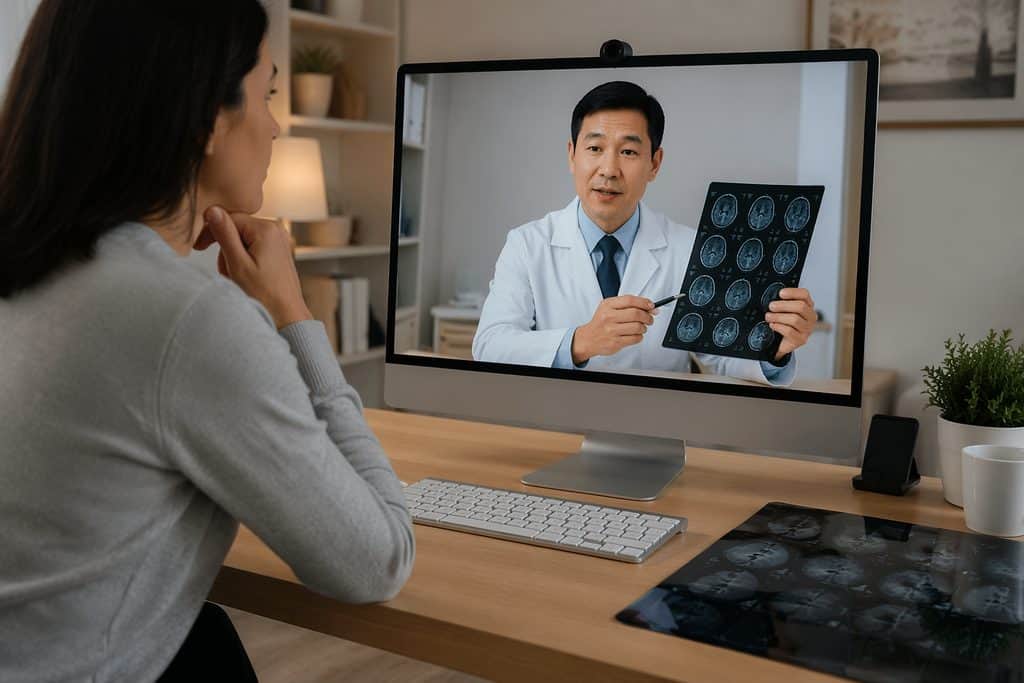
Which Hospital in China Offers a Second Opinion? What International Patients Should Know
If you have been handed a serious diagnosis, you want certainty. Not hope. Not a brochure. You want a second set of eyes from someone who has seen thousands of cases like yours. A second opinion hospital China patients rely on can provide exactly that — often within days, and at a fraction of Western costs. But the process is not as simple as emailing a hospital and asking for a review. There is a right way to do this.
Have you ever wondered whether your treatment plan reflects the full range of options available globally? For many patients, the answer is no. Treatment protocols vary by country, by hospital culture, by the volume of cases a department handles each year. What is considered standard in one system may be outdated in another. That gap is why remote second opinions have grown so quickly.
Key Takeaways
- China’s top-ranked hospitals include 340+ institutions across 37 cities, representing the top 5% of the country’s 35,000+ hospitals as ranked by Fudan University and JCI.
- A written second opinion from a leading Chinese specialist typically costs $300–500, while a top-specialist video consultation runs $500–800 — a fraction of comparable US fees.
- You cannot simply book a public outpatient appointment from overseas. Remote second opinions are coordinated through hospital international departments or specialized service providers.
- The S2 visa is the correct category for medical travel to China, not the M visa, which is strictly for commercial and trade activities.
The Problem: When One Opinion Is Not Enough
Medical misdiagnosis is more common than most people assume. A 2014 study published in BMJ Quality & Safety estimated that approximately 12 million adults in the United States — roughly 1 in 20 — experience a diagnostic error each year in outpatient settings alone. For complex conditions like cancer, autoimmune disorders, and rare neurological diseases, the stakes are even higher.
Second opinions change treatment plans frequently. Research from the Mayo Clinic found that among patients who sought a second opinion, 21% received a distinctly different diagnosis, and 66% were told their diagnosis should be refined or reclassified. That means only about 1 in 8 patients walked away with full confirmation and no changes.
Now consider the cost of getting that second opinion. In the United States, a comprehensive second opinion from a major academic center can run $1,500 to $3,000 or more, depending on the specialty and imaging review. Wait times for top oncologists at leading US cancer centers often stretch to several weeks. For a patient with an aggressive malignancy, that delay is not abstract. It is measured in tumor growth.
This is the exact gap that a second opinion hospital China can fill. Not because Chinese medicine is inherently better, but because the system operates at a scale and speed that Western healthcare rarely matches.
Why a Second Opinion Hospital China Delivers Results
China’s top-tier hospitals handle patient volumes that dwarf most Western institutions. A single large public hospital in Beijing or Shanghai may see over 10,000 outpatient visits per day. That scale translates into clinical experience that is difficult to replicate anywhere else.
Clinical Volume Creates Pattern Recognition
Fuwai Hospital in Beijing, for instance, performs more than 14,000 cardiac surgeries annually — the highest volume of any heart center in the world. A cardiac surgeon there may see more complex valve cases in one year than a typical Western surgeon encounters in a decade. When you ask for a review of your cardiac imaging, you are asking someone who has looked at tens of thousands of similar scans.
The same pattern holds across specialties. The Fudan University hospital rankings, which evaluate China’s 35,000+ hospitals, identify the top 5% based on clinical reputation, research output, and specialty strength. Within that group, 45 specialties have specific top-10 rankings. If you need a second opinion on a liver resection, a lung nodule, or a complex orthopedic reconstruction, there is a department in China that performs that procedure hundreds or thousands of times per year.
Efficiency Without the Bureaucratic Lag
Western referral systems often require multiple appointments before a specialist review happens. You see a primary care physician, get a referral, wait for insurance approval, schedule the consultation, then wait again for the written report. The process can take six to eight weeks.
In China, the bottleneck is different. Top hospitals are enormous, but their international departments are built for speed. Once you submit your records — imaging, pathology reports, lab results — the review process typically begins within days. A written second opinion from a top specialist can often be delivered within one to two weeks. Video consultations can sometimes be scheduled within the same timeframe.
Cost Structure That Makes Sense
Let us address the obvious concern. Lower cost does not mean lower quality. The structural reasons Chinese medical fees are lower include labor economics, hospital efficiency, and the sheer volume of patients spreading fixed costs across more cases. A cardiac bypass that costs $120,000 or more in the United States typically runs $12,000 to $20,000 at a top Chinese public hospital. The same ratio applies to second opinions.
A written second opinion from a leading specialist in China costs $300 to $500. A video consultation with a top-ranked expert runs $500 to $800. A multidisciplinary team review costs $1,500 to $2,000. These are not budget-tier services. They are reviews from physicians at hospitals ranked among the best in Asia.
How to Get a Second Opinion in China: The Step-by-Step Process
This is the question behind the search: how to actually make it happen. The process is straightforward if you understand the structure. Chinese public hospitals do not allow overseas patients to book regular outpatient appointments remotely. You cannot email a hospital and say, “I want Dr. Zhang to review my MRI.” That is not how the system works.
There are two legitimate routes. The first is to contact a hospital’s international department directly. Major institutions like Peking Union Medical College Hospital, Zhongshan Hospital, and West China Hospital all have international wings. You send your records, they route them to the appropriate department, and a specialist reviews your case. The challenge is language and logistics. Many international departments have English-speaking staff, but response times vary, and you will need to handle the coordination yourself.
The second route is to work with a coordination service that handles record translation, hospital matching, and appointment logistics. This is where our team at China Medical Services operates. We are not a hospital. We do not diagnose or treat. What we do is handle the friction — translating your records into Chinese, identifying the right department for your condition, and coordinating the review through official hospital channels.
The process itself follows a predictable sequence. You submit your existing examination reports and imaging. The relevant specialty department reviews them. If the case is clear, you receive a written analysis with treatment suggestions and direction. If the specialist needs more information, you may be asked for additional tests or higher-resolution imaging. Then you either receive the written opinion or schedule a video consultation to discuss it directly.
Is a Second Opinion from a Chinese Hospital Reliable? Evaluating the Evidence
This is a fair question, and it deserves a direct answer. The reliability of a Chinese second opinion depends on the same factors that determine reliability anywhere: the quality of the hospital, the specialty ranking, and the completeness of the records you submit.
China’s top hospitals are not obscure institutions. They are major academic centers with research output that appears in The Lancet, NEJM, and JAMA. Fuwai Hospital’s cardiac surgery outcomes are published in peer-reviewed journals and compared against international benchmarks. The Fudan rankings, which identify the top 100 hospitals and top 10 in each of 45 specialties, are based on peer review from thousands of Chinese clinicians plus research metrics. These are not marketing lists.
But there are limitations you should understand. A written second opinion is exactly that — an opinion based on the records you provide. It is not a prescription, and it does not replace an in-person examination. If your imaging is low-resolution or your pathology slides are unavailable, the review will be limited. Specialists can only evaluate what you send them.
Also, treatment philosophies differ. Chinese oncology departments, for example, may recommend protocols that differ from US or European guidelines. That does not mean one is wrong. It means you are getting a genuinely independent perspective — which is the entire point of a second opinion. You compare, you ask questions, and you make a more informed decision.
| Service Type | What You Receive | Typical Cost | Timeframe |
|---|---|---|---|
| Written Second Opinion | Specialist reviews your records and provides a written analysis with treatment direction | $300–500 | 1–2 weeks |
| Standard Video Consultation | Live discussion with a specialist at a top public hospital international department or private hospital | $100–300 | 3–7 days |
| Top-Specialist Video Consultation | Live discussion with a leading expert from a Fudan-ranked department | $500–800 | 1–2 weeks |
| Multidisciplinary Team Review | Coordinated review by specialists from multiple departments | $1,500–2,000 | 2–3 weeks |
Costs vary by hospital and case complexity. These are reference ranges, not fixed quotes. The key point is scale: a comprehensive second opinion that might cost $2,000 to $3,000 in the United States typically costs $300 to $800 through a top Chinese hospital.
Best Hospital for Second Opinion Oncology Shanghai: What to Look For
A written second opinion from a top specialist typically costs $300 to $500. Standard video consultations run $100 to $300, while consultations with leading experts in Fudan-ranked departments cost $500 to $800. Multidisciplinary team reviews range from $1,500 to $2,000. All prices vary by hospital and case complexity.
Some international insurance plans cover second opinions, but coverage for overseas providers varies widely. Check with your insurer before committing. Chinese public hospitals generally do not bill insurers directly, so you would pay upfront and seek reimbursement. Private international hospitals in China are more likely to have direct billing arrangements.
A written second opinion is a review of your existing records. It provides analysis and treatment direction, but it is not a substitute for an in-person examination. Many patients use the written opinion to decide whether traveling to China for treatment is worthwhile. If the specialist recommends a treatment plan that differs from your current one, that is a strong signal to investigate further.
That is the point of a second opinion — you want an independent perspective. If the recommendations differ, discuss the discrepancy with both doctors. Ask each to explain their reasoning. You are not obligated to follow either plan. The goal is to gather enough information to make a confident decision.
Your Next Step
A second opinion hospital China patients trust can provide clarity when you need it most. The process works best when your records are complete, your expectations are realistic, and you understand what a remote review can and cannot tell you.
Our team at China Medical Services helps international patients navigate this process — translating records, matching your case to the right specialty department, and coordinating reviews through official hospital channels. We are not a hospital, and we do not provide diagnoses or treatment. If you would like to explore whether a Chinese second opinion makes sense for your situation, request a free consultation and we will help you evaluate your options.
Frequently Asked Questions
Yes. The hospitals used for international patients are JCI-accredited and follow the same international safety standards as top hospitals in the US and Europe. Surgical teams perform high volumes of procedures — often more than their Western counterparts — which studies show leads to better outcomes.
Costs vary by procedure and hospital, but international patients typically save 40-80% compared to US prices — even when factoring in travel and accommodation. A consultation with our team will give you an exact, all-inclusive quote with no hidden fees.
Send us your existing medical reports to get started. We handle everything from hospital selection and appointment scheduling to visa assistance and post-operative recovery planning. Your medical records are reviewed by the specialist before you even book a flight.
For more medical information and treatment options in China, visit chinamedservices.com (China Medical Services).
