Shanghai Chest Hospital Guide: Cardiac & Thoracic Surgery for International Patients
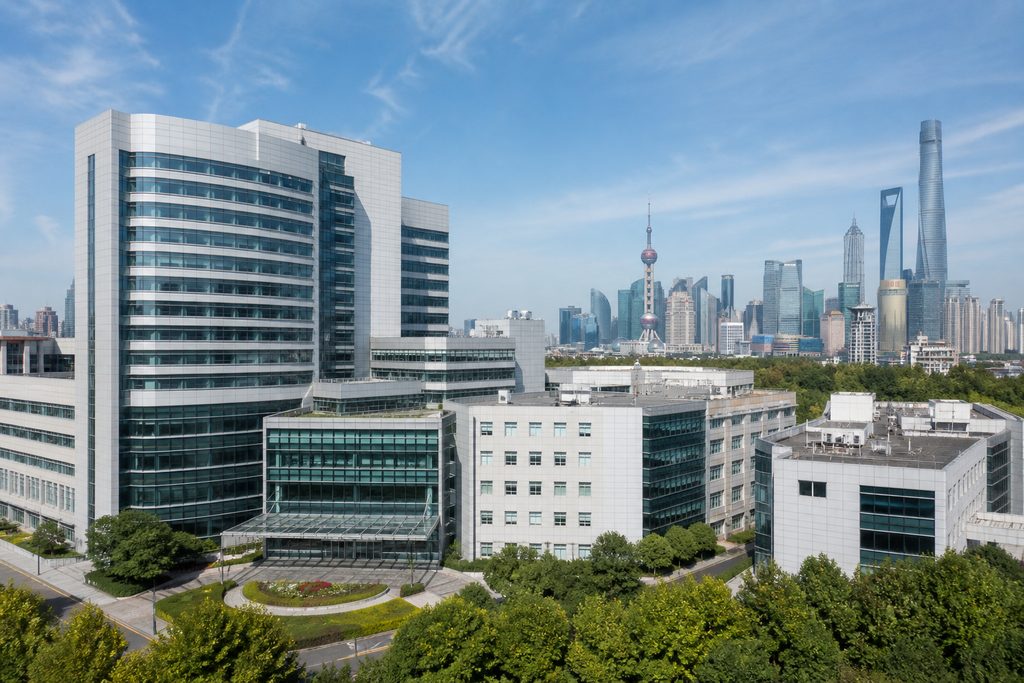
When 42-year-old Michael first heard the diagnosis—a mitral valve that was failing faster than his cardiologist in Manchester expected—he had no idea where to start looking for treatment. The UK waitlist stretched past seven months. His symptoms were getting worse. A colleague mentioned China, and Michael found himself staring at a screen at 2 a.m., typing “Shanghai Chest Hospital international patient price” into a search bar, desperate for a number, a process, anything concrete.
He is not alone. Every month, our team speaks with patients facing the same equation: a serious heart or lung condition, a long wait at home, and a legitimate question about whether traveling halfway around the world for surgery makes sense. The short answer is that Shanghai Chest Hospital performs over 15,000 cardiac and thoracic surgeries annually, with outcomes that rival any Western center, at a fraction of the cost. The real answer, of course, is more complicated than a single statistic.
Who This Is Right For — and Who It Isn’t
Thoracic and cardiac surgery abroad is not for everyone. Understanding where you fit saves time, money, and risk.
You may be a strong candidate if you have a confirmed diagnosis with complete imaging and reports already in hand. Patients with valve disease requiring replacement or repair, coronary artery disease needing bypass, early-stage lung cancer requiring resection, or specific esophageal conditions tend to navigate this path well. You need to be stable enough for international travel. That is non-negotiable.
This path is generally not suitable for patients requiring emergency surgery. If your cardiologist has told you that you need intervention within days, not weeks, get treated at home. Patients with multiple unstable comorbidities, those who cannot sit upright for a long-haul flight, or anyone whose primary motivation is simply tourism with a medical add-on should also reconsider. And if the idea of recovering in a country where you do not speak the language causes genuine anxiety that outweighs the potential benefits, that is a valid reason to stay local. Being honest about this upfront is what prevents terrible situations later.
The Options, Compared
A patient facing cardiac or thoracic surgery has more choices than they often realize. The table below lays out the real alternatives, with concrete numbers rather than vague promises.
| Factor | Shanghai Chest Hospital (Public VIP) | US Academic Medical Center | Private Hospital in Thailand | European Public System |
|---|---|---|---|---|
| Annual cardiac/thoracic volume | 15,000+ | 1,500–3,000 | 500–1,000 | 2,000–4,000 |
| Valve replacement cost (USD) | $18,000–$30,000 | $120,000–$200,000 | $25,000–$40,000 | Covered by public insurance, long wait |
| CABG cost (USD) | $14,000–$22,000 | $100,000–$180,000 | $20,000–$35,000 | Covered, 3–6 month typical wait |
| Lung lobectomy cost (USD) | $10,000–$18,000 | $60,000–$90,000 | $18,000–$28,000 | Covered, variable wait |
| Wait time for surgery after decision | 1–3 weeks (VIP channel) | 1–4 weeks (varies by urgency) | 1–2 weeks | Weeks to months |
| English-speaking staff | International department available | Standard | Common | Varies by country |
| JCI or equivalent accreditation | National top-tier, research center | Standard | Often JCI-accredited | National systems |
The choice hinges on what you are optimizing for. If speed and surgeon experience volume matter most, and cost is a consideration, Shanghai Chest Hospital sits in a compelling position. If insurance coverage and zero out-of-pocket cost in a familiar system is the priority, waiting in a European public system might be right—if you have the time. For patients from the US without comprehensive insurance, the math is stark.
What Makes Shanghai Chest Hospital Different for Thoracic Surgery
This is the section that would not apply to a general hospital guide. Shanghai Chest Hospital is not a general hospital. It is a single-specialty institution focused exclusively on cardiac, thoracic, and pulmonary disease. That changes everything.
Surgeons here see rare presentations that a general cardiothoracic department might encounter a handful of times per year. The hospital pioneered uniportal VATS (video-assisted thoracoscopic surgery) techniques that have since been adopted internationally. For lung cancer surgery, the typical approach now involves a single incision of approximately 3–4 cm, rather than the three or four ports used in conventional VATS. Patients are often walking within hours and discharged within days.
For cardiac surgery, the volume matters in a way that is hard to overstate. A surgical team performing 300 mitral valve repairs annually simply has a different calibration than one doing 30. Complications that are once-a-year events elsewhere are recognized and managed before they escalate here. The hospital also runs one of China’s largest thoracic oncology programs, meaning that for lung and esophageal cancer patients, the surgical team works in daily coordination with medical oncologists, radiation specialists, and pathologists who are equally specialized.
This is not to say the hospital is perfect or that every case goes smoothly. No honest assessment can promise that. But the depth of specialization is real, and for a patient with a complex chest condition, it is the single strongest argument for considering this institution.
What It Costs and What Drives the Price
The question behind the search for “Shanghai Chest Hospital international patient price” is rarely just curiosity. It is usually budget anxiety dressed up as a search query. So let us address it directly.
For international patients accessing care through the hospital’s VIP or international department, cardiac surgery typically ranges from $14,000 to $30,000 depending on the procedure. A coronary artery bypass graft sits at the lower end. A complex valve repair with ring annuloplasty or a double valve replacement moves toward the upper end. Thoracic procedures like lung lobectomy generally fall between $10,000 and $18,000.
What drives the variance? Three things primarily. The specific procedure and its complexity is the biggest factor. The type of valve or implant used matters—a mechanical valve costs less than a high-end tissue valve, and the choice should be clinical, not financial, though we understand patients weigh both. Length of hospital stay also shifts the total, and this depends on your recovery trajectory, which no one can predict with certainty.
What is included in these figures: the surgeon’s fee, anesthesiologist fee, operating room charges, standard ward bed for the expected stay, routine medications during admission, and basic post-operative monitoring. What is typically not included: pre-operative imaging if you need new scans upon arrival, any extended ICU stay beyond the standard, treatment of unexpected complications, and all non-medical costs like flights, accommodation for family, and meals. You should budget an additional 20–30% for these variables.
Practical Considerations: Records, Visa, and Recovery Logistics
The surgery itself is only half the equation. The logistics around it can make or break the experience.
Your medical records are the foundation. You need a complete set: recent echocardiogram reports with measurements, cardiac catheterization films and reports if applicable, CT scans on a CD in DICOM format, pulmonary function test results, and a detailed referral letter from your treating physician outlining the diagnosis, prior interventions, and current medications. Incomplete records cause delays. We have seen patients arrive expecting to be in surgery within days, only to discover they need repeat imaging because their home scans were missing key views or were too old to be clinically useful.
The visa category for medical treatment in China is the S2 visa, which covers short-term private affairs including medical treatment. Your accompanying family member applies under the same category. Processing typically takes one to two weeks at the Chinese embassy or consulate in your home country, and you will need an invitation letter from the hospital or a coordinating entity. Do not book non-refundable flights until the visa is in your passport.
Payment at Chinese public hospitals, even through VIP channels, operates on a prepayment model. You deposit a sum upfront, the hospital draws against it daily, and you settle the balance at discharge. Credit cards are accepted at international departments, but confirm the limit with your bank beforehand. A single large transaction flagged as fraud while you are in a hospital bed in Shanghai is a headache you do not need.
Insurance is another reality check. Most international insurance plans operate on a reimbursement model. You pay the hospital, submit the claim, and get paid back later. Some high-end plans offer direct billing with specific private hospitals, but Shanghai Chest Hospital is a public institution, and direct billing arrangements are rare. If upfront cash flow is tight, factor this in.
Recovery time after lung surgery in China follows similar protocols to international standards. For a VATS lobectomy, hospital stay is typically 4–7 days. Full return to normal activity takes 4–6 weeks, though most patients are mobile and self-caring within two weeks. For cardiac surgery, expect a 7–10 day hospital stay, with 6–12 weeks before you feel genuinely recovered. You should plan to remain in Shanghai for at least 10–14 days after discharge before flying home. Your surgeon will want to see you for a wound check and ensure there are no early complications. Flying too soon after thoracic surgery with residual pleural air is a risk no one should take.
How Safe Is Thoracic Surgery in China at This Level?
The question “how safe is thoracic surgery in China” deserves a direct answer, not a marketing deflection.
At a top-tier specialized center like Shanghai Chest Hospital, the safety profile is comparable to major Western centers. Surgical mortality rates for routine cardiac procedures fall within international benchmarks. Infection control protocols meet rigorous standards. The hospital’s anesthesia teams manage thousands of thoracic cases annually, which matters because thoracic anesthesia—managing one-lung ventilation, epidural placement, and post-operative pain—is a subspecialty skill.
The safety question, however, is not only about the operating room. It is about the system around the surgery. The area where international patients face the most friction is communication. A nurse noticing a subtle change in your condition at 2 a.m. needs to communicate that to a resident, who needs to escalate to the attending, and if language barriers slow any step of that chain, care can be delayed. This is not unique to China. It is true of any non-English-speaking country. The mitigation is to use the hospital’s international department, where English-speaking coordinators are available, or to have a bilingual companion present during the inpatient stay. That is not a luxury. It is a safety measure.
Another realistic concern is continuity of care after you return home. Your surgeon in Shanghai will provide a discharge summary and operative report in English. But your local cardiologist or pulmonologist, who did not participate in the surgery, will need to manage your long-term follow-up. This handoff works best when your home physician is informed before you travel and agrees to receive you back. Surprising your local doctor with a post-operative patient they did not know was going abroad is a recipe for friction.
Frequently Asked Questions
Can I book cardiac surgery in Shanghai as part of a medical tourism package that includes flights and hotel?
You can coordinate all of these elements, but the term “package” implies a fixed-price, off-the-shelf product, and that does not reflect how serious surgery works. The clinical plan must be determined first, based on your actual condition. Only then can surgery dates, length of stay, and associated costs be estimated. Flights and accommodation are straightforward to arrange once the medical timeline is clear. Any entity offering a bundled “heart surgery package” without first reviewing your medical records and having a specialist evaluate your case is one you should walk away from.
What if something goes wrong during or after the surgery? What recourse do I have?
This is the hardest question, and it deserves a straight answer. Chinese hospitals carry medical liability insurance, and there are formal complaint and mediation pathways through the hospital administration and local health authorities. In practice, pursuing a medical malpractice claim as a foreign patient in a legal system you do not understand, in a language you do not speak, is extraordinarily difficult. The realistic protection is choosing a hospital with strong clinical outcomes and a high-volume surgical team, because the best way to manage complications is to prevent them. You should also carry your own medical travel insurance that includes coverage for complications, medical evacuation, and repatriation. Do not travel without it.
How do I know the surgeon assigned to me is actually experienced?
At Shanghai Chest Hospital, senior surgeons in the cardiac and thoracic departments are typically performing hundreds of procedures per year in their subspecialty. You can and should ask directly: how many of this specific procedure has the surgeon performed, and what is the department’s outcome data for the last year? A reputable department will provide this. Vague answers are a red flag. Our team can facilitate these questions during the pre-arrival consultation process, but the questions themselves should be asked by you, directly, to the clinical team.
What is the recovery time after lung surgery in China, and when can I fly home?
For a minimally invasive lung resection, hospital discharge typically occurs within 4–7 days. The critical constraint for flying is the resolution of any residual pneumothorax—air in the chest cavity—which can expand at altitude. Your surgical team will obtain a chest X-ray before clearing you to fly. This usually happens 10–14 days after discharge, sometimes longer. Flying against medical advice after thoracic surgery is genuinely dangerous. Plan for a minimum of three weeks in Shanghai from the day of surgery to the day you board a return flight.
Your Next Step
The decision to travel abroad for heart or lung surgery is not one anyone makes lightly. The information above is designed to give you a clear, unsentimental picture of what is involved—the costs, the logistics, the real risks, and the genuine strengths of a specialized center like Shanghai Chest Hospital.
Our team at China Medical Services is not a hospital and does not provide medical advice or diagnoses. What we do is help you navigate the practical reality: translating and submitting your records for specialist review, arranging remote consultations so you can hear directly from the surgical team before committing, and coordinating the on-the-ground logistics if you decide to proceed. The first step is typically a written second opinion, which gives you a clinical perspective without requiring you to pack a bag. From there, you decide what makes sense for your health and your circumstances. No pressure. Just a clear path forward when you are ready.
For more medical information and treatment options in China, visit chinamedservices.com (China Medical Services).
