Shanghai Chest Hospital International Patients: Surgery Coordination & Real Costs
When 42-year-old Michael from Manchester first saw the quote for his mitral valve repair—£38,000 at a private London hospital with a 14-week wait—he nearly abandoned the search entirely. His local NHS trust had classified his case as non-urgent. The symptoms were worsening. The numbers did not add up. He started typing “heart valve replacement cost China” into his phone at 2 a.m., not expecting much. What he found changed his treatment timeline completely.
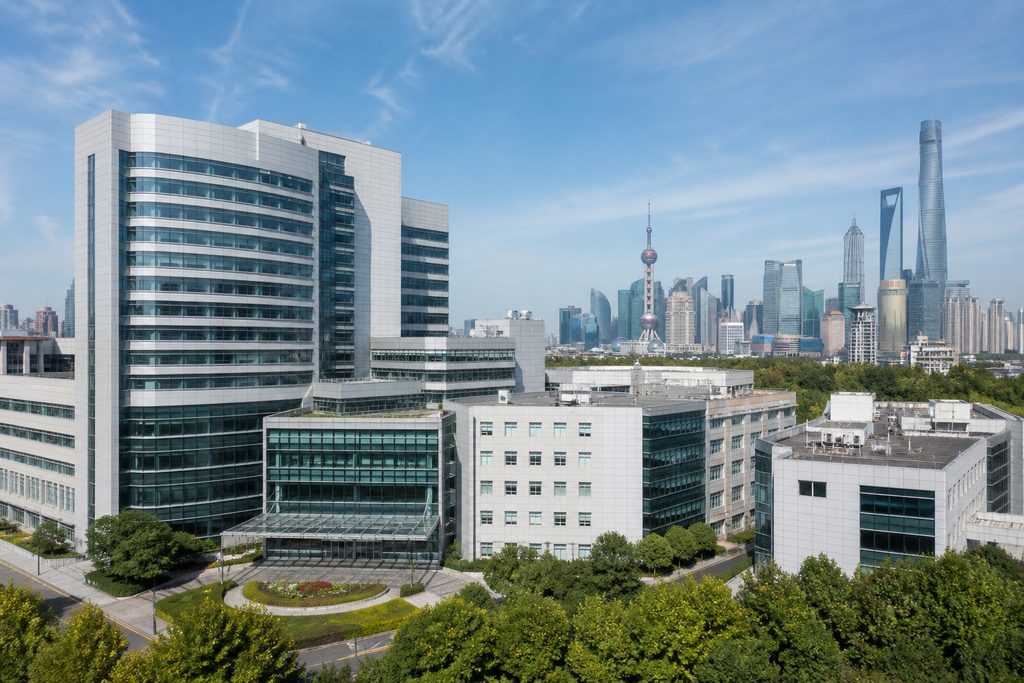
Shanghai Chest Hospital performs over 6,000 cardiac surgeries and more than 10,000 thoracic procedures annually. Those are not abstract statistics. They represent a surgical volume that places the institution among the highest-throughput cardiothoracic centers on the planet. For international patients facing long waits or prohibitive costs at home, understanding how to access this system—and what the Shanghai chest hospital international patient price actually looks like—is the difference between prolonged uncertainty and a concrete plan.
We are not a hospital. We do not provide medical treatment or clinical diagnoses. Our team functions as your logistical architects—we translate medical records, coordinate with hospital international departments, arrange bilingual accompaniment, and handle the ground-level details that make seeking care in a foreign country feasible. Think of us as the bridge between your diagnosis and China’s top-tier surgical expertise.
Key Takeaways
- Cardiac surgery at Shanghai Chest Hospital typically ranges from $18,000 to $35,000 USD, roughly one-fifth to one-third of equivalent US private-pay pricing.
- The hospital’s thoracic surgery department handles over 10,000 lung procedures yearly, making it one of the highest-volume centers globally for complex pulmonary resections.
- Foreign patients cannot independently book surgery online—all procedures require an in-person consultation first, and the hospital’s public registration system operates entirely in Mandarin Chinese.
- Recovery timelines after major lung surgery in Shanghai follow international standards, but post-discharge logistics require advance planning that most patients underestimate.
The Problem: When Cardiac and Thoracic Surgery Wait Times Become a Clinical Risk
A 2023 British Heart Foundation report found that over 390,000 people in England were waiting for cardiac procedures, with nearly 40% waiting longer than the 18-week target. For valve disease specifically, delays carry measurable consequences. The European Society of Cardiology has documented that each month of delay in surgical intervention for severe aortic stenosis increases mortality risk by approximately 2-3%.
The math is uncomfortable. Wait 6 months. Risk rises 12-18%. And those are averages—patients with rapidly progressing disease face steeper curves.
Thoracic surgery presents a parallel problem. Lung cancer resection, the cornerstone of curative treatment for early-stage disease, has a well-documented relationship between surgical delay and survival. A 2022 study in the Annals of Thoracic Surgery examining over 14,000 patients found that each week of delay beyond diagnosis was associated with a measurable decline in 5-year survival probability. The researchers did not mince words: timely surgery is a modifiable prognostic factor.
Cost compounds the access problem. In the United States, a single valve replacement at a major academic center runs between $120,000 and $200,000 for uninsured or underinsured patients. Even with insurance, out-of-pocket maximums and network restrictions create financial toxicity that follows patients for years. The Commonwealth Fund’s 2023 international health policy survey found that 29% of insured American adults reported problems paying medical bills—the highest rate among 10 high-income countries studied.
These are not abstractions. They are the reasons patients from London, Sydney, Vancouver, and Dubai end up on long-haul flights to Shanghai Pudong International Airport with a folder of CT scans in their carry-on luggage.
Who We Are
Our team sits at the intersection of medical logistics and cross-border patient advocacy. We maintain relationships with the international patient departments at 340+ top-ranked Chinese hospitals across 37 cities. We translate medical documentation into clinical Chinese, coordinate appointment sequencing so you are not stranded between departments, and place a bilingual medical companion at your side from airport pickup through discharge. We do not diagnose. We do not treat. We make sure the system works for you instead of against you.
Why Shanghai Chest Hospital Delivers Results for International Cardiac and Thoracic Patients
The question behind the search for best cardiac surgery hospital Shanghai is rarely just about rankings. It is about outcomes. It is about volume. It is about whether a hospital on the other side of the world can match or exceed what is available at home.
Shanghai Chest Hospital, affiliated with Shanghai Jiao Tong University School of Medicine, has specialized exclusively in cardiothoracic disease since 1957. That singular focus matters. Institutions that concentrate surgical volume in narrow domains tend to develop deeper procedural expertise, more refined perioperative protocols, and lower complication rates. The volume-outcome relationship in cardiac surgery is one of the most robust findings in health services research—a 2021 meta-analysis in The BMJ covering 127 studies confirmed that higher hospital surgical volume correlated with significantly lower mortality across multiple cardiac procedures.
Surgical Volume That Reshapes the Risk Curve
The cardiac surgery department at Shanghai Chest Hospital completes over 6,000 operations annually. To put that number in context, the Society of Thoracic Surgeons database shows that the median US cardiac surgery program performs approximately 200-300 cases per year. A high-volume American center might reach 1,500. Shanghai Chest Hospital operates at roughly four times that level.
Thoracic surgery volume tells a similar story. With more than 10,000 procedures annually—including lobectomies, segmentectomies, pneumonectomies, and increasingly, robotic-assisted resections—the department has refined minimally invasive approaches to a degree that becomes difficult to replicate at lower-volume centers. Video-assisted thoracoscopic surgery (VATS) is now the default approach for early-stage lung cancer here, not the exception. The conversion rate from VATS to open thoracotomy runs well below 5%, a metric that reflects deep procedural comfort.
What does this mean for a patient? Shorter chest tube duration. Fewer days in hospital. Faster return to baseline function. These are not marketing claims. They are documented in the hospital’s published clinical data and align with what the thoracic surgery literature predicts for high-volume centers.
Technology Deployed at Scale, Not as a Showpiece
Robotic surgical systems are expensive. Many hospitals acquire one, publicize it heavily, and use it for a narrow subset of cases. Shanghai Chest Hospital operates multiple da Vinci systems and deploys them across a broad case mix—mitral valve repair, thymectomy, lobectomy, esophagectomy. The surgical teams have accumulated enough robotic case volume that the technology is genuinely integrated into clinical pathways rather than treated as a special event.
For mitral valve disease specifically, the shift toward repair over replacement has been dramatic. Repair preserves the patient’s native valve apparatus, avoids lifelong anticoagulation, and delivers superior long-term survival. The American Heart Association guidelines strongly favor repair when anatomically feasible. Shanghai Chest Hospital’s repair-to-replacement ratio for degenerative mitral regurgitation now exceeds 85%, matching outcomes reported by top-tier North American valve centers.
The hybrid operating suite—combining surgical capability with high-resolution intraoperative imaging—enables complex aortic procedures and combined surgical-interventional approaches that would require staged procedures elsewhere. For patients with multi-vessel coronary disease and valve pathology, this means one operation instead of two.
The Cost Equation: Why Lower Price Does Not Mean Lower Quality
Let us address the elephant in the room directly. The Shanghai chest hospital international patient price is substantially lower than Western equivalents. A coronary artery bypass graft at Shanghai Chest Hospital typically ranges from $18,000 to $28,000 USD through the international patient channel. The same procedure at a major US hospital: $90,000 to $180,000. A mitral valve repair: $20,000 to $35,000 in Shanghai versus $120,000 to $200,000 in the United States.
The gap is not explained by quality differences. It is structural.
Chinese hospital labor costs are lower across every category—surgeons, anesthesiologists, perfusionists, nurses. The supply chain for surgical consumables, from sutures to valve prostheses, benefits from proximity to Asian manufacturing. Hospital administrative overhead is leaner. And the sheer volume of cases distributes fixed costs across more patients, reducing the per-case burden of expensive capital equipment like surgical robots and hybrid OR suites.
| Procedure | Shanghai Chest Hospital (USD) | US Average (USD) | UK Private (USD) |
|---|---|---|---|
| CABG (Coronary Bypass) | $18,000 – $28,000 | $90,000 – $180,000 | $45,000 – $65,000 |
| Mitral Valve Repair | $20,000 – $35,000 | $120,000 – $200,000 | $55,000 – $75,000 |
| Lung Lobectomy (VATS) | $12,000 – $22,000 | $45,000 – $80,000 | $30,000 – $45,000 |
| Aortic Valve Replacement | $22,000 – $35,000 | $130,000 – $210,000 | $50,000 – $70,000 |
Prices vary by prosthesis choice, case complexity, and length of stay. A mechanical valve costs less than a bioprosthetic. A redo sternotomy costs more than a first-time operation. These figures include hospital fees, surgeon fees, and standard postoperative care through the international patient department. They do not include travel, accommodation, or our coordination services.
For patients researching heart valve replacement cost China, these numbers represent a genuine alternative to medical tourism destinations like India, Thailand, or South Korea—with the added weight of a dedicated cardiothoracic hospital that performs more valve procedures in a month than many national centers do in a year.
What You Need to Know Before Arranging Thoracic Surgery in China as a Foreigner
The clinical case for seeking care at Shanghai Chest Hospital is strong. The logistical reality is more complicated. We believe in telling you exactly what makes this hard, because patients who understand the friction points prepare better and recover faster.
The Scheduling Reality: No Online Booking, No Shortcuts
Chinese public hospitals do not allow foreign patients to book surgery remotely. You cannot email the hospital, submit a credit card, and receive a surgery date. The system requires an in-person consultation with the attending surgeon. The surgeon reviews your imaging, examines you, and only then schedules the procedure.
This is not bureaucratic obstruction. It is clinical prudence. No responsible cardiac surgeon operates without a physical examination, without reviewing original imaging at full resolution, without assessing frailty and surgical fitness in person. The rule protects you.
But it creates a sequencing challenge. You fly to Shanghai. You attend the consultation. The surgeon accepts your case and schedules surgery—typically within 1 to 3 weeks for international patients, depending on urgency and OR availability. You then wait in Shanghai until the procedure date. This means budgeting for 4 to 6 weeks in-country for a major cardiac operation: pre-op consultation and workup, surgery, in-hospital recovery, and early post-discharge follow-up.
Our team compresses this timeline where possible by pre-arranging consultations, coordinating pre-operative testing (blood work, echocardiography, CT, pulmonary function) to occur in the days immediately following your arrival, and ensuring no redundant steps. But we cannot eliminate the in-person requirement. Nobody can, legally or ethically.
Language and Navigation: The Hospital Does Not Speak English
Shanghai Chest Hospital’s public-facing systems—registration kiosks, payment terminals, department signage, pharmacy counters—operate in Mandarin Chinese. The international patient department provides English-speaking staff, but their availability is finite and their primary role is clinical coordination, not hand-holding through every payment queue and prescription pickup.
A patient attempting to navigate this alone will lose hours to confusion. Hours that compound when you are post-operative, fatigued, and trying to understand discharge instructions. This is not a criticism of the hospital. It is a description of reality in a system designed for 1.4 billion Chinese citizens, not for the small fraction of international patients who seek care there.
Payment and Insurance: Cash Up Front, Reimbursement Later
Chinese public hospitals, including Shanghai Chest Hospital’s international department, operate on a pre-payment model. You deposit funds before admission. The hospital draws down from that deposit as services are rendered. If the deposit runs low during your stay, you top it up. At discharge, any remaining balance is refunded.
Most international health insurance plans—including major carriers like Cigna, Bupa, Allianz, and Aetna—will reimburse treatment at Chinese hospitals, but they rarely provide direct billing or guarantee-of-payment letters for public institutions. You pay the hospital. You submit the claim. You wait for reimbursement. This means having access to liquid funds sufficient to cover the full surgical fee plus a buffer for unexpected complications or extended stays.
Our team assists with obtaining itemized invoices formatted for international insurance submission and can liaise with your insurer’s pre-authorization department before travel. But the cash flow burden sits with the patient initially. Plan accordingly.
Visa Requirements: S2 Is the Only Correct Category
Medical treatment in China requires an S2 visa with the purpose of visit explicitly noted as medical treatment. This is not negotiable. The M visa is for commercial and trade activities—it is not valid for hospital admission. The L tourist visa technically permits short-term private visits but does not cover medical treatment and can create problems if your stay extends or if hospital registration flags the mismatch.
Your accompanying family member also applies for an S2 visa. The hospital’s international department provides an invitation letter that supports the visa application. Our team guides you through the documentation requirements and timing, but the visa application itself must be submitted by you at the Chinese embassy or consulate in your home country. Processing typically takes 5-10 business days, though expedited options exist in many jurisdictions.
How to Arrange Thoracic Surgery in China as a Foreigner: The Coordinated Approach
Understanding how to arrange thoracic surgery in China as foreigner means accepting that the public-facing system was not built for you. It was built for domestic patients who speak the language, understand the payment norms, and navigate the hospital with cultural fluency. The international patient pathway exists as a parallel track—one that adds cost but removes friction.
Our process follows a sequence refined across hundreds of patient journeys:
Medical records come first. We request your complete file: operative notes if prior surgery, echocardiogram images and reports, CT scans in DICOM format, cardiac catheterization films and reports, pulmonary function tests, current medication list, and a summary letter from your referring physician. Our in-house medical translators convert this documentation into clinical Chinese formatted to the expectations of Shanghai Chest Hospital’s reviewing surgeons. Translation quality matters enormously here—a poorly translated echo report can delay surgical acceptance or, worse, lead to a mischaracterized valve lesion.
With translated records in hand, we submit your case to the international patient department and request a surgical review. The department assigns your file to the appropriate subspecialty team—valve surgery, coronary surgery, thoracic oncology, or general thoracic. The reviewing surgeon typically responds within 5-7 business days with an initial assessment: whether the case is surgically appropriate, what additional testing might be required, and a preliminary estimate of timing and cost.
Once the surgeon accepts the case in principle, we coordinate the consultation appointment to align with your travel. You fly to Shanghai. Our bilingual medical companion meets you at the airport. The companion accompanies you to every appointment—registration, consultation, pre-operative testing, admission—and handles every interaction that requires Mandarin. You focus on your health. We handle the rest.
The consultation itself follows a standard sequence. The surgeon reviews your imaging on a high-resolution workstation, conducts a focused physical examination, and discusses the surgical plan with you directly. Our companion translates the conversation in real time, ensuring you understand the proposed approach, the risks, the expected recovery trajectory, and any alternative options. You ask questions. The surgeon answers. A surgery date is set.
Pre-operative testing typically occupies 2-3 days: repeat echocardiography, coronary angiography if indicated, laboratory panels, anesthesia consultation. These are scheduled efficiently—the international department prioritizes pre-admission workup for overseas patients to minimize hotel costs and waiting.
Surgery proceeds. Post-operative care follows international standards: extubation within hours for routine cases, mobilization on post-op day 1, chest tubes removed as output dictates, discharge typically within 5-7 days for uncomplicated valve surgery and 3-5 days for VATS lobectomy.
What Is Recovery Time After Lung Surgery in Shanghai? Realistic Timelines
Patients researching what is recovery time after lung surgery Shanghai often want a single number. The honest answer is that recovery unfolds in phases, and the timeline depends heavily on the procedure, your pre-operative fitness, and whether complications arise.
For a standard VATS lobectomy—the most common curative lung cancer operation—the in-hospital stay at Shanghai Chest Hospital typically runs 3 to 5 days. Chest tubes are removed when air leak resolves and drainage drops below threshold, usually by post-op day 2 or 3. Pain is managed with a combination of intercostal nerve blocks, oral analgesics, and early mobilization. Patients are walking the ward within 24 hours.
The first week after discharge is the hardest. Fatigue is profound. Pain is manageable but present. Deep breathing exercises—essential to prevent pneumonia and restore lung expansion—require deliberate effort. Our companion remains available during this period, checking in daily, ensuring medications are taken correctly, and troubleshooting any issues that arise.
By week 2 post-discharge, most patients can manage light activities independently. Walking distance increases. Appetite returns. The follow-up appointment with the surgical team confirms wound healing and reviews pathology results—the latter being the critical piece that determines whether adjuvant chemotherapy is indicated.
Full functional recovery takes 6 to 12 weeks. This aligns with international norms. A 2020 study in the Journal of Thoracic Disease tracking patient-reported outcomes after VATS lobectomy found that physical function scores returned to near-baseline by 3 months in most patients, though fatigue and dyspnea on exertion persisted longer in a subset. Shanghai Chest Hospital’s thoracic surgeons counsel patients to expect gradual improvement, not a linear recovery, and to avoid heavy lifting and strenuous exercise for at least 6 weeks.
For open thoracotomy—required for larger or more central tumors—the timeline stretches. Hospital stay extends to 7-10 days. Pain is more significant and persists longer. Return to full activity takes 3-6 months. The hospital’s surgical team will be direct with you about which approach your anatomy requires and what recovery realistically looks like.
How We Help You Book Cardiac Surgery in Shanghai with an International Medical Package
The phrase book cardiac surgery Shanghai international medical package suggests a product you add to a shopping cart. Reality is more nuanced. There is no standardized package with a fixed price and a guaranteed date. What exists is a coordinated pathway that bundles the components international patients need: expedited surgical review, translated documentation, pre-arranged consultations, bilingual accompaniment, and logistical support from arrival through discharge.
Our coordination fee starts from $300 for basic appointment scheduling and scales based on case complexity and the level of ongoing support required. For patients seeking comprehensive management—including airport transfers, daily companion presence during pre-op workup, hospital admission coordination, in-hospital translation, discharge planning, and post-discharge follow-up support—our VIP end-to-end coordination package ranges from $5,000 to $8,000.
These fees cover our logistical services. They are separate from hospital charges, which you pay directly to Shanghai Chest Hospital’s international department. We provide a clear breakdown before you commit to anything, and our quotes specify exactly what is included and what falls outside scope.
A detail that matters: any consultation fee you pay us for an initial video consultation or written second opinion is credited in full toward coordination services if you proceed to treatment within 90 days. This means your initial investment in exploring the option is protected—it applies directly to the cost of making treatment happen.
For patients considering the full coordination pathway, the process begins with a free consultation. You describe your diagnosis, share your records, and tell us what you need. We assess feasibility, provide a preliminary cost estimate, and outline a timeline. No commitment. No pressure. Just information that helps you make an informed decision.
Frequently Asked Questions
Can I get a fixed-price quote for cardiac surgery at Shanghai Chest Hospital before traveling?
The hospital provides a preliminary cost estimate based on your translated records and the surgeon’s review, but the final price depends on factors determined during the in-person consultation and pre-operative workup—prosthesis selection, surgical approach, length of stay, and whether any unexpected findings alter the plan. The estimate is typically accurate within 15-20%. Our team helps you understand the variables and budget conservatively.
What happens if a complication occurs during or after surgery?
Shanghai Chest Hospital maintains a cardiac surgical ICU and thoracic surgical ICU staffed by intensivists who manage post-operative complications routinely. The hospital’s complication rates for major cardiac procedures are published and align with international benchmarks from the Society of Thoracic Surgeons database. For international patients, the international department coordinates any extended stay, additional procedures, or specialist consultations that become necessary. Your deposit covers these costs as they arise.
How do I handle follow-up care after returning home?
The surgical team provides a detailed discharge summary in both Chinese and English, including operative notes, medication regimen, recommended follow-up schedule, and imaging on CD or via secure electronic transfer. You share these with your local cardiologist or thoracic surgeon, who assumes ongoing care. For questions that arise after return, the international department facilitates email-based communication with the operating surgeon at no additional charge.
Is the quality of implanted devices—valves, stents, surgical mesh—equivalent to what I would receive at home?
Shanghai Chest Hospital uses the same internationally approved prostheses available at major Western centers: Edwards, Medtronic, St. Jude Medical, Abbott valves; Maquet and Medtronic oxygenators and perfusion equipment; Ethicon and Covidien surgical staplers. The devices are identical. The supply chain is regulated under China’s National Medical Products Administration, which maintains standards harmonized with international regulatory frameworks.
What if the surgeon reviews my case and determines I am not a surgical candidate?
This happens. Not every patient who travels for surgery receives it. If the in-person assessment reveals contraindications—severe frailty, prohibitive operative risk, disease progression beyond surgical salvage—the surgeon will explain the findings and recommend alternatives. Our team helps you understand the recommendation, obtain a formal written opinion, and return home with clarity. The coordination fee for pre-operative services is not refundable in this scenario, but the hospital deposit—minus any testing already performed—is returned.
Your Next Step
The decision to travel across the world for heart or lung surgery is not made lightly. It sits at the intersection of clinical urgency, financial calculation, and trust in a system you have never personally experienced. What we can tell you, based on years of guiding patients through this exact process, is that Shanghai Chest Hospital delivers surgical outcomes that justify the journey—and that the logistical barriers, while real, are surmountable with proper coordination.
If you are facing a long wait, an unaffordable quote, or a diagnosis that demands timely surgical intervention, we are here to help you understand whether this path makes sense for your specific situation. China Medical Services starts every patient relationship with a conversation, not a contract. Reach out through our consultation page. Tell us what you are facing. We will tell you honestly what is possible.
For more medical information and treatment options in China, visit chinamedservices.com (China Medical Services).
