Shenyang Hospital: International Patient Guide for Foreigners
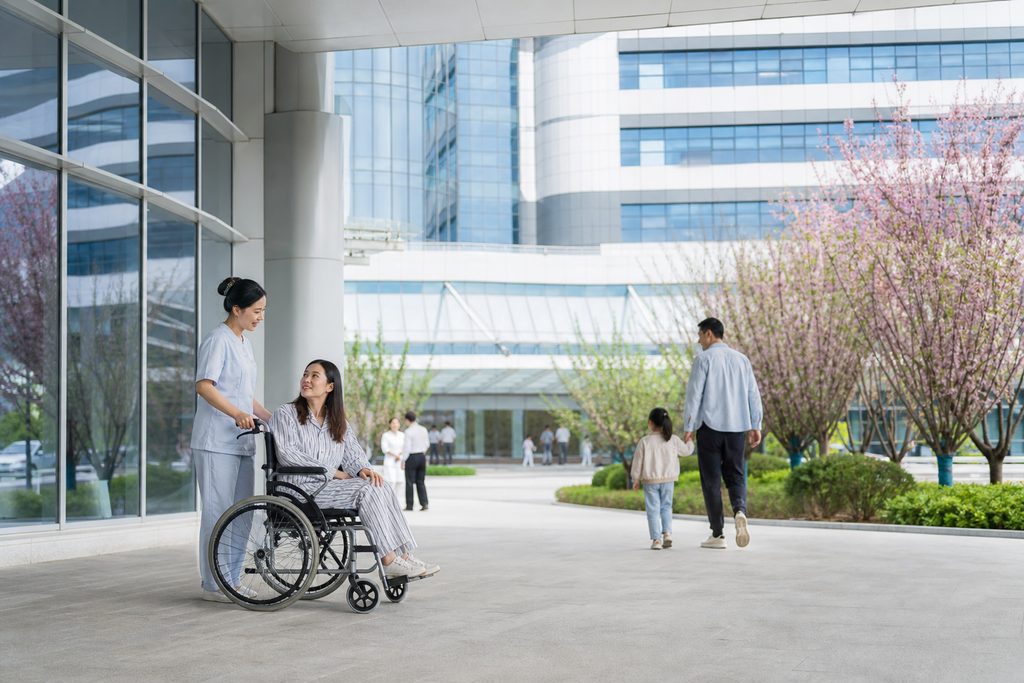
You’ve probably heard that going to China for medical care means compromising on quality, or that you’ll be lost in a system that wasn’t built for you. The reality is more complicated — and, in some cases, far better than what you’d find at home.
Shenyang is a city of roughly 9 million people in northeastern China. It doesn’t appear on most Western “medical tourism” lists, which tend to focus on Beijing, Shanghai, and Guangzhou. But that’s exactly why it deserves a closer look. Shenyang is home to several of China’s largest teaching hospitals, including China Medical University‘s affiliated hospitals, which treat patients from across Northeast Asia and beyond. If you’re searching for Shenyang hospital international patient services, you’re likely weighing cost, safety, and whether the whole process is realistic. This guide answers those questions honestly.
Key Takeaways
- Shenyang’s major hospitals offer complex care at a fraction of U.S. prices — often one-fifth to one-tenth of comparable American procedures.
- China Medical University’s affiliated hospitals are large, research-driven institutions with strong specialties in oncology, cardiac surgery, and orthopedics.
- Public hospitals in China generally cannot be booked from overseas in advance for routine outpatient visits — this is the single biggest logistical barrier.
- Understanding the S2 visa category, hospital prepayment rules, and the role of bilingual coordination matters more than choosing a “famous” name.
The Problem: Why “Just Book a Hospital Abroad” Rarely Works
Cost is the number one reason international patients look at China. A coronary artery bypass graft in the United States averages well over $120,000. In a top Chinese public hospital, the same procedure typically runs between $12,000 and $20,000. That gap is not a rounding error. For patients without comprehensive insurance, it’s the difference between having surgery and not having it.
But here’s the part nobody mentions in the brochures: China’s public hospital system was designed for volume, not for walk-in foreigners with no Mandarin. A single large hospital can see more than 10,000 outpatients in a day. Registration queues start before dawn. Appointment slots for senior specialists are grabbed within minutes. And routine outpatient appointments generally cannot be reserved from overseas ahead of time — you register on the day, in person, through the hospital’s own system.
That reality trips up a lot of people. They assume a hospital website with an English page means they can click, pay, and show up. Usually, they can’t.
Why Shenyang Delivers Results for International Patients
Shenyang’s medical strength comes from a specific institutional history. China Medical University, founded in the 1930s, anchors a cluster of teaching hospitals that handle high surgical volumes and serious cases. Volume matters. Surgeons who perform hundreds of a given procedure each year tend to have better outcomes than those who perform a few dozen.
Clinical Depth in Specific Specialties
The First Hospital of China Medical University is known for cardiovascular and thoracic surgery. Shengjing Hospital, also under China Medical University, has a strong reputation in obstetrics, gynecology, and pediatrics. For oncology, several Shenyang institutions participate in national clinical research networks. If your condition falls within these areas, Shenyang is a credible option — not a compromise choice.
Cost Structure That Isn’t a Marketing Gimmick
Lower prices in China come from three structural factors: physician salaries that are a fraction of U.S. levels, high patient throughput that spreads fixed costs across more cases, and a pharmaceutical supply chain that includes domestically manufactured generics and devices. None of that means lower quality. It means the economics are different. For a full comparison of what procedures cost across Chinese hospitals, see our specialty and department guide.
Access to Both Public and Private Options
Shenyang has public tertiary hospitals and a smaller but growing number of private international clinics. The private side offers English-speaking staff and direct insurance billing, but for complex surgery, the public teaching hospitals remain the deeper bench. Most international patients end up using public hospitals for treatment and private or coordinated services for logistics.
What Shenyang Hospital Cost for International Patients Actually Looks Like
Prices vary by hospital and case complexity, so treat any number as a range, not a quote. The table below reflects typical ranges reported for self-paying international patients at major Shenyang public hospitals, compared with U.S. averages. These figures exclude travel, accommodation, and coordination services.
| Procedure | Shenyang (USD, est.) | United States (USD, avg.) |
|---|---|---|
| Coronary artery bypass graft | $12,000 – $20,000 | $120,000+ |
| Total knee replacement | $8,000 – $14,000 | $35,000 – $60,000 |
| Cataract surgery (per eye) | $1,500 – $3,500 | $5,000 – $7,000 |
| Comprehensive health screening | $300 – $1,200 | $2,000 – $5,000 |
| MRI scan (single region) | $150 – $400 | $1,000 – $3,000 |
Two caveats. First, public hospitals in China require prepayment — you pay before treatment, then seek reimbursement from your insurer afterward. Second, international departments or VIP channels, which offer English-speaking staff and faster scheduling, typically cost 1.5 to 2 times the standard rate. That premium buys coordination, not better medicine.
Is Shenyang Hospital Safe for Foreigners?
This is the question patients ask most, and it deserves a straight answer. China’s top-tier public hospitals meet international standards for sterilization, surgical safety protocols, and intensive care. Many hold accreditation from Chinese national health authorities, and some Shenyang institutions collaborate with international research bodies. The clinical care itself is not the risk.
The real risks are logistical. Language barriers can lead to misunderstandings about medication, consent, and follow-up. Without a Chinese-speaking companion, navigating registration, payment, and pharmacy pickup is genuinely difficult. And because public hospitals don’t offer the same patient-navigation services common in Western systems, you’re largely on your own unless you arrange support.
None of this means Shenyang is unsafe. It means the safety of your experience depends heavily on preparation and, often, on having someone who can bridge the language and system gaps.
How to Book an Appointment at Shenyang Hospital
Booking looks different depending on what you need. For a simple consultation, you generally register in person on the day of your visit. For surgery, the sequence is stricter: you must be seen in an outpatient consultation first, after which the surgeon decides whether to schedule a procedure. You cannot skip the consultation step.
For international patients, there are two practical paths. The first is to contact the hospital’s international department directly, if it has one, and ask about their process for foreign patients. The second is to work through a coordination service that handles registration, medical card creation, and communication with the hospital’s international office. Our team at China Medical Services assists with exactly this kind of arrangement, including proxy visits using your existing records when you can’t travel yet.
What you should not expect: a guaranteed appointment with a specific named surgeon on a specific date. Chinese hospitals control their own scheduling, and no outside party can override that. Any service that promises otherwise is overpromising.
Medical Tourism Packages Shenyang China: What’s Realistic
Packaged “medical tourism” bundles are less common in Shenyang than in Bangkok or Seoul, partly because the city receives fewer Western patients. What you can realistically assemble is a staged plan:
- A written second opinion based on your existing reports, reviewed by the relevant Chinese specialty.
- A video consultation to discuss findings and options before committing to travel.
- If surgery is feasible, arrival support, hospital coordination, and bilingual accompaniment during your stay.
- Post-discharge follow-up, either locally or after you return home.
This staged approach reduces the risk of flying halfway around the world only to learn that a procedure isn’t appropriate for your case. It also lets you build trust before making a large financial commitment.
Practical Considerations Before You Commit
Visa. Foreign patients coming to China for medical treatment typically apply for an S2 visa, which covers short-stay private affairs including medical treatment. Stays exceeding 180 days fall under the S1 category. Accompanying family members also apply under S2. Requirements are set by the relevant Chinese embassy or consulate and can change — always confirm with the mission handling your application and prepare supporting hospital documentation. The M visa is for commercial and trade activities and is not the correct category for medical travel.
Payment. Public hospitals require prepayment in Chinese yuan. International credit cards are accepted at some, but not all, counters. Plan to have a payment method that works, and keep receipts for insurance claims.
Insurance. Most international insurers reimburse after treatment rather than paying the hospital directly. Private international clinics in larger cities sometimes offer direct billing, but in Shenyang this is less available. Verify your coverage before traveling.
Language. Assume you will need interpretation for anything beyond basic interactions. Medical terminology in Mandarin is not something most visitors can pick up on the fly.
Frequently Asked Questions
For routine outpatient visits, generally no — public hospitals require in-person registration. For surgery, you’ll need an in-person consultation first. International departments and coordination services can sometimes arrange remote evaluations, but the final scheduling decision always rests with the hospital.
Complex surgery typically ranges from $8,000 to $20,000 depending on the procedure, excluding travel and coordination. Add 1.5 to 2 times the base rate if you use an international or VIP channel. Always confirm the final estimate with the specific hospital, since prices vary by case complexity.
This is a legitimate concern. Before discharge, request complete medical records, operative notes, and imaging in a format your home physician can read. Follow-up care should be arranged with a local doctor. For ongoing issues, a video consultation with the Chinese team can help clarify questions, though it cannot replace in-person emergency care.
It depends on your condition. Shenyang offers strong teaching hospitals and lower costs, but Beijing and Shanghai have broader international patient infrastructure and more English-speaking staff. If your condition matches a Shenyang specialty, the city can be an excellent option. If not, a larger hub may serve you better.
Your Next Step
The most important thing to understand is that Shenyang’s hospitals can deliver serious, high-quality care at a fraction of Western costs — but the system rewards preparation, not spontaneity. Know your visa category, expect to prepay, and plan for language support before you commit to travel.
We are a coordination service, not a hospital. We don’t diagnose or treat. What we do is help you evaluate whether treatment in China makes sense for your situation, connect you with the right specialty, and handle the logistics if you decide to proceed. A free initial consultation is the easiest way to start — no pressure, just answers to your questions.
For more medical information and treatment options in China, visit chinamedservices.com (China Medical Services).
