TCM for Diabetes Support in China: Our Specialist Match Service
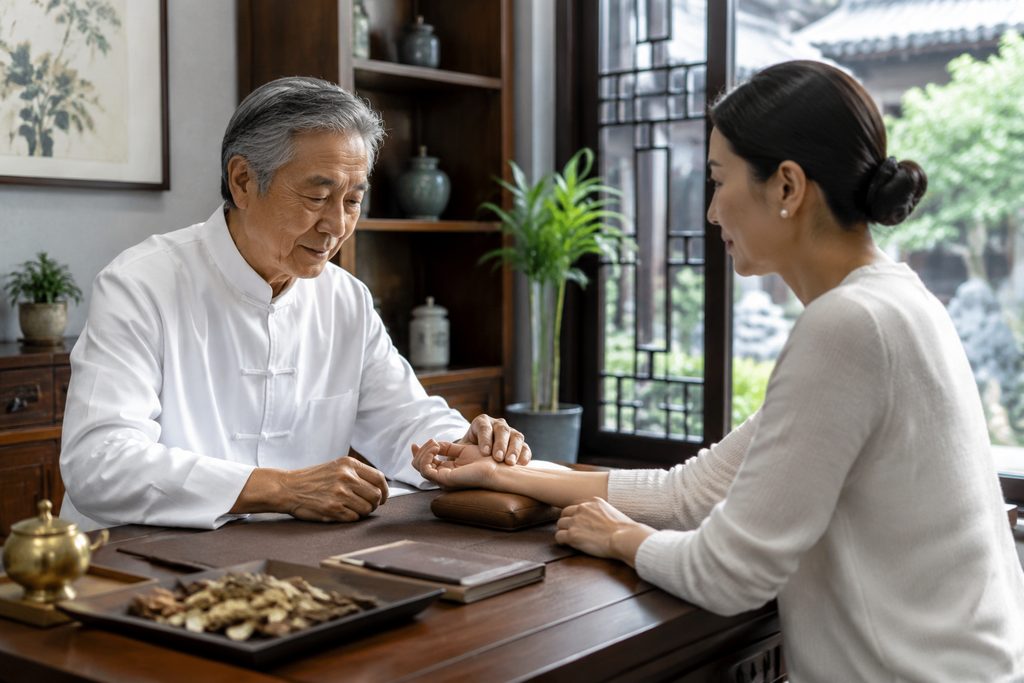
Diabetes is not a single disease. It is a metabolic condition where the body either stops producing enough insulin or cannot use the insulin it makes. Over 537 million adults worldwide live with diabetes, and roughly 90% of those cases are type 2. Many patients manage blood sugar with metformin, insulin, or newer GLP-1 drugs. But a growing number are asking a different question: what can traditional Chinese medicine actually do for daily glucose control? The honest answer is nuanced. TCM does not replace insulin. It can, however, support metabolic function, reduce symptoms like fatigue and neuropathy, and create a structured lifestyle framework that many patients find sustainable. When we talk about TCM diabetes treatment cost China, we are talking about a fraction of what comparable integrative care costs in the West — but cost is only one part of the decision. The harder part is knowing which hospital, which department, and which practitioner is legitimate. That is where our specialist match service comes in.
How This Actually Works, Step by Step
You do not need to fly to Beijing on a guess. The process starts with documents, not plane tickets.
First, you send us your existing medical records. That means your latest HbA1c, fasting glucose, C-peptide if available, current medication list, and any notes from your endocrinologist. If you have neuropathy, retinopathy, or kidney function results, include those too. Our team translates these into Chinese and prepares a clinical summary that a TCM specialist can actually use.
Second, we match you with a department. Not a single celebrity doctor — a department. In China, TCM diabetes care usually happens inside an endocrinology department of a TCM hospital, or a specialized diabetes center within a general hospital. We look at the Fudan specialty rankings, the hospital’s JCI status if any, and the specific protocols they use for diabetic patients. You get a shortlist of two or three options, with reasons.
Third, you choose a remote consultation first. A written second opinion costs between $300 and $500. A video consultation with a top specialist runs $500 to $800. During this call, the doctor reviews your records, asks about your symptoms, sleep, digestion, and stress patterns, and tells you whether TCM is likely to help your specific case. Sometimes the answer is no. We would rather you hear that before spending money on travel.
Fourth, if both you and the doctor agree there is a path forward, we coordinate the in-person visit. That includes hospital registration, the S2 visa documentation package, interpreter booking, and appointment scheduling through the hospital’s international or VIP channel. Regular public outpatient clinics do not accept advance bookings from overseas. The international department does.
What TCM Actually Does for Diabetes — and What It Cannot Do
Let us kill the myth first. TCM does not “cure” type 2 diabetes. No responsible Chinese physician will tell you it does. What TCM offers is a systematic approach to symptom management and metabolic regulation. The core methods include herbal formulas, acupuncture, moxibustion, dietary therapy based on TCM pattern diagnosis, and movement practices like tai chi or qigong.
Herbal formulas are the backbone. A 2022 meta-analysis published in Frontiers in Pharmacology reviewed 19 randomized controlled trials involving 1,742 patients and found that certain classical formulas — such as Gegen Qinlian Tang and Huanglian Jiedu Tang — reduced HbA1c by an average of 0.8% when combined with standard care, compared to standard care alone. That is not a cure. But for a patient stuck at 7.5% HbA1c, a 0.8% reduction can mean the difference between adding another drug or not.
Acupuncture shows modest but real effects on insulin sensitivity. A 2018 systematic review in Diabetes Research and Clinical Practice pooled data from 1,943 participants and found acupuncture reduced fasting blood glucose by roughly 10 mg/dL on average. Again — supportive, not standalone.
What about the question can TCM cure type 2 diabetes? The answer from the best TCM hospitals in China is direct: no. But TCM can help patients who are already on medication to feel better, sleep better, and manage the daily fatigue and peripheral neuropathy that Western drugs often do not address. That is the realistic frame.
A Realistic Timeline
| Stage | What Happens | Typical Duration |
|---|---|---|
| Day 1–3 | You submit medical records and complete our intake questionnaire | 1–3 days |
| Day 4–10 | Document translation and clinical summary preparation | 5–7 days |
| Day 11–21 | Hospital matching and written second opinion review | 7–10 days |
| Day 22–30 | Video consultation with the TCM specialist team | 1–2 weeks scheduling lead time |
| Week 5–8 | S2 visa application with hospital invitation documents | 2–4 weeks depending on your embassy |
| Week 9–10 | Travel to China, in-person consultation, treatment plan initiation | 5–10 days on the ground |
| Month 3–6 | Follow-up via telemedicine; herbal formula adjustments | Ongoing |
People forget the document translation step. It adds a week. People also forget that Chinese hospitals require a fresh set of labs before starting any herbal protocol — liver and kidney function tests especially, because herbs are metabolized through those organs. Budget an extra two days for that on arrival.
What Can Go Wrong — and What Happens Then
Let us be direct about the failure modes.
One: the doctor says TCM is not appropriate for you. This happens. If your diabetes is unstable, if you have advanced kidney disease, or if you are on medications with narrow therapeutic windows, a responsible TCM physician will tell you to stick with conventional care. We do not override that. We help you understand why, and we document it for your home doctor.
Two: the herbal formula causes digestive upset. This is the most common side effect — loose stools, mild nausea, or bloating in the first week. Chinese hospitals handle this by adjusting the formula every 2 to 4 weeks. You do not take one prescription for six months. The formula changes as your tongue coating, pulse, and symptoms change. If side effects persist, the doctor switches approach entirely.
Three: you cannot get the S2 visa in time. Embassy processing varies wildly. Some countries issue in 5 business days; others take a month. We provide the hospital invitation letter and appointment confirmation, but we cannot control your local consulate. If the visa fails, your consultation fees remain valid — we reschedule or convert to a longer remote care plan.
Four: the cost ends up higher than the initial quote. Herbal medicine in China is priced per gram and per formula. A one-month supply can range from $80 to $300 depending on the ingredients. Premium herbs cost more. We always ask the hospital to provide a written cost estimate before you commit to anything beyond the consultation.
How to Evaluate a TCM Hospital for Diabetes — Decision Criteria That Matter
Not all TCM hospitals are equal. Some are research powerhouses with dedicated diabetes wards and published clinical trials. Others are smaller clinics that do general wellness care. Here is what we look at when you ask us to find the best traditional Chinese medicine hospital for diabetes in China.
First, does the hospital have a dedicated endocrinology department within its TCM framework? This matters because diabetes is a metabolic disease. A hospital that treats diabetes only through general internal medicine is not specialized enough. Look for a department that combines TCM pattern diagnosis with Western diagnostic tools — continuous glucose monitoring, HbA1c testing, and kidney function panels.
Second, what is the hospital’s publication record? The top TCM diabetes centers in China publish in journals indexed by PubMed. If a hospital cannot show you peer-reviewed research on its diabetes protocols, keep looking. The best institutions — such as Guang’anmen Hospital in Beijing, which is affiliated with the China Academy of Chinese Medical Sciences — have decades of published work on diabetic nephropathy and peripheral neuropathy.
Third, how does the hospital handle polypharmacy? You are probably already on metformin, maybe a statin, maybe an SGLT2 inhibitor. A good TCM department will ask for your complete medication list and check for herb-drug interactions. A bad one will tell you to stop your Western drugs. Walk away from anyone who says that.
Fourth, what does follow-up look like? TCM diabetes care is not a one-time visit. The formula changes. The acupuncture frequency changes. You need a hospital that offers structured telemedicine follow-up for international patients. Ask this question before you book.
Our top-ranked hospital database includes TCM institutions with verified endocrinology departments, and our TCM hospital guide explains the difference between the major systems in Beijing, Shanghai, and Guangzhou.
Practical Considerations: Records, Visa, Payment, and Language
Let us talk about the unglamorous logistics.
Medical records must be recent — within 90 days for blood work ideally. If your HbA1c is older than that, get a new test before you send anything. Chinese doctors will not work from stale data.
Visa is S2, not M. The M visa is for commercial and trade activities. For medical treatment and private affairs, you apply for an S2 visa with the hospital’s invitation letter and appointment confirmation as supporting documents. Your family members who accompany you also apply for S2. Processing time depends entirely on your local Chinese embassy or consulate. We provide the document package; we do not guarantee approval.
Payment works differently than in the West. Public hospitals in China, including their international departments, require prepayment. You deposit funds at the hospital cashier, and services are deducted from that balance. Private international hospitals often bill insurance directly. If you have international health insurance, check whether your policy covers treatment in China and whether it reimburses TCM. Many policies exclude herbal medicine specifically.
Language is the silent barrier. Even in top-tier hospitals, the registration desk, pharmacy, and lab technicians rarely speak English. The doctor may speak some English in the international department, but the nurse who draws your blood will not. A bilingual medical companion from $300 per day handles registration, queueing, payment, translation, and directions. It is not a luxury. It is the difference between a smooth visit and a lost afternoon.
Frequently Asked Questions
The TCM diabetes treatment cost China varies by hospital tier and formula complexity. A written second opinion runs $300 to $500. A video consultation with a top specialist is $500 to $800. A one-month herbal supply typically costs $80 to $300. In-person consultation coordination starts at $300. Total out-of-pocket for a two-week treatment and evaluation trip, excluding flights and lodging, usually lands between $2,000 and $5,000. That compares to $10,000 to $20,000 for comparable integrative diabetes programs in the United States.
No. No credible TCM institution in China claims a cure. TCM can support glucose regulation, reduce symptoms, and improve quality of life when used alongside conventional medication. Any practitioner who promises to reverse diabetes with herbs alone is not practicing evidence-based medicine.
In China, TCM diabetes care is integrated into hospital departments with access to modern diagnostics. The doctor sees your lab results, adjusts your herbal formula based on both blood work and TCM pattern diagnosis, and coordinates with your Western endocrinologist if needed. Western TCM practitioners often work in isolation without hospital infrastructure. That integration is the key difference.
Yes, through a hospital’s international department or VIP channel. Regular public outpatient clinics do not accept advance bookings from overseas patients. You need a coordinator who can register you, create a hospital medical card, and schedule the appointment using your translated records. That is exactly what our specialist match service does.
Some hospitals offer structured packages that bundle consultation, lab work, acupuncture sessions, and a month of herbal medicine. Prices range from $1,500 to $4,000 depending on the hospital and the intensity of the program. We can help you compare package contents — because not all packages include the same number of acupuncture sessions or follow-up consults.
Your Next Step
If you are considering TCM for diabetes support, start with a written second opinion. It costs less than a flight, and it tells you whether this path is worth pursuing for your specific case. Our team at China Medical Services handles record translation, hospital matching, appointment coordination, and on-the-ground support. We do not practice medicine, and we do not promise outcomes. We connect you with specialists who can give you honest answers. Send us your records, and we will tell you what is real.
For more medical information and treatment options in China, visit chinamedservices.com (China Medical Services).
