Where to Get Thoracic Aortic Repair in China: Costs, Top Hospitals & Recovery
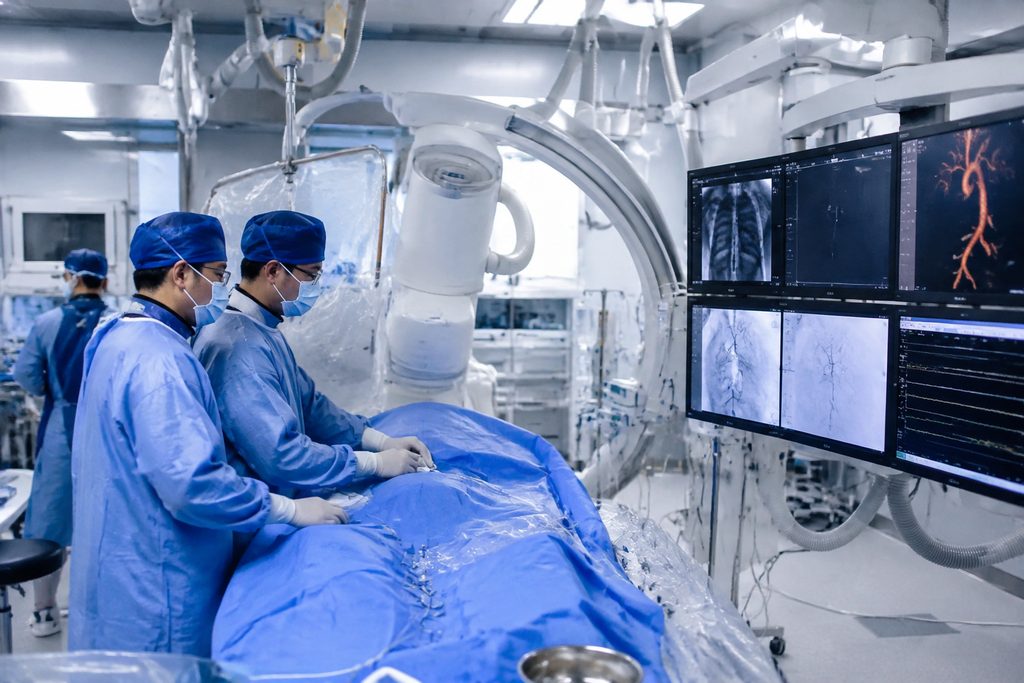
You have probably heard that going abroad for heart surgery means gambling with your life. That the only safe option is the hospital down the street, whatever the waitlist says. For thoracic aortic repair, the numbers tell a different story — and it is worth looking at them before you decide.
Thoracic aortic repair in China is performed at a handful of hospitals that handle aortic cases in volumes most Western centers never approach. The thoracic aortic repair cost in China typically runs between $25,000 and $60,000 at top public hospitals, depending on whether the approach is open or endovascular. The same operation in the United States frequently lands between $150,000 and $300,000. That gap is not a discount on quality. It reflects a different cost structure, not a different standard of care.
What follows is how the process actually works for an international patient, what the realistic timeline looks like, and where the genuine risks sit.
How This Actually Works, Step by Step
Nothing about aortic surgery starts with a plane ticket. It starts with your imaging.
Step one is assembling your records. You need your most recent CT angiography or MRA of the aorta, echocardiogram reports, any cardiac catheterization results, medication list, and a summary of prior cardiac procedures if there are any. Send these in DICOM format where possible — PDFs of radiology reports are useful, but the actual imaging files are what a surgeon needs to judge whether your case is operable and by which approach.
Step two is a written second opinion. A Chinese aortic specialist reviews your imaging and reports and returns a written analysis: whether repair is indicated, whether an open or endovascular approach looks feasible, what additional testing would be required, and a rough cost range. This usually takes three to seven business days once the records are translated. It costs between $300 and $500 at a top-tier hospital, and if you later travel to China, that fee is credited in full toward the on-the-ground coordination service within 90 days.
Step three is a video consultation if you want one. You speak directly with the specialty team, ask your questions, and hear their recommendations in your own words rather than through a written summary. Top-specialist video consultations run $500 to $800. Multidisciplinary team reviews, where cardiac surgery, vascular surgery, and anesthesia all weigh in together, run $1,500 to $2,000.
Step four is the visa and the appointment. You travel on an S2 visa, which is the short-stay category used for medical treatment and private affairs. Your accompanying family member applies under the same category. Approval depends on the consulate and on the supporting documents the hospital issues, so nothing here is guaranteed — build in buffer time.
Step five is arrival, in-person examination, and admission. This is the part that surprises people. At Chinese public hospitals, surgery cannot be scheduled from overseas. A doctor must examine you in person first. That is a hard rule, not a bureaucratic quirk. The international department or VIP channel is what allows you to lock in a senior specialist and English-language support in advance, and it typically costs 1.5 to 2 times the standard channel fee.
Which Hospitals Actually Do This Work
For open repair, expect seven to fourteen days in hospital, with the first one to three days typically in intensive care. Most patients are walking within a week. Full recovery — returning to normal energy and activity — generally takes six to twelve weeks, and sternal precautions apply for the first several weeks. Endovascular repair, when it is an option, has a shorter hospital stay, often two to four days, but it carries its own surveillance requirements.
You can request a specific hospital, department, or specialist, and a proxy consultation can be arranged using your records. What cannot be guaranteed is a specific surgeon or a specific surgery date. Public hospital rules require an in-person examination before surgery is scheduled. Any coordination service that promises otherwise is overpromising.
Case management: medical record translation, appointment coordination through the hospital’s official international or VIP department, and bilingual accompaniment on the ground. It does not buy priority access or influence clinical decisions, and it never covers hospital treatment charges. If a requested appointment cannot be secured, the coordination fee is refunded in full.
Your Next Step
The core message is simple: thoracic aortic repair in China is a real option at a handful of genuinely world-class centers, at a fraction of Western cost, provided you go in with clear eyes about the timeline, the in-person examination rule, and the follow-up gap.
Our team is not a hospital and we do not practice medicine. We translate records, coordinate appointments through official hospital channels, and put a bilingual person next to you on the ground so you are not navigating a 10,000-patient outpatient hall alone.
If you want a straight assessment of whether your case fits this path, start with a free consultation. Send your imaging, ask your questions, and decide from there. No pressure, and no obligation to travel.
This article is for general information only and is not medical advice. Treatment decisions should always be made with a qualified physician who has reviewed your individual case.
Frequently Asked Questions
Yes. The hospitals used for international patients are JCI-accredited and follow the same international safety standards as top hospitals in the US and Europe. Surgical teams perform high volumes of procedures — often more than their Western counterparts — which studies show leads to better outcomes.
Costs vary by procedure and hospital, but international patients typically save 40-80% compared to US prices — even when factoring in travel and accommodation. A consultation with our team will give you an exact, all-inclusive quote with no hidden fees.
Send us your existing medical reports to get started. We handle everything from hospital selection and appointment scheduling to visa assistance and post-operative recovery planning. Your medical records are reviewed by the specialist before you even book a flight.
For more medical information and treatment options in China, visit chinamedservices.com (China Medical Services).
