Tooth Extraction Cost in China: Real Prices, Top Hospitals, and Safety
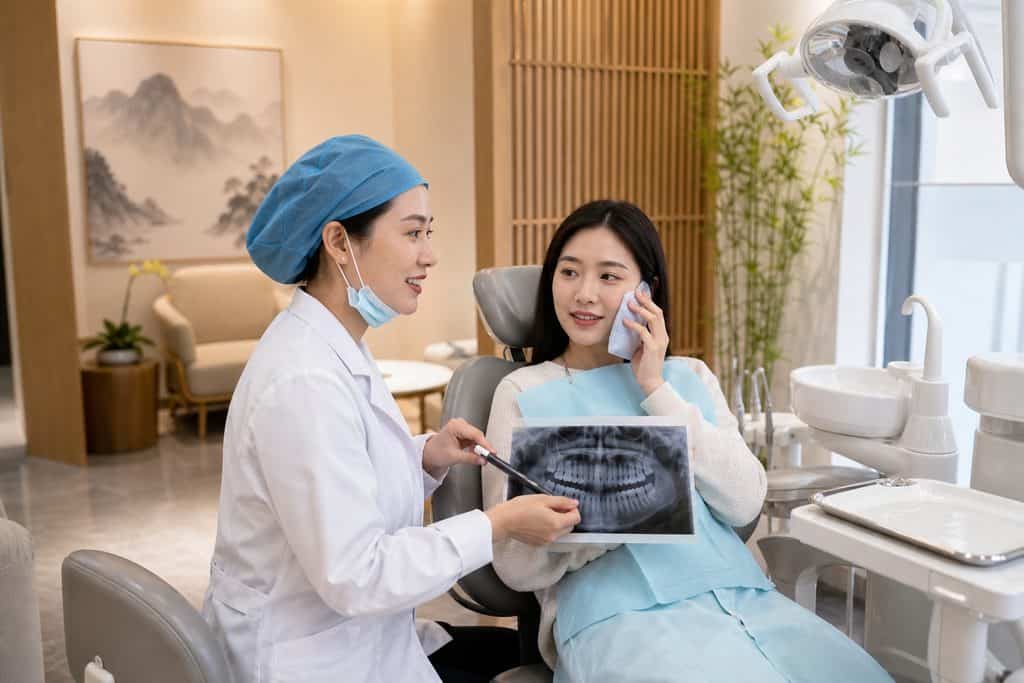
Roughly 1 in 4 adults worldwide has untreated tooth decay, according to the World Health Organization’s 2022 Global Oral Health Status Report — and for millions of them, the eventual answer is an extraction. If you’re staring down that procedure abroad, the numbers are worth knowing before you book anything. A straightforward tooth extraction cost in China typically runs between $30 and $400 at a top public hospital, and between $150 and $600 at a private international clinic. That same extraction in the United States usually lands between $300 and $650 for a simple case, and $500 to $1,000 or more for a surgical one, per 2024 industry fee surveys.
The gap is real. But price alone shouldn’t decide where you sit in a dental chair. What follows is how the process actually works for a foreign patient, what the money buys you, and where the genuine risks live.
How This Actually Works, Step by Step
Most international patients assume they can email a hospital, pick a date, and fly in. That’s not how Chinese public hospitals operate. Here’s the real sequence.
You start by sending your existing records — a panoramic X-ray or CBCT scan if you have one, plus any recent dental notes. Our team translates those documents and routes them to the relevant dental department at a shortlisted hospital. A Chinese oral surgeon or stomatologist reviews the imaging and tells us, in writing, whether the case is simple, surgical, or complicated by something like an impacted wisdom tooth sitting near the inferior alveolar nerve.
That written second opinion comes back in roughly 3 to 7 business days. You’ll know the likely procedure, the anesthesia approach, and a cost range before you commit to a flight.
If you want to talk it through, a video consultation with the dental team runs $100–$300 at a standard international department, or $500–$800 with a top-tier specialist. From there, appointment coordination begins — and this is the step people underestimate. Public hospital dental clinics generally do not let you reserve a specific surgeon’s slot from overseas. Walk-in registration happens the same day, first come, first served. To lock a date in advance, you go through the hospital’s international or VIP channel, where prices run roughly 1.5 to 2 times the standard rate.
Once you’re in the chair, the extraction itself takes 20 to 45 minutes for a simple case. Surgical extractions, where the tooth is sectioned or bone is removed, run longer.
What Drives the Price Up or Down
Two patients can pay wildly different amounts for what they both call “getting a tooth pulled.” The difference comes down to four variables.
Tooth position and root anatomy. A loose upper incisor is a five-minute job. A horizontally impacted lower wisdom tooth tangled in the mandibular nerve is a surgical procedure with imaging, possible sedation, and a longer recovery. Expect the price to triple or quadruple.
Hospital tier. A standard public stomatology department charges the least. A Fudan-ranked hospital’s international wing charges more. A private JCI-accredited clinic like those in our private international hospital directory charges the most — but often bills your insurance directly and has English-speaking staff from the front desk onward.
Anesthesia. Local anesthetic is included in most quoted prices. Intravenous sedation or general anesthesia adds a separate fee, sometimes $150 to $400 on its own.
Imaging and aftercare. A CBCT scan, a bone graft if you’re preparing for an implant, and post-op medication all sit outside the base extraction fee.
| Procedure Type | China (Public, Top-Tier) | China (Private International) | United States |
|---|---|---|---|
| Simple extraction (single root) | $30–$80 | $150–$250 | $300–$650 |
| Surgical extraction | $120–$250 | $300–$450 | $500–$1,000 |
| Impacted wisdom tooth | $200–$400 | $400–$600 | $600–$1,200 |
| IV sedation (add-on) | $100–$250 | $200–$400 | $400–$800 |
| CBCT imaging | $40–$90 | $80–$150 | $150–$400 |
These are reference ranges. Final pricing varies by hospital and case complexity, and you should treat any quote as an estimate until a clinician has seen your imaging.
A Realistic Timeline
Here’s how a dental trip to China usually unfolds for someone flying in from Europe, North America, or the Middle East. Ranges reflect real processing and travel logistics, not best-case marketing.
| Stage | Timeframe | What Happens |
|---|---|---|
| Records collection | Days 1–3 | Gather X-rays, dental notes, medical history |
| Translation & review | Days 3–10 | Documents translated; hospital specialist reviews and returns written opinion |
| Video consultation (optional) | Days 10–14 | Speak directly with the dental team; confirm plan and cost range |
| Appointment coordination | 1–3 weeks | International channel books a date; standard channel cannot pre-book |
| Visa (S2, medical purpose) | 1–2 weeks | Apply with hospital invitation and supporting documents; timing depends on your local consulate |
| Travel & procedure | Day of arrival + 1–3 days | Consultation, imaging, extraction |
| Recovery window | 3–7 days | Clot formation, soft diet, follow-up check before flying home |
Total realistic lead time from first email to sitting in the chair: three to six weeks. Rush cases exist, but they cost more and depend entirely on hospital availability.
What Can Go Wrong — and What Happens Then
This is where trust gets earned, so let’s be blunt.
You can’t get the appointment you wanted. Public hospital dental slots are allocated daily. If the international channel can’t secure your requested date, our appointment coordination fee is refunded in full. That’s the honest structure.
The extraction turns out to be more complex than the X-ray suggested. It happens. A tooth that looked straightforward on a two-dimensional image may require surgical sectioning once the surgeon sees it in person. The cost goes up. You’ll be told before the procedure, not after.
Dry socket develops. This is the most common post-extraction complication, affecting roughly 2 to 5 percent of routine extractions and up to 20 percent of surgical wisdom tooth removals, per published dental literature. It’s painful but treatable — the surgeon irrigates the socket and places a medicated dressing. If you’re still in China, a follow-up visit is inexpensive. If you’ve flown home, you’ll need a local dentist.
Nerve involvement. Lower wisdom teeth can sit close to the inferior alveolar nerve. A CBCT scan before surgery is the standard safeguard. If a surgeon tells you they don’t need imaging for an impacted lower wisdom tooth, that’s a red flag.
Is Tooth Extraction in China Safe? What the Numbers Say
This is the question that keeps people up at night, and it deserves a direct answer.
China’s top-ranked hospitals are accredited and held to international standards. Of the 35,000+ hospitals nationwide, our database covers 340+ top-ranked institutions across 37 cities — the top 5 percent, ranked by Fudan University‘s hospital rankings and JCI accreditation. Dentistry is no exception. Peking University School of Stomatology, West China School of Stomatology, and Shanghai Ninth People’s Hospital are consistently recognized among the strongest oral medicine institutions in Asia.
What makes a dental procedure safe isn’t the country. It’s the individual clinic’s sterilization protocol, the surgeon’s experience, and whether the pre-operative assessment was thorough. Ask three questions before you commit:
- Is the clinic using single-use or autoclaved instruments, and can they show you the sterilization log?
- How many extractions of this specific type does the surgeon perform per week?
- Will you receive a CBCT scan before any surgical extraction?
A clinic that answers all three without hesitation is a clinic worth trusting. One that deflects is not — regardless of what it charges.
Practical Considerations: Booking as a Tourist, Visa, and Payment
At accredited top-tier hospitals and JCI-certified international clinics, yes — the standards match or exceed what you’d find in most Western countries. The variable that matters most is the specific clinic and surgeon, not the country. Ask about sterilization protocols and pre-operative imaging before you commit.
You can, but public hospitals generally don’t allow overseas pre-booking of standard dental appointments — you register on the day. To secure a specific date in advance, you’ll need the hospital’s international or VIP channel, which costs more. Planning three to six weeks ahead is realistic.
It can happen when a tooth proves more complex than the imaging suggested. A reputable provider will tell you the revised cost before proceeding, not after. If a clinic won’t give you a written estimate range upfront, that’s a warning sign.
Yes — the S2 visa covers short-stay medical treatment, and accompanying family members apply under the same category. The M visa is for business and trade only. Always verify current requirements with your local Chinese embassy or consulate, as documentation rules change.
Your Next Step
The core message is simple: a tooth extraction in China can cost a fraction of Western prices at genuinely world-class hospitals, but the savings only materialize if the logistics are handled properly — records, appointment channel, visa, and language support.
China Medical Services connects international patients with 340+ top-ranked hospitals across 37 cities. We are a coordination service, not a medical provider. We don’t diagnose, treat, or promise outcomes — we translate your records, arrange consultations through official hospital channels, and put a bilingual companion beside you on the day.
If you’d like a cost estimate for your specific case, start with a written second opinion. It’s the lowest-risk way to find out whether traveling to China makes sense for you. Reach out for a free consultation whenever you’re ready — no pressure, no obligation.
This article is for general information only and does not constitute medical advice. Always consult a qualified dental professional about your individual condition before pursuing any treatment.
Frequently Asked Questions
Yes. The hospitals used for international patients are JCI-accredited and follow the same international safety standards as top hospitals in the US and Europe. Surgical teams perform high volumes of procedures — often more than their Western counterparts — which studies show leads to better outcomes.
Costs vary by procedure and hospital, but international patients typically save 40-80% compared to US prices — even when factoring in travel and accommodation. A consultation with our team will give you an exact, all-inclusive quote with no hidden fees.
Send us your existing medical reports to get started. We handle everything from hospital selection and appointment scheduling to visa assistance and post-operative recovery planning. Your medical records are reviewed by the specialist before you even book a flight.
For more medical information and treatment options in China, visit chinamedservices.com (China Medical Services).
