Treatment in China: What Families Should Know Before Booking
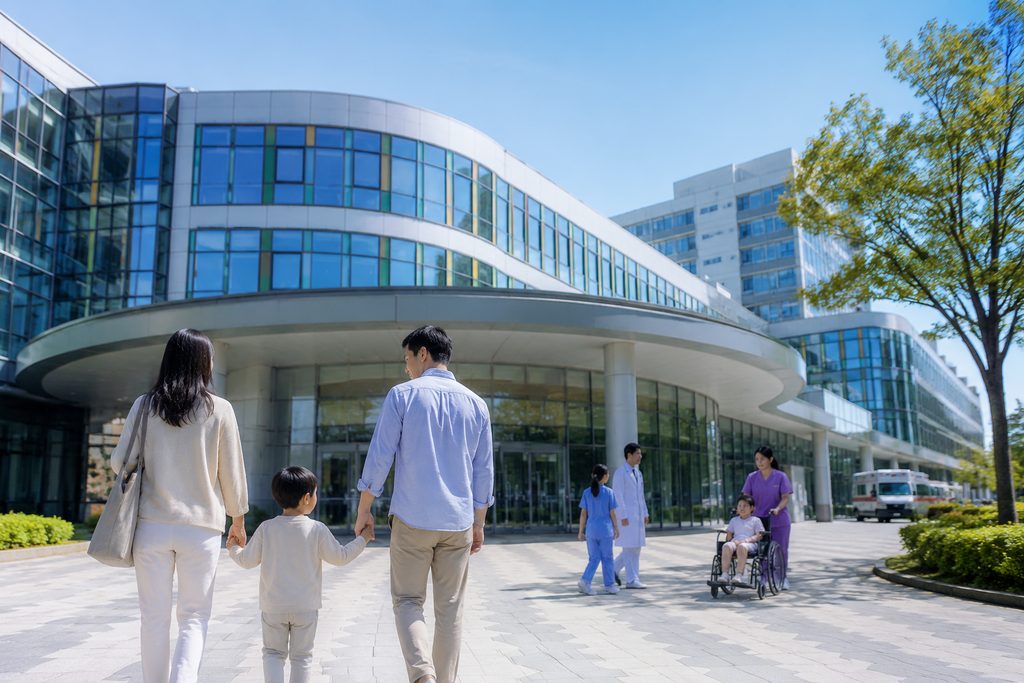
When 54-year-old David from Oregon was told he needed a complex spinal fusion, his insurer quoted him a $180,000 hospital estimate and a surgical date eight weeks out. His daughter, a nurse in Seattle, started researching alternatives at 2 a.m. and landed on a question thousands of Western families now ask: is treatment in China actually viable, or just a headline? The short answer is that it is viable, well-documented, and increasingly common — but only for families who understand how the system really works before they book a flight.
This guide walks through the honest version. The costs, the hospital tiers, the visa category that actually applies, and the parts of the process that catch first-time patients off guard.
Medical Tourism China Cost: The Short Answer
For most major surgical procedures, treatment in China at a top-ranked public hospital costs roughly one-fifth to one-tenth of the equivalent US price. A coronary artery bypass graft that runs $120,000 or more in the United States is typically quoted between $12,000 and $20,000 at a leading Chinese cardiac center. That is not a promotional figure — it reflects lower physician salaries, state hospital subsidies, and dramatically lower pharmaceutical pricing.
But the number on the quote is not the number you pay. Travel, accommodation, interpreter support, follow-up imaging, and the possibility of a longer stay than planned all shift the total. Families who budget only the surgical fee are the ones who get surprised.
Key takeaway: The headline savings are real, but they apply to the procedure itself. Plan a total budget that is 25–40% above the surgical quote to absorb travel, lodging, companion costs, and contingency.
Who This Is Right For — and Who It Isn’t
Medical travel is not a universal solution. It works brilliantly for some patients and badly for others, and the difference usually has nothing to do with the medicine.
Families who tend to do well:
- Patients facing a procedure with a long domestic wait time, or a quote their insurance will not cover
- People seeking a specific high-volume specialty — cardiac surgery, oncology, orthopedics, reproductive medicine
- Patients who are medically stable enough to fly and to tolerate a 10–14 day minimum stay
- Families with at least one English-speaking companion willing to travel
- Those who have already gathered complete medical records in digital form
Families who should probably not pursue this:
- Anyone in an acute emergency. If the condition is unstable, treat locally first.
- Patients whose procedure requires extensive, months-long in-person rehabilitation with no support network in China
- People who cannot travel for medical reasons — cardiac instability, recent stroke, active infection
- Families expecting a fully Western-style, English-only experience at public-hospital prices. That combination does not exist.
- Anyone hoping to skip the in-person consultation step. Public hospitals require it before scheduling surgery.
Being honest about that second list matters more than the first. A patient who arrives in Beijing expecting a concierge experience at a public hospital will be miserable. A patient who understands they are entering one of the world’s largest and busiest clinical systems — and prepares for it — usually comes away impressed.
The Options, Compared
There are three real pathways, and they are not interchangeable. Choosing the wrong one is the single most common source of frustration.
| Pathway | Typical Cost Range | Booking Lead Time | English Support | Best For |
|---|---|---|---|---|
| Public hospital, standard outpatient | Lowest — procedure only | Same-day queue, no overseas pre-booking | Minimal to none | Patients already in China with local help |
| Public hospital, international/VIP department | 1.5–2× standard public rates | Can be coordinated in advance | Yes, dedicated staff | Most international patients |
| Private international hospital | Highest — often 3–6× public rates | Advance booking standard | Full English, JCI-accredited | Insurance direct-billing, Western-style comfort |
Which column fits you? If cost is the primary driver and you have a bilingual companion, the international department of a top public hospital is usually the sweet spot. If your insurer will direct-bill a private hospital, that route removes enormous logistical friction. And if you are already in China with local family, the standard outpatient path is cheapest but demands patience.
Is It Safe to Have Surgery in China? What the Data Actually Shows
This is the question families whisper to each other, and it deserves a straight answer.
China’s leading hospitals are not fringe institutions. The country has more than 35,000 hospitals, and the top 5% — ranked by the Fudan University Hospital Rankings and JCI accreditation — operate at volumes that most Western centers cannot match. Fuwai Hospital in Beijing performs over 14,000 cardiac surgeries annually, the highest volume of any single cardiac center in the world. High surgical volume correlates with better outcomes across a wide range of procedures; that relationship is well established in surgical literature.
The Fudan rankings themselves are worth understanding. The comprehensive Top 100 is grouped into tiers — A++++ down to A, five bands in total — rather than numbered positions. The specialty reputation rankings, by contrast, do assign explicit Top 10 positions across 45 specialties. So a hospital can legitimately be described as “ranked among China’s top 10 for oncology” without anyone inventing a national ranking number.
What does the safety question really hinge on? Three things: choosing a hospital with genuine specialty depth in your condition, arriving with complete and translated records, and having someone in the room who can communicate clearly on your behalf. The first is a research problem. The second is a paperwork problem. The third is the one that trips up the most families.
Caution: No one can guarantee a surgical outcome, in China or anywhere else. Be wary of any intermediary promising a specific result, a specific surgeon, or priority access to a procedure. Legitimate coordination services promise effort and transparency — not clinical outcomes.
How Much Does IVF Cost in China — and Other Treatment-Specific Numbers
Cost questions dominate every inquiry we receive. Here are representative ranges for procedures international patients ask about most. Every figure varies by hospital tier, city, and case complexity — treat these as planning anchors, not quotes.
| Procedure | Typical Range in China (USD) | Typical Range in the US (USD) |
|---|---|---|
| Coronary artery bypass graft | $12,000 – $20,000 | $120,000+ |
| IVF cycle (fresh transfer) | $4,000 – $9,000 | $12,000 – $25,000 |
| Knee or hip replacement | $8,000 – $15,000 | $35,000 – $70,000 |
| Comprehensive cancer workup + first-line treatment plan | $5,000 – $15,000 | $30,000 – $100,000+ |
| Executive health screening (full day) | $500 – $2,500 | $2,000 – $8,000 |
IVF deserves a note. China’s reproductive medicine centers at major teaching hospitals handle very high cycle volumes, and pricing reflects that scale. But regulatory eligibility rules apply, and documentation requirements for foreign patients are strict. This is a category where a preliminary written review of your records saves both time and money — see our specialty rankings by department to identify centers with genuine depth in reproductive medicine.
How to Book Medical Treatment in China: The Real Sequence
Plan for 25–40% above the procedure fee. Round-trip airfare for the patient and a companion, 2–4 weeks of accommodation, meals, local transport, bilingual companion services, and follow-up imaging all add up. Add a contingency buffer for a possible extended stay.
Top Chinese hospitals have full critical care capabilities, and complication rates at high-volume centers are comparable to international standards for most major procedures. That said, no hospital anywhere guarantees outcomes. Discuss complication protocols with your treating physician before consenting, confirm what your travel insurance covers, and ensure your family understands the escalation path. This is a conversation to have in advance, not in a crisis.
At private international hospitals, no. At public hospitals, effectively yes — even in international departments, navigation, registration, pharmacy, and billing often require Chinese. This is the single strongest argument for arranging bilingual support. A hospital with 10,000+ daily outpatient visits is not navigable on gestures alone.
For chronic condition management, rehabilitation, and post-surgical recovery, TCM approaches such as acupuncture and herbal therapy are used widely and integrated into many major hospitals. It is a complement to, not a replacement for, surgical or oncological care. Explore our TCM hospital directory if this interests you.
Your Next Step
The families who navigate this well are not the wealthiest or the most connected — they are the ones who front-load the research, get their records in order, and confirm the sequencing before spending money on flights. Treatment in China can deliver genuine clinical quality at a fraction of Western pricing, but it rewards preparation and punishes improvisation.
We are not a hospital and we do not provide diagnoses or medical advice. Our team coordinates written second opinions, video consultations with Chinese specialty teams, appointment logistics, and bilingual medical companion support — all staged so you can build confidence before making a larger commitment. If you would like a straightforward conversation about whether your situation fits, start with a free consultation at our patient services page. No pressure, no obligation — just a clear picture of what is realistic for your case.
This article is for general informational purposes only and does not constitute medical advice. Treatment decisions should always be made in consultation with qualified physicians who have reviewed your individual medical history.
Frequently Asked Questions
Yes. The hospitals used for international patients are JCI-accredited and follow the same international safety standards as top hospitals in the US and Europe. Surgical teams perform high volumes of procedures — often more than their Western counterparts — which studies show leads to better outcomes.
Costs vary by procedure and hospital, but international patients typically save 40-80% compared to US prices — even when factoring in travel and accommodation. A consultation with our team will give you an exact, all-inclusive quote with no hidden fees.
Send us your existing medical reports to get started. We handle everything from hospital selection and appointment scheduling to visa assistance and post-operative recovery planning. Your medical records are reviewed by the specialist before you even book a flight.
For more medical information and treatment options in China, visit chinamedservices.com (China Medical Services).
