New Treatments: A Proxy Consultation Path for China Care
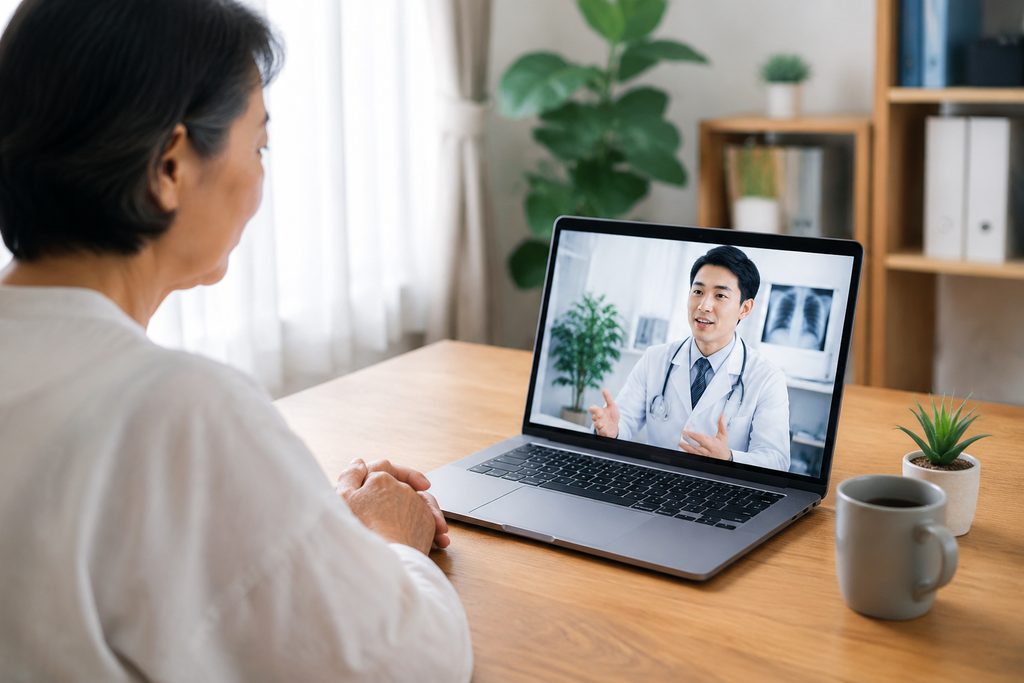
New Treatments: A Proxy Consultation Path to China’s Leading Hospitals
Around 300,000 international patients traveled to China for medical care in 2024, according to data compiled from hospital international departments across major cities like Beijing, Shanghai, and Guangzhou. Many of them were not chasing cheaper routine procedures. They were looking for access to new treatments—therapies still in clinical trials elsewhere, or approved in China but not yet in their home countries. The question they all faced was the same: how do you evaluate a hospital and a treatment plan from 6,000 miles away? The answer increasingly involves a proxy consultation path. This approach lets a local coordinator act on your behalf inside the hospital system, gathering expert opinions, verifying treatment availability, and mapping out what the stem cell therapy cost China actually looks like before you book a flight.
China’s regulatory environment has accelerated approvals for certain advanced therapies. CAR T-cell therapy, for instance, received commercial approval in China before many Western countries expanded access beyond trial settings. Proton therapy centers have multiplied. Stem cell research operates under a dual-track system that permits clinical application in designated hospitals under specific conditions. But navigating this landscape remotely is nearly impossible without someone physically present in the system. That is where a proxy consultation changes the equation.
How This Actually Works, Step by Step
The proxy path is not a shortcut around medical evaluation. It is a structured way to get your case in front of the right specialists without making a speculative trip. Here is the real sequence.
You start by sending your existing medical records. That means imaging files, pathology reports, blood work, treatment history, and a summary of your current condition. If the records are not in English or Chinese, they need certified translation first. Our team handles that.
Next, we identify which hospitals and departments actually treat your condition with the therapies you are asking about. Not every top hospital offers every new treatment. Fuwai Hospital leads the world in cardiac surgery volume, but it is not where you go for CAR T-cell therapy. The match matters more than the brand name.
Then we conduct the proxy visit. A bilingual coordinator physically goes to the hospital, registers your case with the international department or the relevant specialty clinic, and presents your translated records to a specialist. The doctor reviews the materials and provides a written opinion: is your case appropriate for the treatment you are considering? What additional tests would be required? What is the realistic treatment timeline and cost range?
You receive that written assessment, usually within 5 to 10 business days depending on the hospital and the complexity of your case. From there, you decide whether a video consultation with the specialist is warranted, or whether the written opinion gives you enough to plan the next step.
What a Proxy Consultation Actually Uncovers About New Treatments
A proxy visit does more than deliver a doctor’s opinion. It verifies what is real and what is not. China’s medical landscape includes genuine innovation alongside aggressive marketing. Some clinics advertise stem cell therapies for conditions where the evidence base is thin. A proxy coordinator can check whether the hospital is a legitimate top-tier institution, whether the department is actually running the treatment protocol you were promised, and whether the pricing matches the official rate schedule.
This matters enormously for therapies like stem cell interventions. The stem cell therapy cost China varies wildly—from a few thousand dollars for a single injection at a private clinic to $30,000 or more for a full treatment protocol at a university-affiliated hospital. The price difference is not the only variable. The source of the cells, the processing standards, and the regulatory status of the specific application all differ. A proxy consultation can pull the actual treatment protocol document and have a specialist explain what it means for your specific diagnosis.
For cancer patients asking can I get CAR T-cell therapy in China, the answer is yes—but only for certain blood cancers, at certain hospitals, and with a full evaluation first. The approved CAR T-cell products in China target specific CD19-positive malignancies. A proxy visit confirms whether your subtype falls within the approved indication and which hospital in your preferred city actually administers it.
Patients curious about is robotic surgery available in China will find that the answer is emphatically yes. The da Vinci surgical system is deployed across dozens of top-tier hospitals. Urology, gynecology, and thoracic surgery departments use it routinely. But the surgeon’s experience with the robot matters more than the robot’s presence. A proxy consultation can identify which surgeons have logged the highest case volumes for your specific procedure.
A Realistic Timeline
People consistently underestimate how long the evaluation phase takes. Here is what a proxy consultation path looks like in real time, from first contact to treatment decision.
| Stage | What Happens | Realistic Duration |
|---|---|---|
| Days 1–3 | Initial consultation, document checklist, record collection | 2–3 days |
| Days 4–10 | Medical record translation and formatting for Chinese hospital review | 5–7 days |
| Days 11–18 | Hospital and department matching, proxy visit scheduling | 5–8 days |
| Days 19–30 | Proxy visit conducted, specialist reviews records, written opinion issued | 7–12 days |
| Week 5–6 | Optional video consultation with the specialist, treatment plan discussion | 5–10 days |
| Week 7–10 | S2 visa application with hospital invitation documents | 2–4 weeks |
| Week 10–12 | Travel, in-person consultation, admission if treatment is confirmed | Varies by hospital |
That is roughly three months from first contact to sitting in a Chinese hospital consultation room. Some cases move faster, especially if your records are already in English and the department has open consultation slots. But plan for three months. The S2 visa alone takes two to four weeks, and you cannot apply for it until you have the hospital’s invitation letter in hand.
What Can Go Wrong — and What Happens Then
The proxy path has failure modes. Being honest about them builds more trust than pretending they do not exist.
First, the specialist may decline to give a written opinion. Some doctors will only assess a patient after an in-person examination. When that happens, the proxy coordinator can usually find another specialist in the same department or a parallel department at a different hospital. But the refusal itself is information. It tells you that your case is complex enough that remote evaluation is insufficient.
Second, the treatment you want may not be available for your specific condition. A patient asking about how much is proton therapy in Beijing might learn that proton therapy is not indicated for their cancer type at all. That is not a failure of the proxy process—it is the process working correctly. You found out before spending $10,000 on travel and accommodation.
Third, records get lost or rejected. Chinese hospitals are strict about document formats. Imaging files need to be in DICOM format, not JPEG screenshots. Pathology slides may need to be re-read by the Chinese hospital’s own pathologists. A good proxy coordinator catches these issues before the doctor ever sees an incomplete file.
Fourth, pricing shifts. The quote you received in writing may change after the in-person consultation reveals additional tests or a different treatment plan. We always tell patients to treat written cost estimates as ranges, not fixed quotes. The final price depends on what the in-person evaluation finds.
Choosing a Proxy: What Separates a Real Coordinator from a Middleman
Not every agency offering proxy consultations in China actually does the work. Some simply forward your records to a hospital’s generic email address and charge you for the forwarding. A legitimate proxy coordinator does something different.
They go to the hospital in person. They know which window at the international department actually processes foreign patient registrations. They know that the Fudan-ranked top 100 hospitals are spread across 23 cities, with Beijing holding 21 of them and Shanghai 18. They can tell you which of the 340+ top-ranked hospitals in our database actually treats your condition, rather than just naming the most famous one.
Ask any prospective coordinator these questions: Who exactly will review my records—a named specialist or an anonymous intake officer? Will I receive a written opinion with the doctor’s name and department on it? What happens if the doctor declines to assess my case remotely? Can you provide the hospital’s official price schedule for the treatment I am considering? Vague answers are a red flag.
Also check whether the coordinator understands the difference between a top-ranked public hospital and a private international hospital. Both have roles. Public hospitals offer the deepest specialist expertise and the highest case volumes. Private hospitals like United Family and Jiahui offer English-speaking staff, direct insurance billing, and Western-style comfort—but they may not have the same depth in advanced therapies. The right choice depends on your condition, not on which hospital looks better in marketing photos.
Practical Considerations: Records, Visa, Payment, and Follow-Up
Most departments will review foreign records for a preliminary opinion, but they will almost always order their own imaging and laboratory work before finalizing a treatment plan. This is standard practice, not a tactic to inflate costs. Chinese specialists want their own radiologists and pathologists to confirm the findings before committing to a treatment protocol.
Yes, foreign patients can access CAR T-cell therapy in China, provided their diagnosis falls within the approved indications—currently certain CD19-positive B-cell malignancies. The therapy is administered at designated hospitals with the necessary cell processing facilities. Eligibility is determined by the treating specialist after a full evaluation, not by the proxy coordinator.
Robotic surgery is widely available across China’s top-tier hospitals, particularly in urology, gynecology, and thoracic surgery. The da Vinci system is the most common platform. What varies is surgeon experience. A proxy consultation can identify surgeons with the highest case volumes for your specific procedure, which matters more than the robot itself.
Proton therapy in Beijing typically ranges from $40,000 to $70,000 for a full treatment course, depending on the number of fractions and the tumor location. Shanghai and Guangzhou have comparable pricing. These are cash prices at public hospital proton centers. Private centers may charge more. The final quote depends on your specific treatment plan.
For patients evaluating the stem cell therapy cost China against other destinations, the proxy consultation provides the only reliable way to get a binding price range from a legitimate hospital. Published prices online are often outdated or marketing-driven. A written quote from a named specialist at a Fudan-ranked hospital is a different category of information entirely.
If you are searching for the best cancer hospital in Shanghai for foreigners, the proxy path helps you compare Fudan University Shanghai Cancer Center, Zhongshan Hospital, and Ruijin Hospital based on your specific cancer type—not on general reputation. Each has different strengths. The right match depends on your diagnosis, your treatment history, and what you are hoping to achieve in China.
A medical tourism facilitator China new treatments search often surfaces agencies that promise guaranteed access to experimental therapies. Be wary of guarantees. No legitimate coordinator can promise admission, treatment success, or priority access. What a real facilitator can do is verify availability, arrange specialist review, and handle the logistics that would otherwise consume weeks of your time and thousands of dollars in speculative travel.
We built China Medical Services around a simple idea: you should not have to fly to China to find out whether a Chinese hospital can help you. Our team handles document translation, hospital matching, proxy visits, and on-the-ground coordination. We do not practice medicine, and we do not promise outcomes. We connect you with the specialists who can give you real answers.
Your Next Step
If you have been researching new treatments in China and feeling stuck between outdated websites and unverifiable claims, the proxy consultation path is the most practical way forward. It puts your actual medical records in front of actual specialists at hospitals we know and trust, and it gives you a written basis for deciding whether to travel. Tell us about your case and we will help you figure out which hospitals and departments are worth pursuing. No pressure, no vague promises—just a clear-eyed assessment of what is possible.
Frequently Asked Questions
Yes. The hospitals used for international patients are JCI-accredited and follow the same international safety standards as top hospitals in the US and Europe. Surgical teams perform high volumes of procedures — often more than their Western counterparts — which studies show leads to better outcomes.
Costs vary by procedure and hospital, but international patients typically save 40-80% compared to US prices — even when factoring in travel and accommodation. A consultation with our team will give you an exact, all-inclusive quote with no hidden fees.
Send us your existing medical reports to get started. We handle everything from hospital selection and appointment scheduling to visa assistance and post-operative recovery planning. Your medical records are reviewed by the specialist before you even book a flight.
For more medical information and treatment options in China, visit chinamedservices.com (China Medical Services).
