Trigeminal Neuralgia Surgery Time: What the Clock Actually Shows
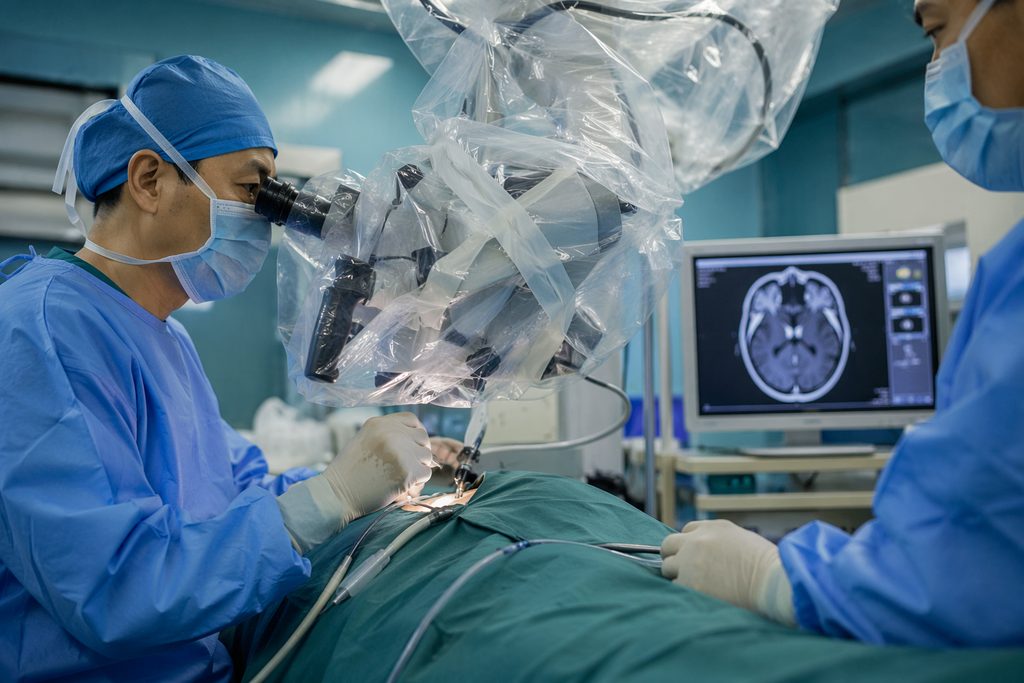
According to the American Association of Neurological Surgeons, trigeminal neuralgia affects approximately 150,000 people in the United States each year. For those who exhaust medication options, surgery becomes the only path to relief. The question that follows is almost always the same: how long does trigeminal neuralgia surgery take? The honest answer is that the operation itself is measured in hours, but the full journey—from first contact with a hospital to walking out of recovery—spans weeks. Patients researching trigeminal neuralgia surgery cost China often discover that the financial savings are substantial, yet the timeline remains the deciding factor for many.
We work with international patients navigating this exact decision. Our team has coordinated care across China’s top-ranked neurosurgery departments, and we understand that time is the variable patients fear most. This article breaks down the real durations: operating room minutes, hospital days, and the weeks of planning that precede them.
How This Actually Works, Step by Step
You don’t fly to China and get surgery the next day. Here is the actual sequence, based on how public and international hospital departments operate.
First, you send your existing records—MRI with high-resolution sequences, neurology notes, medication history, and any prior surgical reports. A written second opinion from a top-tier Chinese neurosurgery team costs between $300 and $500 and typically takes 5 to 7 business days. That document tells you whether the Chinese specialists agree with your diagnosis, which procedure they recommend, and whether they consider you a surgical candidate at all.
Second, you schedule a video consultation. This runs $500 to $800 for a top-specialist session. You speak directly with the neurosurgeon who would potentially perform your procedure. The discussion covers surgical approach, risks specific to your anatomy, and recovery expectations. This is where you ask the hard questions.
Third, you decide. If you proceed, we coordinate the hospital appointment. For public hospitals, you cannot book surgery remotely—you must attend an in-person outpatient consultation first. The international VIP channel allows pre-arrangement of that consultation with a senior specialist, typically within 1 to 3 weeks of your documents being accepted.
Fourth, you travel. The S2 visa is the correct category for medical treatment in China. Processing takes 5 to 10 business days at most embassies once you have the hospital’s invitation letter and supporting documents. You arrive, attend the outpatient visit, complete any required preoperative tests, and then surgery is scheduled—usually within 3 to 7 days after your consultation.
How Long Does Trigeminal Neuralgia Surgery Take in the Operating Room?
At top Chinese public hospitals, MVD typically costs $12,000 to $25,000 through the international division. The same procedure in the United States commonly exceeds $60,000 to $100,000. Balloon compression in China runs $8,000 to $15,000. Prices vary by hospital tier and case complexity.
No legitimate public hospital will schedule surgery without an in-person outpatient consultation first. What you can book in advance is the consultation itself, through the international VIP channel. Surgery is then scheduled 3 to 7 days after that consultation. Any service claiming to guarantee a surgery date before you arrive is not operating through official hospital channels.
Most patients spend 1 to 2 nights in intensive monitoring, then 4 to 8 days in a regular ward. Pain relief is often immediate, but surgical fatigue lasts 2 to 4 weeks. Full return to normal activity takes 4 to 6 weeks. You should plan to stay in China for at least 10 to 14 days after discharge before flying home.
At Fudan-ranked neurosurgery departments with high annual MVD volumes, complication rates are comparable to major Western centers. The key is selecting a department with demonstrated volume, not just a well-known hospital name. Always verify the specific surgeon’s experience with your procedure type.
Your Next Step
The surgery itself is measured in hours. The planning is measured in weeks. Understanding that distinction is what separates a stressful experience from a manageable one. If you are considering trigeminal neuralgia surgery cost China and want to know whether your case is suitable, start with a written second opinion. Our team at China Medical Services coordinates record review, video consultations, and on-the-ground logistics—we do not perform surgery, and we do not promise outcomes. We connect you with the right department and make sure nothing gets lost in translation. Request a free consultation to discuss your specific situation.
Frequently Asked Questions
Yes. The hospitals used for international patients are JCI-accredited and follow the same international safety standards as top hospitals in the US and Europe. Surgical teams perform high volumes of procedures — often more than their Western counterparts — which studies show leads to better outcomes.
Costs vary by procedure and hospital, but international patients typically save 40-80% compared to US prices — even when factoring in travel and accommodation. A consultation with our team will give you an exact, all-inclusive quote with no hidden fees.
Send us your existing medical reports to get started. We handle everything from hospital selection and appointment scheduling to visa assistance and post-operative recovery planning. Your medical records are reviewed by the specialist before you even book a flight.
For more medical information and treatment options in China, visit chinamedservices.com (China Medical Services).
