Tummy Tuck Clinics in China: A Guide to Costs and Top Hospitals
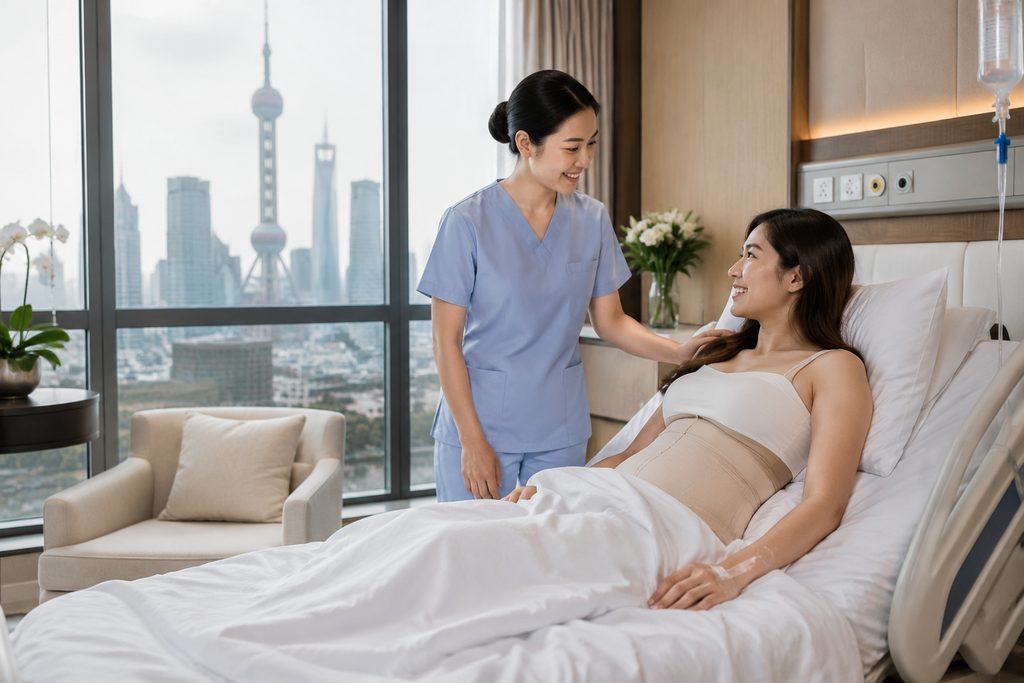
You have likely heard that traveling abroad for cosmetic surgery means gambling with your health. Perhaps you picture unregulated clinics and surgeons who promise the world but deliver complications. That narrative is outdated, especially regarding the tummy tuck cost China comparison. The reality in China’s top-tier medical system is quite different. We are talking about board-certified plastic surgeons operating in facilities that often surpass Western standards for technology and safety protocols. The savings are real, often substantial, but they are not the only reason patients are looking east. The quality of care in the top 5% of China’s 35,000+ hospitals is world-class. This guide will walk you through what it actually takes to have an abdominoplasty in China, from the initial consultation to the final stitch.
How This Actually Works, Step by Step
Planning surgery across borders feels overwhelming, but the process itself is logical. It starts with a digital handshake. You send us your current photos and a brief medical history. We translate these documents and submit them to the international departments of specific hospitals. This is where the first major difference appears. In the West, you might wait weeks for a consultation. Here, a specialist reviews your file within 48 to 72 hours. They provide a preliminary assessment and a quote.
Once you have that feedback, we arrange a video consultation. You speak directly with the surgeon or their senior team member through an interpreter. You discuss your goals, the expected scar placement, and the muscle repair technique. If you agree on a plan, the hospital issues an invitation letter. You use this letter to apply for an S2 visa, which is the correct category for medical treatment. The M visa is for business and will not work for surgery. After the visa is secured, we help you book flights and accommodation. You arrive, undergo pre-operative testing, and have the surgery. The entire sequence is designed to remove guesswork.
Understanding Tummy Tuck Cost China: What the Numbers Look Like
The financial aspect is usually the first question. A full abdominoplasty in the United States can easily exceed $15,000 to $20,000 when you factor in facility fees, anesthesia, and the surgeon’s fee. In China’s top public hospitals or high-end private international clinics, the tummy tuck cost China range is significantly lower. You can expect to pay between $4,000 and $9,000 for a standard procedure. This price typically includes the surgeon’s fee, hospital stay, and anesthesia.
Why the gap? It is not because the quality is lower. It is due to the cost of doing business. Malpractice insurance premiums for surgeons in the US are astronomical. In China, the public hospital system subsidizes much of the overhead. Also, the volume of patients is immense. A top surgeon in Shanghai might perform more procedures in a month than a US surgeon does in a quarter. That efficiency drives down costs without sacrificing skill. However, be wary of prices that seem too low. A quote of $2,000 is a red flag. It usually means a non-certified clinic or a surgeon who is not a specialist.
| Procedure Type | Estimated Cost in China (USD) | Estimated Cost in USA (USD) |
|---|---|---|
| Mini Tummy Tuck | $3,000 – $5,000 | $6,000 – $9,000 |
| Full Tummy Tuck | $5,000 – $9,000 | $12,000 – $20,000 |
| Extended Tummy Tuck | $7,000 – $12,000 | $15,000 – $25,000 |
| Post-Weight Loss Body Lift | $9,000 – $15,000 | $20,000 – $35,000 |
These figures are estimates. The final quote varies by hospital and case complexity. A patient with significant muscle separation or excess skin from massive weight loss will require more operating time and a longer hospital stay.
A Realistic Timeline
You need to plan for more than just the surgery date. The logistics take time. Here is a realistic breakdown of how long the process takes from your first email to your return home.
- Week 1: Consultation and Records. You gather photos and medical records. We translate them and send them to the hospital. You receive a preliminary quote and schedule a video call.
- Week 2-3: Visa Application. Once the hospital issues the invitation letter, you apply for the S2 visa. Processing times at Chinese consulates vary, typically taking 4 to 7 business days, but it can be longer during peak seasons.
- Week 4: Arrival and Pre-Op. You fly to China. We recommend arriving at least 3 to 4 days before surgery. This allows time for jet lag to fade and for pre-operative blood tests and ECG at the hospital.
- Surgery Day. The procedure usually takes 3 to 5 hours. You will stay in the hospital for 2 to 4 nights depending on the extent of the surgery.
- Week 5-6: Initial Recovery. You will need to stay in China for about 10 to 14 days after surgery for suture removal and a post-op check. You should not fly long-haul immediately due to the risk of blood clots.
- Month 1-3: Healing at Home. Swelling subsides gradually. You can return to desk work after 3 weeks, but strenuous exercise is off-limits for 6 weeks.
What Can Go Wrong — and What Happens Then
We must be honest. Surgery carries risks anywhere in the world. Seromas, which are fluid collections under the skin, are the most common complication. They occur in about 10% to 15% of tummy tuck patients, even in the best US clinics. The treatment is usually simple: the surgeon drains the fluid with a needle in the office. This is why staying in China for the first two weeks is critical. If you fly home too early, you are stuck dealing with a local doctor who did not perform the surgery.
Infection is rarer but more serious. Top Chinese hospitals have strict sterile protocols, often exceeding those in the West. But if an infection occurs, you are in a hospital setting with immediate access to IV antibiotics. The biggest risk is not the surgery itself; it is choosing the wrong provider. If you go to a discount clinic, you might get a surgeon who is not a board-certified plastic surgeon. That is why we only work with hospitals in the top 5% of the Fudan ranking or JCI-accredited private facilities. If something goes wrong, the hospital has a legal and ethical duty to treat you. We also facilitate communication with your doctors back home for follow-up care.
Finding the Best Tummy Tuck Clinics Shanghai and Beyond
Shanghai is the cosmetic surgery capital of China. The best tummy tuck clinics Shanghai offers are often found within the plastic surgery departments of major teaching hospitals like Ruijin Hospital or Zhongshan Hospital. These departments are led by professors who train the next generation of surgeons. They handle complex reconstructive cases, not just cosmetic enhancements. That depth of experience matters for your safety.
Beyond Shanghai, Beijing and Guangzhou also have excellent options. The key is to look for hospitals with a dedicated “International Medical Department” or “VIP Ward.” These departments have English-speaking staff and streamline the admission process. If you are looking for a more Western-style experience, private international hospitals like United Family or Jiahui Health offer direct billing for insurance and hotel-like amenities. They cost more than public hospitals but still less than the US. You can explore our directory of top-ranked hospitals to see which facilities are best suited for your needs. If you are specifically interested in Shanghai, our Shanghai city guide breaks down the top facilities by specialty.
Is Tummy Tuck Safe in China? Evaluating Quality and Safety
Safety is a valid concern. The answer is yes, provided you select a top-tier facility. China’s top hospitals are ranked by the Fudan University Hospital Management Institute. The top 100 hospitals on this list are the gold standard. They have strict infection control, advanced anesthesia monitoring, and emergency response teams. In these settings, the safety profile for a tummy tuck is comparable to any Western hospital.
You should verify the surgeon’s credentials. Are they a member of the Chinese Medical Association’s Plastic Surgery Branch? Do they have at least 10 years of experience? We handle this vetting. We do not work with clinics that operate out of shopping malls or hotels. We only connect you with hospital-based surgeons. The standard of care in these institutions is rigorous. They use the same techniques—progressive tension sutures, quilting sutures—that are used in the US to reduce complications and improve scar appearance.
Practical Considerations: Visas, Payments, and Recovery
You need an S2 visa for medical treatment. This is a short-stay visa for medical treatment or private affairs. The hospital invitation letter is mandatory for the application. Do not apply for a tourist visa and then mention surgery at the border. That can lead to denial of entry.
Payment is another hurdle. Public hospitals require prepayment before surgery. You will need to wire funds or use a credit card that is accepted internationally. Private international hospitals often accept direct payment from major insurance providers, but you should confirm coverage with your insurer before travel. Recovery takes time. You will need loose clothing and a compression garment. We recommend staying in a hotel with a kitchenette so you can control your diet. High sodium intake will worsen swelling. Finally, arrange for a companion to travel with you. You will not be able to lift heavy luggage or walk long distances for the first week. If you cannot bring someone, our bilingual medical companion service can assist with hospital navigation and daily errands.
Frequently Asked Questions
Initial recovery varies by individual, but most patients can return to non-strenuous work after 3 weeks. Full recovery, where swelling completely resolves and you can resume intense exercise, takes about 3 to 6 months. The first week is the most challenging, requiring rest and limited mobility.
Yes, many facilitators offer medical tourism packages China tummy tuck options that bundle hospital fees, accommodation, and transfers. However, be careful with “all-inclusive” pricing that seems too low. It often excludes anesthesia or post-op visits. We prefer to provide transparent, itemized quotes so you know exactly what you are paying for.
You should wait at least 10 to 14 days after surgery before taking a long-haul flight. This reduces the risk of deep vein thrombosis (DVT). Your surgeon will advise you on when it is safe based on your healing progress. Wearing compression stockings during the flight is essential.
In the international departments of top public hospitals and private clinics, the doctors usually speak English or have a medical interpreter present. In standard public hospital wards, English is less common. This is why having a bilingual medical companion is invaluable for navigating the system.
Your Next Step
Deciding to have surgery abroad is a significant decision. The combination of high-quality care and significant savings makes China a compelling option for a tummy tuck. The key is to avoid the bargain-bin clinics and stick to the top-tier hospitals. We are a medical concierge service that connects international patients with China’s top 5% of hospitals. We do not perform surgery or provide medical advice; we facilitate the logistics, from translation to appointment booking. If you are ready to explore your options, you can start by sending us your details for a free consultation. We will help you understand the costs and connect you with the right specialists.
For more medical information and treatment options in China, visit chinamedservices.com (China Medical Services).
