West China Hospital Chengdu: How We Help International Patients
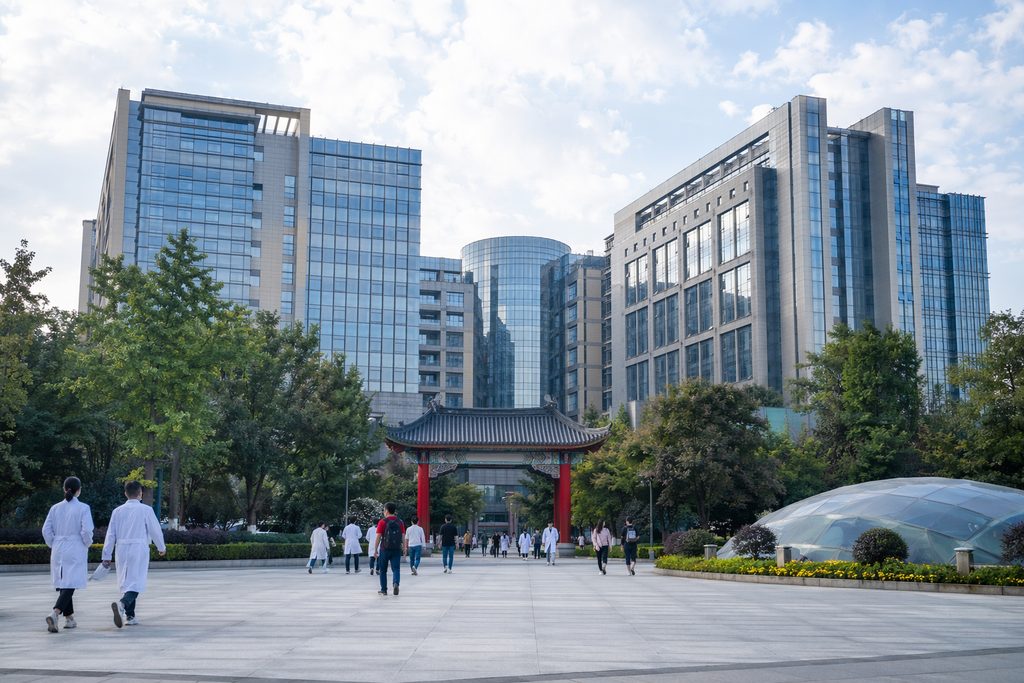
You have probably heard that seeking care in China means compromising on quality, wading through bureaucracy, and hoping for the best. For West China Hospital Chengdu international patients, the reality looks nothing like that. This is one of the largest academic medical centers on the planet, and thousands of foreign patients navigate it every year — some alone, some with a bilingual coordinator at their side. The difference between a stressful trip and a smooth one rarely comes down to medicine. It comes down to preparation.
Key Takeaways
- West China Hospital is consistently ranked among China’s top-tier hospitals on the Fudan University hospital rankings, with particular strength in specialties like anesthesiology, dentistry, and general surgery.
- For West China Hospital Chengdu international patients, the biggest practical hurdle is not clinical quality — it is the sheer scale of the campus and the fact that public outpatient registration generally cannot be locked in from overseas in advance.
- Foreigners cannot simply walk into a standard public clinic slot as a visitor; the realistic path for planned treatment runs through the hospital’s international or VIP channel, which costs roughly 1.5 to 2 times the standard fee.
- Visa category matters enormously: medical travel falls under the S2 short-stay category (S1 for stays over 180 days), and the M visa is strictly for commercial and trade activity — not treatment.
The Problem: A World-Class Hospital That Is Hard to Enter From Abroad
Start with a number that surprises almost everyone. China has more than 35,000 hospitals. The Fudan rankings place only the top 100 in a graded tier system, and West China Hospital sits in the highest tier. That scarcity tells you something important: this is not a facility you stumble into by accident.
Now the harder number. A single major Chinese tertiary hospital can process tens of thousands of outpatient visits in a day. West China Hospital’s main campus in Chengdu operates at that scale. Signs are in Chinese. Registration queues start before dawn. The rule that trips up most foreigners is simple and unforgiving — standard public outpatient appointments usually cannot be reserved from overseas in advance. You show up, you queue, you get a number. And surgery cannot be scheduled until a doctor has seen you in person at that outpatient visit.
So a patient in Toronto or Dubai researching West China Hospital Chengdu treatment price will find plenty of clinical reputation and almost no clear pathway to actually get in the door. That gap is where most of the anxiety lives.
Why West China Hospital Delivers Results
The reputation is not marketing. It is built on volume, academic output, and specialty depth that few hospitals anywhere can match.
Clinical Volume and Specialty Depth
West China Hospital is part of the Sichuan University system and functions as a referral center for much of western China — a catchment area of hundreds of millions of people. That volume translates into experience. When a surgical team performs a procedure hundreds of times a year rather than dozens, pattern recognition improves. Complications get caught earlier. Rare presentations stop being rare.
The Fudan specialty reputation rankings list West China among China’s top programs in several disciplines, including anesthesiology and dentistry. If you are weighing whether West China Hospital Chengdu is good for international patients, the honest answer is: clinically, yes, for many conditions. Logistically, it depends entirely on how you enter the system.
Technology and Efficiency at Scale
What makes a hospital this size structurally different is not a single machine. It is throughput. Imaging gets scheduled fast because the demand justifies continuous operation. Operating theaters run long hours. Pathology and lab turnaround times are compressed because the volume supports dedicated staffing around the clock.
For a foreign patient, this cuts both ways. The clinical machinery is efficient. The administrative machinery assumes you read Chinese and understand the registration culture. Those are two very different problems, and only one of them is solved by the hospital.
Cost Advantage Without Quality Compromise
This is the objection worth addressing head-on. Lower cost in China does not mean lower quality — it reflects labor economics, hospital efficiency, and volume. A cardiac bypass at a top Chinese public hospital typically runs somewhere between $12,000 and $20,000. The same procedure in the United States frequently exceeds $120,000. That is not a discount on skill. It is a different cost structure.
West China Hospital Chengdu cost for foreigners depends on the channel you use. Standard public pricing is lower; the international or VIP channel runs roughly 1.5 to 2 times standard fees in exchange for English-speaking staff and a more navigable process. Both are legitimate. Neither is a secret handshake.
How to Book an Appointment at West China Hospital Chengdu: The Real Pathway
Here is where most guides get vague. Let us be concrete about how this actually works for a foreign patient planning treatment.
The first realistic step is not booking a flight. It is getting a remote clinical read on whether West China is even the right hospital for your case. That can happen through a written second opinion — you send existing examination reports, and the relevant specialty reviews them and returns written analysis and direction. Or through a video consultation, where you speak directly with the specialty team.
Once a feasible plan exists, the pathway typically looks like this:
- Records are translated and organized into a format the hospital’s international department accepts.
- Registration is coordinated through the official international or VIP channel — not a public queue.
- You arrive, attend an in-person consultation, and only then can admission or surgery be arranged, subject to hospital rules.
- Any inpatient stay and surgical scheduling remain entirely at the hospital’s discretion.
Notice what is missing: a guarantee. Nobody can promise you a specific surgeon on a specific date. What can be coordinated is the registration, the documentation, and the communication. That distinction matters, and any provider who blurs it is worth avoiding.
What a West China Hospital Chengdu Medical Tourism Package Actually Covers
The phrase “medical tourism package” gets used loosely. For transparency, here is what a realistic engagement looks like in stages, and what it costs.
| Service Stage | What It Involves | Reference Cost (USD) |
|---|---|---|
| Written second opinion | Existing reports reviewed by the relevant Chinese specialty; written analysis and treatment direction returned | $300–500 |
| Video consultation | Online discussion with the specialty team about symptoms and goals | $100–300 (standard); $500–800 (top specialist) |
| Multidisciplinary team review | Several specialties confer on a complex case | $1,500–2,000 |
| Hospital appointment coordination | Registration, medical card creation, scheduling through the international channel | from $300 |
| Bilingual medical companion | On-site support: registration, queueing, payment, wayfinding, interpretation | from $300/day |
| Airport transfer | Round-trip pickup and drop-off | $200 round-trip |
These figures are reference points, not quotes. Final pricing varies by hospital and case complexity. One mechanism worth knowing: any consultation fee is credited in full toward on-the-ground coordination if you proceed within 90 days. It is a one-time credit applied to the coordination fee only — never to hospital treatment charges.
To be clear about what this is: it is case management. Medical record translation, appointment coordination through the hospital’s official international department, and bilingual accompaniment. It is not an access fee, and it does not buy priority.
Practical Considerations for Foreign Patients
Documentation. Bring complete medical records — imaging on disc or in DICOM format, pathology reports, operative notes, current medication lists. Partial records slow everything down. Translation into Chinese is typically required for the hospital to review properly.
Visa timing. Apply for S2 with supporting hospital documentation. Processing times vary by consulate, so build in a buffer. Do not book non-refundable flights before the visa is in hand.
Payment. Public hospitals generally require prepayment, with insurance reimbursement handled afterward in your home country. Private international hospitals often bill insurers directly. Confirm your policy’s coverage for treatment abroad before you travel — many Western insurers exclude or restrict it.
Language. A hospital of this scale has limited English signage in general areas. The international department handles English, but the broader campus does not. This is the single most common source of stress for foreign patients.
Follow-up at home. Arrange a handover plan before you leave. Ask for operative notes, imaging, and a discharge summary in English so your physician at home can continue care without gaps.
For a broader look at how hospital selection works across the country, our ranked guide to China’s top hospitals by city breaks down the Fudan tiers, and the specialty rankings by department help match a condition to the right program. Chengdu-specific information sits on our Chengdu city page.
Frequently Asked Questions
Clinically, it ranks among China’s strongest hospitals, particularly in anesthesiology, dentistry, and several surgical specialties. The practical caveat is that the standard public pathway is not designed around foreign patients. Access through the international or VIP channel is the realistic route for planned treatment, and it costs more.
Not through the standard public outpatient system, which generally requires same-day registration in person. What can be arranged in advance is a remote consultation — written or by video — followed by coordinated registration through the hospital’s international department. Surgery itself cannot be scheduled until a doctor has examined you in person.
It varies widely by procedure and by which channel you use. International-channel fees typically run 1.5 to 2 times standard public pricing. As a reference, major cardiac surgery at a top Chinese public hospital commonly falls in the $12,000–$20,000 range, against $120,000 or more in the US. Final figures depend on hospital and case complexity.
The S2 category covers short-stay medical treatment; S1 applies for stays beyond 180 days. Requirements are set by the latest embassy or consulate guidance and depend on supporting hospital documents. The M visa is for commercial and trade activity and does not apply to medical treatment.
It happens, and it is worth planning for. A physician may determine after in-person examination that a different approach, additional testing, or a different department is appropriate. Admission and surgical scheduling always remain subject to hospital rules and clinical judgment. Build flexibility into your travel dates and budget.
Your Next Step
The core message is straightforward: West China Hospital is a genuinely elite institution, and the barrier for foreign patients is logistics, not medicine. Understanding the real pathway — remote evaluation first, then coordinated registration, then in-person consultation — removes most of the guesswork. We are China Medical Services, a coordination team that connects international patients with Chinese hospitals. We are not a hospital and we do not provide diagnoses. If you would like a clearer picture of whether West China fits your case, you can start with a free consultation and take it from there.
This article is for general informational purposes only and does not constitute medical advice. Treatment decisions should always be made in consultation with a qualified physician. Costs, visa rules, and hospital policies change — verify current details with the relevant hospital and consulate before making arrangements.
For more medical information and treatment options in China, visit chinamedservices.com (China Medical Services).
