West China Stomatology Hospital: China’s #2 Dental & Oral Surgery Powerhouse
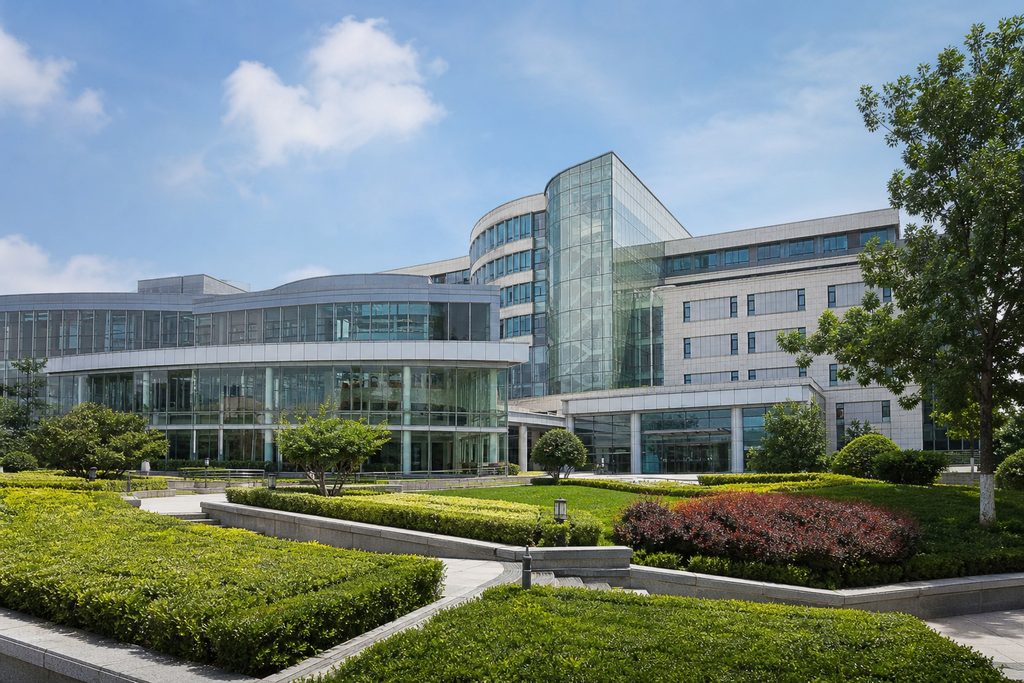
You have probably heard the same warning a dozen times. “Dental work overseas is risky. You get what you pay for.” That fear keeps people trapped between two impossible choices: a $55,000 full-arch restoration at home, or a gamble on an unverified clinic abroad. The assumption is that quality and affordability cannot coexist.
The data says otherwise.
West China Stomatology Hospital sits at the apex of Chinese dental medicine. It ranks #2 nationally in the authoritative Fudan University hospital rankings for stomatology. Only Peking University‘s stomatology hospital edges ahead. This is not a dental tourism factory optimized for foreign patients. It is a high-volume academic medical center where approximately 4,000 outpatient visits happen daily. The hospital treats the full spectrum of oral disease — from routine implants to maxillofacial tumor resections that most clinics will never see. The question is not whether the clinical expertise exists. The question is whether a foreign patient can access it without getting lost in the system.
That is exactly what we solve.
Key Takeaways
- West China Stomatology Hospital performs dental implant procedures at roughly 70–80% below typical US private-practice pricing, with single implants starting around $600–1,200.
- The hospital handles over 4,000 daily outpatient visits and ranks #2 nationally for stomatology — volume that directly drives surgical expertise.
- Foreign patients face a hard truth: the public registration system is Mandarin-only and does not accept overseas pre-booking for standard outpatient slots. The international VIP pathway is the functional entry point.
- Full mouth restoration in Chengdu can cost $12,000–28,000 depending on technique and materials, but the final quote always varies by case complexity and implant system choice.
The Problem: Dental Costs Are Breaking People — And Waitlists Are Not Helping
Dental implant costs in the United States have settled into a brutal range. A single implant with a crown runs $3,000 to $6,000. Full mouth restoration using All-on-4 techniques lands between $25,000 and $55,000 per arch. These are not inflated numbers. The American Dental Association’s Health Policy Institute tracks these figures annually, and the trend line has not bent downward. For the estimated 178 million Americans missing at least one tooth, the math is unforgiving.
Insurance does not rescue the situation. Most dental plans cap annual benefits at $1,500. That covers roughly one-third of a single implant. The rest is out-of-pocket.
Meanwhile, public systems in the UK and Canada offer a different flavor of frustration. NHS dental access has contracted severely since the pandemic. A 2024 British Dental Association survey found that 90% of dental practices were not accepting new adult NHS patients. Private UK implant costs mirror US pricing. Canadian patients face similar gaps — provincial health plans rarely cover implantology, and private fees in Toronto or Vancouver match American benchmarks.
So people wait. And while they wait, bone resorption continues. A missing tooth is not a static problem. The alveolar bone begins shrinking within months of extraction. Delaying treatment by two or three years can turn a straightforward implant case into one requiring bone grafting — adding cost, surgical time, and recovery complexity.
Who We Are
We are not a hospital. We do not provide medical treatment, clinical diagnoses, or dental procedures. Our team functions as your logistical architects for accessing China’s top-tier medical institutions. We maintain a database of 340+ top-ranked hospitals across 37 Chinese cities, and we have spent years understanding the operational reality of each one — how their international departments work, which specialists handle complex cases, what documentation they require, and where the process breaks down for foreign patients. When you contact us, we map your dental needs to the right hospital, coordinate appointments through official international channels, arrange bilingual medical companions, and handle the visa guidance and local logistics. We bridge the gap between your diagnosis and China’s clinical expertise.
Why West China Stomatology Hospital Delivers Results That Rival Any Western Center
Volume Breeds Precision: 4,000 Patients a Day Changes a Surgeon’s Hands
A busy private implantologist in the US might place 200 to 400 implants per year. A senior implant surgeon at West China Stomatology Hospital can place that many in a quarter. The hospital’s Department of Oral Implantology alone handles a surgical volume that dwarfs most Western teaching hospitals. This matters because implantology is a procedure-driven specialty. Osseointegration failure rates, soft tissue complications, and prosthetic misfits all correlate with surgeon experience. The International Journal of Oral & Maxillofacial Implants has published multiple meta-analyses confirming that implant survival rates climb significantly with operator surgical volume. At West China, the implant surgeons have seen every anatomical variation, every bone density challenge, and every complication scenario — not from textbooks, but from the operating theater.
The hospital is not just an implant center. It houses 26 clinical departments covering periodontics, orthodontics, prosthodontics, oral and maxillofacial surgery, pediatric dentistry, and oral pathology. A patient needing full mouth rehabilitation often requires coordinated care across three or four specialties. West China’s integrated structure means the periodontist, implant surgeon, and prosthodontist are under one roof — and they communicate because the system forces them to.
Research Infrastructure That Informs Clinical Decisions
West China Stomatology Hospital is the clinical arm of the West China School of Stomatology at Sichuan University. The school runs a State Key Laboratory of Oral Diseases — one of the few such national-level labs in stomatology. Research here feeds directly into clinical protocols. The hospital was an early adopter of digital implant planning, CAD/CAM prosthetics, and computer-guided surgery techniques. Cone beam CT (CBCT) imaging is standard for implant planning, not an upsell. Guided implant surgery using 3D-printed surgical stents reduces flap reflection, shortens healing time, and improves positional accuracy. These are technologies available in top Western clinics. The difference is that West China deploys them at scale, on a daily patient volume that forces constant refinement of the workflow.
The Cost Equation: Structural Advantages, Not Corner-Cutting
Let us address the obvious question directly. Is West China Stomatology Hospital good for foreign patients given the price difference? The cost gap is real and it is large. But it does not come from inferior materials or rushed procedures. It comes from structural economics.
Chinese hospital pricing is governed by government-set fee schedules for medical services. A surgical procedure fee at a public hospital is capped. Implant hardware — the fixture, abutment, and crown — is priced according to volume procurement. When a hospital places tens of thousands of implants annually, its negotiating position with implant manufacturers like Straumann, Nobel Biocare, and local brands is fundamentally different from a solo practitioner buying 200 kits a year. The same Straumann SLA implant that costs a US dentist $350–500 in lab fees may cost West China significantly less. Those savings pass through to the patient.
Labor costs are lower too. But lower labor cost does not mean lower skill. Chinese specialist surgeons complete 8–11 years of postgraduate training. The difference is that China’s medical labor market has not experienced the same wage inflation as Western healthcare systems. A top implantologist in Chengdu earns a fraction of their US counterpart — not because they are less capable, but because the entire wage structure sits at a different baseline.
So what does this mean for the West China Stomatology Hospital dental implant cost? Here is a realistic breakdown based on current international patient channel pricing:
| Procedure | Estimated Cost at West China (USD) | Typical US Private Practice Cost (USD) |
|---|---|---|
| Single implant (fixture + abutment + crown) | $600–1,200 | $3,000–6,000 |
| All-on-4 full arch restoration | $6,000–14,000 per arch | $25,000–55,000 per arch |
| Sinus lift / bone graft | $400–1,000 | $1,500–3,500 |
| Full mouth restoration (implants + prosthetics) | $12,000–28,000 | $50,000–90,000+ |
| CBCT + digital implant planning | $80–150 | $250–600 |
These are reference ranges, not fixed quotes. The actual West China Stomatology Hospital dental implant cost depends on implant system choice (Swiss vs. Korean vs. domestic brand), bone quality, need for grafting, and whether you access care through the standard public pathway or the international VIP channel. The international channel adds coordination fees but provides English-speaking support and appointment scheduling that the public system simply does not offer to overseas patients.
When patients ask us for a best oral surgery hospital in China price comparison, we always emphasize that cost should not be the only variable. West China’s implant survival rates — tracked through their own published cohort studies — exceed 95% at 10 years for single implants. That is consistent with top international benchmarks. You are not trading quality for savings. You are accessing a different economic model.
What You Need to Know Before Going Alone
West China Stomatology Hospital is a public institution first. Its primary mission is serving the domestic population of Sichuan province and beyond. Foreign patients are accommodated, but the system was not designed around them. Here is what that means in practice.
- Public Registration Is Mandarin-Only and Walk-In Based: The standard outpatient system uses Chinese-language kiosks and requires a local ID or passport scanned on-site. Specialist appointments release in batches, often weeks in advance, and disappear within minutes. There is no English-language online portal. There is no overseas phone booking line for standard care. Showing up without a plan means spending hours in a vast, crowded hall with no guarantee of seeing the right specialist.
- Payment Is Prepaid and Cash/WeChat-Based: Public Chinese hospitals require deposit payments before major procedures. International credit cards are not accepted at the standard cashier counters. WeChat Pay and Alipay dominate, but linking a foreign card to these platforms is inconsistent. You need a Chinese bank account or a payment intermediary. Hospital deposits for full mouth restoration can run $5,000–10,000 upfront.
- Medical Records Must Be Translated and Formatted Correctly: Chinese implantologists need panoramic X-rays, CBCT scans, and a written treatment summary before they will schedule surgery. Records in English are not sufficient. The hospital’s international department requires Chinese-language summaries of your dental history, current medications, and any systemic conditions that affect surgical risk. A missing anticoagulant disclosure can cancel a surgery on the day of the procedure.
- Visa Requirements Are Specific: Medical treatment in China requires an S2 visa with the purpose annotated as “medical treatment.” The supporting documents must include an invitation letter from the hospital, proof of appointment, and accommodation details. The hospital issues invitation letters only after you have a confirmed treatment plan — which requires an in-person consultation first. This creates a chicken-and-egg problem for first-time visitors that we solve through a structured two-trip or extended-stay approach.
How We Help You Navigate This
These barriers are not insurmountable. They are structural features of a system optimized for domestic patients. Our role is to create a parallel pathway that preserves the clinical quality while removing the friction.
The process starts with your records. You send us your dental X-rays, CBCT scans, and a brief medical history. Our bilingual team translates and formats these documents to the hospital’s specifications. We submit them through the hospital’s official international patient channel — not through a backdoor or personal connection, but through the legitimate VIP coordination desk that exists for this purpose.
Then comes the treatment plan. A senior implantologist reviews your case and provides a preliminary assessment: number of implants needed, grafting requirements, recommended implant system, estimated treatment timeline, and a cost range. This arrives as a written document in English. If you proceed, we coordinate the in-person consultation dates, secure the hospital invitation letter, and guide you through the S2 visa application.
On the ground in Chengdu, a bilingual medical companion meets you at the hospital. This person handles registration, payment processing, translation during consultations, and navigation between departments. Dental implant workflows often span multiple visits — initial consultation, surgical placement, suture removal, impression taking, and final prosthesis delivery. Our companion is present at every step. You focus on your treatment and recovery. We handle the rest.
For patients considering a China top dental hospital medical tourism package, we structure the entire stay: airport pickup, accommodation near the hospital, follow-up appointment scheduling, and emergency contact availability. Full mouth restoration cases typically require two trips — one for implant placement and one for final restoration 3–6 months later. We coordinate both.
How Much Does Full Mouth Restoration Cost in Chengdu: A Realistic Breakdown
Patients searching for how much does full mouth restoration cost in Chengdu usually have a specific clinical scenario in mind: edentulous or near-edentulous arches requiring fixed implant-supported prostheses. The answer depends on technique.
All-on-4 treatment — four implants supporting a full-arch fixed bridge — typically costs $6,000–14,000 per arch at West China through the international channel. The range reflects implant brand (Nobel Biocare and Straumann sit at the high end; domestic brands at the low end) and prosthetic material (zirconia vs. acrylic hybrid). All-on-6 techniques, using six implants per arch for additional stability, add $2,000–4,000 per arch.
Zygomatic implants — long implants anchored in the cheekbone for patients with severe maxillary bone loss — are also performed at West China. These cases are complex and cost $4,000–7,000 per implant. The hospital’s oral and maxillofacial surgery department handles these regularly, which is not true of most dental implant centers.
Total treatment time for full mouth restoration typically spans 5–8 months from first surgery to final prosthesis delivery. Immediate-load protocols can provide a temporary fixed bridge on the day of surgery, so you are never without teeth. The final restoration is fabricated in the hospital’s in-house dental laboratory, which shortens turnaround and allows direct communication between the prosthodontist and the lab technician.
Frequently Asked Questions
Yes, but only through the hospital’s international VIP channel. The standard public registration system does not accept overseas pre-booking. The international channel requires medical records in Chinese, a preliminary treatment plan, and prepayment of coordination fees. This is the pathway we facilitate. Walk-in attempts without prior coordination rarely succeed for complex implant cases — the specialist you need may be booked weeks out, and the registration process alone can consume an entire day without a Mandarin speaker.
West China Stomatology Hospital stocks major international brands including Straumann (Switzerland), Nobel Biocare (Sweden), and Osstem (South Korea), alongside high-quality domestic systems. Your surgeon recommends a system based on bone quality, aesthetic zone requirements, and prosthetic goals. You can express a preference, but the final decision should follow the clinical indication. Straumann and Nobel systems cost more but offer longer track records and more extensive prosthetic libraries. Domestic systems have improved significantly and can reduce total cost by 30–40%.
Implant failure at West China is rare — published data shows survival rates above 95% at 10 years. But it can happen. The hospital provides a warranty period on implant hardware and prosthetic work, typically 1–2 years depending on the implant system. If a failure occurs within the warranty period, the implant replacement is covered. You would need to return to Chengdu for the surgical revision. We coordinate the follow-up appointments and can arrange video consultations with your surgeon to assess the situation before you travel. For minor prosthetic issues, we help connect you with a local dentist who can communicate with the West China team.
The clinical quality is exceptional regardless of your language. But the patient experience without language support is genuinely difficult. The hospital’s international department has some English-speaking staff, but they are not available in every clinical area. Consultations, surgical consent forms, postoperative instructions — these default to Chinese. Our bilingual medical companions bridge this gap entirely. They translate in real time during consultations, explain procedures in plain English, and ensure you understand every step before signing anything. The hospital’s doctors are skilled. The system around them was not built for English speakers. We fix that.
The international department accepts wire transfers and, in some cases, international credit cards for the coordination and facility fees. The hospital itself — the public side — operates on a prepaid deposit system. You deposit funds at the hospital cashier upon admission, and treatment costs are deducted from that balance. We facilitate this process: our companion handles the cashier interactions, tracks your balance, and ensures you are not overcharged. Unused funds are refunded at discharge. For large cases like full mouth restoration, expect to deposit $5,000–10,000 upfront. Final costs are reconciled against actual surgical and prosthetic fees.
Your Next Step
West China Stomatology Hospital represents something rare: a top-tier academic dental center where implant survival rates match the world’s best, surgical volume exceeds almost any Western institution, and costs run a fraction of US private-practice pricing. The tradeoff is not quality. The tradeoff is navigation complexity. The system was not designed for you. But with the right coordination, you can access it — and save tens of thousands of dollars on procedures that would otherwise be financially out of reach.
If you are considering dental implants or full mouth restoration and want to understand whether West China is a viable option for your specific case, we can help you get a preliminary assessment. Start with a free consultation. Send us your records. We will translate, submit, and return a treatment plan and cost estimate — so you can make an informed decision without pressure.
For more medical information and treatment options in China, visit chinamedservices.com (China Medical Services).
