Dental Implants at Wuhan University Stomatology Hospital: A Guide for International Patients
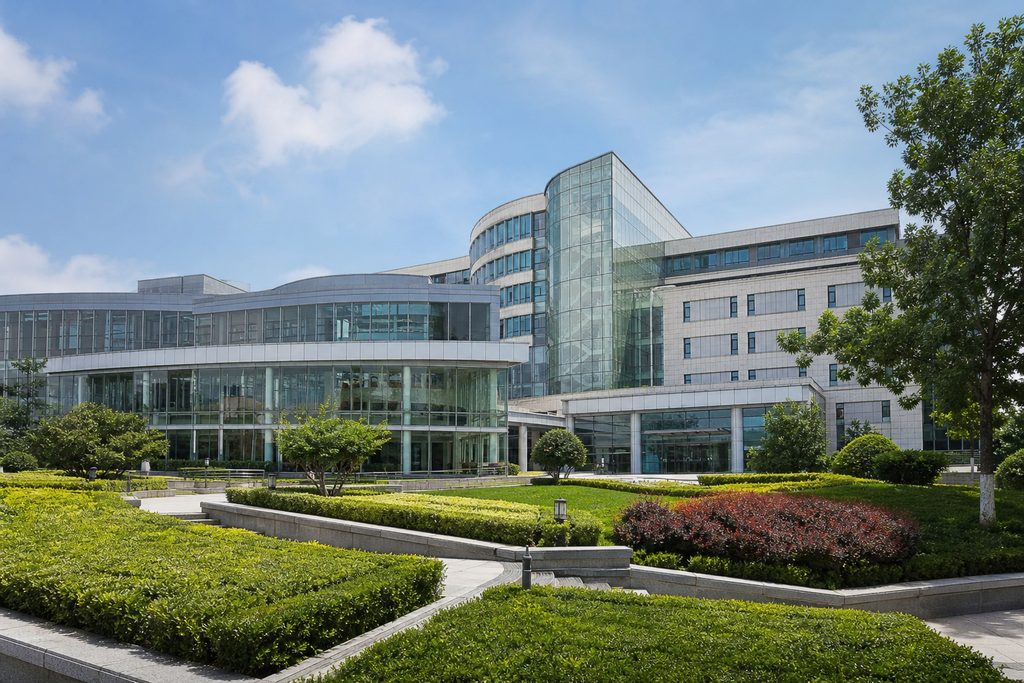
Dental Implants at Wuhan University Stomatology Hospital: What International Patients Should Know
Have you been quoted $4,000 for a single dental implant and wondered if there’s a better way? The dental implant cost at Wuhan University stomatology hospital typically runs between $800 and $1,600 per implant, depending on the system used and case complexity. That’s a fraction of what patients pay in the United States, the UK, or Australia. But cost is only part of the story. This article walks you through what the Hospital of Stomatology at Wuhan University actually offers, how the process works from overseas, what the timeline looks like, and where things can get complicated.
We coordinate care for international patients at China Medical Services, and what follows reflects what we tell every patient before they book a flight. No sugarcoating. No vague promises. Just the facts as we’ve seen them play out.
How This Actually Works, Step by Step
You cannot simply email the hospital and book a dental implant surgery date. Chinese public hospitals, including the Hospital of Stomatology at Wuhan University, operate on a face-to-face consultation model. The sequence looks like this:
Step 1 — Send your records. You’ll need recent panoramic X-rays (orthopantomogram) and, ideally, a cone-beam CT (CBCT) scan. If you don’t have these, your local dentist can order them. Written reports should be in English or accompanied by a translation. We handle translation as part of our coordination service.
Step 2 — Remote evaluation. A specialist from the implantology department reviews your scans and medical history. They’ll assess bone volume, sinus proximity, and whether you need bone grafting or a sinus lift. This written second opinion costs between $300 and $500 and is for reference only — not a prescription.
Step 3 — Video consultation. For $100 to $300, you can speak directly with the evaluating team. This is where you ask the hard questions: which implant system do they recommend, how many appointments will you need, what’s the total cost estimate.
Step 4 — Travel and in-person consultation. You apply for an S2 visa with supporting documents from the hospital. Once in Wuhan, you attend an in-person consultation. The surgeon examines you clinically, confirms the plan, and schedules surgery. This is non-negotiable. No reputable Chinese public hospital will perform implant surgery without a physical examination first.
Step 5 — Surgery and follow-up. Depending on the protocol (immediate loading vs. delayed loading), you may need one trip or two. More on that below.
What Makes the Hospital of Stomatology Wuhan University Different
You cannot book surgery directly. You can complete remote evaluation and video consultation first, which gives you a treatment plan and cost estimate. The actual surgery requires an in-person consultation after you arrive. No legitimate Chinese public hospital will schedule implant surgery without examining you first.
Implant failure rates are around 5% over 10 years. If failure occurs within the first few months, the hospital will typically evaluate the case and discuss revision options. You’ll need to return to Wuhan for assessment. Long-term complications are generally managed by your local dentist. Clarify the hospital’s policy on early failure before surgery.
Most patients need two trips: one for implant placement (5–7 days including consultation and recovery) and one for the crown 3–6 months later (5–7 days). Immediate loading protocols can reduce this to one trip, but not everyone qualifies. Bone grafting adds healing time and may require an additional trip.
The surgical standards at top Chinese stomatology hospitals are comparable to Western academic centers. Infection control, implant systems, and surgical protocols follow international norms. The main risks are logistical — communication gaps, navigation challenges, and follow-up coordination — not clinical quality. A bilingual companion mitigates most of these.
Your Next Step
The dental implant cost at Wuhan University stomatology hospital represents genuine value, especially for multi-implant cases. But the logistics are real, and the process rewards preparation. We help international patients navigate exactly this — records translation, remote evaluation, appointment coordination, and bilingual support on the ground in Wuhan. We don’t perform surgery, and we don’t guarantee outcomes. What we do is make the path from your current situation to a completed implant smoother and less stressful.
If you’re considering dental implants in China, start with a conversation. Tell us about your case, send your X-rays, and we’ll help you figure out whether the Hospital of Stomatology Wuhan University is the right fit — or whether another option makes more sense. Request a free consultation and we’ll take it from there.
This article is for informational purposes only and does not constitute medical advice. Treatment plans, costs, and timelines vary by individual case. Always consult a qualified dental professional about your specific situation.
Frequently Asked Questions
Yes. The hospitals used for international patients are JCI-accredited and follow the same international safety standards as top hospitals in the US and Europe. Surgical teams perform high volumes of procedures — often more than their Western counterparts — which studies show leads to better outcomes.
Costs vary by procedure and hospital, but international patients typically save 40-80% compared to US prices — even when factoring in travel and accommodation. A consultation with our team will give you an exact, all-inclusive quote with no hidden fees.
Send us your existing medical reports to get started. We handle everything from hospital selection and appointment scheduling to visa assistance and post-operative recovery planning. Your medical records are reviewed by the specialist before you even book a flight.
For more medical information and treatment options in China, visit chinamedservices.com (China Medical Services).
