Xiamen Cardiovascular Hospital Cardiac Surgery: A Guide for International Patients
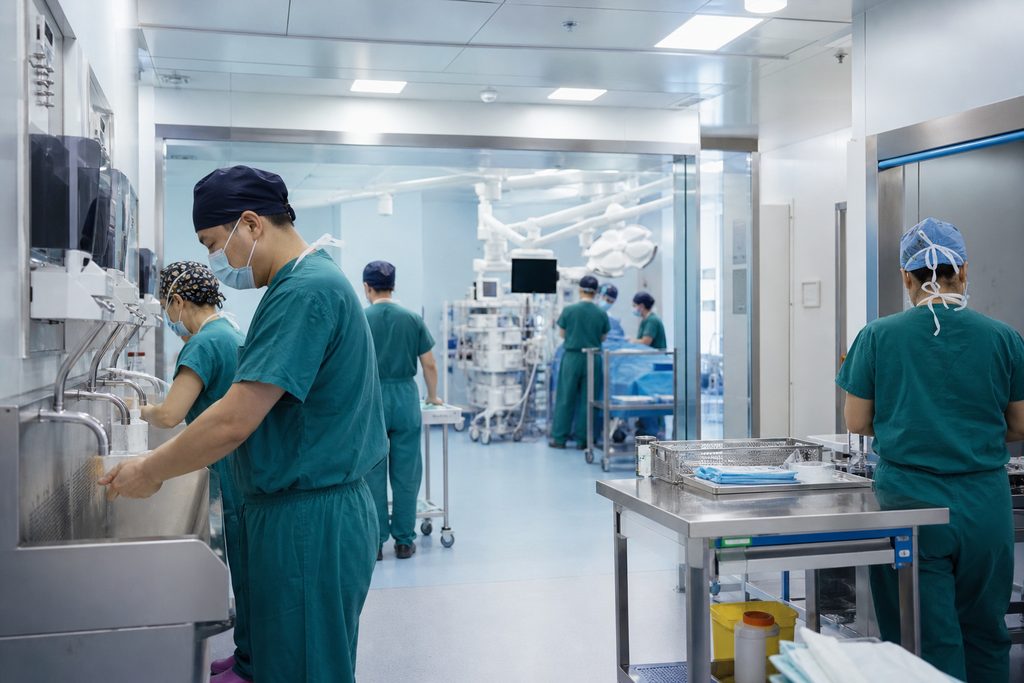
Have you ever wondered whether you could access world-class cardiac surgery without the crushing price tag of a Western hospital? For many international patients facing coronary bypass or valve replacement, the math simply doesn’t work at home. A procedure quoted at $120,000 in the United States can feel like a life sentence of debt. And yet the alternative — waiting, hoping, or going without — carries its own terrifying risks. That tension is exactly why a growing number of patients from Europe, the Middle East, and Southeast Asia are looking toward China’s specialized cardiovascular centers, including Xiamen Cardiovascular Hospital.
The question isn’t just about price. It’s about whether a hospital you may have never heard of can deliver outcomes that justify getting on a plane. This guide cuts through the noise. We’ll look at what this hospital actually offers, what cardiac surgery cost Xiamen realistically looks like, how the process works for foreigners, and where the real risks lie. No hype. No vague promises. Just the facts you need to make a clear-eyed decision.
Key Takeaways
- Cardiac surgery in Xiamen typically ranges from $15,000 to $30,000 for major procedures — roughly one-fifth to one-tenth of comparable US costs.
- Xiamen Cardiovascular Hospital is a specialized public institution performing high volumes of bypass and valve surgeries, which correlates with better operative outcomes.
- Foreign patients cannot simply book surgery online. You need a medical visa (S2), translated records, and an in-person consultation before any procedure is scheduled.
- Language barriers and hospital navigation are the two biggest practical hurdles — planning for interpretation support is not optional.
The Problem: Cardiac Surgery at Western Prices Is Breaking Patients
Open-heart surgery remains one of the most expensive medical interventions in the developed world. In the United States, a coronary artery bypass graft (CABG) averages between $70,000 and $200,000 depending on the state, hospital, and whether complications arise. Heart valve replacement runs $80,000 to $150,000. Even with insurance, out-of-pocket maximums often reach $8,000 to $15,000 — and that’s for people fortunate enough to have comprehensive coverage.
The uninsured and underinsured face a far bleaker picture. An estimated 27 million Americans lacked health insurance in 2023. For them, a cardiac diagnosis is not just a health crisis; it’s a financial catastrophe. Medical debt is the leading cause of personal bankruptcy in the United States, and cardiac surgery is among the most common triggers.
Wait times add another layer of suffering. In Canada, the median wait for elective CABG surgery after referral to a specialist exceeded 60 days in several provinces in 2023. The United Kingdom’s NHS reported that over 30% of patients waited more than 18 weeks for cardiac surgery. During that waiting period, patients live with chest pain, deteriorating heart function, and the constant fear of a fatal event.
So what happens when a patient cannot wait 18 weeks and cannot pay $120,000? Increasingly, they look abroad.
Why Xiamen Cardiovascular Hospital Delivers Results
Xiamen Cardiovascular Hospital sits in Fujian Province, a coastal city with a population of roughly 5 million. The hospital is a public tertiary institution specializing exclusively in cardiovascular medicine and surgery. It is not a general hospital with a heart wing — it’s a dedicated cardiac center, which matters more than most patients realize.
Clinical Volume Drives Better Outcomes
Cardiac surgery is a volume game. Surgeons and teams that perform procedures daily develop a rhythm that translates into fewer complications, shorter bypass times, and lower mortality. Studies published in the New England Journal of Medicine and Circulation have repeatedly demonstrated an inverse relationship between surgical volume and mortality for CABG and valve procedures. Hospitals performing more than 200 CABGs annually show significantly lower operative mortality than those performing fewer than 100.
China’s top cardiovascular centers operate at volumes that dwarf Western benchmarks. Fuwai Hospital in Beijing, the world’s highest-volume cardiac surgery center, performs over 14,000 cardiac surgeries annually. Xiamen Cardiovascular Hospital, while smaller, operates as a dedicated heart center with a steady stream of bypass, valve, and congenital defect surgeries. That specialization means the surgical team, perfusionists, ICU nurses, and anesthesiologists all focus on one thing: hearts.
Technology and Efficiency at Scale
Chinese cardiac centers have invested heavily in minimally invasive techniques over the past decade. Xiamen Cardiovascular Hospital offers both conventional open procedures and less invasive approaches where clinically appropriate, including minimally invasive valve surgery and off-pump coronary bypass. Off-pump CABG — performing bypass on a beating heart without a heart-lung machine — is more technically demanding but reduces the risk of stroke and cognitive decline in select patients.
The hospital’s catheterization labs handle high volumes of diagnostic angiography, stent placement, and structural heart interventions. For patients who may not need open surgery at all — such as those eligible for transcatheter aortic valve replacement (TAVR) — having a full spectrum of options under one roof means the surgical team can recommend the least invasive appropriate treatment rather than defaulting to what’s most familiar.
Cost Advantage Without Quality Compromise
Here’s the uncomfortable question every patient asks: does lower cost mean lower quality? The short answer is no — but the reasons matter.
Cardiac surgery cost Xiamen runs roughly $15,000 to $30,000 for major open procedures. That’s versus $70,000 to $200,000 in the United States. The gap isn’t explained by inferior equipment or undertrained surgeons. It’s structural.
Chinese labor costs are lower across the board — not just for surgeons, but for nurses, technicians, and administrative staff. Hospital construction and operating costs are lower. Malpractice insurance is a fraction of what US surgeons pay, and those savings flow through to the patient. Pharmaceutical and device costs, while rising, remain below Western levels for many standard products.
The critical point: the technology in a top Chinese cardiac center is the same class of equipment you’d find in a major European or American hospital. The surgeons train in the same international conferences, publish in the same journals, and follow the same clinical guidelines. What you’re not paying for is the overhead of the US insurance billing system, which consumes an estimated 15-25% of every healthcare dollar.
What the Process Actually Looks Like for a Foreign Patient
Booking cardiac surgery in China is not like booking a hotel room. The process is sequential, and skipping steps leads to wasted trips and frustration. Here’s the realistic path.
Step 1: Remote evaluation. Before you book a flight, the hospital needs your records. That means echocardiogram reports, coronary angiography images and reports, EKG, blood work, and a cardiologist’s summary. These must be translated into Chinese by a certified medical translator. The hospital’s international department — or a coordination service — reviews the materials and gives a preliminary opinion on whether you’re a surgical candidate and what procedure is likely indicated.
Step 2: Video consultation. Most international patients speak with the surgical team via video before traveling. This is your opportunity to ask about approach, risk, recovery, and cost. It’s also where the hospital assesses whether your case is appropriate for their facility. Not every patient is accepted — and that’s a good sign. A hospital that declines high-risk cases is protecting its outcomes data, which protects you.
Step 3: Visa and travel. Foreign nationals seeking medical treatment in China apply for an S2 visa, which covers short-term private affairs including medical treatment. The hospital provides an invitation letter and treatment confirmation, which you submit with your application. Processing typically takes 1-4 weeks depending on your home country and the consulate’s current workload. Do not book non-refundable flights until the visa is in your passport.
Step 4: In-person consultation and pre-operative workup. This is non-negotiable. Chinese public hospitals, including Xiamen Cardiovascular Hospital, require an in-person outpatient consultation before any surgery is scheduled. You’ll undergo repeat imaging, blood work, and a full pre-operative assessment. The surgeon will confirm the plan and schedule the procedure. Expect this phase to take 3-7 days.
Step 5: Surgery and hospital stay. CABG typically requires 7-14 days in the hospital, including ICU time. Valve replacement is similar. Your total stay in China — including pre-op workup and post-discharge follow-up — usually runs 3-6 weeks.
Step 6: Discharge and follow-up. Before you leave, you’ll receive a detailed discharge summary in English, medication prescriptions, and a follow-up plan. Remote follow-up via video is increasingly common. Your home cardiologist should receive all records to manage your long-term care.
How Safe Is Heart Bypass Surgery in China? What the Data Shows
This is the question that keeps patients awake at night. Let’s look at it honestly.
China’s top cardiovascular centers report operative mortality rates for isolated CABG in the range of 1-2%, which is comparable to or better than the Society of Thoracic Surgeons (STS) benchmark of approximately 2% in the United States. Valve replacement outcomes at major Chinese centers similarly fall within international norms.
But there’s an important caveat. These numbers come from China’s best hospitals — the centers that participate in national quality registries and publish their data. Not every Chinese hospital performs at this level. The gap between a top-tier cardiovascular center and a lower-tier general hospital can be substantial. That’s why hospital selection matters more than country selection.
Xiamen Cardiovascular Hospital, as a dedicated cardiac specialty hospital, operates with a focused clinical mandate. Its surgeons perform cardiac surgery daily, its ICU is staffed by cardiac intensivists, and its protocols align with international guidelines. For foreign patients, the key safety factors are the same as anywhere: surgeon experience, annual case volume, ICU quality, and the hospital’s willingness to be transparent about outcomes.
One more honest point: post-operative complications happen everywhere. The difference is how a system responds. Chinese cardiac ICUs are typically well-equipped and staffed around the clock. But communication during a complication — when you’re intubated and your family is scared — requires translation support. This is not the moment to rely on a translation app.
Heart Valve Replacement Cost Abroad: China in Context
Patients considering valve surgery abroad usually compare three or four destinations: India, Thailand, Turkey, and China. Each has strengths. Here’s how the numbers break down for a single valve replacement, including hospital fees, surgeon fees, and a typical 10-14 day hospital stay.
| Destination | Typical Valve Replacement Cost (USD) | Wait Time After Acceptance | Language Support for English Speakers |
|---|---|---|---|
| United States | $80,000 – $150,000 | 2-8 weeks | Native |
| United Kingdom (private) | $40,000 – $70,000 | 2-6 weeks | Native |
| India (top private) | $8,000 – $15,000 | 1-3 weeks | Widely available |
| Thailand (top private) | $20,000 – $35,000 | 1-3 weeks | Widely available |
| China (top public cardiac center) | $15,000 – $30,000 | 2-4 weeks after in-person consult | Limited — interpreter recommended |
China’s sweet spot is the combination of high surgical volume, modern equipment, and mid-range pricing. India is cheaper, but the best Indian cardiac centers are concentrated in a few cities and quality varies widely. Thailand offers excellent private hospitals with strong English support, but prices have risen steadily. China’s public cardiac specialty hospitals offer a level of subspecialization — dedicated heart hospitals with hundreds of annual bypass and valve cases — that is harder to find at the same price point elsewhere.
For patients specifically researching best heart hospital China for foreigners, the honest answer is that no single “best” exists. What matters is matching your specific condition to a center with high volume in that exact procedure. Fuwai Hospital in Beijing leads in complex congenital and aortic surgery. Zhongshan Hospital in Shanghai excels in valve repair. Xiamen Cardiovascular Hospital offers a strong regional option with dedicated cardiac focus and a less overwhelming urban environment than Beijing or Shanghai.
Practical Considerations: Visas, Payment, and the Language Barrier
Let’s talk logistics. These are the unglamorous details that determine whether your trip goes smoothly or falls apart.
Visa. You need an S2 visa for short-term medical treatment in China. The hospital’s international department issues an official treatment confirmation letter, which you submit along with your passport, photo, and application form at the nearest Chinese embassy or consulate. Family members accompanying you also apply for S2 visas. Processing times vary by country — budget 2-4 weeks minimum. There is no guarantee of approval, but a legitimate hospital invitation letter significantly strengthens your application.
Payment. Chinese public hospitals require payment in advance or at admission. Most accept international credit cards, but transaction limits apply. UnionPay is the dominant network; Visa and Mastercard are accepted at larger hospitals but may fail on smaller terminals. International wire transfer is the most reliable method for large deposits. Expect to pay a deposit covering the estimated procedure cost before surgery, with reconciliation at discharge.
Insurance. Most Western insurance plans do not cover elective surgery in China. Some international health insurance policies (Cigna Global, Bupa International, Allianz) cover treatment at recognized facilities, but you must obtain pre-authorization. If your insurer will reimburse, you’ll pay upfront and claim afterward. Get the hospital’s itemized invoice and medical records translated before you leave.
Language. Xiamen Cardiovascular Hospital is a public hospital serving primarily Chinese-speaking patients. While some senior surgeons speak English, the nursing staff, administrative staff, and most junior doctors do not. You will need interpretation for consultations, consent forms, and daily communication during your hospital stay. This is not a luxury — it’s a safety requirement.
Follow-up. After you return home, your local cardiologist takes over. Ensure you leave China with a complete discharge summary in English, copies of all imaging on CD or USB, and a medication list with generic drug names. Schedule a follow-up with your home cardiologist within 2 weeks of returning.
Frequently Asked Questions
No. Chinese public hospitals do not allow remote booking of surgery. You can complete a remote evaluation and video consultation first, but the final surgical plan and scheduling happen only after an in-person outpatient consultation. Plan for a pre-operative stay of at least one week before your procedure.
For a major procedure like CABG or valve replacement, budget $15,000 to $30,000 for the surgery itself. Add $2,000 to $5,000 for flights, hotel, meals, and local transportation for a 4-6 week stay. If you use interpretation or coordination services, add $1,500 to $3,000. Total: roughly $20,000 to $38,000, depending on procedure complexity and accommodation choices.
Xiamen Cardiovascular Hospital has a dedicated cardiac ICU with 24-hour intensivist coverage. Complication management follows standard international protocols. The practical challenge for foreign patients is communication during a crisis. Having an interpreter or family member who can communicate with the care team is essential. Your travel insurance should include medical evacuation coverage in the rare event that repatriation becomes necessary.
The surgery itself is performed by skilled professionals following the same clinical guidelines used internationally. The risk is not the surgery — it’s the communication around it. Misunderstandings about medications, allergies, or post-operative instructions can cause real harm. Mitigate this with a professional medical interpreter, not a translation app.
You don’t — not until a cardiac surgeon reviews your records. The remote evaluation is the first filter. Patients with extremely complex anatomy, multiple prior surgeries, or severe comorbidities may be declined. That’s not a rejection of you; it’s an honest assessment that your case would be better managed elsewhere. Trust a hospital that says no when no is the right answer.
Your Next Step
The decision to travel abroad for cardiac surgery is not one to make alone. At China Medical Services, we help international patients navigate the Chinese healthcare system — from hospital selection and record translation to visa guidance and on-the-ground interpretation. We are not a hospital, and we do not provide medical advice or diagnoses. What we do is make the process less overwhelming. If you’re weighing your options, start with a conversation. Review your records, understand your choices, and decide with confidence — not pressure.
For more medical information and treatment options in China, visit chinamedservices.com (China Medical Services).
