First Affiliated Hospital Zhejiang University Cardiology: A Guide for International Patients
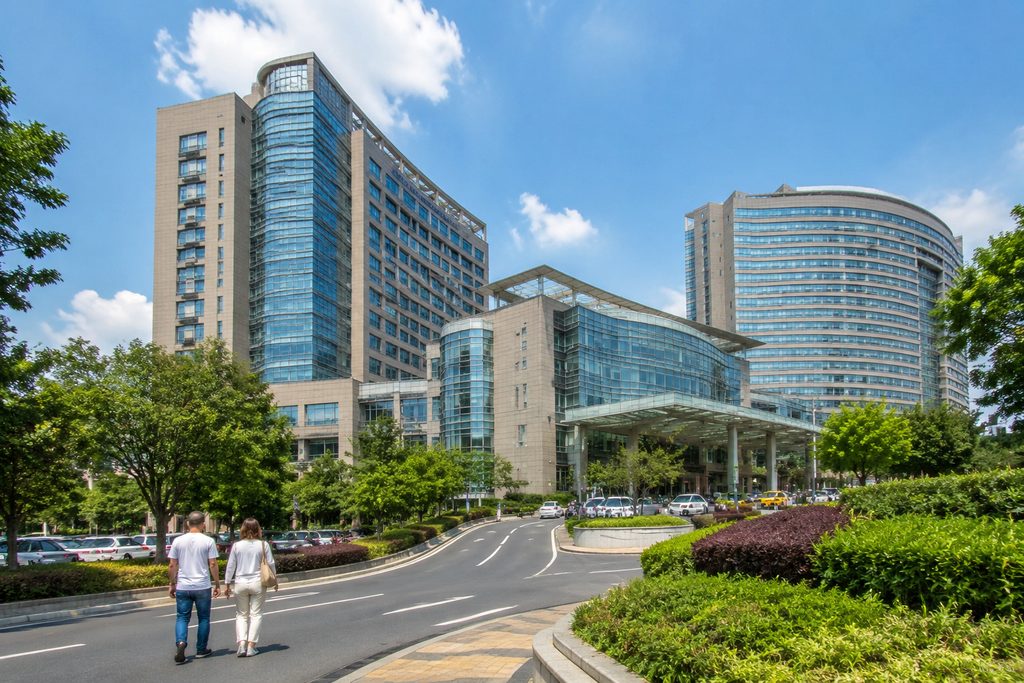
While a patient in the United States can wait weeks for a diagnostic cardiac catheterization and face a bill exceeding $30,000 for a straightforward stent, the cardiac team at the First Affiliated Hospital of Zhejiang University performs thousands of complex interventions annually at a fraction of that cost. The contrast is stark. For international patients weighing cardiology care in China, First Affiliated Hospital Zhejiang University cardiology international patients represents a specific, researchable pathway — but one that requires clear-eyed planning, not just optimism.
This guide explains what the hospital actually offers, what it costs, how the process works from abroad, and where things can go wrong. No marketing gloss. Just the operational reality our team works with every day.
How This Actually Works, Step by Step
You cannot simply email the hospital and book a bypass surgery. Chinese public hospitals operate on a face-to-face consultation model. Here is the real sequence for an international cardiac patient:
Step 1: You send us your existing records. This means echocardiogram reports, coronary angiogram images (DICOM files preferred), stress test results, blood work, and a summary letter from your current cardiologist. If records are not in English or Chinese, they need certified translation. This step alone often takes 3–7 days.
Step 2: A Chinese cardiac specialist reviews the file. Through the hospital’s international department or our coordination channels, a cardiologist or cardiac surgeon assesses whether your case is appropriate for treatment in Hangzhou. Not every case is. Some arrhythmias, for example, may be better managed elsewhere. This written review costs $300–500 and takes 5–10 working days.
Step 3: Video consultation. You speak directly with the reviewing physician. This is where you ask about surgical approach, stent type, valve choice, recovery expectations. The consultation costs $100–800 depending on the specialist’s seniority. It typically happens 1–2 weeks after the written review.
Step 4: If both sides agree to proceed, we coordinate the in-person visit. You apply for an S2 visa with an invitation letter and medical documents from the hospital. Visa processing takes 1–4 weeks depending on your home country. Meanwhile, we schedule the outpatient consultation, which is mandatory before any surgery is booked.
Step 5: You arrive in Hangzhou. A bilingual companion meets you at the airport, takes you to the hospital, and handles registration, payment, and translation during the face-to-face consultation. The specialist examines you in person and orders any missing tests. Only after this outpatient visit can a surgery date be set.
Step 6: Admission and treatment. Depending on the procedure, you may be admitted within days or weeks. Post-operative recovery in China for cardiac surgery typically means 7–14 days in hospital, then 1–2 weeks in a nearby hotel before flying home.
That is the honest sequence. Anyone promising a fixed surgery date before you have set foot in the hospital is not being truthful about how Chinese public hospitals work.
What the First Affiliated Hospital of Zhejiang University Actually Offers in Cardiology
The First Affiliated Hospital of Zhejiang University (FAHZU) is one of the largest and most research-intensive medical centers in eastern China. Its cardiovascular division handles coronary artery disease, structural heart disease, arrhythmias, and heart failure. The hospital is a major referral center for Zhejiang province — a region of over 65 million people — and sees a high volume of complex cases that smaller centers cannot manage.
For international patients, the relevant question is not whether the hospital is competent. It is. The question is how you access that competence. Public hospital outpatient clinics in China serve thousands of patients daily. Without Chinese language ability and local navigation skills, you will struggle to even register, let alone interpret a treatment plan. That is where the international department and bilingual coordination become essential.
What can FAHZU cardiology realistically handle for foreign patients?
- Diagnostic coronary angiography — the standard first step for suspected coronary artery disease
- Percutaneous coronary intervention (PCI/stenting) — including drug-eluting stents and complex multi-vessel cases
- Coronary artery bypass grafting (CABG) — both on-pump and off-pump techniques
- Heart valve repair and replacement — including minimally invasive and transcatheter approaches (TAVR) in selected patients
- Electrophysiology studies and catheter ablation — for atrial fibrillation, supraventricular tachycardia, and other arrhythmias
- Pacemaker and ICD implantation
- Adult congenital heart disease interventions
The hospital publishes outcome data in peer-reviewed journals, and its cardiac surgery volume ranks among the highest in the region. But we do not quote specific success rates here because they vary by procedure, patient age, and comorbidities. What we can say: this is a high-volume, academically rigorous center, not a boutique clinic. That has implications for both quality and the patient experience.
Heart Bypass Surgery Cost China for Foreigners: Real Numbers
The cost question drives most international inquiries. Let us address it directly.
| Procedure | Estimated Cost at FAHZU (International/VIP Channel) | Typical US Cash Price |
|---|---|---|
| Diagnostic coronary angiogram | $2,500–5,000 | $15,000–35,000 |
| PCI with one drug-eluting stent | $8,000–15,000 | $35,000–60,000 |
| Coronary artery bypass graft (CABG) | $18,000–30,000 | $120,000–250,000 |
| Aortic valve replacement (surgical) | $20,000–35,000 | $150,000–300,000 |
| TAVR (transcatheter aortic valve replacement) | $40,000–60,000 | $180,000–350,000 |
| Catheter ablation for atrial fibrillation | $10,000–18,000 | $40,000–90,000 |
These are ranges, not quotes. Actual heart bypass surgery cost China for foreigners depends on the number of grafts, whether you use the international department or standard public pricing, length of ICU stay, and any complications. The international/VIP channel typically costs 1.5 to 2 times the standard public rate — but it includes English-speaking coordination, shorter waits for consultations, and often a private or semi-private room.
Even at the higher end, the arithmetic is compelling. A CABG that costs $25,000 in Hangzhou would cost $150,000 or more in many US hospitals. That is a 5–6x difference. For uninsured or underinsured patients, that gap is the difference between treatment and financial catastrophe.
But do not book a flight based on these numbers alone. Get a written cost estimate after the remote review. And understand that complications, extended ICU stays, or additional procedures will increase the final bill.
A Realistic Timeline
International cardiac care at FAHZU does not happen in a week. Here is what a typical timeline looks like, assuming no major delays:
| Stage | What Happens | Duration |
|---|---|---|
| Week 1–2 | Collect and translate medical records; submit for remote review | 7–14 days |
| Week 2–4 | Written second opinion from FAHZU cardiology specialist | 5–10 working days after submission |
| Week 3–5 | Video consultation with the reviewing physician | 1–2 weeks after written opinion |
| Week 4–8 | S2 visa application with hospital invitation letter | 1–4 weeks depending on embassy |
| Week 8–10 | Travel to Hangzhou; outpatient face-to-face consultation | 1–3 days after arrival |
| Week 10–12 | Pre-operative testing; surgery scheduling | 3–14 days after consultation |
| Week 12–14 | Surgery and in-hospital recovery | 7–14 days post-op |
| Week 14–16 | Local recovery in hotel; follow-up visit; clearance to fly | 7–14 days after discharge |
Total: roughly 3–4 months from first contact to flying home. That is the honest range. Some patients move faster — a straightforward PCI might compress the timeline to 6–8 weeks. Complex valve surgery with complications could stretch to 5 months.
The steps people forget: document translation (a week), getting an appointment with the right specialist (not just any cardiologist, but the one who handles your specific condition), and the mandatory outpatient visit before any surgery is scheduled. You cannot skip that last one. It is a hospital rule, not a bureaucratic annoyance.
What Can Go Wrong — and What Happens Then
We would rather tell you now than have you discover it in Hangzhou.
The specialist reviews your file and says no. This happens. Maybe your case is too high-risk for a hospital that cannot easily coordinate with your home cardiologist. Maybe the procedure you need is not offered through the international channel. The recourse: you get a clear explanation, and we help you identify an alternative hospital in China or reconsider treatment at home. The written second opinion fee is not refunded — it paid for real medical work.
Your visa is delayed or denied. S2 visa approval is not guaranteed. Consulates require a credible hospital invitation letter and proof of funds. If denied, you can reapply with additional documentation, or we can arrange a video consultation instead so you at least get the medical advice. But surgery in China requires you to be physically present. No visa, no surgery.
The in-person consultation changes the plan. The remote review is based on your existing records. The specialist in Hangzhou may order new tests — a fresh angiogram, a CT, additional blood work — that reveal something different. The surgical plan may change. The cost estimate may change. This is not bait-and-switch; it is medicine. You have the right to refuse any additional procedure and walk away.
Complications after surgery. Every cardiac procedure carries risk — bleeding, infection, arrhythmia, stroke. FAHZU has ICU capacity and experienced intensivists. But if you require prolonged critical care, your costs rise and your return home is delayed. Travel insurance that covers medical complications abroad is non-negotiable. We do not sell insurance, but we will tell you to buy it.
You arrive and realize you cannot navigate alone. Some patients try to save money by skipping bilingual support. They spend hours lost in corridors, misunderstand medication instructions, and sign consent forms they do not understand. The fix is simple: hire a bilingual medical companion from day one. It costs from $300 per day and is the single highest-value expense in the entire trip.
Is Heart Valve Replacement Safe in China? What the Data Says
The short answer: at high-volume academic centers like FAHZU, surgical outcomes for valve replacement are comparable to international benchmarks. But “safe” is a statistical concept, not a guarantee.
China’s top cardiac centers publish extensively in international journals. FAHZU’s cardiovascular surgery department performs hundreds of valve procedures annually — a volume that correlates with better outcomes in cardiac surgery worldwide. The hospital uses the same prosthetic valves available in Western markets: mechanical valves, bioprosthetic valves, and transcatheter systems for appropriate patients.
What makes the question “is heart valve replacement safe in China” difficult to answer cleanly is variation. A valve replacement at a top-50 Chinese hospital is very different from one at a small provincial facility. The safety margin comes from choosing a high-volume center with an established international patient pathway — not from the country itself.
Specific risks to discuss with the surgeon during your video consultation:
- Anticoagulation management after mechanical valve replacement — who monitors your INR when you return home?
- Valve choice — mechanical vs. bioprosthetic — and how your age and lifestyle affect that decision
- Post-operative echocardiography follow-up — will your home cardiologist accept Chinese imaging reports?
- Endocarditis prophylaxis and long-term complication rates for the specific valve model proposed
These are the questions that separate a good international patient from a naive one. Ask them. A competent surgeon will welcome the discussion.
Best Cardiology Hospital in Hangzhou for Expats: How to Choose
Hangzhou has several hospitals with cardiac capabilities. FAHZU is the most prominent, but it is not the only option. The best cardiology hospital in Hangzhou for expats depends on what you need.
If you live in Hangzhou and need a routine cardiac check-up, a private international clinic like United Family or a hospital with a dedicated international department may serve you better — English-speaking staff, insurance direct billing, shorter waits. If you need complex surgery — a multi-vessel bypass, a redo valve replacement, a difficult ablation — then FAHZU’s volume and academic depth matter more than bedside manner.
Our honest advice: for diagnostic work and chronic management, start with the international department of a major public hospital or a JCI-accredited private facility. For surgery, go to the highest-volume center you can access, even if the experience is more bureaucratic. The surgeon’s hands matter more than the waiting room’s ambiance.
You can browse our cardiology department rankings to see how Hangzhou hospitals compare across China’s top-tier institutions. And for a broader view of medical care in Hangzhou, our city guide covers logistics, accommodation, and practical tips for foreign patients.
How to Book Cardiac Surgery at Zhejiang University Hospital: The Practical Path
There is no online booking portal for international cardiac surgery at FAHZU. The process is human-mediated, and it starts with your records.
Here is how to book cardiac surgery at Zhejiang University hospital without wasting months:
First, get a written second opinion. Send your complete cardiac file — angiogram images, echo reports, medication list, and a summary from your current cardiologist. A FAHZU specialist reviews it and tells you whether surgery is indicated and feasible in Hangzhou. This costs $300–500 and takes about a week. It is the cheapest way to find out if this hospital is even the right destination for you.
Second, do a video consultation. If the written review is positive, speak with the physician directly. Ask about surgical approach, expected recovery, and total cost. This $100–800 conversation can save you from flying 8,000 miles for a surgery that does not match your expectations.
Third, plan the in-person visit. With a positive video consultation, we coordinate your S2 visa application, outpatient appointment, and on-the-ground logistics. The outpatient visit is mandatory. The surgery is scheduled only after the specialist examines you in person.
Any service promising to “book surgery” before you have had a face-to-face consultation is misrepresenting how Chinese public hospitals operate. Do not pay for that promise.
Cardiology Medical Tourism Package China Price: What You Are Actually Paying For
Some agencies market “cardiology medical tourism package China price” as if it were a hotel booking. It is not. What you are actually paying for breaks down into distinct components:
| Component | Typical Range | Notes |
|---|---|---|
| Written second opinion | $300–500 | For reference only; not a prescription |
| Video consultation with specialist | $100–800 | Varies by seniority |
| Hospital treatment costs | $8,000–60,000+ | Depends on procedure and channel |
| Bilingual medical companion | from $300/day | Half-day or full-day |
| Airport transfer | $200 round-trip | Optional but recommended |
Acc
Frequently Asked QuestionsYes. The hospitals used for international patients are JCI-accredited and follow the same international safety standards as top hospitals in the US and Europe. Surgical teams perform high volumes of procedures — often more than their Western counterparts — which studies show leads to better outcomes. How much does medical treatment cost in China?
Costs vary by procedure and hospital, but international patients typically save 40-80% compared to US prices — even when factoring in travel and accommodation. A consultation with our team will give you an exact, all-inclusive quote with no hidden fees. How do I start the process?
Send us your existing medical reports to get started. We handle everything from hospital selection and appointment scheduling to visa assistance and post-operative recovery planning. Your medical records are reviewed by the specialist before you even book a flight. For more medical information and treatment options in China, visit chinamedservices.com (China Medical Services). |
