First Affiliated Hospital of Zhejiang University Nephrology: A Guide for International Patients
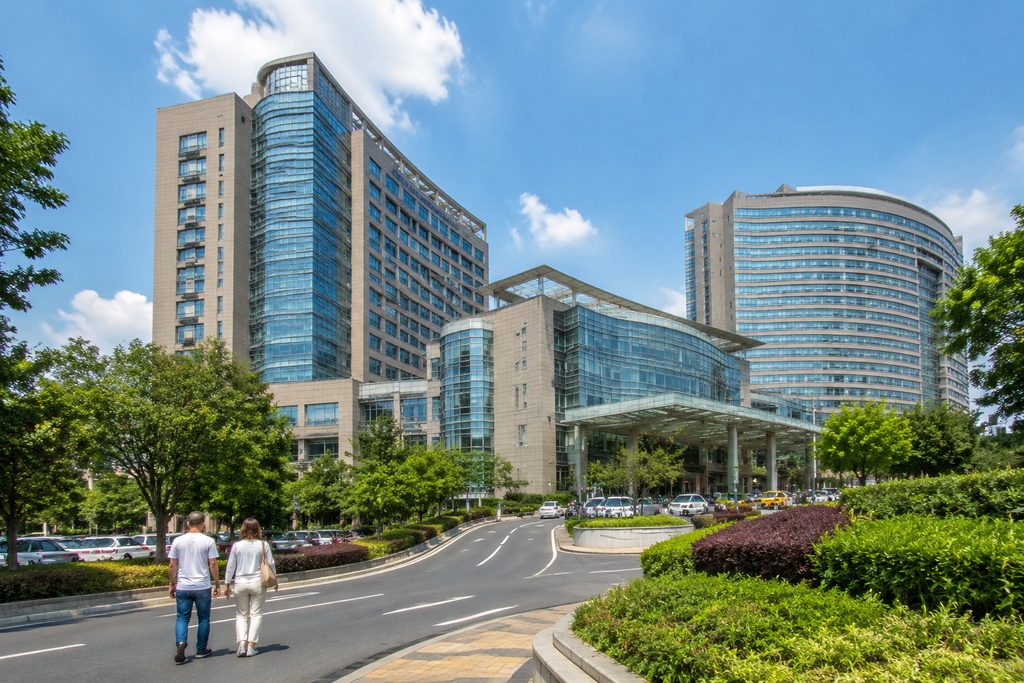
Nephrology at First Affiliated Hospital Zhejiang University: The Short Answer
You’ve probably heard that getting specialized medical care in China means navigating chaos without language support. The reality at the First Affiliated Hospital of Zhejiang University (FAHZU) is more nuanced. This is one of China’s most respected academic medical centers, with a nephrology department that handles complex kidney disease cases from across Asia. But for international patients, the practical question isn’t just clinical quality. It’s access, cost, and process. The nephrology treatment cost First Affiliated Hospital Zhejiang University patients typically encounter runs significantly lower than Western equivalents—often 50-70% less for comparable diagnostic workups and chronic disease management, though exact figures depend on your condition and whether you use the international VIP channel or the standard public pathway.
What complicates a simple answer: FAHZU is a public hospital first. That means walk-in outpatient visits operate on a same-day queue system. You cannot simply email the nephrology department from abroad and book a slot weeks in advance through the standard channel. The international medical center exists precisely to solve this, but it changes the cost structure.
Who This Is Right For — and Who It Isn’t
FAHZU nephrology makes sense for a specific profile of international patient. Understanding whether you fit that profile saves you time, money, and frustration.
Typically a good candidate:
- You have a confirmed or suspected chronic kidney disease (CKD) diagnosis and want a comprehensive second opinion from a high-volume academic center.
- You’re already in China—for work, study, or family—and need ongoing nephrology management without flying home.
- You need advanced diagnostics like kidney biopsy interpretation, genetic testing for glomerular disease, or complex electrolyte workup.
- You’re exploring treatment options for IgA nephropathy, lupus nephritis, diabetic kidney disease, or membranous nephropathy and want exposure to protocols used in a population with high CKD prevalence.
- Cost is a genuine factor in your decision, and you’re willing to trade some Western-style conveniences for substantial savings.
Who should not pursue this:
- Patients seeking solid organ transplantation. Organ transplantation in China for foreign nationals is not a straightforward service you can book. Do not travel expecting a transplant evaluation to lead to a donor organ.
- Patients in acute renal failure needing emergency dialysis. If you’re unstable, get stabilized locally first. Medical evacuation is not the same as planned care.
- Anyone unwilling to use a bilingual coordinator or companion. FAHZU’s public-facing systems operate in Mandarin. The international center helps, but gaps remain.
- Patients expecting Western-style appointment scheduling, email communication with doctors, or guaranteed specialist selection through public channels.
Being honest about who shouldn’t come is what makes the rest of this guide useful.
The Options, Compared
If you’re considering FAHZU for kidney care, you’re really choosing between three access routes. Each has different cost implications, language support, and flexibility. Here’s how they actually compare for nephrology patients.
| Access Route | Typical Nephrology Consultation Fee | Language Support | Advance Booking | Best For |
|---|---|---|---|---|
| Standard Public Outpatient | $15–40 per visit | Minimal (Mandarin only) | No — same-day queue | Mandarin-speaking patients already in Hangzhou |
| International Medical Center (VIP) | $150–400 per specialist visit | English-speaking coordinators | Yes, via coordinator | International patients needing scheduled access |
| Remote Written Second Opinion | $300–500 per review | Full translation service | Yes, submit records online | Patients abroad deciding whether to travel |
| Video Consultation with Nephrology Team | $500–800 per session | Interpreter included | Yes, within 1–2 weeks | Patients wanting direct dialogue before committing to travel |
Which column fits you? If you’re already living in China and speak some Mandarin, the public route works and costs almost nothing. If you’re flying in specifically for nephrology expertise, the international medical center is the practical choice—unless you’re still deciding whether the trip is worth it, in which case a remote written second opinion or video consultation makes more sense than booking a flight.
What Makes FAHZU Nephrology Different for International Patients
Here’s the thing most hospital guides won’t tell you. FAHZU’s nephrology strength isn’t just in its reputation. It’s in volume and pathology exposure. The department at the First Affiliated Hospital of Zhejiang University manages one of the largest kidney biopsy programs in eastern China. That matters because kidney disease diagnosis depends heavily on pattern recognition in biopsy tissue. A pathologist who sees thousands of glomerular disease cases annually develops an eye for atypical presentations that a lower-volume center might miss.
For international patients asking “is Zhejiang University hospital good for kidney disease treatment,” the evidence points to yes for specific conditions. The hospital consistently ranks in the top tier of Chinese hospital rankings published by Fudan University’s hospital management institute, and its nephrology program is a designated national clinical research center for kidney disease. That’s not marketing language—it’s a government designation tied to research output and clinical trial volume.
But here’s what that doesn’t mean. It doesn’t mean every international patient will get the same experience as a Chinese patient with connections. It doesn’t mean you’ll see the most famous professor on your first visit. And it doesn’t mean the process will feel familiar if you’re used to American or European hospital systems. The clinical quality is real. The operational friction is also real.
Nephrology Treatment Cost First Affiliated Hospital Zhejiang University: What to Actually Expect
Let’s talk numbers, because cost is the reason most international patients look at China in the first place. The nephrology treatment cost First Affiliated Hospital Zhejiang University charges varies enormously by what you need. A one-time consultation is cheap. A full diagnostic workup with biopsy is moderate. Ongoing dialysis or complex immunosuppression management adds up over time.
Here’s a realistic breakdown based on international medical center pricing and typical public hospital charges:
| Service | Estimated Cost (USD) | Notes |
|---|---|---|
| Initial nephrology consultation (international center) | $150–400 | Includes coordinator support and basic interpretation |
| Comprehensive blood and urine panel for CKD | $80–200 | Full renal function, electrolytes, autoimmune markers |
| Kidney ultrasound | $40–100 | Standard imaging, same-day results |
| Percutaneous kidney biopsy (including pathology) | $1,500–3,500 | Varies by hospital tier and pathology complexity |
| Written second opinion from nephrology specialist | $300–500 | Remote review of your existing records |
| Video consultation with nephrology team | $500–800 | Live discussion, interpreter included |
| Monthly immunosuppression management (medication only) | $200–800 | Depends on drug regimen; generics widely available |
What drives the variance? Three things. First, whether you use the international center or the public channel. Second, whether your case requires biopsy—that’s the single biggest one-time expense for most nephrology patients. Third, medication costs, which depend entirely on your regimen. Generic immunosuppressants in China are dramatically cheaper than brand-name equivalents in the US or Europe. But some newer biologics may not be available or may cost comparable amounts.
What’s not included in these figures: travel, accommodation in Hangzhou, visa fees, and any bilingual companion services you arrange. Budget $100–200 per day for a comfortable hotel near the hospital, plus $300 per day if you want a bilingual medical companion to handle registration, queueing, and translation.
Practical Considerations: Records, Visa, Payment, and Follow-Up
Getting nephrology care at FAHZU as an international patient requires more preparation than booking a flight. Here’s what actually matters.
Medical records. Bring everything. All prior blood work, urine studies, biopsy reports, imaging, and medication lists. Ideally translated into Chinese or English—the international center can help with translation, but having clean originals speeds everything up. If you’re pursuing a remote second opinion first, you’ll submit these electronically. The more complete your records, the more useful the nephrologist’s assessment will be.
Visa. For medical treatment in China, you’ll apply for an S2 visa with supporting documentation from the hospital—typically an invitation letter or treatment confirmation from the international medical center. Family members accompanying you also apply for S2 visas. Processing times vary by country. Do not book non-refundable flights until your visa is approved. The hospital cannot guarantee visa approval, but a legitimate treatment invitation strengthens your application.
Payment. Public Chinese hospitals operate on a prepayment model. You deposit funds at registration, and services draw down from that balance. The international center may accept international credit cards, but the public hospital system often requires UnionPay, WeChat Pay, or Alipay. Bring multiple payment methods. Insurance is typically reimbursement-based—you pay upfront and file claims afterward. Private international hospitals in China offer direct billing, but FAHZU’s public structure generally does not.
Language. The international medical center has English-speaking staff, but the nephrology department itself operates in Mandarin. Your consultation will include an interpreter—either hospital-provided or one you hire independently. Diagnostic departments like ultrasound and pathology may have limited English signage. Expect to rely on your coordinator or companion throughout the visit.
Follow-up after returning home. This is where many international patients stumble. Nephrology is a longitudinal specialty. One visit rarely resolves anything. You’ll need ongoing monitoring—blood work every 3–6 months, medication adjustments, possibly repeat imaging. Before you leave FAHZU, get a written treatment plan in English, including medication names (both generic and Chinese brand names), target lab values, and red flags that should trigger immediate local care. Ask whether the nephrologist is willing to do follow-up video consultations. Many are, especially through the international center’s coordination service.
Frequently Asked Questions
You cannot book directly with the nephrology department from abroad through the public system. The practical route is through the hospital’s international medical center or a coordination service that works with it. Expect to provide medical records first, then receive a consultation date. Walk-in appointments at the public outpatient clinic are possible but require same-day queueing in Mandarin and offer no guarantee of seeing a senior specialist.
This is the question we get most often, and the answer is uncomfortable. Solid organ transplantation for foreign nationals in China is not a service you can arrange as a medical tourist. There is no published price list, no booking channel, and no legitimate pathway for a foreigner to fly in and receive a donor kidney. Anyone offering you a “kidney transplant package” is not operating through legal channels. If you need transplant evaluation, focus on getting a nephrology assessment first—that’s a legitimate service FAHZU can provide. The transplant itself is a different matter entirely.
Naming a single “best” nephrologist is misleading. FAHZU has multiple senior nephrologists with different subspecialties—some focus on glomerular disease, others on diabetic nephropathy or dialysis access. The right specialist for you depends on your diagnosis. Through the international medical center, you can request a specialist whose expertise matches your condition, but specific doctor selection is not guaranteed. What you can expect is access to the department’s senior team, not a particular celebrity physician.
Not in the way some medical tourism agencies market it. No legitimate Chinese hospital sells a “CKD treatment package” that includes diagnosis, treatment, and follow-up for a flat fee. What you can arrange is a structured evaluation: consultation, diagnostic workup, treatment plan, and follow-up consultations—each billed separately. Some coordination services bundle logistics (airport pickup, accommodation, companion, appointment scheduling) into a package, but medical fees remain separate and hospital-billed. Be wary of any offer that packages medical treatment and non-medical services into a single price. That’s a red flag.
Then you’ve spent money on information. A second opinion that disagrees with your local doctor is still valuable—it clarifies your options. If you travel to Hangzhou and the nephrologist recommends a treatment you can’t access at home, you’ll need to decide whether to pursue it in China or return with the recommendation. There’s no refund for consultations, and treatment outcomes are never guaranteed. What you’re buying is expert assessment and a clearer path forward, not certainty.
Your Next Step
The First Affiliated Hospital of Zhejiang University offers genuine nephrology expertise at costs that undercut Western hospitals significantly. But accessing it requires navigating a system built for Chinese patients, not international ones. That’s where a coordination partner helps. China Medical Services maintains relationships with top-tier hospitals across China, including FAHZU, and we help international patients arrange remote second opinions, video consultations, and in-person visits. We’re not a hospital, we don’t diagnose or treat, and we don’t promise outcomes. We handle the logistics—records, scheduling, translation, on-the-ground support—so you can focus on the medical decisions. If you’re considering nephrology care in Hangzhou, start with a conversation. Request a free consultation and we’ll help you figure out whether FAHZU is the right fit for your situation.
Kidney disease demands good information and careful decisions. Getting both is possible—you just need the right bridge.
For more medical information and treatment options in China, visit chinamedservices.com (China Medical Services).
