Guangdong Provincial People’s Hospital Nephrology: A Guide for International Kidney Patients
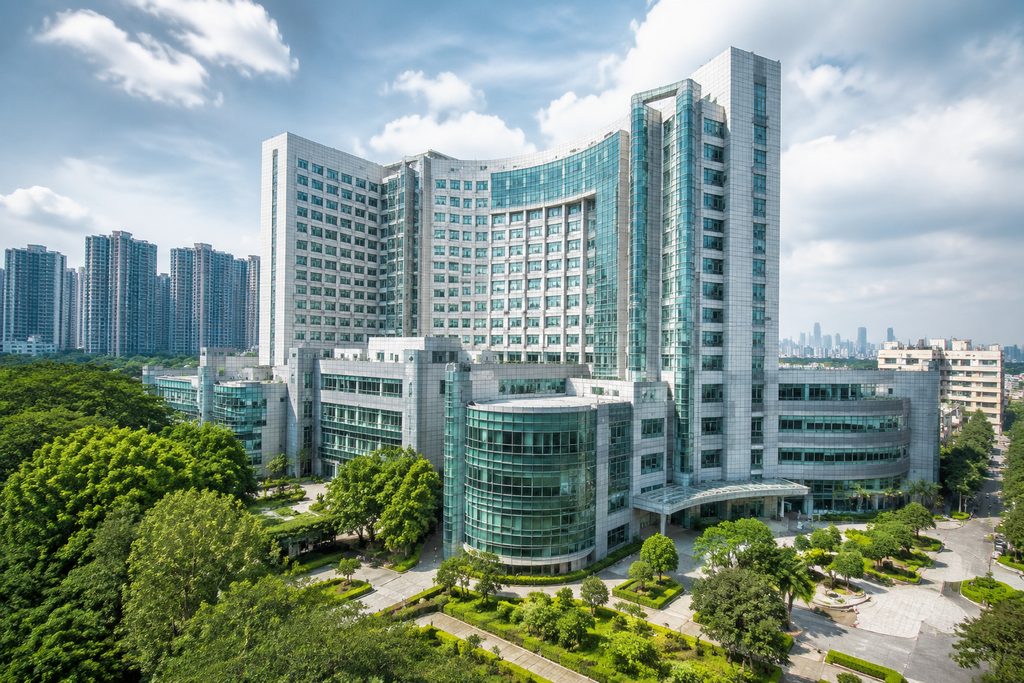
While a patient in the United States can wait 3 to 5 years for a deceased-donor kidney transplant, Guangdong Provincial People’s Hospital (GDPH) operates one of the highest-volume nephrology departments in southern China, managing over 200,000 outpatient visits annually across its renal divisions. The contrast is stark. It raises an obvious question: what does it actually take for a foreigner to access that system?
The answer involves more than booking a flight. Public hospital registration in China does not work like scheduling an appointment on Zocdoc. You cannot simply call from overseas and reserve a Wednesday slot with a named professor. The system is built for volume, not for convenience. That is precisely where the nephrology consultation cost Guangdong Provincial People’s Hospital becomes a question of channel, not just price. There is the standard public route, which is cheap but nearly impossible to navigate without Mandarin. And there is the international or VIP route, which is more expensive but structured for patients who need coordination, translation, and predictable scheduling.
This guide explains both paths. You will learn what the department offers, what kidney care realistically costs, how to book a nephrology appointment at Guangdong Provincial Hospital, and what to prepare before you go.
Key Takeaways
- GDPH’s nephrology division ranks among the top kidney programs in southern China, with dedicated wards for glomerular disease, dialysis, and transplant follow-up.
- International patients typically access care through the hospital’s international department or VIP channel, with consultation fees ranging from $100 to $300.
- China performs more kidney transplants annually than any country except the United States, but foreign nationals face strict legal and medical eligibility requirements.
- You will need a complete medical record in English, ideally translated into Chinese, before any meaningful remote consultation can occur.
The Problem: Kidney Disease Is a Silent, Expensive Crisis
Chronic kidney disease (CKD) affects approximately 1 in 7 American adults — roughly 35.5 million people. Most do not know they have it until stage 3 or later. By then, the conversation shifts from prevention to management: dialysis, transplant evaluation, or both.
The financial burden in Western systems is punishing. In the United States, a single year of in-center hemodialysis costs Medicare over $90,000 per patient. A kidney transplant, including the first year of immunosuppression, runs between $400,000 and $600,000. Even with insurance, out-of-pocket costs for medications, travel, and lost income routinely exceed $10,000 annually.
Wait times compound the problem. In Canada, the median wait for a deceased-donor kidney transplant is roughly 4 years. In Australia, it is 3 to 5 years depending on blood type. Patients on dialysis during those years face a 5-year survival rate of approximately 45%, worse than many stage 3 cancers.
So patients look elsewhere. Some consider living donation abroad. Others seek faster diagnostic workups or second opinions on complex glomerular diseases. A growing number look to China, where high-volume nephrology centers like Guangdong Provincial People’s Hospital offer advanced diagnostics at a fraction of Western prices.
Why Guangdong Provincial People’s Hospital Delivers Results
Clinical Volume That Creates Diagnostic Confidence
GDPH is one of the largest general hospitals in Guangdong province, with over 3,000 beds and a daily outpatient volume that exceeds 10,000 visits. Its nephrology department is not a small unit tucked inside internal medicine. It is a full division with subspecialty wards for IgA nephropathy, lupus nephritis, diabetic kidney disease, and peritoneal dialysis.
Volume matters in nephrology. A pathologist who reads 50 kidney biopsies a week sees patterns that a generalist reading 5 a week will miss. The same holds for clinicians managing rare glomerular diseases. Chinese nephrologists at top centers routinely manage patient panels that would be considered unsustainable in Western academic medicine — and that repetition builds pattern recognition.
Diagnostic Speed at Scale
In many Western systems, getting a kidney biopsy scheduled and read takes 4 to 8 weeks. At a high-volume Chinese hospital, that same process can be completed in under a week. The reason is structural: hospitals like GDPH run their own pathology labs on-site, often with same-day processing for urgent cases.
That does not mean you should fly to Guangzhou for a biopsy without prior coordination. It means that once you are in the system, the diagnostic pipeline moves quickly. For international patients, this is the core appeal: compressed timelines for second opinions and treatment planning.
Cost Advantage Without Quality Compromise
The nephrology consultation cost Guangdong Provincial People’s Hospital international patients pay is a fraction of what a comparable academic nephrology consult costs in the United States. A standard outpatient specialist consultation in the US runs $250 to $500 without insurance, and often more at academic centers. At GDPH, an international department consultation typically ranges from $100 to $300. A written second opinion from a senior nephrologist costs $300 to $500 through coordination services.
The lower cost is not a marker of lower quality. It reflects structural economics: lower physician salaries, higher patient throughput, and state-subsidized hospital infrastructure. Clinical outcomes for common nephrology procedures — dialysis access placement, biopsy, immunosuppression management — are comparable to Western benchmarks at top Chinese centers.
How to Book a Nephrology Appointment at Guangdong Provincial Hospital as a Foreigner
The booking process is the single biggest hurdle for international patients. Here is what actually happens.
Public hospital registration in China operates through a real-name system. You need a Chinese phone number, a hospital medical card, and typically a local payment method. You cannot complete this from overseas without help. The public outpatient queue for a senior nephrologist can involve waiting at the hospital at 6:00 AM for a same-day number, then waiting hours to see the doctor for 5 to 10 minutes.
For international patients, the realistic path is the hospital’s international department or VIP clinic. These channels offer English-speaking coordination, scheduled appointments, and longer consultation times. The trade-off is cost: international department consultations typically run 1.5 to 2 times the standard public fee.
How to book a nephrology appointment at Guangdong Provincial Hospital through this channel? You have two options. One is to contact the hospital’s international department directly — most have email and WeChat contact points, though response times vary. The other is to use a coordination service that handles medical record translation, appointment scheduling, and on-the-ground support. The latter is often faster and less frustrating, but it adds a service fee on top of hospital charges.
Practical tip: Before you contact anyone, gather your complete medical record: recent lab results (creatinine, eGFR, urine protein), any biopsy reports, imaging studies, and a current medication list. A nephrologist cannot give a meaningful opinion without these. Incomplete records are the number one reason international consultations get delayed or declined.
What Kidney Care Actually Costs in Guangdong: A Real Comparison
Let us put numbers on the table. These are ranges based on published hospital pricing and coordination service fees. They vary by hospital and case complexity — but they give you a realistic frame.
| Service | Guangdong Provincial People’s Hospital (International/VIP) | United States (Academic Center, Uninsured) |
|---|---|---|
| Outpatient nephrology consultation | $100 – $300 | $250 – $500 |
| Written second opinion (senior specialist) | $300 – $500 | $500 – $1,500 |
| Kidney biopsy (procedure + pathology) | $1,500 – $3,000 | $5,000 – $10,000 |
| One year of hemodialysis (in-center) | $15,000 – $25,000 | $90,000+ (Medicare average) |
| Kidney transplant (first year, including immunosuppression) | $60,000 – $100,000 | $400,000 – $600,000 |
The transplant figures deserve careful attention. Is kidney transplant safe in China? The short answer is that surgical outcomes at top Chinese transplant centers are comparable to Western benchmarks, with 1-year graft survival rates above 95% in published series. The longer answer is more complicated.
China has strict regulations governing organ transplantation. The system operates on a national allocation framework, and foreign nationals are generally not eligible for deceased-donor organs. Living donor transplantation is possible in limited circumstances, typically involving a legally documented family relationship. Any service that promises guaranteed access to a donor organ for a foreign patient is making a claim that violates both Chinese law and basic medical ethics. Run away from that.
Is Kidney Transplant Safe in China? What the Data and Rules Say
The question deserves a direct answer. Is kidney transplant safe in China? At accredited transplant centers — and GDPH is one of them — the surgical and immunological protocols follow international standards. Chinese transplant surgeons perform thousands of kidney transplants annually, and the country’s total volume is second only to the United States.
But safety is not just about surgical technique. It is about donor source verification, immunosuppression management, and long-term follow-up. China has worked to reform its transplant system over the past decade, moving toward a centralized allocation system and stricter oversight. The World Health Organization has acknowledged progress, though concerns about transparency in donor sourcing persist in some international reports.
For a foreign patient considering transplant in China, the realistic path is narrow. You would need a living donor who is a legal relative, comprehensive pre-transplant evaluation, and a clear plan for post-transplant immunosuppression management — either in China or in your home country. This is not a decision made over email. It requires in-person evaluation and honest conversations with the transplant team.
Practical Considerations: Records, Visas, and Payment for Kidney Patients
If you decide to pursue care at Guangdong Provincial People’s Hospital, here is what you need to handle before you travel.
Medical records and translation. Your records must be complete and ideally translated into Chinese. Hospital international departments often have staff who can read English, but the nephrologist reviewing your case may not. A professional medical translation of your key documents — lab reports, biopsy results, discharge summaries — costs $50 to $150 per document and is worth every dollar.
Visa category. For medical treatment in China, the applicable short-stay visa is the S2 visa, which covers private affairs including medical treatment. The M visa is for commercial and trade activities and is not appropriate for medical travel. Your accompanying family member also applies for an S2. You will need a supporting letter from the hospital confirming your appointment or treatment plan. Visa requirements change, so check with the nearest Chinese embassy or consulate before applying.
Payment methods. Public hospitals in China require prepayment. International departments generally accept major credit cards, but standard outpatient and inpatient services may require cash, UnionPay, or local mobile payment. Budget for the full estimated cost upfront, plus a 20% buffer for unexpected charges. Insurance reimbursement is retrospective — you pay first, then file with your insurer. Private international hospitals in China offer direct billing, but GDPH is a public hospital and does not.
Language and interpretation. Even with an international department appointment, you will encounter Mandarin at registration desks, pharmacy counters, and during diagnostic tests. A bilingual companion who knows the hospital layout and can translate medical terminology is not a luxury — it is the difference between a 2-hour visit and a 6-hour ordeal.
Follow-up after returning home. Kidney disease is chronic. A single consultation or procedure in China is rarely the end of the story. You need a plan for ongoing management: a nephrologist at home who will accept the Chinese records, a medication continuation plan, and a clear communication channel back to the Chinese team if questions arise. Do not leave Guangzhou without written discharge summaries and test results in English.
Frequently Asked Questions
Technically, the hospital’s international department accepts direct inquiries by email or phone. In practice, response times are unpredictable, and the process of submitting records, securing a specific specialist, and confirming a time slot often requires follow-up in Chinese. Many patients find that a coordination service shortens the timeline from weeks to days. You can try the direct route first — just be prepared for friction.
The consultation fee covers the doctor’s time and the hospital’s international service overhead. It does not include diagnostic tests, medications, or any procedures recommended during the visit. Those are billed separately. If you use a coordination service, that fee is also separate and covers record translation, appointment scheduling, and on-site support — not the medical care itself.
For foreign nationals, the main barrier is not surgical safety but legal eligibility. Deceased-donor organs are allocated through a national system that prioritizes Chinese citizens. Living donation requires a legally documented family relationship. If you do not meet these criteria, no hospital in China can ethically or legally transplant you. Any service claiming otherwise is not legitimate.
For dialysis and conservative management, China is generally less expensive than Singapore or South Korea and comparable to Thailand or India. For transplant, China’s pricing is higher than India but lower than most European private systems. The real differentiator is diagnostic speed and specialist access at high-volume centers, which is harder to replicate in smaller medical tourism markets.
This happens. Some patients arrive expecting a quick consultation and are told they need inpatient admission for further workup. If that occurs, the hospital will guide the admission process, but you should be prepared for a longer stay and higher costs than planned. This is another reason to have a local coordinator who can help you adjust logistics — accommodation, visa extension if needed, and family communication — without starting from zero.
Your Next Step
Guangdong Provincial People’s Hospital offers genuine clinical depth in nephrology, and for international patients willing to navigate the system, the value is real. The barrier is not the medicine. It is the logistics: records, language, scheduling, and the unglamorous work of coordinating care across borders. That is what we do at China Medical Services. We are not a hospital and we do not provide diagnoses. We help you prepare your case, connect with the right department, and manage the ground-level details so you can focus on the medical conversation itself. If you are considering kidney care in Guangdong, start with a conversation — request a free consultation and we will tell you honestly whether this path makes sense for your situation.
For more medical information and treatment options in China, visit chinamedservices.com (China Medical Services).
