First Affiliated Hospital of Zhengzhou University: GI Care for International Patients
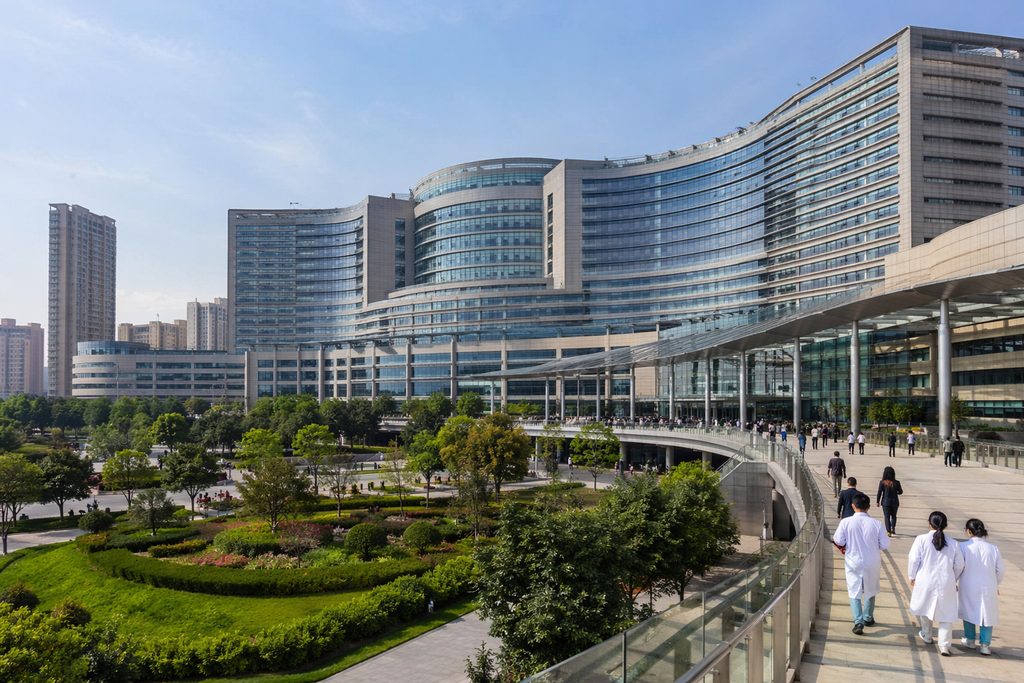
When 54-year-old Daniel from Manchester got his Crohn’s diagnosis, the wait for a specialist consultation at his local NHS trust stretched to 14 weeks. Frustrated, he started looking abroad. His search brought him to a name he’d never heard before: the First Affiliated Hospital of Zhengzhou University. Daniel is not alone. More Western patients are discovering that China’s top-tier public hospitals offer gastroenterology expertise at a fraction of Western costs. But the path from that first Google search to actually sitting in a Zhengzhou exam room is rarely obvious. This guide clears it up.
China Medical Services has spent years helping patients like Daniel navigate exactly this process. The First Affiliated Hospital of Zhengzhou University, often called “Zhengzhou University First Hospital” or simply “the First Affiliated,” is one of the largest hospitals in the world by bed count. Its gastroenterology department handles a patient volume that most Western clinicians would find staggering. That volume translates into something valuable: clinicians who have seen nearly every presentation of digestive disease.
For international patients, the hospital is not the hard part. The hard part is everything around it — records, language, scheduling, follow-up. We will walk through each piece honestly, including the parts that do not go smoothly.
How This Actually Works, Step by Step
You cannot simply email the hospital and book an endoscopy for next Tuesday. Chinese public hospitals operate on a same-day registration model for regular outpatient clinics. That means local patients line up at 6 a.m. for a number. As an international patient, you need a different route.
The realistic sequence looks like this:
1. You send your existing records. This means endoscopy reports, pathology slides, imaging (CT, MRI), blood work, and a summary of your current medications. Ideally in English or Chinese. If they are in another language, translation is needed before any Chinese specialist can meaningfully review them.
2. A gastroenterologist reviews the file. At this stage, you are not booking a procedure. You are getting a written assessment: Is your case appropriate for this hospital? What additional testing would they recommend? Is there a realistic treatment plan they can offer? This written second opinion typically costs between $300 and $500 through the hospital’s international department.
3. You decide on a video consultation. If the written review looks promising, a video call with the GI team follows. This costs $500 to $800 for a senior specialist. Here you discuss symptoms directly, ask questions, and hear their thinking. The call usually runs 30 to 45 minutes with a medical interpreter on the line.
4. You commit to in-person evaluation. No Chinese public hospital will schedule surgery or advanced intervention without an in-person visit. This is non-negotiable. You fly to Zhengzhou, attend the outpatient clinic through the international department, and the attending gastroenterologist orders whatever tests are needed.
5. Tests, then treatment. Endoscopy, colonoscopy, capsule endoscopy, or advanced imaging happen after the initial consultation. Results come fast — often within 24 to 48 hours. If a procedure or surgery is indicated, it is scheduled after this evaluation.
What the Gastroenterology Department Actually Offers
For procedural volume and technical skill, yes. Chinese GI endoscopists perform thousands of procedures annually, and the hospital’s equipment is modern. The cultural difference is in communication style — Chinese physicians tend to be more directive and less conversational than Western doctors. The medicine is strong; the bedside manner is different.
Complication rates for standard GI procedures at top Chinese hospitals are comparable to Western benchmarks. The First Affiliated has full intensive care capability and handles complications internally. You should still carry comprehensive medical travel insurance that covers complications and extended hospital stays.
Can I get a prescription
Frequently Asked Questions
Is it safe to have surgery in China?
Yes. The hospitals used for international patients are JCI-accredited and follow the same international safety standards as top hospitals in the US and Europe. Surgical teams perform high volumes of procedures — often more than their Western counterparts — which studies show leads to better outcomes.
How much does medical treatment cost in China?
Costs vary by procedure and hospital, but international patients typically save 40-80% compared to US prices — even when factoring in travel and accommodation. A consultation with our team will give you an exact, all-inclusive quote with no hidden fees.
How do I start the process?
Send us your existing medical reports to get started. We handle everything from hospital selection and appointment scheduling to visa assistance and post-operative recovery planning. Your medical records are reviewed by the specialist before you even book a flight.
Frequently Asked Questions
Yes. The hospitals used for international patients are JCI-accredited and follow the same international safety standards as top hospitals in the US and Europe. Surgical teams perform high volumes of procedures — often more than their Western counterparts — which studies show leads to better outcomes.
Costs vary by procedure and hospital, but international patients typically save 40-80% compared to US prices — even when factoring in travel and accommodation. A consultation with our team will give you an exact, all-inclusive quote with no hidden fees.
Send us your existing medical reports to get started. We handle everything from hospital selection and appointment scheduling to visa assistance and post-operative recovery planning. Your medical records are reviewed by the specialist before you even book a flight.
For more medical information and treatment options in China, visit chinamedservices.com (China Medical Services).
