Zhongnan Hospital Neurosurgery for International Patients: Costs, Process, and What to Expect
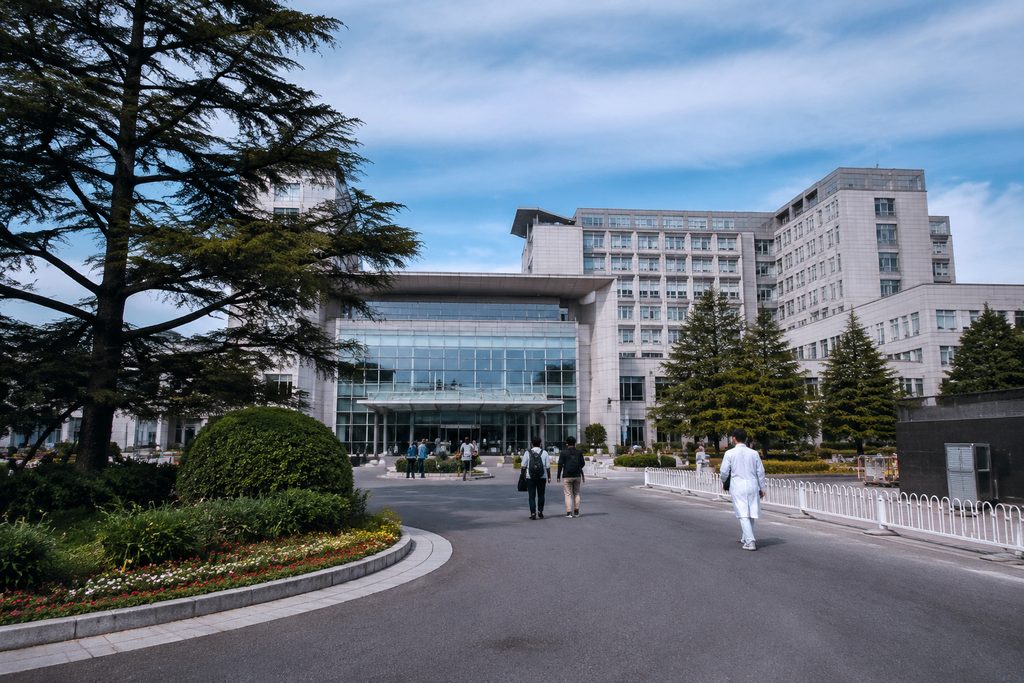
You’ve probably assumed that getting neurosurgery at a major Chinese teaching hospital as a foreigner means either waiting months or paying Western private-clinic prices. The reality sits somewhere in between — and neither of those fears is quite accurate. The Zhongnan Hospital neurosurgery price typically lands far below what American or European patients expect, yet the pathway to the operating table involves steps most international patients never anticipate. This article walks through what actually happens when you pursue brain or spine surgery at Zhongnan Hospital of Wuhan University, from first contact to follow-up care at home.
Zhongnan Hospital of Wuhan University is a Grade-A tertiary hospital, the highest classification in China’s public system. Its neurosurgery department sits among the stronger programs in central China, handling a high volume of tumor resections, cerebrovascular interventions, and complex spine cases. For international patients, the practical questions are simpler than the clinical ones: What will this cost? How do I actually get in? Who coordinates the language gap? We answer those directly, without the glossy brochure language.
How This Actually Works, Step by Step
The sequence for an international patient is not complicated, but it is specific. Skipping a step usually means starting over.
Step 1. You send your existing imaging and reports — MRI, CT, pathology slides, operative notes if you have them. These need to be in English or Chinese. If they’re in another language, translation comes first. We handle that.
Step 2. The neurosurgery team at Zhongnan reviews your file. This is a written review, not a live consultation. You get a response that says one of three things: your case is operable and they’ll take it, your case needs further diagnostic clarification, or your case is better managed elsewhere. The last one happens more often than hospitals advertise.
Step 3. If the team accepts the case, you schedule a video consultation with a senior neurosurgeon. This runs $500–800 through the international coordination channel. You discuss surgical approach, risks, expected hospital stay, and what the surgeon needs before you travel.
Step 4. You apply for an S2 visa with supporting documents from the hospital. This takes 1–3 weeks depending on your consulate. You cannot apply for an M visa for medical treatment — that’s for commercial trade, and using it for surgery creates legal problems.
Step 5. You arrive in Wuhan. A bilingual medical companion meets you, handles registration, payment deposits, and translation during the in-person consultation. The surgeon examines you. Only after this face-to-face visit does the hospital schedule surgery.
Step 6. Surgery, inpatient recovery, discharge. Then follow-up imaging and video reviews after you return home.
That’s the honest sequence. No shortcuts, no “pay us and skip the line.”
Zhongnan Hospital Neurosurgery Price: What the Numbers Actually Look Like
The Zhongnan Hospital neurosurgery price depends heavily on what you’re having done. A microdiscectomy costs far less than a craniotomy for tumor resection. But international patients consistently find the numbers lower than expected — often by a factor of five or more compared to the United States.
| Procedure | Estimated Cost at Zhongnan (USD) | Typical US Cost (USD) |
|---|---|---|
| Lumbar microdiscectomy | $6,000–10,000 | $35,000–60,000 |
| Anterior cervical discectomy and fusion | $8,000–14,000 | $50,000–90,000 |
| Brain tumor resection (glioma/meningioma) | $12,000–22,000 | $80,000–200,000+ |
| Cerebral aneurysm clipping | $15,000–25,000 | $120,000–300,000+ |
| VP shunt placement | $5,000–9,000 | $30,000–60,000 |
These figures reflect the international department channel, which runs roughly 1.5–2 times the standard public price. That premium buys English-speaking coordination, priority scheduling, and a private or semi-private room. The base public rate is lower, but navigating it without Chinese fluency is nearly impossible.
What drives the spine surgery cost China for foreigners upward? Implant hardware — titanium cages, rods, artificial discs — is often imported and priced separately. Tumor resection costs vary with tumor location, use of intraoperative MRI or neuromonitoring, and ICU days. Always ask for an itemized estimate before committing.
Ask for a written cost breakdown that separates surgeon fee, anesthesia, operating room, implants, and hospital bed days. That way you can compare offers from different hospitals on the same basis.
Is Zhongnan Hospital Good for International Patients?
The short answer: clinically strong, logistically demanding. Zhongnan’s neurosurgery volume is high, which matters for outcomes. Surgeons who perform 300 tumor resections a year simply see patterns that lower-volume surgeons miss. The department has particular depth in neuro-oncology, cerebrovascular surgery, and minimally invasive spine techniques.
But “good for international patients” is a different question than “good at neurosurgery.” Zhongnan is not United Family. It is not Jiahui. The hospital does not run a fully Westernized international wing with English-speaking nurses on every floor. What it has is an international coordination office that handles foreign patients — and the gap between those two realities is where problems occur.
A patient who arrives expecting a Raffles-style experience will be disappointed. A patient who arrives with a bilingual companion, realistic expectations about ward conditions, and patience for administrative friction will find the clinical care excellent. That’s the honest trade-off.
For comparison, private international hospitals in China offer English-speaking staff and direct insurance billing, but they rarely have the neurosurgical case volume or the senior surgical teams that a top public teaching hospital like Zhongnan does. If you’re weighing options, our guide to top-ranked Chinese hospitals by city and our breakdown of private international hospitals with JCI accreditation may help you decide which model fits your case.
A Realistic Timeline
People underestimate the calendar. Here’s what a typical international neurosurgery journey looks like, from first email to discharge.
| Stage | Duration | What Happens |
|---|---|---|
| Document collection and translation | 3–10 days | You gather imaging, reports, pathology. Translation if needed. |
| Written review by Zhongnan neurosurgery | 5–14 days | The team reviews your file and responds with a recommendation. |
| Video consultation scheduling | 3–7 days | Coordinating a time with a senior surgeon. They operate most days. |
| S2 visa application | 1–3 weeks | Depends on your consulate. Supporting documents from the hospital help. |
| Travel and arrival | Flexible | Flights, accommodation near the hospital, jet lag recovery. |
| In-person consultation and pre-op testing | 3–7 days | Surgeon examination, blood work, ECG, any repeated imaging. |
| Surgery scheduling | 1–2 weeks after consult | Operating room availability. Urgent cases move faster. |
| Inpatient stay | 5–14 days | Depends on procedure. Brain tumor resection typically 7–10 days. |
| Post-discharge local recovery | 1–2 weeks | Most surgeons want you to stay in Wuhan for a short observation window. |
| Follow-up at home | Ongoing | Video reviews, imaging uploads, medication adjustments. |
Total realistic timeline: 6–10 weeks from first contact to discharge. Anyone promising faster is cutting corners or doesn’t understand the process.
What Can Go Wrong — and What Happens Then
Let’s be direct about the failure modes, because they happen.
The surgical team declines your case. This is common. If imaging quality is poor, if the tumor location makes surgery too risky relative to benefit, or if your prior surgical history complicates things, Zhongnan will say no. The recourse is a second opinion elsewhere — possibly at a different top-tier center. That’s not a failure of the system; it’s the system working.
Your visa is delayed or denied. S2 visa applications for medical treatment are generally straightforward, but consulates vary. The hospital can issue an invitation letter, which strengthens your application. But no one can guarantee approval. If denied, you may need to reapply with additional documentation or consider a different consulate.
Post-operative complications. Any neurosurgery carries risk. Infection, CSF leak, neurological deficit, hardware failure. Zhongnan’s complication rates are in line with other high-volume academic centers, but “in line” does not mean zero. If a complication occurs, you stay longer, pay more, and may need revision surgery. Travel insurance that covers medical complications abroad is not optional.
Language breakdowns. Even with a companion, there will be moments — a night nurse who doesn’t speak English, a pharmacy instruction in Chinese, a consent form you sign without fully parsing. The companion mitigates this. It doesn’t eliminate it.
Cost overruns. The estimate you get is an estimate. ICU days get added. A different implant gets used. A longer-than-expected surgery changes the anesthesia bill. Budget 20–30% above the written estimate as a buffer.
None of these are reasons to avoid Zhongnan. They are reasons to go in with your eyes open.
Choosing Between Zhongnan and Other Chinese Neurosurgery Centers
If you’re asking “is Zhongnan Hospital good for international patients,” you’re probably also asking whether a different hospital would serve you better. Fair question.
Zhongnan’s advantages: strong neurosurgery volume, a dedicated international coordination office, and Wuhan’s lower cost of living compared to Beijing or Shanghai. The city is a major transport hub, with direct international flights and high-speed rail connections. Hotel costs near the hospital are a fraction of what you’d pay in Shanghai.
The trade-offs: Zhongnan is not in the Fudan national top 10 for neurosurgery. The very top neurosurgery programs in China are concentrated in Beijing and Shanghai — hospitals like Huashan, Tiantan, and Xuanwu. Those centers see more rare pathology and have deeper subspecialty benches. But they also cost more, are harder to get into, and sit in more expensive cities.
If your case is routine — a straightforward meningioma, a single-level cervical fusion, an unruptured aneurysm — Zhongnan handles it well and the Zhongnan Hospital neurosurgery price makes it financially attractive. If your case is rare or high-risk, a top-tier Beijing or Shanghai program may justify the extra cost and complexity. Our department rankings across 45 specialties can help you see where neurosurgery programs rank nationally.
One more consideration: how much does neurosurgery cost in Wuhan compared to Beijing or Shanghai? Typically 20–40% lower, driven by lower facility fees and lower local operating costs. For a $20,000 procedure, that’s real money.
Practical Considerations: Records, Visa, Payment, and Follow-Up
What you need before you even think about booking a flight.
Medical records. Complete imaging on CD or cloud upload. Operative reports from any prior surgeries. Pathology reports if a biopsy was done. A current medication list. A summary letter from your treating physician. All in English or Chinese. If you’re missing any of these, the review process stalls.
Visa category and timing. You apply for an S2 visa, which covers short stays for private affairs including medical treatment. If your treatment and recovery will exceed 180 days, you need an S1. Family members accompanying you also apply for S2. Start this process as soon as the hospital confirms your case — visa delays are the most common schedule-killer.
Payment. Chinese public hospitals require upfront deposits. The international department will quote a deposit amount — usually 50–100% of the estimated total — due at admission. Bring a credit card that works internationally, or arrange a bank transfer in advance. US insurance rarely pays Chinese hospitals directly; you pay out of pocket and file for reimbursement. Some international insurance plans do have direct billing arrangements with Chinese international departments. Check before you travel.
Language. You need a plan. A bilingual medical companion from $300 per day covers registration, queue management, payment, translation, and navigation. This is not a luxury. Without it, you will struggle. The hospital’s international office provides some coordination, but they are not a personal translator for your entire stay.
Follow-up at home. Zhongnan’s neurosurgeons are generally willing to do video follow-up consultations. You’ll upload post-operative imaging and discuss recovery milestones. Your home physician handles day-to-day management. The handoff matters — ask the surgeon for a written discharge summary in English before you leave.
Do not book flights or apply for a visa until the hospital has formally accepted your case in writing. A video consultation is not acceptance. Only the written review followed by a confirmed in-person consultation date counts.
Frequently Asked Questions
No. Public hospitals in China — including Zhongnan — require an in-person consultation before surgery can be scheduled. You can complete the written review and video consultation remotely, but the operating room slot is only confirmed after the surgeon examines you face-to-face.
Through the international department, expect $12,000–22,000 for a standard tumor resection, depending on tumor location, size, and whether intraoperative monitoring or imaging is used. This excludes travel, accommodation, and any post-operative complications. The final quote varies by hospital and case complexity.
You don’t need to speak Chinese, but you need someone with you who does. The international coordination office handles administrative matters, but daily ward interactions, pharmacy instructions, and nursing communication happen in Chinese. A bilingual medical companion fills this gap.
For routine neurosurgical cases, yes. The clinical quality is strong, the volume is high, and the cost is lower than in Beijing or Shanghai. For rare or extremely complex cases, the very top neurosurgery centers in Beijing and Shanghai have deeper subspecialty expertise. The right choice depends on your specific diagnosis.
Complications are managed at the hospital. You stay longer, and costs increase. If a complication requires revision surgery, that’s scheduled at Zhongnan. Travel insurance with medical complication coverage is strongly recommended. The hospital is not responsible for your travel or accommodation costs if your stay extends.
Your Next Step
Zhongnan Hospital of Wuhan University offers genuinely strong neurosurgical care at prices that make international patients do a double-take. But the path from “I’m interested” to “I’m on the operating table” runs through document review, video consultation, visa processing, and an in-person evaluation — and each step has its own friction points. We help international patients navigate exactly this sequence: we coordinate the written review, schedule the video consultation, arrange the S2 visa supporting documents, and provide bilingual companions on the ground in Wuhan. We do not perform surgery, we do not guarantee outcomes, and we do not promise access that the hospital itself would not grant. If you’re serious about pursuing neurosurgery at Zhongnan, start by sending us your existing imaging and reports. We’ll tell you honestly whether this path makes sense for your case.
You can reach our coordination team through China Medical Services and begin the review process. A written second opinion costs $300–500 and gives you a clear-eyed assessment before you commit to travel. That’s the smartest first step — and it’s fully credited toward on-the-ground coordination if you proceed.
For more medical information and treatment options in China, visit chinamedservices.com (China Medical Services).
