China Second Opinion for Cancer: Specialist Review Before Treatment
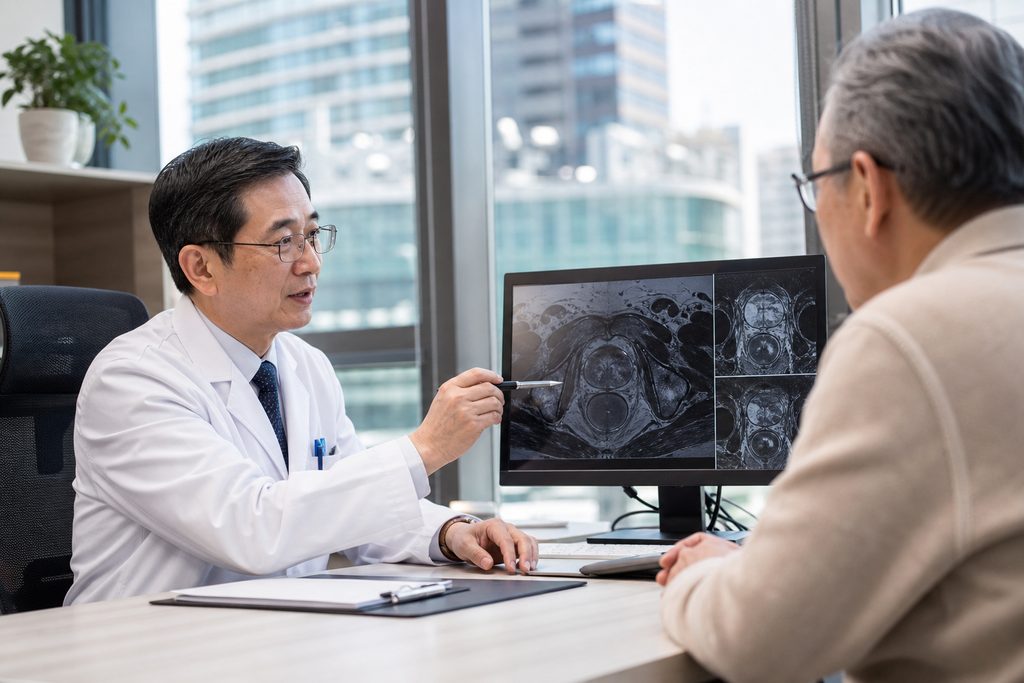
While patients in Canada’s public system can wait a median 27.4 weeks from referral to treatment for certain cancers, specialists at Fudan-ranked oncology centers in Shanghai routinely review international patient records within 5 to 10 business days. The gap isn’t just about speed. It’s about access to clinicians who see volumes that Western oncologists rarely encounter. A single top-tier Chinese cancer hospital may log more esophageal cancer cases in one year than a major European center sees in five.
That volume translates into pattern recognition. And for a patient facing a life-altering treatment decision, a second set of eyes from a high-volume system can be the difference between confidence and doubt. This article explains how a China-based specialist review actually works, what it costs, and who should consider it.
Second Opinion Oncology China Cost: The Short Answer
A written second opinion from a top-ranked Chinese oncology specialist typically costs between $300 and $500. A video consultation with a senior oncologist runs $500 to $800. These fees cover record translation, specialist review, and a structured written or verbal response. They do not cover treatment.
But the real cost question isn’t the consultation fee. It’s what you do with the opinion. Many patients use a remote review to decide whether traveling to China for treatment makes sense at all. Others use it to pressure-test a diagnosis they received at home. The consultation is cheap. The clarity it provides is what you’re actually paying for.
How Remote Specialist Review Works
The process is more structured than most patients expect. You don’t just email scans into the void.
Our team coordinates a four-step sequence. First, we collect and translate your existing medical records — pathology reports, imaging studies, surgical notes, lab results. Translation accuracy matters enormously here. A mistranslated pathology term can derail an entire review.
Second, we match your case to a specialist in the appropriate oncology subspecialty. Not a general oncologist. Someone who treats your specific cancer type at a hospital ranked among China’s top 10 for that subspecialty. You can browse our oncology department rankings to see which hospitals lead in specific cancer types.
Third, the specialist reviews your translated records and prepares a written assessment. This includes their interpretation of your diagnosis, staging confirmation or correction, treatment recommendations, and questions they would ask before finalizing a plan.
Fourth, you receive the written opinion — and if you’ve booked a video consultation, you discuss it live with the specialist through a translator.
Who This Is Right For — and Who It Isn’t
Remote specialist review isn’t for everyone. Being honest about that saves you time and money.
Good candidates include patients who have received a new cancer diagnosis and want confirmation before starting treatment. Patients whose local oncologists disagree on the approach. Patients with rare or complex cancers that their home system sees infrequently. Patients considering treatment in China who want to test the waters before traveling. And patients whose disease has progressed despite standard treatment.
Who should not pursue this? Patients in acute medical crisis who need immediate intervention. A remote review takes days — that’s too slow for someone who needs treatment this week. Patients with incomplete medical records. If you can’t produce original pathology slides and imaging files, no specialist anywhere can give you a meaningful second opinion. And patients seeking a specific experimental therapy they read about online. A second opinion evaluates your case; it doesn’t guarantee access to any particular drug or procedure.
Best Cancer Hospital in China for Second Opinion: The Options Compared
The phrase “best cancer hospital” hides a more useful question: best for what? China’s oncology landscape splits into three tiers, each suited to different patients.
| Hospital Type | Second Opinion Cost | Response Time | Best For |
|---|---|---|---|
| Fudan Top 10 Oncology Center (public, international department) | $300–500 written; $500–800 video | 5–10 business days | Complex, rare, or advanced cancers requiring high-volume subspecialist input |
| Private International Hospital (JCI-accredited) | $100–300 video | 3–5 business days | Straightforward cases; English-speaking specialists; insurance billing |
| General Tertiary Hospital (non-top-10 oncology) | $100–200 written | 7–14 business days | Budget-constrained patients with common cancers and clear staging |
The Fudan-ranked public centers carry the most weight. When a specialist from one of these hospitals reviews your case, their opinion reflects experience with thousands of similar patients. But their international departments are busy. Response times stretch longer during Chinese holidays and flu season.
Private international hospitals respond faster and communicate more smoothly. But their specialists may not see the same case volumes. For a rare sarcoma, you want the public center. For a stage II breast cancer with standard receptor profiles, the private hospital review may be perfectly adequate — and faster.
How to Get a Second Opinion from a Chinese Oncologist: Step by Step
This is the section most readers search for. Here’s the concrete sequence.
Collect every relevant record. Pathology report with full immunohistochemistry panel. All imaging — CT, MRI, PET-CT — as DICOM files, not just printed films. Surgical notes if you’ve had surgery. Current medication list. A one-page summary of your treatment history to date, written in plain language.
Then request a records review. Our team assesses whether your case is suitable for remote consultation before you pay anything. Some cases genuinely require in-person evaluation — a remote review would waste your money. We tell you that upfront.
Once accepted, records are translated by medical translators, not general linguists. The specialist receives both the original and translated versions. They review. They write. You receive the opinion.
If you book a video consultation, you’ll speak through a medical interpreter. Prepare your questions in advance. Write them down. The specialist will have read your records, so don’t waste time re-explaining your diagnosis — ask about treatment alternatives, clinical trial eligibility, and what they would do differently from your current plan.
Can Chinese Doctors Review My Cancer Diagnosis Remotely?
Yes. This is now standard practice across China’s top-tier international departments. The pandemic normalized remote consultation infrastructure that had been building for years.
But there are limits. Chinese specialists can review your existing pathology slides, imaging, and reports. They can offer a written assessment. They cannot perform a physical examination remotely. They cannot order new tests. They cannot access tissue samples for additional molecular testing unless you ship slides — which is possible but adds cost and time.
Some patients ask whether a remote review carries the same weight as an in-person consultation for hospital admission decisions. It doesn’t. Chinese public hospitals require in-person evaluation before scheduling surgery or admission. A remote review can tell you whether that trip is justified. It cannot replace it.
International Cancer Second Opinion Package China: What’s Included and What’s Not
Packages vary by hospital and by coordinator. Here’s what a typical written second opinion package includes: record translation (up to a specified page count), specialist review by one oncologist in the relevant subspecialty, a written report in English, and a follow-up email for clarifying questions.
What’s not included: additional specialist input beyond the primary reviewer, new imaging or lab tests, shipping costs for physical slides, and any treatment coordination.
Video consultation packages add the live session, interpreter time, and often a brief written summary after the call. Some hospitals offer multidisciplinary team (MDT) reviews for complex cases, where a tumor board of surgeons, medical oncologists, and radiation oncologists reviews your case together. Expect to pay $1,500 to $2,000 for that depth.
Book Specialist Cancer Review Shanghai: Practical Considerations
Shanghai hosts several of China’s strongest oncology programs, including those at Fudan University-affiliated hospitals. If you’re targeting Shanghai specifically, understand the logistics.
Records must be complete before review. Incomplete records slow everything down. If you’re missing a pathology report or a key imaging study, get it from your home hospital before starting the process.
Language is handled by the international department or by our coordination team. You don’t need to speak Mandarin. But you do need patience — Chinese hospital administrators process international cases on their own timelines, and public holidays can add a week to any step.
Payment is typically made in advance via bank transfer or international credit card. Public hospital international departments often require prepayment before scheduling the specialist’s review time. Insurance rarely covers overseas second opinions, though some international policies do — check your plan.
After you receive the opinion, you’ll need to decide what to do with it. Some patients take the Chinese specialist’s recommendations back to their home oncologist and adjust their local treatment plan. Others proceed with treatment in China. The opinion is a tool, not a verdict.
If you’re weighing multiple Chinese cities, our top hospital database breaks down Fudan-ranked centers by city and specialty. And if you want a broader look at private options with English-speaking staff and direct insurance billing, the private international hospital directory is the place to start.
Frequently Asked Questions
Most written opinions are delivered within 5 to 10 business days after all records are received and translated. Video consultations add another 3 to 5 days for scheduling. Complex cases requiring MDT review can take 2 to 3 weeks.
That depends on the source. An opinion from a Fudan-ranked top-10 oncology center carries genuine weight, especially for cancers that are rare in Western populations but common in China — esophageal, gastric, nasopharyngeal, and certain liver cancers. A generic opinion from an unranked hospital will carry less. We recommend sharing the written report with your home oncologist and framing it as additional data, not a challenge to their authority.
Disagreement is common and often useful. The specialist will explain their reasoning in the written report. You then have a decision: adjust your home treatment based on their input, seek a third opinion, or pursue treatment in China. No one can force you to change your plan. The opinion is yours to use as you see fit.
Yes. Both written and video consultations are conducted entirely remotely. You send records electronically. You receive the opinion by email or through a video call. Travel is only necessary if you decide to pursue in-person evaluation or treatment in China.
No. Chinese public hospitals require in-person evaluation before admission or surgery. A remote review can confirm that your case is appropriate for a particular hospital and that the specialists there have something to offer you. But the hospital will still need to see you in person before scheduling treatment.
Your Next Step
A second opinion from a high-volume Chinese oncology center costs less than most copays for a single advanced imaging study in the United States. The risk is low. The potential upside — catching a misdiagnosis, discovering a treatment option your home system doesn’t offer, or simply gaining confidence in your current plan — is substantial.
We are China Medical Services, a coordination team that connects international patients with top-ranked Chinese hospitals. We are not a hospital, and we do not provide diagnoses or medical advice. What we do is handle the logistics: record translation, specialist matching, appointment coordination, and bilingual support throughout the process.
If you’re considering a China-based second opinion, start with a conversation. Tell us about your diagnosis and what you’re hoping to learn. We’ll tell you honestly whether a remote review makes sense for your case — and if it does, we’ll map out the path from records to written opinion without pressure or obligation.
For more medical information and treatment options in China, visit chinamedservices.com (China Medical Services).
