West China Hospital Anesthesiology: What International Patients Need to Know
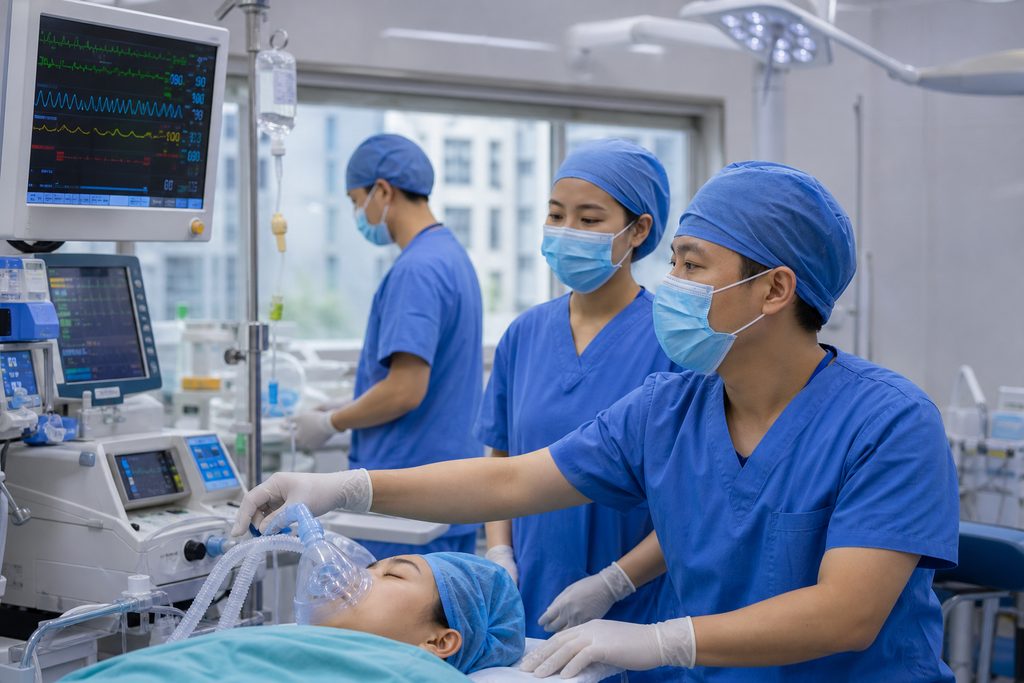
Understanding Anesthesia Cost West China Hospital: The Short Answer
Have you ever wondered whether a top-ranked Chinese hospital can match Western standards for something as critical as anesthesia? The short answer is yes. West China Hospital in Chengdu performs over 200,000 surgical procedures annually, with anesthesiology teams managing everything from routine sedation to complex cardiac and neurosurgical cases. Anesthesia cost West China Hospital typically ranges from $500 to $3,500 depending on procedure complexity and duration — a fraction of what you’d pay in the United States or Europe.
But here’s the caveat. The quoted anesthesia fee is rarely a standalone number. It gets bundled into your total surgical package, and the final figure shifts based on which department handles your case, whether you use the international VIP channel, and how long you stay under. Understanding that breakdown before you book anything is what separates a smooth experience from a stressful one.
Who This Is Right For — and Who It Isn’t
West China Hospital’s anesthesiology service is genuinely suitable for many international patients. But it’s not for everyone. Let’s be direct about both sides.
You’re likely a good candidate if:
- You need a high-volume surgical procedure — cardiac, orthopedic, oncological, or neurosurgical — where the anesthesiology team’s case volume directly correlates with safety outcomes
- You want a pre-anesthesia consultation that reviews your full medical history, current medications, and prior reactions to sedation
- You have a complex comorbidity profile (heart disease plus diabetes plus obesity, for example) and need a team accustomed to managing multiple variables simultaneously
- You’re cost-sensitive but unwilling to compromise on hospital ranking or equipment quality
You should probably not pursue this if:
- You have an unstable cardiac or respiratory condition that makes long-haul travel itself dangerous
- You require a specific brand-name anesthetic agent that may not be available in China’s formulary
- You’re seeking elective cosmetic surgery — West China focuses on medically necessary and high-acuity procedures, not aesthetics
- You cannot commit to a 7–14 day stay in Chengdu for pre-operative evaluation, surgery, and initial recovery monitoring
Being honest about the second list matters more than the first. If travel poses a bigger risk than your procedure, stay home.
The Options, Compared
When you’re evaluating anesthesia cost West China Hospital against alternatives, the comparison isn’t just about price. It’s about what that price buys you. Here’s how the main options stack up:
| Option | Typical Anesthesia Fee | Case Volume | Language Support | Wait Time |
|---|---|---|---|---|
| West China Hospital (public, international channel) | $500–$3,500 | 200,000+ surgeries/year | Limited English; bilingual companion recommended | 2–6 weeks after consultation |
| West China Hospital (standard public channel) | $400–$2,800 | Same | Minimal English | 4–12 weeks |
| US academic medical center | $2,000–$8,000 | 30,000–50,000 surgeries/year | Native English | 1–4 weeks |
| Private international hospital in China (e.g., United Family) | $1,500–$5,000 | 5,000–15,000 surgeries/year | Full English | 1–2 weeks |
| Thailand private hospital (e.g., Bumrungrad) | $1,000–$4,000 | 20,000–40,000 surgeries/year | Good English | 1–3 weeks |
If your priority is maximum case volume at minimum cost, West China’s public channel wins decisively. If language support and speed matter more than price, a private international hospital in China or Thailand makes more sense. The international channel at West China sits in between — higher cost than the standard public route, but with dedicated coordination and some English-speaking staff. Which column fits you depends on how much uncertainty you’re willing to tolerate in exchange for savings.
Anesthesia Safety Protocols at West China Hospital: What the Data Shows
How safe is anesthesia in Chinese hospitals? This is the question every international patient asks, and it deserves a data-driven answer rather than reassurance.
West China Hospital’s Department of Anesthesiology is one of the largest in Asia, with over 300 anesthesiologists and nurse anesthetists. The department handles approximately 500–600 anesthesia cases per day across 80+ operating rooms. That volume matters because anesthesia safety correlates strongly with case frequency — teams that manage difficult airways and hemodynamic instability daily develop pattern recognition that low-volume centers cannot match.
Mortality directly attributable to anesthesia in major Chinese teaching hospitals is estimated at 1 in 100,000 to 1 in 200,000 cases, comparable to rates reported in US and European academic centers. But those figures come with context. Chinese hospitals use the same core drug classes as Western institutions — propofol, sevoflurane, rocuronium, fentanyl — and the same monitoring standards: continuous ECG, pulse oximetry, capnography, and invasive arterial pressure monitoring for high-risk cases.
What differs is the pre-operative process. At West China, anesthesiology consultations are typically conducted 1–3 days before surgery, not weeks ahead as in some Western systems. That compressed timeline means you must arrive with complete medical records. Missing a prior anesthesia complication note or an undocumented drug allergy creates real risk. This is where preparation — and having someone who can translate your records accurately — becomes a safety measure, not a convenience.
What Drives Anesthesia Cost West China Hospital
General anesthesia price China for foreigners isn’t a fixed rate. It’s calculated from several components that shift based on your specific case.
Here’s what’s typically included and what isn’t:
- Included: the anesthesiologist’s professional fee, anesthetic drugs, intraoperative monitoring, recovery room (PACU) observation, and basic post-operative pain management for the first 24 hours
- Not included: pre-anesthesia laboratory tests (ECG, chest X-ray, blood work — typically $100–$300), extended PACU stays beyond 4 hours, patient-controlled analgesia (PCA) pumps, and any post-operative nerve blocks or epidural catheters
- Duration multiplier: cases under 2 hours cost less than cases running 6+ hours. Anesthesia fees are partially time-based in Chinese hospitals
- Complexity modifier: cardiac, neurosurgical, and major transplant cases carry higher anesthesia fees due to invasive monitoring requirements and specialist staffing
The international channel at West China typically adds 50–100% to the standard public rate. That premium buys you English-speaking coordination, priority scheduling, and access to senior anesthesiologists — but it does not change the clinical care itself. The same anesthesiologist who manages a standard-channel patient manages an international-channel patient.
Practical Considerations: Records, Visa, and Follow-Up
If you’re asking “Is West China Hospital good for international patients,” the honest answer is: yes, clinically — but only if you handle the logistics properly. The hospital’s medical quality is not the bottleneck. The paperwork and communication are.
Medical records. You need every relevant document translated into Chinese before your pre-anesthesia consultation. That includes prior surgical records, anesthesia records (especially any complications like malignant hyperthermia, difficult intubation, or post-operative nausea), current medication list with dosages, allergies, and recent lab results. A professional medical translator is worth the cost. Google Translate is not.
Visa. Medical treatment in China falls under the S2 visa category (short-term, for private affairs including medical treatment) or S1 for stays exceeding 180 days. The M visa is for commercial and trade activities — it is not a medical visa. Your hospital invitation letter and treatment plan must be submitted with your S2 application. Approval timelines vary by consulate, so start this process 6–8 weeks before your planned surgery date.
Payment. West China Hospital’s public channels require pre-payment for estimated costs. International credit cards are not always accepted at on-site payment windows. You may need to transfer funds to a Chinese bank account or use a payment agent. The international channel is more flexible but still primarily operates on a deposit-then-refund model. Insurance reimbursement is post-hoc — you pay first, then claim.
Language. Outside the international department, English is rare. Signage is in Chinese. Your anesthesiologist may speak some English, but the pre-operative nurses, pharmacy staff, and recovery room team likely will not. A bilingual medical companion who understands both the language and the hospital’s workflow changes the entire experience.
Follow-up after returning home. West China provides discharge summaries and operative records in Chinese. You’ll need certified translations for your home physician. Pain management plans, wound care instructions, and medication lists should be reviewed with your local doctor within 2 weeks of returning. Telemedicine follow-up with West China is possible through the international department but is not a substitute for in-person evaluation if complications arise.
Frequently Asked Questions
Clinically, yes. The anesthesiology department is among the highest-volume in the world, and complication rates are comparable to Western academic centers. Operationally, the hospital is built for Chinese-speaking patients. International patients who arrive with translated records, a clear surgical plan, and a bilingual companion typically report positive experiences. Those who arrive expecting Western-style concierge service in the public channel are often disappointed.
Direct remote booking through the public system is not generally available. The standard pathway requires an in-person surgical consultation first, after which the anesthesiology pre-op evaluation is scheduled. The international channel offers more flexibility — video consultations with the surgical team are possible, and the anesthesiology consult can be coordinated as part of a bundled pre-operative package. Written second opinions from anesthesiologists are available through the international department for $300–$500, though these are for reference only and do not replace the in-person evaluation.
West China has full critical care capacity — ICU, cardiac support, and 24/7 emergency response within the hospital. Anesthesia-related emergencies are managed on-site by the same team that handled your case. What you lose compared to a Western hospital is not clinical capability but legal recourse. Medical malpractice claims in China follow a different process than in the US or EU, and compensation amounts are typically lower. International medical insurance with emergency evacuation coverage is strongly recommended for any surgical procedure abroad.
General anesthesia price China for foreigners is typically 60–80% lower than US rates for equivalent procedures. A 3-hour orthopedic case with general anesthesia might cost $800–$1,500 at West China versus $3,000–$6,000 at a US academic center. The gap narrows when you use the international channel, but even with the premium, total anesthesia costs rarely exceed 40% of US prices. The real savings come from the combined surgical plus anesthesia package, not anesthesia alone.
Your Next Step
West China Hospital offers world-class anesthesiology at prices that make international medical travel genuinely viable. But the value only materializes if the logistics are handled correctly — records translated, visa secured, consultation scheduled, and a bilingual companion on-site. That’s where China Medical Services fits. We are not a hospital and we do not provide medical advice or diagnoses. We help international patients coordinate consultations, navigate hospital registration, arrange bilingual medical companions, and understand what to expect at every step. If you’re considering surgery at West China Hospital, start with a conversation. Request a free consultation and we’ll help you map out a realistic plan.
Anesthesia is not where you cut corners. It’s where preparation pays off. West China has the clinical depth; you just need the right bridge to access it.
For more medical information and treatment options in China, visit chinamedservices.com (China Medical Services).
