Should I Go to China for Weight Loss Surgery? Our Value Guide
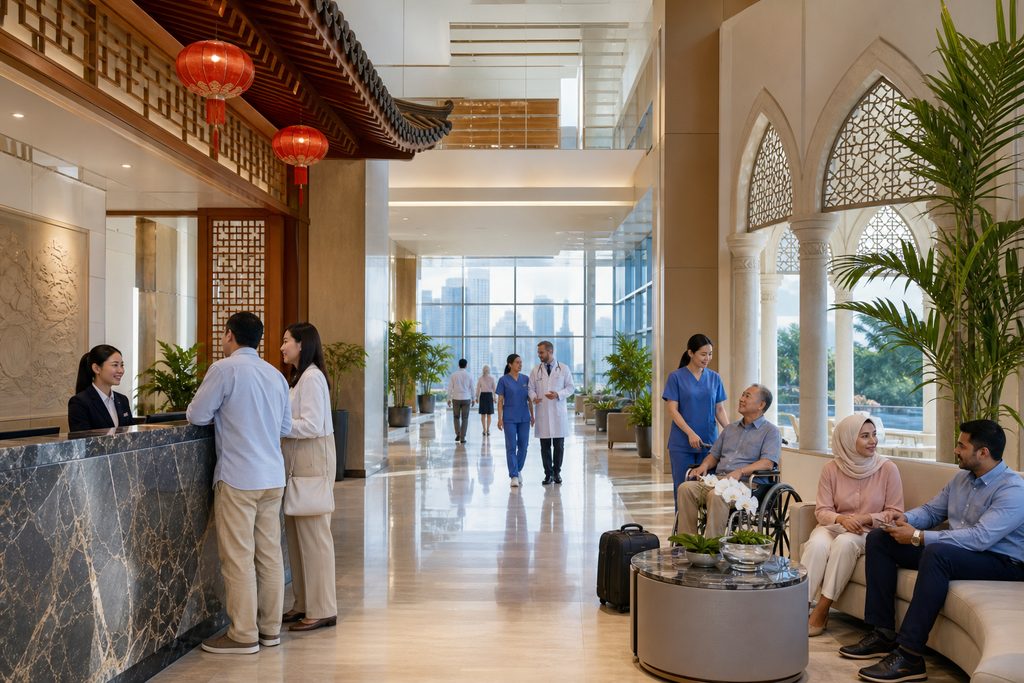
You’ve probably heard that having surgery abroad means gambling with quality. The data on bariatric care in China tells a different story. The country’s top-ranked hospitals now perform sleeve gastrectomies in facilities that meet JCI accreditation standards, using the same laparoscopic techniques you’d find in Houston or Hamburg. The difference is the bill. A typical gastric sleeve cost China ranges from $8,000 to $18,000 at leading public and private international hospitals. That same procedure averages $20,000 to $35,000 in the US before insurance, and often $12,000 to $25,000 even after coverage kicks in. So the question isn’t really “should I go” — it’s “how do I separate the excellent hospitals from the rest, and what does the process actually involve?”
Our team helps international patients answer exactly that. We’ve spent years mapping China’s 340+ top-ranked hospitals across 37 cities, and the patterns are clear. The best bariatric programs cluster in a handful of institutions. The logistics are manageable if you know the sequence. And the financial math works for a specific type of patient — not everyone, which we’ll be honest about below.
How This Actually Works, Step by Step
The path from “considering it” to “recovered and home” follows a sequence that surprises most foreigners. China’s public hospitals don’t let you book surgery from overseas with a credit card. There’s no online checkout for a gastric sleeve. Instead, the system runs on documentation review, then in-person consultation, then scheduling. Here’s the real order.
You start by sending your medical records. This includes your current BMI, any comorbidities like type 2 diabetes or sleep apnea, previous weight loss attempts, and recent blood work. Our team translates these into Chinese and submits them to the bariatric department at one or two shortlisted hospitals. A specialist reviews everything — usually within 5 to 10 business days — and issues a written assessment. They’ll tell you whether you’re a candidate, what additional tests you’d need, and what the surgical plan would likely look like.
That written second opinion costs between $300 and $500 through our coordination service. It’s not a prescription. It’s a specialist saying “based on these records, here’s what I’d recommend.” Many patients stop here — the assessment alone answers their biggest questions. Others move to a video consultation, where you speak directly with the surgical team. That runs $500 to $800 for a top-specialist session. The conversation covers surgical approach, expected outcomes, complication rates at that specific hospital, and post-op protocols.
If you decide to proceed, the next step is travel. You’ll need an S2 visa, which is the short-stay category used for medical treatment in China. Your spouse or family member traveling with you applies for the same S2. The hospital issues an invitation letter and treatment confirmation document that supports the application. Visa processing typically takes 1 to 3 weeks depending on your home country’s Chinese embassy or consulate.
Once you land, the in-person phase begins. You’ll have a face-to-face consultation with the surgeon, complete any remaining pre-operative tests — usually blood work, an ECG, sometimes an endoscopy — and then get scheduled for surgery. At public hospitals, surgery is typically booked within 3 to 10 days after your consultation. At private international hospitals, it can be faster, sometimes 2 to 5 days. The surgery itself takes 60 to 90 minutes for a standard sleeve. Hospital stay runs 3 to 5 days. You should plan to stay in China for 2 to 3 weeks total to allow for initial recovery and a follow-up appointment before flying home.
What Does Bariatric Surgery Actually Cost in China?
Let’s get specific about the numbers, because “cheaper than the US” isn’t enough to plan around. The table below reflects 2026 pricing at reputable institutions. These are all-in surgical package estimates — surgeon fees, anesthesia, operating room, hospital bed, basic medications, and standard post-op monitoring. They do not include flights, accommodation, or our coordination services.
| Hospital Type | Gastric Sleeve Package | Gastric Bypass Package | Notes |
|---|---|---|---|
| Top public hospital (standard ward) | $8,000 – $12,000 | $10,000 – $15,000 | Lower cost, limited English, shared rooms possible |
| Top public hospital (international/VIP ward) | $12,000 – $18,000 | $15,000 – $22,000 | English-speaking staff, private room, faster scheduling |
| Private international hospital (JCI-accredited) | $15,000 – $22,000 | $18,000 – $28,000 | Western-style care, direct insurance billing possible |
| United States (for comparison) | $20,000 – $35,000 | $25,000 – $40,000 | Before insurance; varies widely by state and facility |
The weight loss surgery packages China hospitals offer vary significantly by city. Bariatric surgery price Shanghai tends to run at the higher end of these ranges — the city’s international medical infrastructure is the most developed in the country, and that comes at a premium. Beijing sits slightly lower. Chengdu and Guangzhou can offer the same surgical quality at 20 to 30 percent below Shanghai prices. The key variable isn’t surgical skill — it’s ward type and language support.
One thing to understand clearly: public hospitals in China operate on a prepayment model. You pay the estimated surgical cost upfront, and any unused balance is refunded at discharge. Private international hospitals may accept direct billing from certain global insurers, but most foreign patients still pay out of pocket and claim reimbursement later. Ask your insurer specifically about overseas bariatric coverage before committing — many policies exclude weight loss surgery entirely, regardless of where it’s performed.
Is Weight Loss Surgery Safe in China?
The short answer: at the right hospitals, yes — with safety outcomes comparable to Western centers. The long answer requires looking at how Chinese hospitals are evaluated.
China has over 35,000 hospitals. The top 5 percent — roughly the 340+ institutions in our database — are ranked by the Fudan University hospital rankings and many hold JCI accreditation, the same international standard used by hospitals in Singapore, Germany, and the UAE. The bariatric programs at these institutions are not boutique operations doing a handful of cases per year. They’re high-volume centers. The busiest perform 500 to 1,000 bariatric procedures annually, which matters because complication rates in sleeve gastrectomy correlate strongly with surgeon and center volume.
But let’s be direct about the risks. Any surgery carries them — bleeding, infection, leaks at the staple line, blood clots. The leak rate for sleeve gastrectomy at experienced centers is under 1 percent, and that holds true at China’s top bariatric programs. The difference between a top-ranked hospital and an unranked one can be significant, which is why hospital selection matters more than country selection. Is weight loss surgery safe in China is the wrong question. The right question is “which hospitals in China have the volume, accreditation, and complication data I should demand?”
You should also understand the follow-up reality. Bariatric surgery isn’t a one-time event. You’ll need vitamin and mineral supplementation for life, periodic blood work, and sometimes adjustments or interventions years later. If you have surgery in China and return to the US or Europe, your home physician needs to be willing to manage your post-bariatric care. Some primary care doctors are comfortable with this. Others will refuse, saying they don’t manage patients operated on abroad. Before you book anything, have a conversation with your home doctor. If they won’t handle follow-up, factor in the cost of finding someone who will.
A Realistic Timeline
People underestimate how long this takes. Not the surgery — the preparation. Here’s an honest breakdown from first inquiry to flying home.
| Stage | Typical Duration | What Actually Happens |
|---|---|---|
| Records collection and translation | 1 – 2 weeks | Gathering BMI documentation, comorbidity records, prior weight loss attempts; our team translates into Chinese |
| Specialist review and written second opinion | 5 – 10 business days | Bariatric surgeon at shortlisted hospital reviews records, issues written assessment |
| Video consultation (optional) | 1 – 2 weeks to schedule | Live discussion with surgical team about approach, risks, expected outcomes |
| Visa application (S2) | 1 – 3 weeks | Hospital issues invitation letter; you apply at Chinese embassy/consulate; timing varies by country |
| Travel and in-person consultation | 2 – 4 days | Face-to-face with surgeon, remaining pre-op tests (blood work, ECG, possibly endoscopy) |
| Surgery scheduling | 2 – 10 days after consultation | Public hospital standard ward takes longer; international ward or private hospital faster |
| Hospital stay | 3 – 5 days | Sleeve gastrectomy recovery, diet progression from liquids to soft foods |
| Post-op recovery in China | 1 – 2 weeks | Follow-up appointment, staple line check, dietary counseling before flight clearance |
Total realistic timeline: 8 to 12 weeks from first inquiry to returning home. Could it be faster? Sometimes. A patient with perfectly organized records, a responsive home embassy, and no complications might compress this to 6 weeks. But planning for the longer end protects you from the stress of missed flights and rushed decisions.
What Can Go Wrong — and What Happens Then
Let’s talk about failure modes honestly, because this is where trust gets built or broken.
The most common problem isn’t surgical — it’s documentation. A patient sends incomplete records. The Chinese hospital’s bariatric department can’t assess candidacy without a full picture, so the review stalls. The fix is simple but annoying: another round of requests to your home doctor, another translation cycle, another 5 to 10 business days. We’ve learned to front-load this step aggressively, asking for everything upfront even if it seems excessive.
Visa rejection happens, though it’s uncommon for medical travel when documentation is complete. If your S2 application is denied, the consulate will state a reason. Sometimes it’s fixable — an incomplete invitation letter, a missing financial statement. Sometimes it’s not, and you’re looking at reapplying or reconsidering. We can’t guarantee visa approval, and neither can any hospital. What we can do is make sure the hospital’s paperwork is exactly what the consulate expects to see.
Medical complications are the hardest thing to prepare for. A staple line leak, a post-operative infection, an unexpected reaction to anesthesia — these happen in a small percentage of cases everywhere, including top US centers. The question is what happens next. At a top Chinese hospital with an international ward, complications are managed by the same surgical team that operated on you. You stay longer, you receive treatment, and you’re not discharged until stable. But if a complication arises after you’ve returned home, your local healthcare system has to take over. That’s the real risk of medical travel, and it applies to any country, not just China. We tell every patient: understand your home follow-up plan before you leave.
Communication breakdowns happen less than people fear, but they happen. A nurse who speaks limited English. A dietary instruction given in Chinese. A billing question that gets lost in translation. This is why our bilingual medical companion service exists — from $300 per day, a trained interpreter handles registration, queueing, payment, directions, and translation during every step. At public hospitals without international wards, this isn’t a luxury. It’s the difference between a manageable experience and a genuinely difficult one.
Can Foreigners Actually Get Bariatric Surgery in China?
Yes — but with conditions that many people don’t anticipate. Can foreigners get gastric bypass in China is one of the most common questions we receive, and the answer is “yes, at specific hospitals, through specific channels.”
China’s public hospitals don’t operate a walk-in system for overseas patients. You can’t email a hospital and ask for a surgery date. The system is built around in-person consultation first, surgery second. That’s true for Chinese citizens and foreigners alike. What changes for foreigners is the need for an international ward or VIP channel if you want English-speaking staff and expedited scheduling. These wards cost 1.5 to 2 times the standard ward price, but they’re designed for exactly this situation — overseas patients who need language support and a more Western-style care environment.
Private international hospitals like United Family, Jiahui, and Raffles offer a different model. English-speaking staff throughout, JCI accreditation, direct insurance billing with many global insurers, and a care experience that feels familiar to Western patients. The trade-off is cost — weight loss surgery packages China private hospitals offer run 40 to 60 percent higher than public hospital international wards. For some patients, that premium buys peace of mind worth paying for. For others, a public hospital international ward with a bilingual companion provides the same clinical quality at a lower price.
Your eligibility for surgery depends on the same criteria used internationally. BMI of 40 or higher, or BMI of 35 or higher with obesity-related comorbidities like diabetes or hypertension. Some Chinese centers also consider BMI of 30 to 35 with poorly controlled type 2 diabetes. If you’ve had previous abdominal surgery, you may need additional imaging before approval. A history of certain psychiatric conditions or substance use disorders may require clearance from a specialist. None of this is unique to China — it’s standard bariatric protocol worldwide.
Practical Considerations: Records, Visa, Payment, and Follow-Up
The details that determine whether this works for you are unglamorous but decisive.
Medical records need to be complete and recent. Blood work within the last 3 months. Any endoscopy or cardiac evaluation within the last 6 months. A documented history of weight loss attempts — diet programs, medications, previous interventions. If your records are scattered across multiple providers, consolidate them before you start. Our team handles translation, but we can’t translate what you haven’t sent.
The S2 visa is the correct category for medical treatment in China. It’s a short-stay visa, typically issued for 30 to 90 days, which covers the standard bariatric timeline. If your recovery requires a stay beyond 180 days — extremely rare for sleeve gastrectomy — you’d need an S1 visa instead. Your traveling companion applies for their own S2. The hospital’s invitation letter is essential supporting documentation. Processing times vary by country; some embassies issue within a week, others take three weeks or more.
Payment is almost always upfront at public hospitals. You’ll receive an estimate before surgery, pay the deposit, and settle the balance at discharge. International wards at public hospitals accept major credit cards and sometimes international bank transfers. Private international hospitals may bill your insurer directly if they have a direct billing agreement — check with both the hospital and your insurer before assuming this works. Travel insurance typically doesn’t cover elective surgery. Some specialized medical tourism policies exist, but they’re uncommon and often expensive relative to the coverage they provide.
Language is the factor most patients underestimate. At a public hospital standard ward, virtually nothing is in English. Signs, forms, dietary instructions, medication labels — all Chinese. Even at international wards, the surgeon may speak English but the nursing staff might not. Our bilingual medical companion service addresses this directly, but you should know going in that China is not Singapore or Dubai when it comes to English penetration in healthcare. The top international hospitals are the exception, not the rule.
Follow-up at home is the piece most people skip in planning. You’ll need vitamin B12, iron, calcium, and vitamin D supplementation for life. You’ll need blood work every 3 to 6 months for the first year, then annually. You’ll need a local physician who understands bariatric surgery and is willing to manage your care. If your home doctor won’t do this, find one who will before you book surgery. The surgery itself is the easy part. The decade after is the real commitment.
Frequently Asked Questions
A gastric sleeve in China costs $8,000 to $18,000 at reputable hospitals, depending on ward type and city. The US average is $20,000 to $35,000 before insurance. Even after US insurance coverage, many patients pay $12,000 to $25,000 out of pocket — so China’s pricing is often 40 to 60 percent lower.
Is it safe to have weight loss surgery in China as a foreigner?
At top-ranked hospitals with JCI accreditation and high bariatric volume, safety outcomes are comparable
For more medical information and treatment options in China, visit chinamedservices.com (China Medical Services).
