Same-Day Colonoscopy in China: How Our Service Arranges It
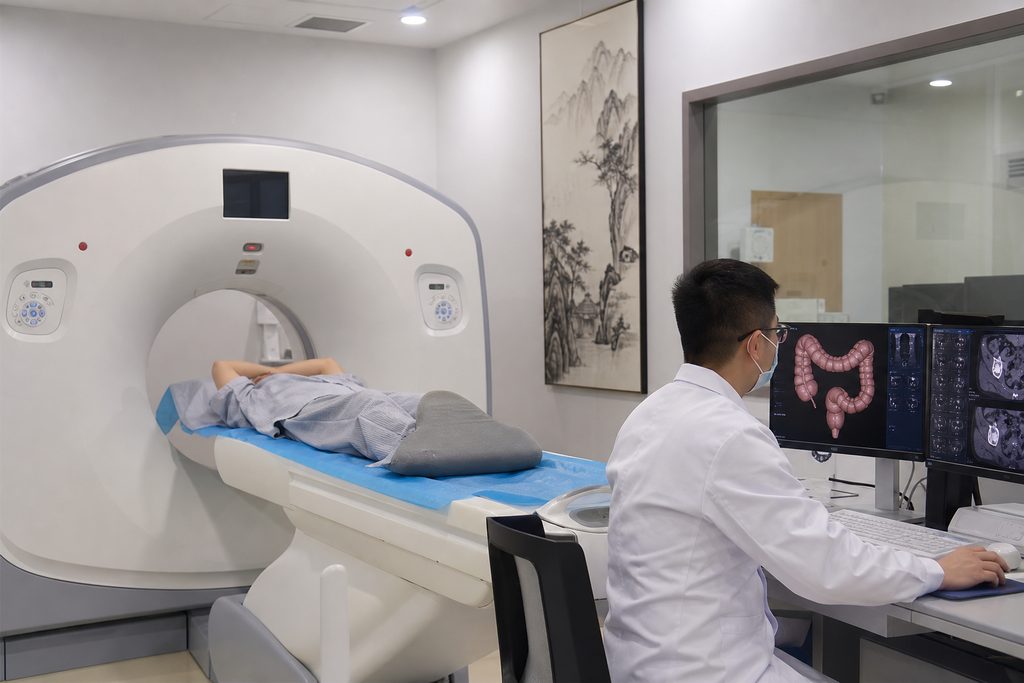
Same-Day Colonoscopy in China: How Our Service Arranges It
Key Takeaways
- China’s top-tier hospitals perform colonoscopies at a fraction of Western prices — typically $300–$700 for a standard diagnostic procedure, compared to $2,500–$5,000 in the United States.
- Same-day scheduling is possible in Shanghai, Beijing, and other major cities through hospital international departments, but it requires the right documentation and a bilingual coordinator who knows the system.
- Public hospital regulations in China generally require an in-person consultation before scheduling — the “same day” promise only works through specific channels, not walk-in registration.
- You should understand exactly what “same-day” means in practice: consultation and colonoscopy on the same trip, not necessarily the same 24-hour window from your first phone call.
The Problem: Colonoscopy Wait Times and Costs Are Pushing Patients to Look Abroad
In the United States, the average out-of-pocket cost for a diagnostic colonoscopy without insurance runs between $2,500 and $5,000, with some patients reporting bills above $7,000 when polyps are removed during the procedure. Wait times for non-urgent screening colonoscopies in Canada’s public system now exceed 12 months in several provinces. In the UK, the NHS target is 6 weeks for urgent referrals, but actual waits for routine cases routinely stretch past 18 weeks. That is the reality driving a growing number of international patients to search for “same day colonoscopy cost China” and “how fast can I schedule a colonoscopy in Beijing.”
Let’s be direct about what this means. A patient with concerning symptoms — blood in the stool, unexplained weight loss, persistent changes in bowel habits — cannot afford to wait a year. But the financial barrier in the US is equally brutal. Even with insurance, high-deductible plans often leave patients responsible for $1,500 to $3,000 of the total bill. Faced with that, flying to China for the procedure starts to look rational.
Why China Delivers Results for Time-Sensitive Colonoscopy
Volume Creates Scheduling Flexibility
Chinese top-tier hospitals operate at a scale that Western systems simply do not match. A hospital like Peking Union Medical College Hospital or Zhongshan Hospital Fudan University may perform 200 to 400 gastrointestinal endoscopies per day across multiple procedure rooms. That volume means the infrastructure exists to slot in additional patients on short notice — but only through the right channel. Walk into a public hospital registration window as a foreigner with no Chinese language skills and no prior arrangement, and you will likely be told to come back in two weeks. The system is not designed for spontaneous arrivals.
The international medical departments of these hospitals operate differently. They maintain separate scheduling blocks, English-speaking staff, and streamlined admission processes. Our team works directly with these departments across 340+ top-ranked hospitals in 37 cities to identify which ones have same-week or same-day endoscopy capacity at any given time.
Technology and Bowel Preparation Efficiency
China has adopted split-dose bowel preparation protocols as standard practice in most tertiary hospitals. This matters more than patients realize. The quality of bowel preparation is the single biggest factor in whether a colonoscopy detects polyps or misses them. Hospitals that standardize split-dose regimens — half the prep the evening before, half the morning of the procedure — achieve adequate preparation rates above 90%, according to published studies in gastrointestinal endoscopy journals.
Many Chinese hospitals also perform “painless” colonoscopy — sedation-based procedures — as the default option rather than an add-on. That means you can schedule a colonoscopy with propofol sedation on the same day as your consultation, recover for 30 to 60 minutes, and leave the hospital the same afternoon.
Same Day Colonoscopy Cost China: The Structural Reason Prices Stay Low
The same day colonoscopy cost China reflects structural economics, not quality compromises. Chinese physician salaries are lower than Western counterparts, hospital administrative overhead is leaner, and the sheer patient volume spreads fixed costs across more procedures. The result: a diagnostic colonoscopy at a top-tier Chinese hospital typically costs $300 to $700, with polypectomy adding $100 to $300 depending on size and number. The same procedure at a private international hospital in Shanghai — think United Family or Jiahui — runs $1,200 to $2,500, still below US prices but significantly more than public hospital international departments.
| Procedure Type | China Public Hospital (International Dept.) | China Private International Hospital | United States (Average) |
|---|---|---|---|
| Diagnostic colonoscopy | $300–$700 | $1,200–$2,500 | $2,500–$5,000 |
| Colonoscopy with polypectomy | $400–$1,000 | $1,500–$3,000 | $3,500–$7,000+ |
| Sedation/anesthesia fee | Often included | Included | $500–$1,500 separate |
| Pathology (biopsy) | $50–$150 | $100–$200 | $300–$800 |
Prices vary by hospital and case complexity. A patient needing multiple polyp removals, or a procedure requiring advanced imaging, will pay more. But the baseline remains a fraction of Western costs.
Can I Get a Colonoscopy Without Waiting in China? The Real Answer
The honest answer is: yes, in most cases, but not by showing up unannounced. The phrase “can I get a colonoscopy without waiting in China” deserves a precise response. Here is what actually happens when you work with our service:
Day 1: You send us your medical records — any prior endoscopy reports, lab results, and a brief symptom summary. We translate these into Chinese and forward them to the gastroenterology department at one or more matched hospitals. We also confirm which hospitals have same-week endoscopy slots open.
Day 2–3: The hospital reviews your records and confirms whether a colonoscopy is appropriate and whether any contraindications exist. If you are on blood thinners, we coordinate with the hospital about when to stop them. We send you the bowel preparation instructions in English.
Day of arrival: You fly in. A bilingual medical companion meets you at the hospital, handles registration, and accompanies you through the consultation. The gastroenterologist sees you, confirms the plan, and — if scheduling allows — you proceed to the endoscopy suite the same day. If not, you are scheduled for the next morning. That is what “same-day” realistically means: consultation and procedure within one hospital visit, not a multi-week gap.
For patients searching specifically for 24 hour colonoscopy service Shanghai, the answer is similar. Shanghai’s international hospital departments — especially at Zhongshan, Ruijin, and Huashan — maintain dedicated slots for international patients. But “24 hour” from initial contact to completed procedure is only possible if you already have clean records, no medication complications, and arrive during a weekday when full endoscopy staffing is available. Weekends and Chinese public holidays add delays.
How Fast Can I Schedule a Colonoscopy in Beijing? Timeline Realities
Beijing presents a slightly different picture. The city’s top hospitals — Peking Union Medical College Hospital, Beijing Friendship Hospital (which runs one of China’s largest GI endoscopy centers), and China-Japan Friendship Hospital — have enormous endoscopy volumes but also enormous domestic demand. The international departments protect some capacity for foreign patients, but the book immediate colonoscopy for foreigners China promise depends on which hospital you target and when you contact us.
Our experience coordinating for international patients: if you contact us on a Monday with complete medical records, we can typically secure a consultation and colonoscopy slot at a Beijing hospital international department for that same week — often within 48 to 72 hours. The limiting factors are not hospital capacity but rather: (1) whether you need to stop anticoagulant medication first, (2) whether your bowel preparation can be completed properly given your travel schedule, and (3) whether the hospital’s international department has an English-speaking gastroenterologist available on your preferred date.
Some patients assume they can land in Beijing, walk into a hospital, and get scoped the same afternoon. That is not how Chinese public hospitals work, even for domestic patients. The international department route — which is what we arrange — is the only realistic path for a foreigner seeking fast scheduling. And even then, the hospital will not perform a colonoscopy without a prior consultation. That is a hard rule, not a bureaucratic inconvenience.
Medical Tourism Colonoscopy Package China: What Should Be Included
When patients search for a medical tourism colonoscopy package China, they often imagine an all-inclusive bundle. The reality is more nuanced. Some private international hospitals in Shanghai and Beijing do offer packaged pricing that bundles consultation, procedure, sedation, and basic pathology into one quote. Public hospital international departments typically bill item by item, which can be cheaper overall but requires more coordination.
A legitimate package should include at minimum:
- Pre-arrival medical record review and translation
- Consultation with a gastroenterologist
- The colonoscopy procedure itself, including sedation
- Pathology on any removed polyps or biopsies
- Written post-procedure report in English
- Coordination of follow-up recommendations
What a package should not include is any guarantee of a specific outcome, a promise that no polyps will be found, or a claim that the procedure is “better” than one performed in a Western hospital. Quality is comparable at top Chinese institutions — the advantage is speed and cost, not magical superiority.
Important: If you take blood thinners such as warfarin, clopidogrel, or apixaban, you must discuss stopping them with the hospital before scheduling. Chinese gastroenterologists generally follow the same ASGE guidelines as Western doctors — usually stopping these medications 3 to 7 days before the procedure. Do not book a flight and hope to sort this out on arrival.
Practical Considerations: Documentation, Visa, and Payment for a Colonoscopy Trip
If you are traveling to China specifically for a colonoscopy, here is what you need to handle before you fly.
Visa: Medical treatment in China falls under the S2 visa category, which covers short-term private affairs including medical treatment. You will need supporting documents from the hospital — typically an invitation letter or treatment confirmation from the international department. Our team helps you obtain these documents and provides guidance on the application, but approval is always at the discretion of the Chinese embassy or consulate. Do not apply for an M visa; that category is for commercial and trade activities and is not appropriate for medical travel. Family members accompanying you also apply for S2 visas.
Medical records: Bring any prior colonoscopy reports, pathology results, and a list of current medications. If you have had polyps before, bring those records specifically — the gastroenterologist will want to know the histology and size. Records in English do not need notarization; the hospital’s international department will handle translation.
Payment: Public hospital international departments in China require pre-payment before the procedure. Most accept international credit cards (Visa, Mastercard), but some only accept UnionPay or cash. We confirm the payment method for your specific hospital before you arrive. Private international hospitals often accept direct insurance billing; public hospitals do not — you pay upfront and seek reimbursement from your insurer afterward.
Language: Even in international departments, the gastroenterologist may speak limited English. Nurses and technicians almost certainly will not. A bilingual medical companion — which is part of our coordination service — handles interpretation during the consultation, during the procedure preparation, and when the doctor explains findings afterward. Without this, you risk missing important post-procedure instructions.
Follow-up: If polyps are removed, the hospital will send them to pathology. Results typically take 3 to 7 days. You can receive the report by email and review it with the gastroenterologist via video consultation if you have already returned home. If the pathology shows anything concerning, we can coordinate a follow-up plan with the same hospital or connect you with a specialist in your home country.
Frequently Asked Questions
At top-tier Chinese hospitals — the ones in the Fudan ranking system that we work with — the safety profile is comparable to Western benchmarks. Complication rates for diagnostic colonoscopy (perforation, significant bleeding) are below 0.1% at major centers, consistent with published international data. The key variable is hospital selection. A random county-level hospital is not the same as Peking Union Medical College Hospital or Zhongshan Hospital. We only coordinate with hospitals in the top tier of the national ranking system.
If polyps are found, the gastroenterologist will typically remove them during the same procedure — that is standard practice in China, as in the West. The polyp tissue goes to pathology, and results come back within a week. The additional cost for polypectomy is modest, usually $100 to $300 depending on the number and size of polyps. If a polyp is too large for safe removal during a diagnostic colonoscopy, the doctor will recommend a separate therapeutic procedure, which we can help schedule.
You can technically do it alone, but it is not advisable. Sedation leaves you groggy for several hours after the procedure. Hospitals in China will not discharge a sedated patient without someone to accompany them — this is a safety policy, not a suggestion. If you travel alone, our bilingual medical companion can serve that role: waiting during the procedure, receiving the doctor’s post-procedure briefing, and ensuring you get back to your hotel safely. The companion service starts at $300 per day and is included in most coordination packages we arrange.
Realistically, 3 to 5 business days from initial contact to procedure date. That accounts for medical record review, hospital confirmation, bowel preparation timing, and flight logistics. In urgent cases — for example, a patient with active bleeding or severe symptoms — we have arranged consultations and procedures within 48 hours of first contact. But that depends on hospital availability and your medical status. The more lead time you give us, the more hospital options we can offer.
Your Next Step
If you are weighing the cost and wait time of a colonoscopy in your home country against the logistics of traveling to China, the numbers speak clearly. The same day colonoscopy cost China runs $300 to $700 at top public hospitals, and scheduling can happen within days, not months. Our team at China Medical Services handles the coordination — hospital matching, record translation, appointment scheduling, and bilingual accompaniment — so you can focus on the procedure itself, not the bureaucracy around it. We are not a hospital and do not provide medical advice or diagnoses. What we do is make the path to a fast, affordable colonoscopy in China as smooth as it can possibly be.
If you would like to know whether same-day scheduling is available for your specific situation, send us your basic information and we will respond within one business day with realistic options. No pressure, no obligation — just an honest assessment of what is possible.
For more medical information and treatment options in China, visit chinamedservices.com (China Medical Services).
