Scoliosis Surgery in China: Top Hospitals, Real Costs, and What Recovery Actually Looks Like
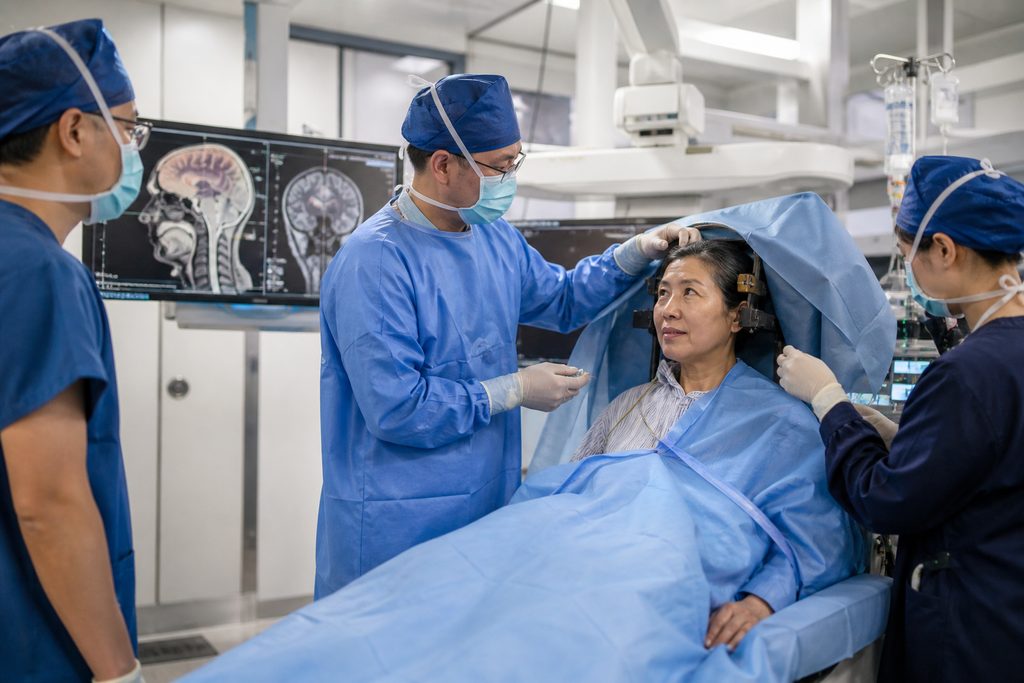
While a scoliosis fusion in the United States routinely lands between $150,000 and $250,000 for uninsured patients, the same procedure at a top-ranked Chinese orthopedic center typically runs $35,000 to $60,000. That gap is not a fluke of lower standards. It reflects structural economics, and it is why roughly 14,000 international patients traveled to China for treatment in 2024, according to China’s National Health Commission. Scoliosis surgery is a major decision. Knowing which hospital actually performs it well — and what the real numbers are — changes everything.
Key Takeaways
- Top Chinese orthopedic centers perform 300–500 spinal fusion surgeries annually, matching or exceeding the case volume of leading US academic hospitals.
- Total scoliosis surgery cost in China ranges from $35,000 to $60,000 — roughly one-fifth to one-third of typical US private-pay pricing.
- Language barriers and the public hospital registration system are the two biggest practical hurdles for foreign patients, not clinical quality.
- You cannot book surgery from overseas through the standard public outpatient channel. A face-to-face consultation comes first, always.
The Problem: Scoliosis Surgery Pricing in the West Has Detached From Reality
Adolescent idiopathic scoliosis affects approximately 2–3% of the population. Most cases never need surgery. But for curves exceeding 45–50 degrees in a growing child, or 50 degrees in an adult with progressive pain, fusion becomes the medically recommended path. In the United States, the average hospital charge for a posterior spinal fusion for scoliosis exceeded $170,000 in 2023, according to data compiled by the Healthcare Cost and Utilization Project. Even with insurance, out-of-pocket maximums often run $8,000 to $15,000. For the uninsured or underinsured, the number is simply the number. It is a mortgage.
Canada and the UK face a different wall. Wait times for non-emergency orthopedic spinal procedures in Ontario averaged 27.4 weeks from referral to treatment in 2024, per the Fraser Institute. In the UK, NHS data showed more than 38% of patients waited over 18 weeks for trauma and orthopedic care. A teenager with a 55-degree curve does not have 18 weeks. The curve progresses. The window for a less invasive correction narrows. Parents are left choosing between financial ruin and watching their child’s spine worsen.
Why China’s Top Orthopedic Centers Deliver Comparable Outcomes at a Fraction of the Cost
Clinical Volume That Rivals Any Western Academic Hospital
Spinal fusion is a technical procedure. Outcomes correlate with repetition. A surgeon who does 200 scoliosis corrections a year sees anatomical variations that a surgeon doing 40 a year reads about in journals. Chinese orthopedic departments operate at a scale that is difficult to comprehend from outside. Peking Union Medical College Hospital (PUMCH) and Beijing Jishuitan Hospital each run dedicated spinal deformity units where a single senior surgeon may perform 8–12 major spinal fusions in a week. That is 400–600 annually. The busiest US centers — Hospital for Special Surgery, Mayo Clinic — report similar per-surgeon volumes, but the average community orthopedic surgeon in the US performs fewer than 20 scoliosis fusions per year.
Volume is not the only proxy for quality. But it is the one patients can verify. And China’s top centers publish their complication rates. A 2023 retrospective study from West China Hospital in Chengdu, published in Spine, reported a major perioperative complication rate of 2.1% across 1,100+ adolescent scoliosis fusions. That sits in line with Scoliosis Research Society benchmarks from North American registries.
Technology and Workflow Efficiency at Scale
Chinese top-tier hospitals adopted intraoperative neuromonitoring, O-arm 3D imaging, and computer-navigated pedicle screw placement as standard practice over a decade ago. The workflow is different from Western hospitals in one key respect: these are high-throughput systems. Preoperative imaging, pulmonary function testing, and anesthesia clearance are often completed in a single day. The surgery is scheduled within days of the consultation, not months. Postoperative monitoring happens in specialized orthopedic wards with nurse-to-patient ratios that meet JCI standards at international departments.
Why the Scoliosis Surgery Cost in China Is Structurally Lower
The price gap is not a quality discount. It is an economic one. Chinese hospital infrastructure is older but fully amortized. Physician salaries are salaried, not fee-for-service. Implant manufacturers — including the same multinational firms that supply US hospitals — price their pedicle screw systems lower in the Chinese market due to volume purchasing and national procurement policies. A titanium rod system that costs $18,000 in a US hospital may cost $6,000 in Shanghai. The surgeon’s fee, which can be $30,000–$60,000 in the US, is a fraction of that in China. Labor, not expertise, drives the difference.
Which Hospitals Actually Perform Scoliosis Surgery for International Patients?
The short answer: a small number of elite public hospitals and a handful of JCI-accredited private international facilities. Not every hospital on a general ranking list has a dedicated spinal deformity program. You need to look at the Fudan University Hospital Rankings for Orthopedics — a specialty-specific reputation ranking updated annually. The orthopedic top 10 consistently includes Peking Union Medical College Hospital in Beijing, West China Hospital in Chengdu, and Shanghai Changzheng Hospital.
For international patients, the practical distinction is between the public hospital international department and private international hospitals. Public international departments — like the PUMCH International Medical Services or the Shanghai Changzheng International Department — offer access to the same senior surgeons who run the main wards, but with English-speaking coordination, faster scheduling, and private rooms. Prices run 1.5 to 2 times the standard public rate, which still leaves the total far below Western billing.
Private international hospitals in China, including Beijing United Family Hospital and Shanghai Jiahui International Hospital, also perform scoliosis surgery. These facilities are JCI-accredited, have English-speaking staff throughout, and bill insurance directly. But their spinal deformity case volume is lower than the public giants. The best hospital for scoliosis surgery Beijing depends on whether you prioritize surgeon volume or system convenience. Most international patients choose a hybrid: consultation and imaging at a private facility, surgery at a public international department.
| Hospital | City | Estimated Scoliosis Fusion Cost (USD) | Spinal Deformity Case Volume | International Services |
|---|---|---|---|---|
| Peking Union Medical College Hospital (International Dept) | Beijing | $45,000 – $60,000 | 400–500+ annually | English coordinator, private ward |
| West China Hospital | Chengdu | $35,000 – $50,000 | 500+ annually | Limited English, partner services available |
| Shanghai Changzheng Hospital | Shanghai | $40,000 – $55,000 | 350–450 annually | International department, English support |
| Beijing United Family Hospital | Beijing | $55,000 – $75,000 | 50–100 annually | Full English, JCI, direct insurance billing |
| Shanghai Jiahui International Hospital | Shanghai | $50,000 – $70,000 | 40–80 annually | Full English, JCI, direct insurance billing |
Figures are estimated ranges for posterior spinal fusion for adolescent idiopathic scoliosis, including implants, hospital stay, and surgeon fees. Actual quotes vary by hospital and case complexity.
Is Scoliosis Surgery Safe in China? What the Data Actually Shows
Safety is the question every parent asks first. The honest answer: at the top 5% of Chinese hospitals, the safety profile is comparable to Western academic centers. At an unranked county hospital, it is not. The gap between China’s best and its average is wider than in most Western systems. That is why hospital selection matters more than country selection.
China’s top orthopedic centers report perioperative complication rates for adolescent scoliosis fusion between 1.5% and 3%. That includes infection, neurological injury, and implant failure. The Scoliosis Research Society’s global registry reports a comparable 2–4% major complication rate. Infection control at JCI-accredited Chinese facilities follows the same protocols as US hospitals: preoperative chlorhexidine bathing, antibiotic prophylaxis within 60 minutes of incision, and laminar airflow operating theaters.
One concern that deserves attention: postoperative pain management protocols differ. Chinese hospitals have historically used less opioid medication than US centers, relying more on multimodal analgesia — NSAIDs, acetaminophen, and regional blocks. For some patients this is a benefit. For others, the first 48 hours feel harder than expected. Discuss pain expectations with the anesthesia team before surgery.
How Long Is Recovery From Spinal Fusion Surgery? A Realistic Timeline
Recovery from scoliosis fusion is not measured in days. It is measured in months. The first week is the hardest. Most patients stay in the hospital 5–10 days after surgery. Sitting upright begins day 1 or 2. Walking with assistance starts day 2 or 3. By discharge, most adolescents can walk short distances independently and climb stairs slowly.
Weeks 2–6 are the restriction phase. No bending, twisting, or lifting more than 5–10 pounds. School or desk work can resume at 3–4 weeks for many patients, but sitting tolerance is limited to 30–45 minutes at a time. The fusion itself is not solid yet — the hardware is holding everything together while bone grows across the graft.
Months 3–6 bring progressive clearance. Most surgeons allow non-contact sports and swimming at 3 months. Full contact sports and heavy lifting wait until 6–12 months. X-rays at 6 and 12 months confirm fusion mass formation. By 12 months, 90% of adolescent patients have returned to all normal activities. Adult scoliosis patients recover slower — expect 12–18 months before feeling fully “normal” again.
If you travel to China for surgery, plan for at least 3 weeks in-country: 5–7 days preoperative evaluation, surgery, 7–10 days postoperative hospital stay, and 3–5 days in a nearby hotel before flying. Long-haul flights under 6 weeks post-op increase DVT risk. Your surgeon will give specific clearance, but do not book a return ticket without a buffer.
Top Spine Surgeons in Shanghai for Scoliosis: How to Evaluate Them
Patients often ask for a specific surgeon’s name. That instinct is understandable. But it is the wrong question. The right question is: which team performs the most scoliosis fusions annually, and what is their reoperation rate? Top spine surgeons in Shanghai for scoliosis work within high-volume units where every case is reviewed preoperatively by a multidisciplinary team — orthopedic spine, anesthesia, neurology, and rehabilitation. A surgeon operating inside that structure is safer than a brilliant individual operating alone.
When evaluating a surgeon, ask three questions directly. First: how many scoliosis fusions did you personally perform last year? Acceptable answer: more than 50. Strong answer: more than 100. Second: what is your unit’s infection rate for spinal fusion? Acceptable: under 2%. Third: what neuromonitoring do you use during surgery? Acceptable: SSEP and MEP. If any answer is vague, walk away.
Credentials matter too. Look for surgeons who trained at or are affiliated with the institutions on the Fudan Orthopedics ranking. Many have completed fellowships at US or European centers. Their publications are searchable on PubMed. A surgeon who has published peer-reviewed research on scoliosis correction technique is demonstrating that their work withstands external scrutiny.
Booking Scoliosis Surgery in China: The Process, Step by Step
Yes, for comparable procedures at top-ranked public hospitals. A posterior spinal fusion that costs $150,000–$250,000 in the US typically costs $35,000–$60,000 in China. The difference comes from lower surgeon fees, lower implant pricing through national procurement, and lower hospital overhead. Quality at the top 5% of Chinese hospitals is comparable to Western academic centers.
Major complication rates at top Chinese orthopedic centers run 1.5–3%, in line with Scoliosis Research Society global benchmarks. International departments carry professional liability coverage and have protocols for managing complications. That said, you are far from home. Medical evacuation insurance is strongly recommended. If a complication requires extended care, you want the option to transfer back to your home country without financial catastrophe.
Most US and European insurers will not pre-authorize elective surgery in China. Reimbursement after the fact is sometimes possible if the insurer covers out-of-network international care — but you must verify this before traveling. Some international insurers with global plans do cover treatment at JCI-accredited Chinese hospitals. Check your policy’s international coverage clause carefully.
At the top-ranked pediatric and orthopedic centers, yes. PUMCH, West China Hospital, and Shanghai Changzheng Hospital all run dedicated pediatric spinal deformity programs with outcomes published in peer-reviewed journals. The key is hospital selection. The gap between China’s best hospitals and its average hospitals is wide. Stick to Fudan-ranked orthopedic departments or JCI-accredited international facilities.
Your Next Step
Choosing where to have scoliosis surgery is a decision you live with for decades. China’s top orthopedic centers offer a combination that is hard to find elsewhere: high surgical volume, modern technology, and a total cost that does not require refinancing a home. But the system is not built for foreign patients to navigate alone. China Medical Services helps international patients connect with Fudan-ranked orthopedic departments, coordinate remote second opinions, and arrange bilingual support on the ground. We are not a hospital, and we do not provide medical advice. If you are weighing your options, start with a conversation about your specific case — our patient coordination team can help you understand whether China is a realistic path for you. No pressure, just clarity.
Frequently Asked Questions
Yes. The hospitals used for international patients are JCI-accredited and follow the same international safety standards as top hospitals in the US and Europe. Surgical teams perform high volumes of procedures — often more than their Western counterparts — which studies show leads to better outcomes.
Costs vary by procedure and hospital, but international patients typically save 40-80% compared to US prices — even when factoring in travel and accommodation. A consultation with our team will give you an exact, all-inclusive quote with no hidden fees.
Send us your existing medical reports to get started. We handle everything from hospital selection and appointment scheduling to visa assistance and post-operative recovery planning. Your medical records are reviewed by the specialist before you even book a flight.
For more medical information and treatment options in China, visit chinamedservices.com (China Medical Services).
