Does CoolScultping Actually Work? Fat Freezing Results vs. Cost in China
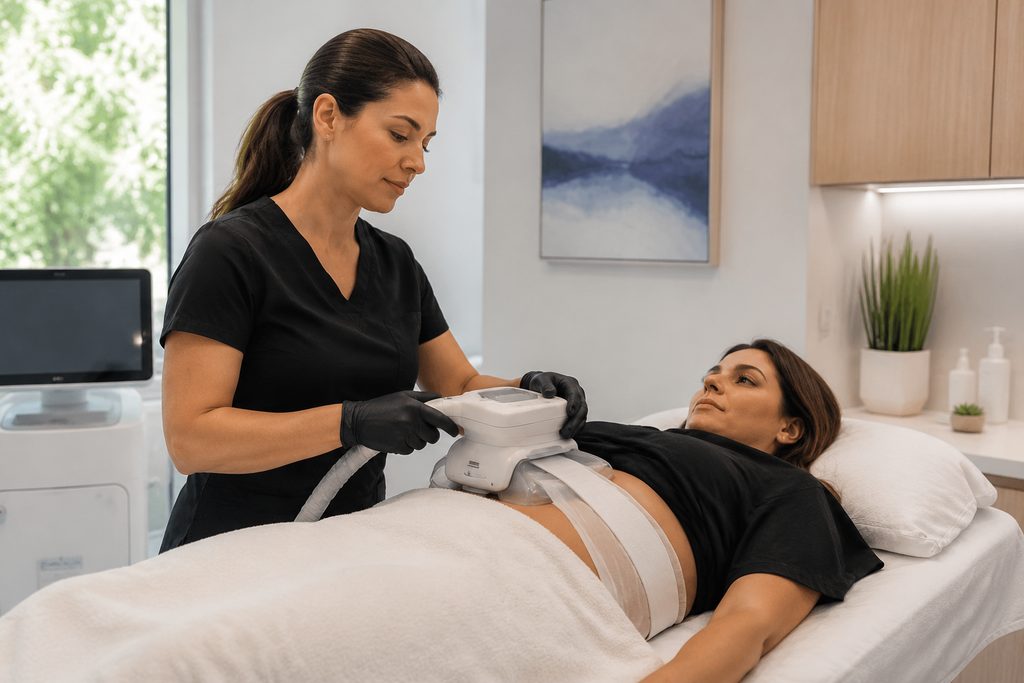
Have you ever stared at a stubborn pocket of fat—the one that survives every diet and every gym session—and wondered if freezing it away is a legitimate science or just a very expensive spa myth? The short answer is that cryolipolysis, the technical term for what CoolSculpting does, is real, FDA-cleared, and backed by measurable data. But the gap between “clinically effective” and “worth your money” depends heavily on where you get it done, who performs it, and what you expect to see in the mirror. Understanding the actual coolsculpting cost China clinics charge—and how that price reflects treatment quality—changes the entire decision.
Most people assume this is a purely cosmetic luxury. It is not. Cryolipolysis works by exploiting a biological quirk: fat cells crystallize at a higher temperature than skin, muscle, or nerve tissue. A controlled cooling device drops the subcutaneous fat layer to roughly 4°C, triggering apoptosis in adipocytes without damaging the dermis above. Over the following 8 to 12 weeks, your lymphatic system clears those dead cells. The result is a permanent reduction in fat cell count in the treated area—not a temporary shrinkage. The catch? The process only works on pinchable, subcutaneous fat. It does nothing for visceral fat around organs, and it is not a weight-loss tool.
How This Actually Works, Step by Step
You do not just walk into a clinic and walk out thinner. The sequence matters. It starts with an in-person or video consultation where a physician or trained technician assesses your fat distribution. They will pinch the area. If they cannot grasp a fold of fat at least an inch thick, you are not a candidate. If you are, they map the treatment zone with a marker and place a gel pad to protect the skin.
Then the applicator goes on. It uses vacuum suction to draw the fat bulge into a cup, where two cooling panels make contact. For the next 35 to 75 minutes, you sit there. Most people read, watch videos, or nap. The first 5 to 10 minutes feel intensely cold—sometimes a sharp, aching sensation—but the area numbs quickly. When the applicator comes off, the treated zone looks like a frozen stick of butter: hard, raised, and oddly waxy. The technician massages it vigorously for 2 minutes. That massage step matters more than patients realize; studies suggest it improves fat reduction by up to 68% compared to no massage.
Then you go home. No downtime, no bandages, no restrictions. The area may feel tender or numb for a few weeks. Real results emerge slowly as the lymphatic system works. You might notice a difference at week 4, but the real comparison photo happens at week 12. Some patients need a second or third session on the same area, spaced 6 to 8 weeks apart, to reach their goal.
Does CoolSculpting Really Work for Belly Fat Specifically?
Belly fat is the most requested treatment area—and the most misunderstood. The question does coolsculpting really work for belly fat deserves a precise answer. For subcutaneous belly fat, the pinchable layer right under the skin, yes. Clinical studies report an average 20% to 25% reduction in fat layer thickness after a single session when measured by ultrasound. Some patients see more, some see less. The variability comes down to applicator fit, treatment time, and individual lymphatic clearance rates.
But here is what nobody tells you in the glossy brochure: the lower abdomen is also where many people carry visceral fat, the deep fat packed around organs. CoolSculpting cannot touch visceral fat. If your belly protrudes but you cannot pinch much of it, the problem is not subcutaneous. You would be wasting money. A skilled provider will tell you this during consultation. A sales-driven clinic will not. That distinction alone is worth the price of a proper evaluation.
And the results are not dramatic. Nobody loses a pants size from one CoolSculpting session. You lose a measurable, visible reduction in a specific bulge. Think of it as contour refinement, not body transformation. Patients who expect dramatic weight loss are universally disappointed. Patients who want their jeans to fit better in one stubborn spot are usually satisfied.
A Realistic Timeline
If you are traveling to China for treatment—or even just booking locally—the clock starts well before the applicator touches your skin. Here is what a real schedule looks like, not the optimistic version clinics post on Instagram.
| Stage | What Happens | Realistic Duration |
|---|---|---|
| Week 0 | Initial consultation, candidate assessment, treatment plan | 1–3 days to schedule |
| Week 1–2 | Booking confirmed, pre-treatment photos taken | Depends on clinic availability |
| Treatment day | 35–75 minutes per area, plus 10–15 minutes prep and massage | Half day total |
| Week 1–4 | Numbness, tenderness, possible mild swelling; no visible change yet | 4 weeks |
| Week 6–8 | First visible reduction begins | 6–8 weeks post-treatment |
| Week 12 | Peak result for that session; comparison photos taken | 12 weeks |
| Week 14–16 | Second session on same area, if needed | 6–8 weeks after first |
International patients add two more layers: visa processing and appointment lead time at reputable clinics. An S2 visa for private affairs or medical treatment typically takes 1 to 2 weeks from application to approval, assuming your documents are complete. Top-tier dermatology and cosmetic departments in Beijing or Shanghai often book 2 to 4 weeks out. So if you are flying in from abroad, plan for a minimum 6-week runway from first email to treatment day. Rushing this process usually means ending up at a lower-quality clinic with open slots.
Is CoolSculpting Safe and Effective? The Honest Risk Profile
The question is coolsculpting safe and effective has a two-part answer. On safety: the treatment is remarkably low-risk compared to liposuction. No anesthesia, no incisions, no infection risk at the surgical level. The most common side effects are temporary redness, bruising, numbness, and aching in the treated area—all resolving within days to weeks. The FDA cleared cryolipolysis in 2010, and millions of cycles have been performed worldwide since.
But there is a rare, paradoxical complication called paradoxical adipose hyperplasia, or PAH. Instead of shrinking, the treated fat cells enlarge and harden over 2 to 3 months, creating a firm, painless bulge. The estimated incidence is about 1 in 20,000 cycles, though some recent studies suggest it may be underreported, particularly in male patients treated on the abdomen. PAH does not resolve on its own. It requires corrective liposuction. If you are considering treatment, ask the clinic directly: “What is your protocol if I develop PAH?” A reputable provider will have a clear answer. A bad one will dodge the question.
Effectiveness is a different conversation. The treatment works—the data is consistent—but it works incrementally. A 2021 systematic review in the Journal of Cosmetic Dermatology found that cryolipolysis produces statistically significant fat reduction in the abdomen and flanks, with patient satisfaction rates between 70% and 90%. Those are solid numbers. But that same review noted that liposuction removes far more fat in a single procedure. CoolSculpting is for people who want non-invasive contouring, not for people who want maximum fat removal. Knowing which camp you are in is the whole decision.
What Can Go Wrong — and What Happens Then
The honest failure modes fall into three categories. The first is asymmetry. If the applicator is placed slightly off-center, or if your body clears fat unevenly, one side of the treated area can end up visibly different from the other. This is not a medical emergency, but it is cosmetically frustrating. Recourse: a second session targeting the under-treated side, usually at a reduced rate if the original provider acknowledges the issue. Sometimes the asymmetry is subtle and resolves as the body continues clearing fat over 6 months.
The second is under-treatment. You expected a 25% reduction and got 10%. This is the most common complaint. It happens when the applicator is too large for the area, treatment time is shortened, or the provider is conservative with settings. Recourse: a repeat session. Most clinics will offer a discount if the result is clearly below the expected range. Get the expected range in writing before you pay. If they will not commit to a measurable expectation, walk away.
The third is PAH, described above. It is rare but real. Recourse is surgical correction. If you developed PAH after treatment at a reputable clinic, they should refer you to a plastic surgeon and may cover part of the corrective cost. If you were treated at a discount clinic, you are likely on your own. This is the hidden cost of chasing the lowest coolsculpting price Shanghai or Beijing clinics advertise on social media.
CoolSculpting Clinics in Beijing vs. Shanghai: How to Choose
China’s cosmetic medicine market has exploded in the last decade, and with it came a flood of clinics offering cryolipolysis at wildly different price points. The question is not whether coolsculpting clinics in Beijing exist—they are everywhere—but which ones are legitimate. The market splits into three tiers.
Top-tier public hospital dermatology departments, like those at Peking Union Medical College Hospital or Huashan Hospital in Shanghai, offer cryolipolysis with board-certified dermatologists. These are the safest options, with rigorous protocols and honest candidacy assessments. They are also the hardest to book and often require in-person registration. Mid-tier private clinics, often JCI-accredited or part of international hospital networks, offer English-speaking staff and direct insurance billing. These are the sweet spot for foreign patients: high safety standards without the public hospital language barrier. Budget-tier aesthetic salons offer the lowest prices—sometimes $150 per cycle—but they frequently use counterfeit or uncalibrated devices, skip the massage step, and employ technicians with minimal training.
Device authenticity matters. Genuine CoolSculpting machines are manufactured by Allergan (now AbbVie) and cost clinics over $100,000. Counterfeit cryolipolysis devices are widespread in China’s budget aesthetic market. They look similar but deliver uncontrolled cooling, which can cause frostbite, permanent nerve damage, or simply no result at all. Always ask the clinic to show the device certification and confirm it is a genuine CoolSculpting or a regulated equivalent like Clatuu or Cristal.
When comparing coolsculpting price Shanghai clinics quote against Beijing, do not fixate on the sticker price. Ask what it includes: consultation, applicator type, treatment time, post-treatment massage, follow-up photos, and any touch-up policy. A $300 cycle with a 45-minute treatment and no follow-up is more expensive than a $500 cycle with a full 60-minute protocol, proper massage, and a written touch-up guarantee. The price per unit of actual fat reduction is what matters.
Practical Considerations: Booking, Payment, and Language
If you are traveling from abroad to book coolsculpting session China clinics advertise, the logistics are manageable but not trivial. Start with the visa. Medical or private affairs travel falls under the S2 visa category, not the M visa, which is strictly for commercial and trade activities. You will need an invitation letter or supporting documents from the clinic confirming your appointment. Reputable clinics provide this routinely. Budget salons often cannot, which is another filter.
Payment is the next hurdle. Public hospitals require pre-payment and do not accept foreign insurance directly—you pay out of pocket and claim reimbursement later. Private international clinics often have direct billing arrangements with major insurers like Cigna, Aetna, and Allianz. If you have international health insurance, check whether cosmetic cryolipolysis is even covered. Most policies exclude cosmetic procedures unless there is a documented medical indication, which is rare for fat reduction.
Language is the silent friction point. In public hospitals, registration, payment, and post-treatment instructions are all in Chinese. If you do not speak Mandarin, you will struggle to even find the right floor. This is where a bilingual medical companion changes the experience—someone who handles registration, translates the consent form, sits with you during the procedure, and explains the post-treatment care. It is not a luxury; for many foreign patients, it is the difference between a smooth treatment and a stressful ordeal.
Records to bring: any previous body contouring treatments, current medication list (especially blood thinners), and baseline photos. Cryolipolysis is contraindicated for people with cryoglobulinemia, cold agglutinin disease, or paroxysmal cold hemoglobinuria. If you have any of these, do not book a session. A proper consultation will screen for them; a rushed one will not.
Frequently Asked Questions
The coolsculpting cost China clinics charge typically ranges from $250 to $600 per cycle per area, depending on the clinic tier and applicator size. In the US, the same single cycle runs $600 to $1,200. A full treatment plan—often 4 to 8 cycles across multiple areas—can cost $2,000 to $5,000 in China versus $4,000 to $10,000 in the US. Prices vary by hospital and case complexity; always get a written quote before committing.
For most patients, no. A single session reduces subcutaneous fat thickness by roughly 20% to 25% in the treated area. If you have a small, well-defined bulge, one session may suffice. If you have a larger area or want more dramatic contouring, expect 2 to 3 sessions spaced 6 to 8 weeks apart. A good provider will set this expectation during consultation, not after you have paid for one cycle.
The first 5 to 10 minutes are uncomfortable—a sharp cold sensation followed by aching as the area numbs. After that, most people sit comfortably for the remainder of the session. The 2-minute post-treatment massage is briefly intense, often described as a deep, cramping sensation. The treated area may feel tender or numb for 1 to 3 weeks afterward. It is not painless, but it is far less invasive than liposuction.
The most common problems are under-treatment and asymmetry, both of which are fixable with additional sessions. The rare serious complication is paradoxical adipose hyperplasia, affecting roughly 1 in 20,000 cycles, which requires surgical correction. Choosing a reputable clinic with genuine equipment and a trained provider reduces these risks substantially. Cheap clinics with counterfeit devices carry the highest complication rates.
People with cryoglobulinemia, cold agglutinin disease, paroxysmal cold hemoglobinuria, or Raynaud’s phenomenon should avoid cryolipolysis entirely. Pregnant or breastfeeding women should wait. Anyone with loose skin rather than excess fat is a poor candidate—CoolSculpting removes fat, not laxity. And anyone expecting weight loss rather than contour refinement should reconsider. This is a body-sculpting tool, not a weight-loss solution.
Your Next Step
The science behind cryolipolysis is solid, the safety profile is strong when performed correctly, and the results—while modest—are real and permanent for the treated fat cells. The variable is not the technology. It is the provider. At China Medical Services, we help international patients identify reputable clinics, verify device authenticity, and navigate the logistics of treatment in China. We do not perform procedures and we do not make medical decisions. If you are weighing whether to pursue treatment here, start with a conversation about your specific situation and we can point you toward the right options.
CoolSculpting works. But it works best when you understand exactly what it can and cannot do—and when you choose a provider who tells you the truth before you pay. That is the whole game.
For more medical information and treatment options in China, visit chinamedservices.com (China Medical Services).
